

Bench Dip (knees Bent) vs Bench Dip On Floor: Complete Comparison Guide
Bench Dip (knees Bent) vs Bench Dip On Floor is a clear head-to-head between two bodyweight triceps builders. You’ll get a direct comparison of muscle emphasis, movement mechanics, injury risk, progression paths, and simple technique cues so you can pick the right version for your goals. Read on for specific rep ranges (strength 4–6, hypertrophy 8–12), joint angle notes (shoulder extension and elbow ROM), and hands-on tips to perform each safely and get consistent muscle growth.
Exercise Comparison
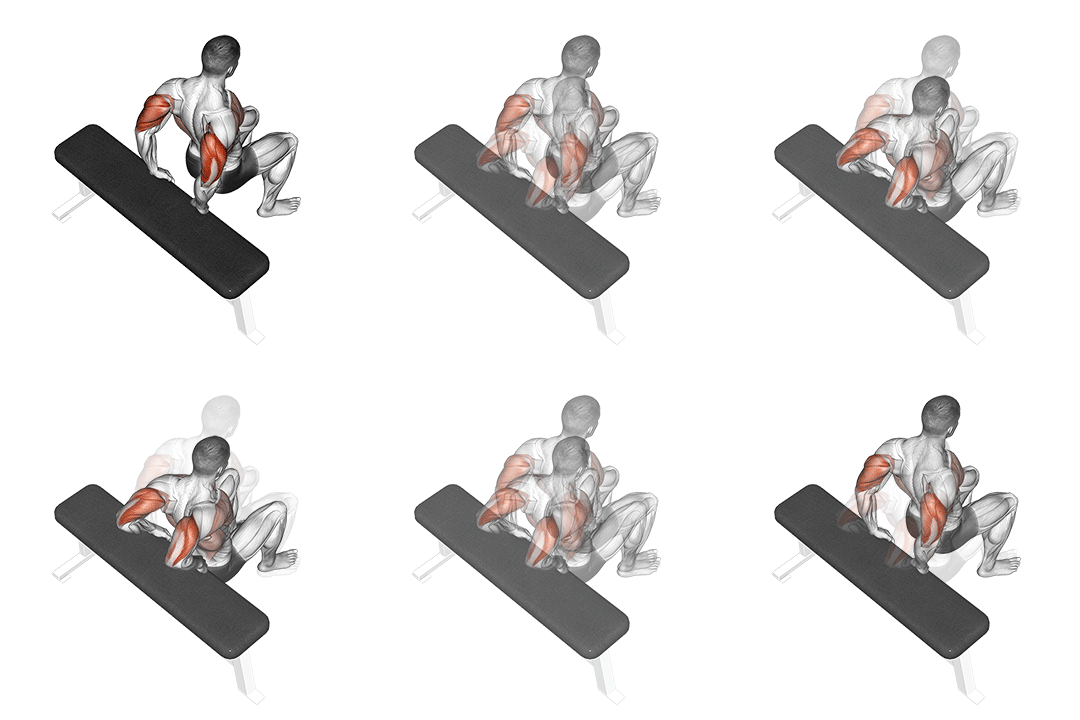
Bench Dip (knees Bent)
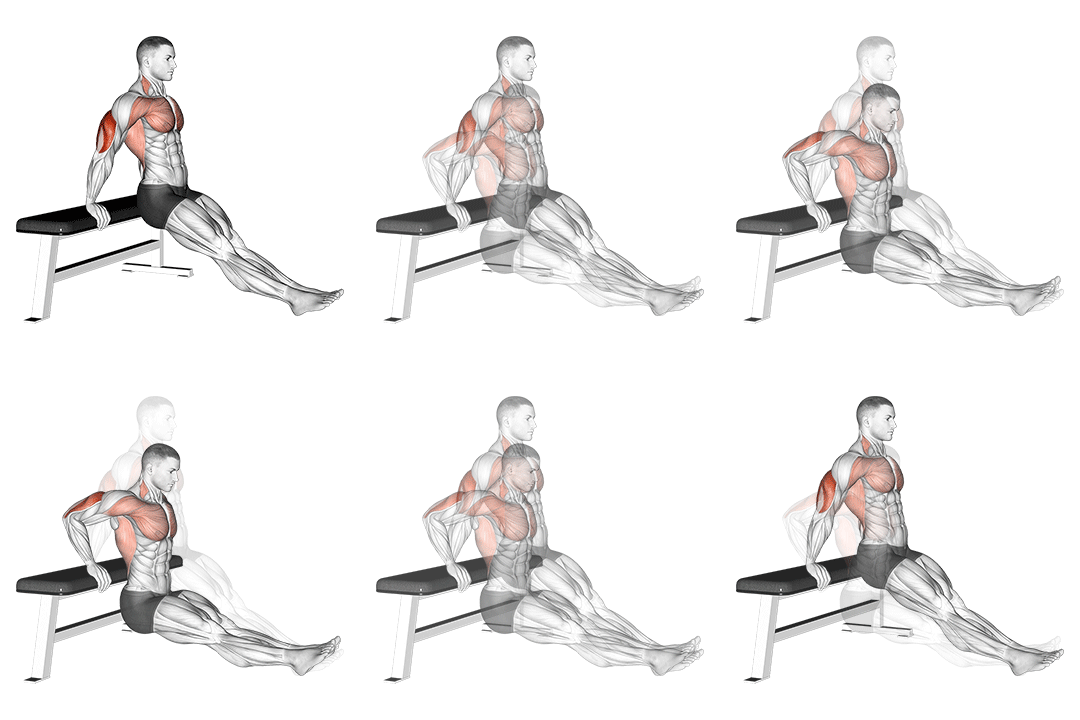
Bench Dip On Floor
Head-to-Head Comparison
| Attribute | Bench Dip (knees Bent) | Bench Dip On Floor |
|---|---|---|
| Target Muscle |
Triceps
|
Triceps
|
| Body Part |
Upper-arms
|
Upper-arms
|
| Equipment |
Body-weight
|
Body-weight
|
| Difficulty |
Beginner
|
Intermediate
|
| Movement Type |
Compound
|
Compound
|
| Secondary Muscles |
2
|
2
|
Secondary Muscles Activated
Bench Dip (knees Bent)
Bench Dip On Floor
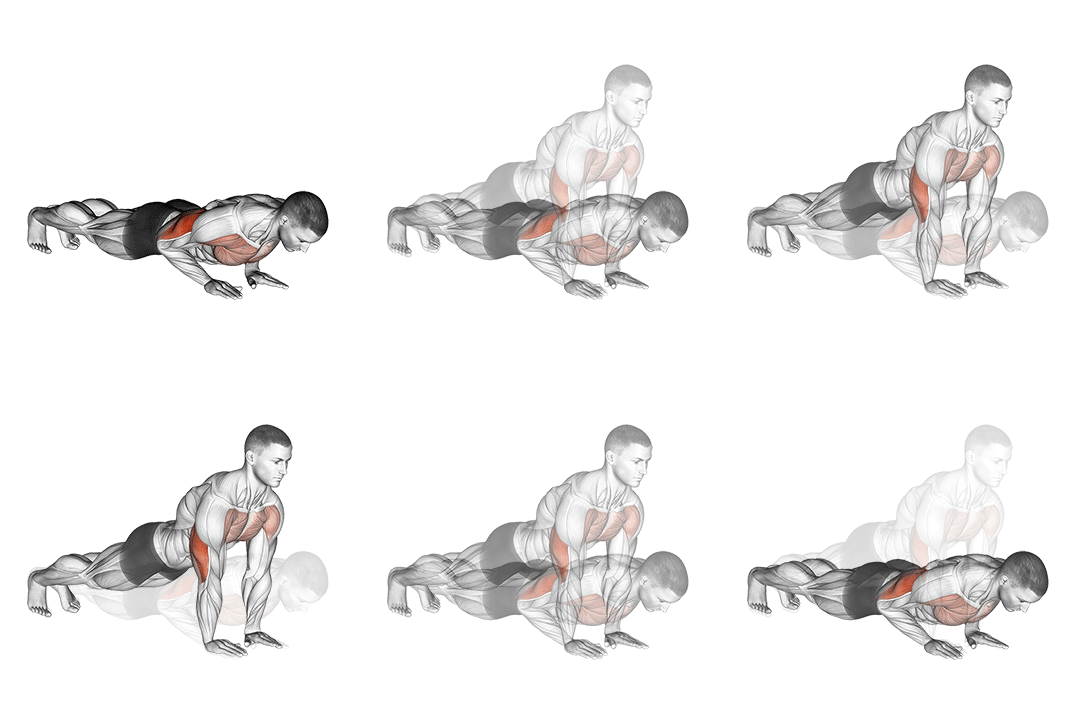
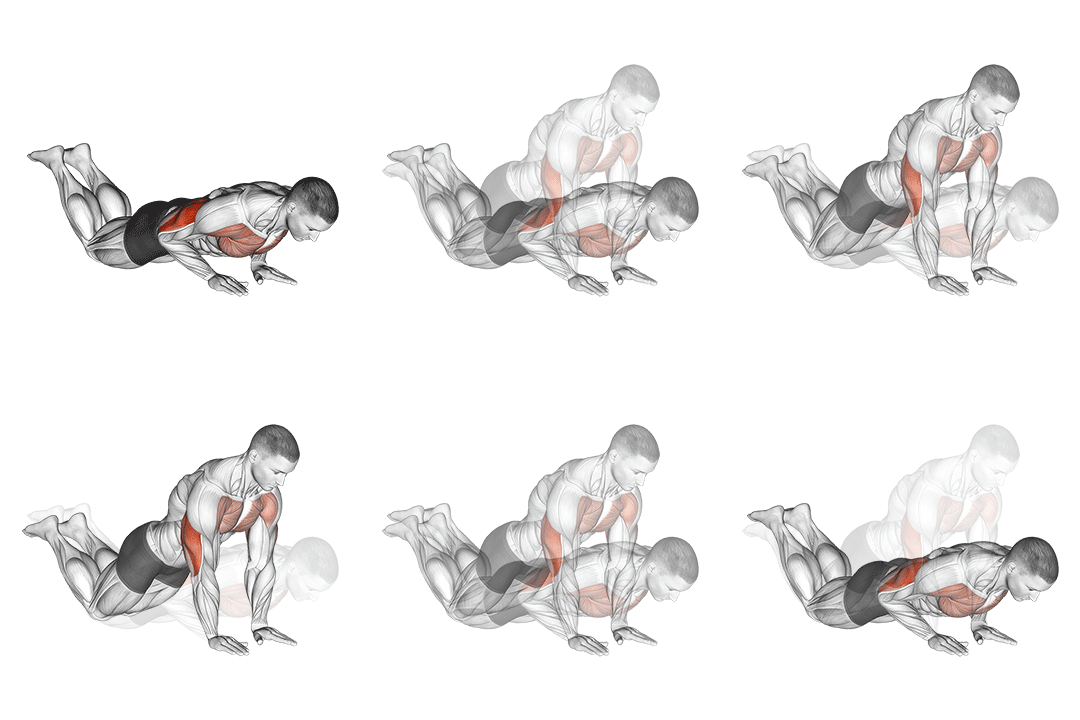
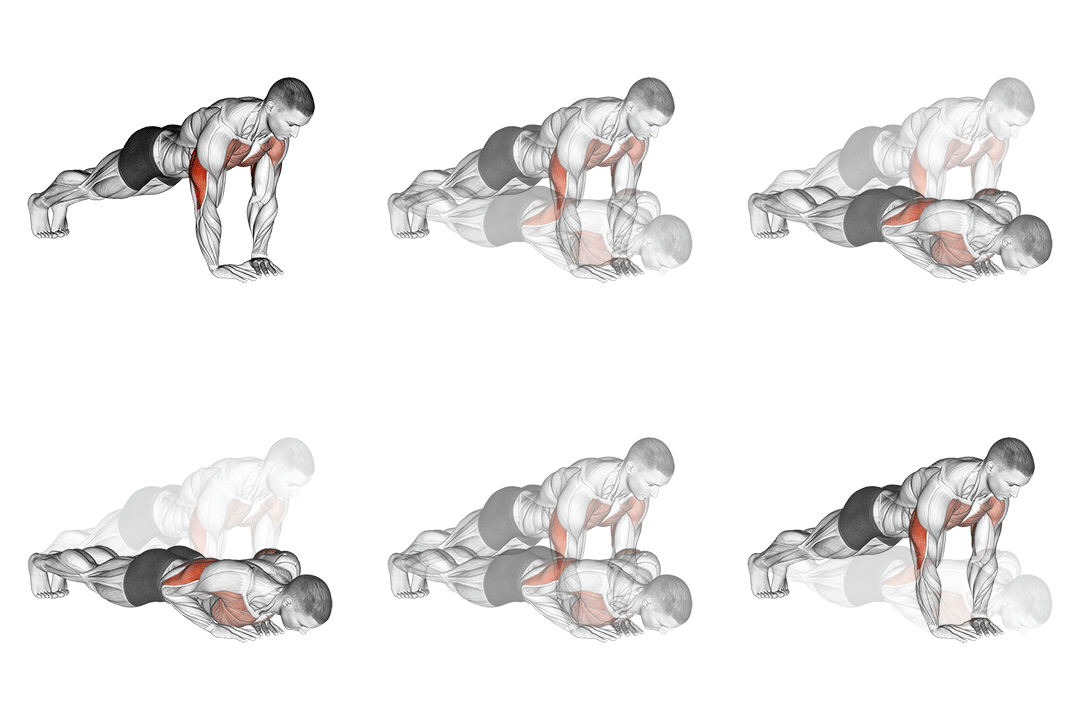
Visual Comparison
Overview
Bench Dip (knees Bent) vs Bench Dip On Floor is a clear head-to-head between two bodyweight triceps builders. You’ll get a direct comparison of muscle emphasis, movement mechanics, injury risk, progression paths, and simple technique cues so you can pick the right version for your goals. Read on for specific rep ranges (strength 4–6, hypertrophy 8–12), joint angle notes (shoulder extension and elbow ROM), and hands-on tips to perform each safely and get consistent muscle growth.
Key Differences
- Difficulty levels differ: Bench Dip (knees Bent) is beginner, while Bench Dip On Floor is intermediate.
- Both exercises target the Triceps using Body-weight. The main differences are in their movement patterns and muscle activation angles.
Pros & Cons
Bench Dip (knees Bent)
+ Pros
- Lower shoulder extension reduces impingement risk for beginners
- Shorter lever (knees bent) makes reps easier to control and learn
- Easy to modify by moving feet farther or closer to increase load
- Requires simple equipment (bench or chair) and minimal space
− Cons
- Smaller overall ROM limits peak triceps stretch and stimulus
- Less chest and anterior deltoid recruitment for compound overload
- Progression ceiling lower unless you elevate feet or add external load
Bench Dip On Floor
+ Pros
- Longer ROM increases triceps and pec stretch for hypertrophy
- Greater mechanical demand supports higher strength adaptations
- No equipment needed — highly accessible for home workouts
- Easier to progressively overload with weighted vests or plates
− Cons
- Greater shoulder extension increases impingement risk for some lifters
- Harder for true beginners due to longer lever and deeper ROM
- Wrist and scapular control demand is higher, increasing injury potential
When Each Exercise Wins
The floor version produces a longer range of motion and greater stretch on the triceps and pecs, increasing mechanical tension—use 8–12 reps with controlled eccentrics (2–3 second lowering) to maximize hypertrophy.
Higher peak torque from increased shoulder extension and ROM allows heavier loading and stronger neural stimulus; train lower reps (4–6) with added external load to build pressing strength.
Knee flexion shortens the lever and lowers shoulder strain, making it easier to learn proper elbow drive and scapular stability; start with 2–3 sets of 8–15 reps to build base strength safely.
No bench or chair needed and you can scale intensity by changing hip position or adding a small weight plate, so it’s the most practical option when equipment is limited.
Frequently Asked Questions
Can I do both Bench Dip (knees Bent) and Bench Dip On Floor in the same workout?
Yes — pair them intelligently: use the knees-bent variant as a warm-up or activation set, then progress to the floor version for working sets. Limit total volume to avoid excessive shoulder fatigue and follow a 1–3 minute rest between heavy sets.
Which exercise is better for beginners?
Bench Dip (knees Bent) is better for beginners because the shortened lever and reduced shoulder extension make it easier to learn elbow-driven pressing mechanics and build base triceps strength safely.
How do the muscle activation patterns differ?
The floor version increases shoulder extension and elbow ROM, shifting force to the triceps long head and the pecs and anterior deltoids during the eccentric phase; the knees-bent version keeps the triceps at a shorter length and reduces chest and shoulder contribution.
Can Bench Dip On Floor replace Bench Dip (knees Bent)?
Yes for advanced trainees focused on hypertrophy or strength, but not for absolute beginners or those with shoulder limitations. If you have limited shoulder mobility, keep the knees-bent variation in your program until control and range improve.
Expert Verdict
Use Bench Dip (knees Bent) when you need a beginner-friendly, lower-risk triceps builder that lets you practice elbow extension and scapular control with a shorter lever. It’s ideal for early progression and rehabbing shoulder mobility. Choose Bench Dip On Floor when you want greater mechanical tension, longer ROM, and a higher ceiling for hypertrophy and strength; treat it like an intermediate move and work in 6–12 rep ranges with strict tempo. Prioritize shoulder mobility and controlled eccentrics on the floor version, and alternate both versions across cycles to balance safety and progressive overload.
Also Compare
More comparisons with Bench Dip (knees Bent)
Compare More Exercises
Use our free comparison tool to analyze any two exercises head-to-head.
Compare Exercises