

Bench Dip (knees Bent) vs Bodyweight Kneeling Triceps Extension: Complete Comparison Guide
Bench Dip (knees Bent) vs Bodyweight Kneeling Triceps Extension — you’ve picked two solid bodyweight triceps tools. I’ll show you how each loads the triceps, what secondary muscles pick up the slack, which stresses your shoulders and elbows more, and clear technique cues so you can test them safely. You’ll get rep ranges (8–20 for hypertrophy, 4–6 when adding load for strength), progression ideas, and decisive recommendations so you can pick the right move for your goals and equipment.
Exercise Comparison
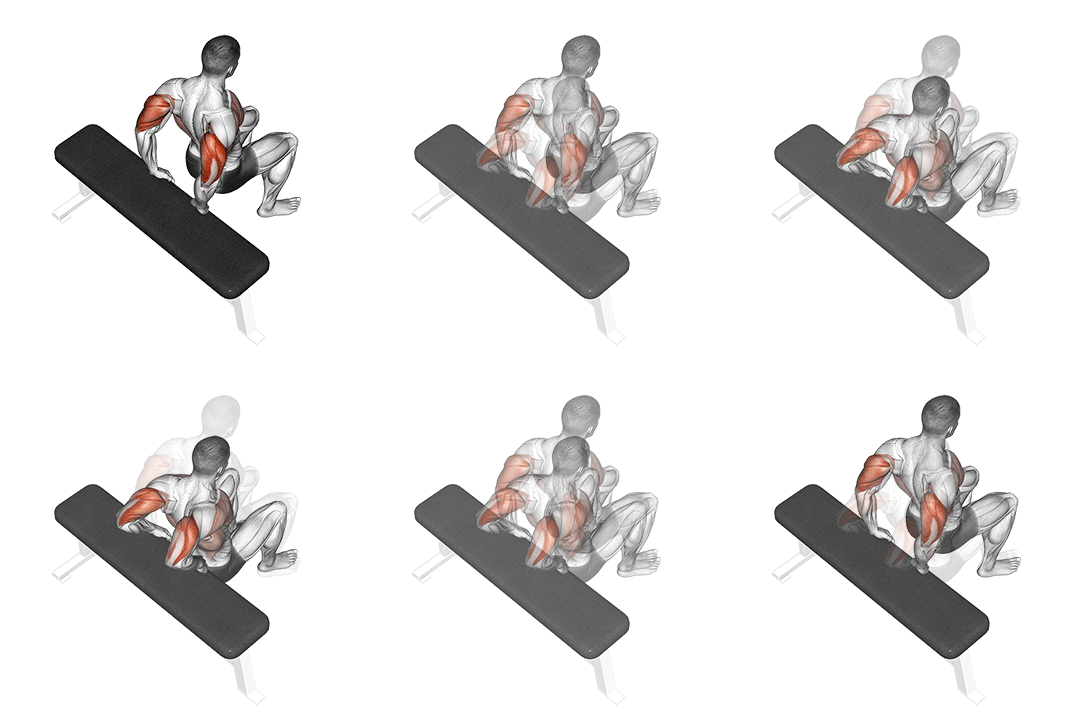
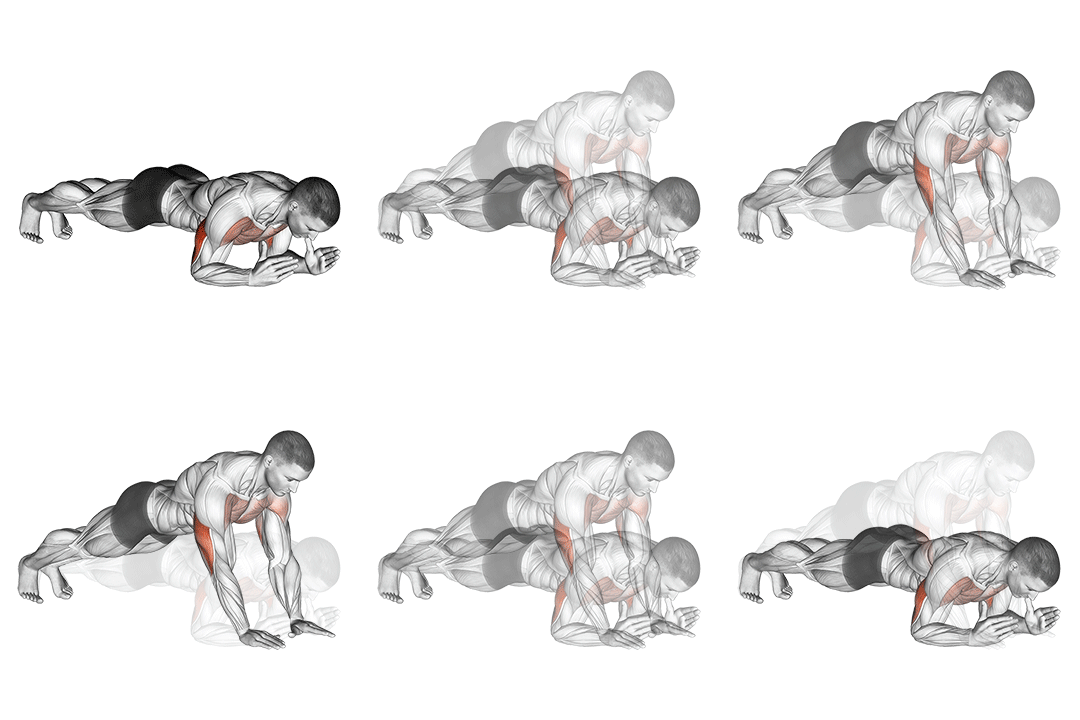
Bench Dip (knees Bent)
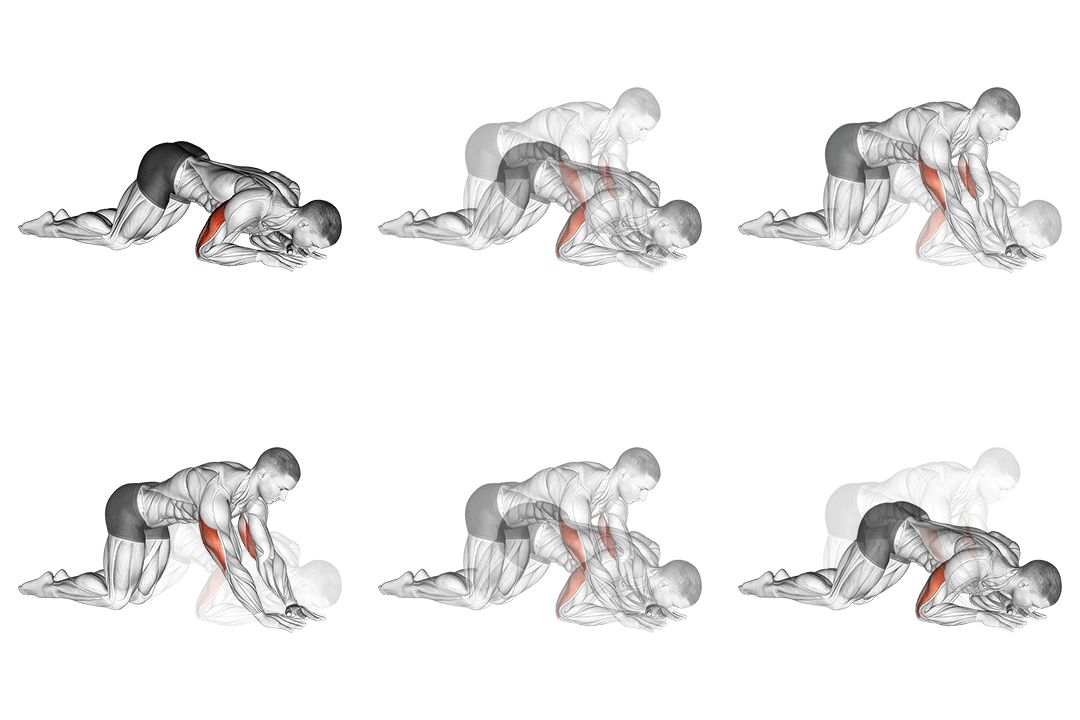
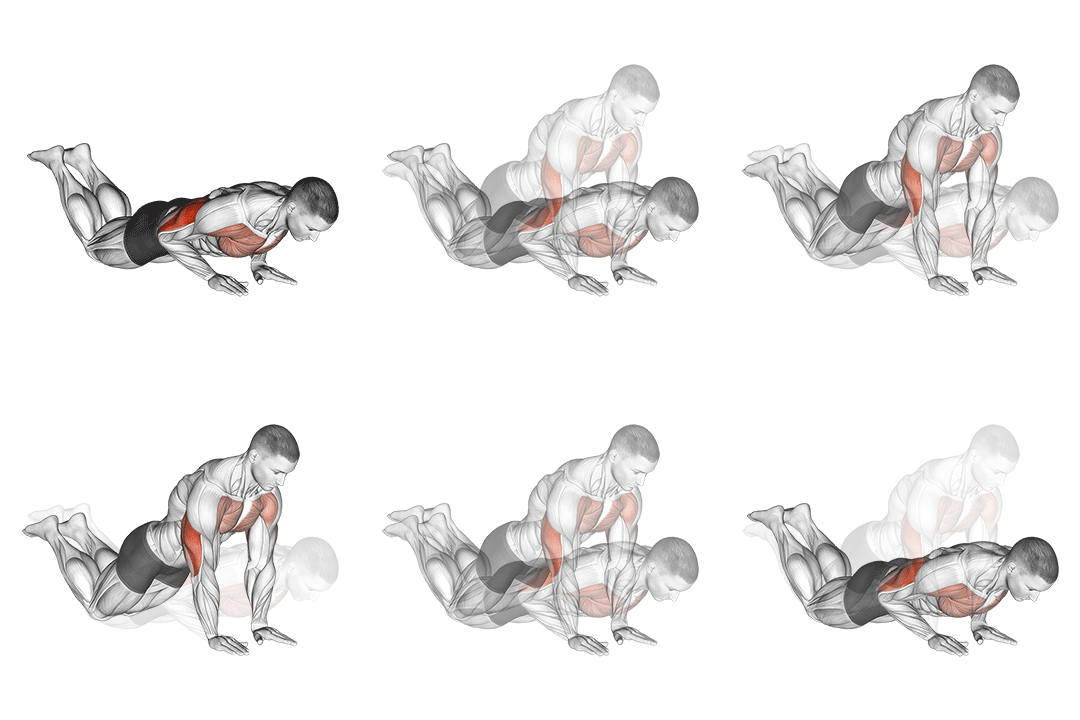
Bodyweight Kneeling Triceps Extension
Head-to-Head Comparison
| Attribute | Bench Dip (knees Bent) | Bodyweight Kneeling Triceps Extension |
|---|---|---|
| Target Muscle |
Triceps
|
Triceps
|
| Body Part |
Upper-arms
|
Upper-arms
|
| Equipment |
Body-weight
|
Body-weight
|
| Difficulty |
Beginner
|
Beginner
|
| Movement Type |
Compound
|
Isolation
|
| Secondary Muscles |
2
|
2
|
Secondary Muscles Activated
Bench Dip (knees Bent)
Bodyweight Kneeling Triceps Extension
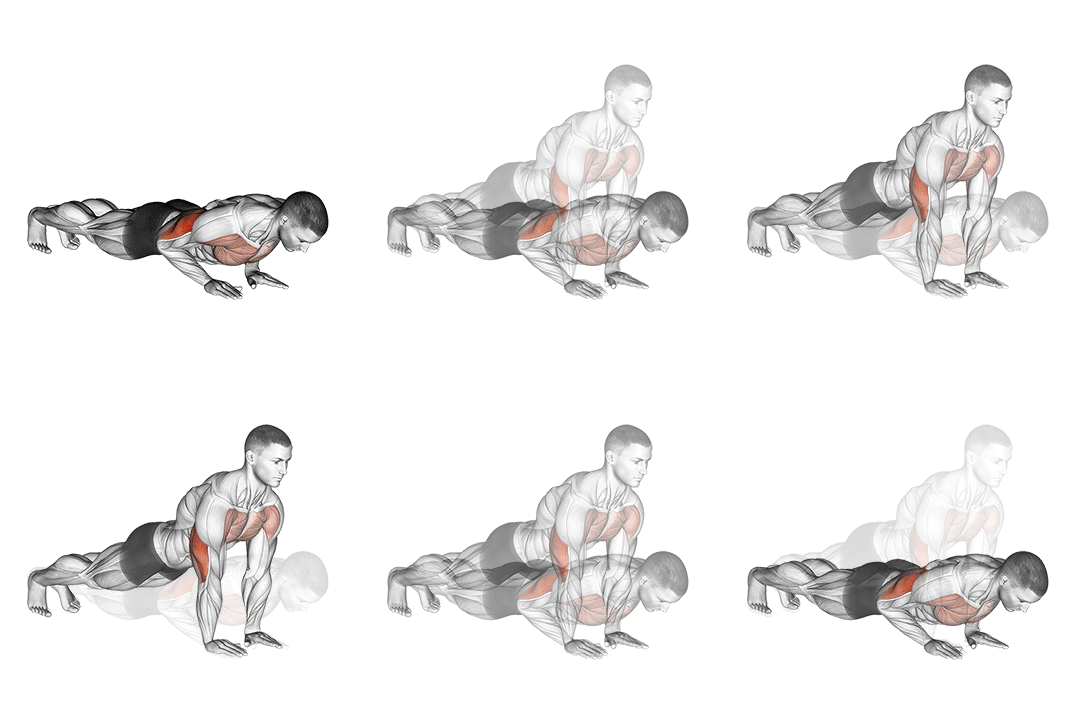
Visual Comparison
Overview
Bench Dip (knees Bent) vs Bodyweight Kneeling Triceps Extension — you’ve picked two solid bodyweight triceps tools. I’ll show you how each loads the triceps, what secondary muscles pick up the slack, which stresses your shoulders and elbows more, and clear technique cues so you can test them safely. You’ll get rep ranges (8–20 for hypertrophy, 4–6 when adding load for strength), progression ideas, and decisive recommendations so you can pick the right move for your goals and equipment.
Key Differences
- Bench Dip (knees Bent) is a compound movement, while Bodyweight Kneeling Triceps Extension is an isolation exercise.
- Both exercises target the Triceps using Body-weight. The main differences are in their movement patterns and muscle activation angles.
Pros & Cons
Bench Dip (knees Bent)
+ Pros
- Compound pattern that hits triceps, chest, and shoulders for efficient upper-body work
- Easy to scale by elevating feet or adding external load
- Builds pressing strength and can improve transfer to parallel-bar dips
- Uses common gym or home equipment (bench or chair)
− Cons
- Higher anterior shoulder stress if performed with deep range or flared elbows
- Cross-talk from chest and delts can limit pure triceps overload
- Form breakdown (shoulder slump, elbow flare) reduces effectiveness and increases injury risk
Bodyweight Kneeling Triceps Extension
+ Pros
- Very effective single-joint triceps isolation with a clear elbow-extension vector
- Low shoulder involvement, better for those with anterior shoulder issues
- Simple setup—can be done at home without furniture
- Easy to control tempo and peak contraction for hypertrophy (slow eccentrics, 1–2s pause)
− Cons
- Limited maximal loading without bands or weights, so strength ceiling is lower for pure bodyweight
- Can overstress elbow tendons if you lock out aggressively or use poor alignment
- Requires strict upper-arm stabilization to avoid cheating with shoulder motion
When Each Exercise Wins
Bench dips let you accumulate more total work by involving chest and shoulders and by adding load (elevated feet or weights). That multi-joint loading increases total mechanical tension and work per set, which drives greater muscle growth when you progress properly.
Because you can more easily add significant external load and increase range of motion, bench dips allow heavier absolute loads and thus better transfer to pushing strength. Kneeling extensions are useful for triceps-specific strength but hit a ceiling without added resistance.
Kneeling extensions isolate the elbow joint and teach you to produce clean elbow extension without demanding scapular control or heavy shoulder involvement. That simplicity makes them easier to learn and safer while you build baseline strength.
You need minimal space and no bench to perform kneeling extensions. For home setups with limited equipment this exercise delivers focused triceps stimulation with very low setup cost.
Frequently Asked Questions
Can I do both Bench Dip (knees Bent) and Bodyweight Kneeling Triceps Extension in the same workout?
Yes. Pair them by starting with bench dips for compound overload (3–5 sets of 6–12) and finish with kneeling extensions as a focused finisher (2–4 sets of 10–20). Sequence compound first to use maximal strength, then isolate to increase time under tension without fatiguing stabilizers early.
Which exercise is better for beginners?
Bodyweight Kneeling Triceps Extension is better for most beginners because it isolates elbow extension and is easier to learn and control. Once you establish triceps strength and scapular stability, introduce bench dips gradually to build compound pressing strength.
How do the muscle activation patterns differ?
Bench dips blend elbow and shoulder moments, so triceps, pecs and anterior delts share the load; peak triceps activity occurs mid-range while chest activation rises as the shoulder horizontally adducts. Kneeling extensions concentrate the moment at the elbow, producing a sharper triceps peak at terminal extension with far less chest/delt contribution.
Can Bodyweight Kneeling Triceps Extension replace Bench Dip (knees Bent)?
If your priority is pure triceps development or you have shoulder limitations, kneeling extensions can replace bench dips effectively. If you want compound overload, higher absolute loading potential, and pressing transfer, keep bench dips in your program and use kneeling extensions as an accessory.
Expert Verdict
Use Bench Dip (knees Bent) when you want higher total upper-body workload, easy progressive overload, and carryover to pressing strength. Keep elbows tracking close to the body, stop around 90 degrees of elbow flexion if you have shoulder pain, and ramp load gradually. Choose Bodyweight Kneeling Triceps Extension when your goal is triceps isolation, lower shoulder stress, or convenient home training—play with body angle and tempo to increase tension and aim for 8–20 reps for hypertrophy. For balanced development, alternate phases: a 4–8 week block focusing on bench dips for strength, then a block of kneeling extensions to refine triceps shape and tendon resilience.
Also Compare
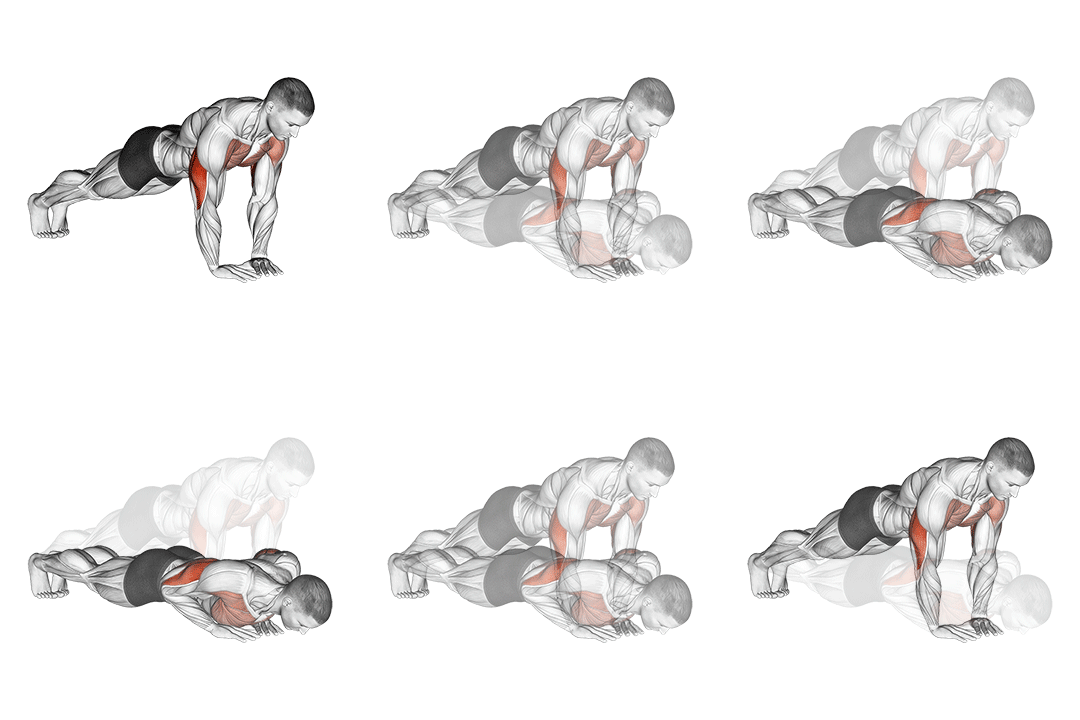
More comparisons with Bench Dip (knees Bent)
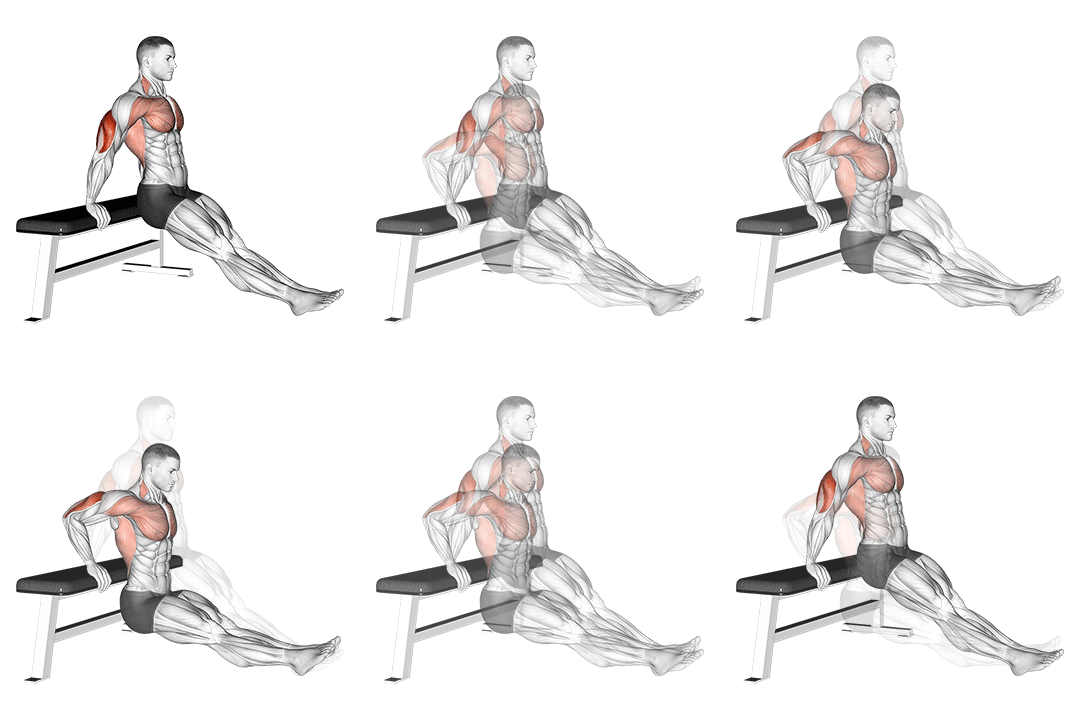
More comparisons with Bodyweight Kneeling Triceps Extension
Compare More Exercises
Use our free comparison tool to analyze any two exercises head-to-head.
Compare Exercises