

Bench Dip On Floor vs Body-up: Complete Comparison Guide
Bench Dip On Floor vs Body-up — if you want stronger, thicker triceps you need to pick the right dip. I’ll walk you through how each movement loads the triceps, how the chest and shoulders join the lift, which movement patterns create more joint stress, and practical technique cues so you can use each safely. Expect clear recommendations for hypertrophy, strength, beginners, and home workouts plus rep ranges, angles, and simple progressions you can apply today.
Exercise Comparison
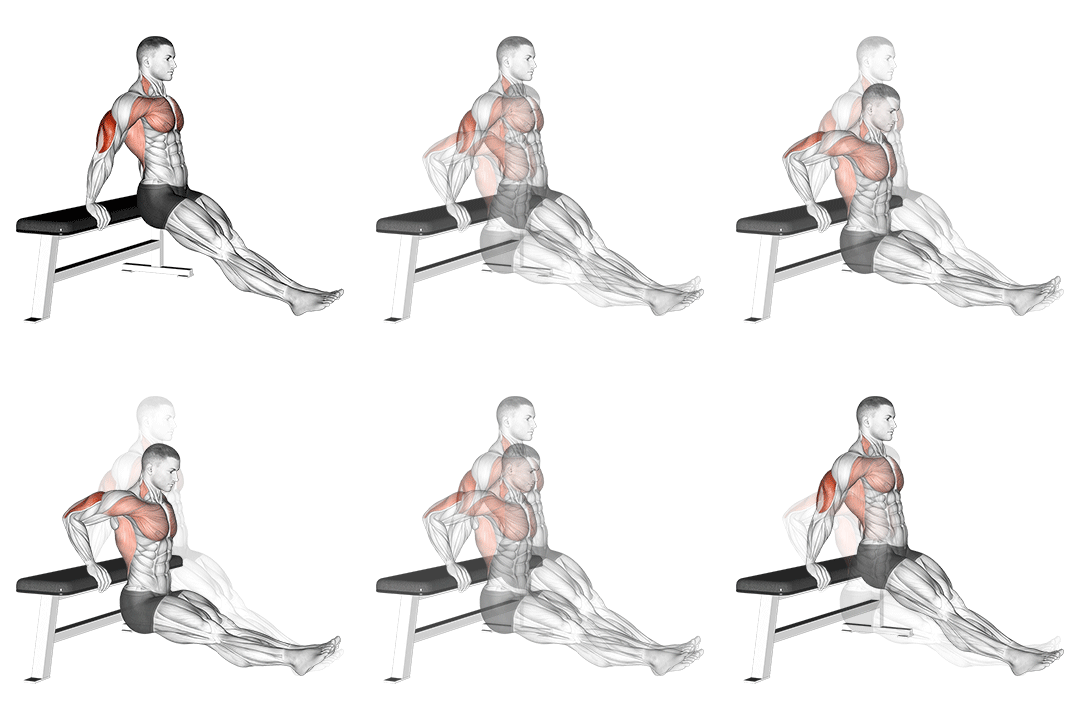
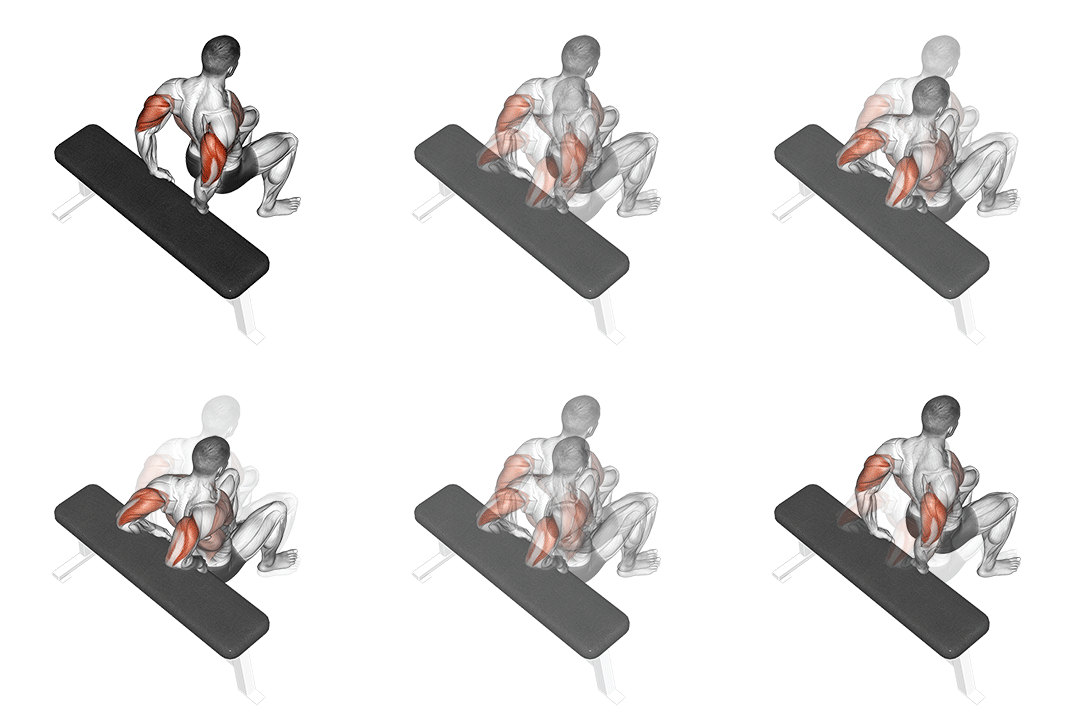
Bench Dip On Floor
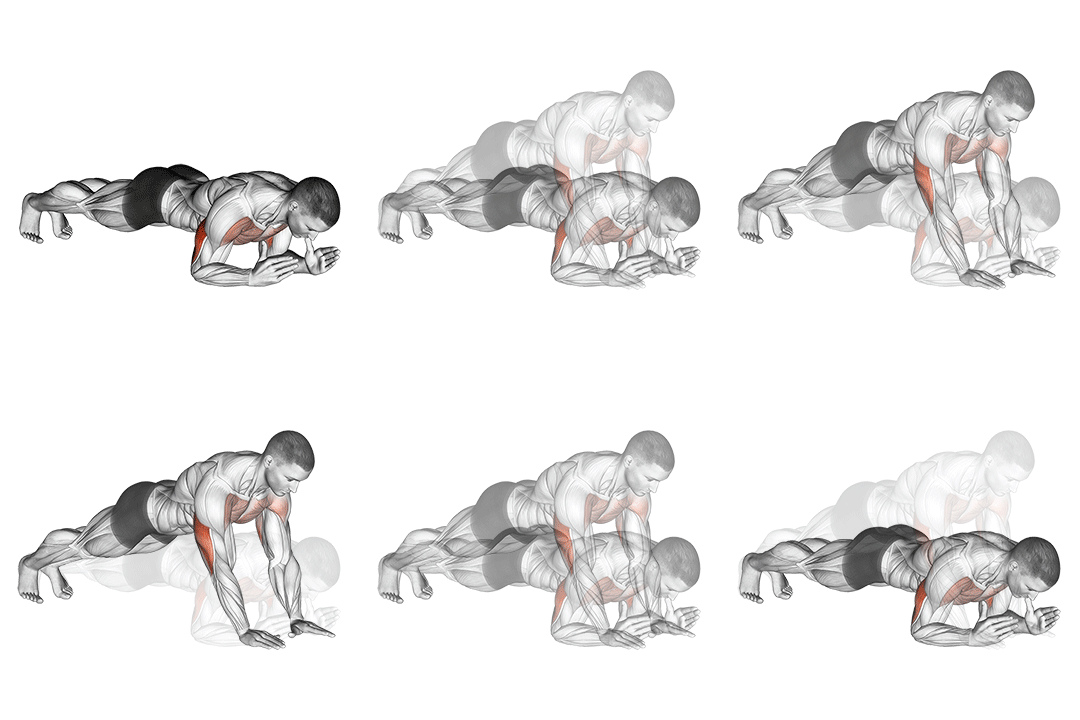
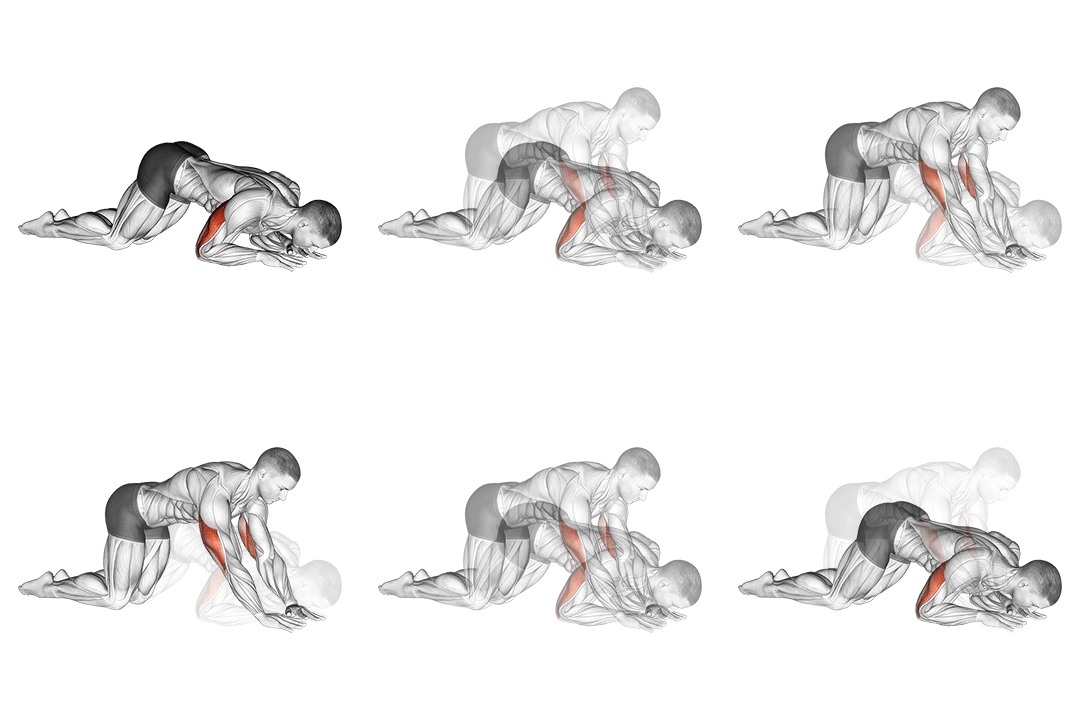
Body-up
Head-to-Head Comparison
| Attribute | Bench Dip On Floor | Body-up |
|---|---|---|
| Target Muscle |
Triceps
|
Triceps
|
| Body Part |
Upper-arms
|
Upper-arms
|
| Equipment |
Body-weight
|
Body-weight
|
| Difficulty |
Intermediate
|
Intermediate
|
| Movement Type |
Compound
|
Compound
|
| Secondary Muscles |
2
|
2
|
Secondary Muscles Activated
Bench Dip On Floor
Body-up
Visual Comparison
Overview
Bench Dip On Floor vs Body-up — if you want stronger, thicker triceps you need to pick the right dip. I’ll walk you through how each movement loads the triceps, how the chest and shoulders join the lift, which movement patterns create more joint stress, and practical technique cues so you can use each safely. Expect clear recommendations for hypertrophy, strength, beginners, and home workouts plus rep ranges, angles, and simple progressions you can apply today.
Key Differences
- Both exercises target the Triceps using Body-weight. The main differences are in their movement patterns and muscle activation angles.
Pros & Cons
Bench Dip On Floor
+ Pros
- Very accessible—needs only a bench or chair
- Easy to modify ROM and intensity with foot placement
- Good for higher-rep hypertrophy ranges (8–15 reps)
- Simple setup for circuit or superset work
− Cons
- Places extra shear on the anterior shoulder and can irritate the capsule
- Limited progression ceiling compared to weighted dips
- Shorter triceps ROM reduces peak mechanical tension
Body-up
+ Pros
- Higher triceps mechanical tension—better for strength and heavy work
- Large ROM increases time under tension for hypertrophy (6–12 reps)
- Easy to progressively overload with added weight or tempo
- Engages core and scapular stabilizers more effectively
− Cons
- Requires bars or rings—less accessible at home without equipment
- Higher absolute joint loading can be taxing for novices
- Technical demand for scapular control and shoulder mobility
When Each Exercise Wins
Body-up typically produces greater time under tension and a larger elbow ROM (bottom elbow flexion ~80–100°), increasing mechanical tension on the triceps. You can also progressively overload with added weight or slow eccentrics to reach 6–12 rep ranges that favor hypertrophy.
Because Body-up allows heavy overload (weighted dips) and a longer torque curve across the elbow, it’s superior for building raw pressing strength. Train 3–6 sets of 3–6 reps with added weight or paused bottoms to build maximal force.
Bench Dip On Floor is easier to learn and safer to scale down—reduce range by raising foot position or doing partial ROM. For beginners focus on 2–3 sets of 8–15 reps while practicing shoulder stability before progressing to Body-up.
Most people have a chair or bench at home, so bench dips let you train triceps effectively without buying equipment. Use tempo control and higher reps (10–15) to increase stimulus when you can’t add weight.
Frequently Asked Questions
Can I do both Bench Dip On Floor and Body-up in the same workout?
Yes. Pair Body-up as your heavy compound (3–6 sets of 3–8 reps) and follow with Bench Dip On Floor as a volume finisher (2–4 sets of 8–15 reps). Use Body-up first to capitalize on fresh strength and bench dips to add metabolic stress without maximal joint loads.
Which exercise is better for beginners?
Bench Dip On Floor is better for beginners because it’s easier to control ROM and intensity and can be regressed by changing foot position. Begin with controlled tempo, focus on scapular stability, then introduce assisted Body-up variations with bands when ready.
How do the muscle activation patterns differ?
Bench dips concentrate tension mid-range and shift more load to the pecs and anterior deltoids due to a more horizontal force vector and shoulder extension. Body-up recruits the triceps across a larger ROM and higher mechanical load, increasing recruitment of both long and lateral triceps heads through the lift.
Can Body-up replace Bench Dip On Floor?
Yes, Body-up can replace bench dips if you have the equipment and shoulder mobility, because it provides greater triceps tension and progression options. Keep a bench dip alternative in your toolbox for home sessions, conditioning, or when you need to limit shoulder extension.
Expert Verdict
Choose Body-up when your goal is targeted triceps overload and measurable progression—its vertical force vector, larger ROM, and ability to accept external load make it the stronger option for both hypertrophy and strength. Pick Bench Dip On Floor when you need an accessible, low-setup option for higher-rep finishing work or when you’re building shoulder stability; keep ROM conservative and emphasize scapular depression to protect the anterior shoulder. If you train both, use bench dips for volume and conditioning, and reserve Body-up for heavy, low-rep sessions or focused triceps development.
Also Compare
More comparisons with Bench Dip On Floor
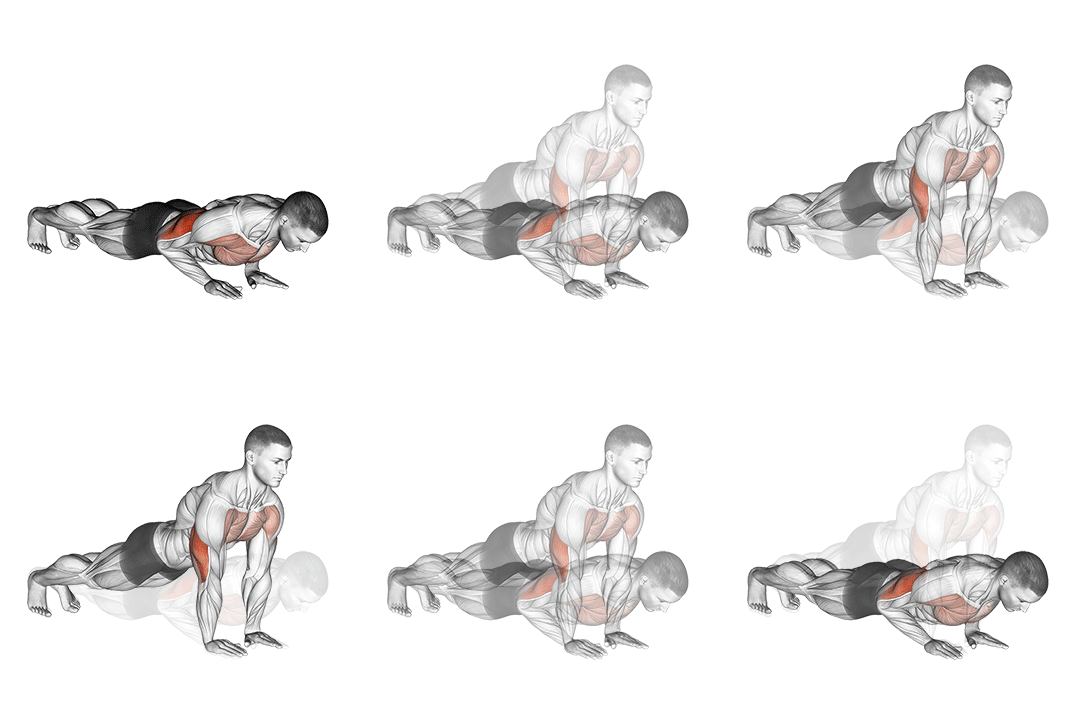
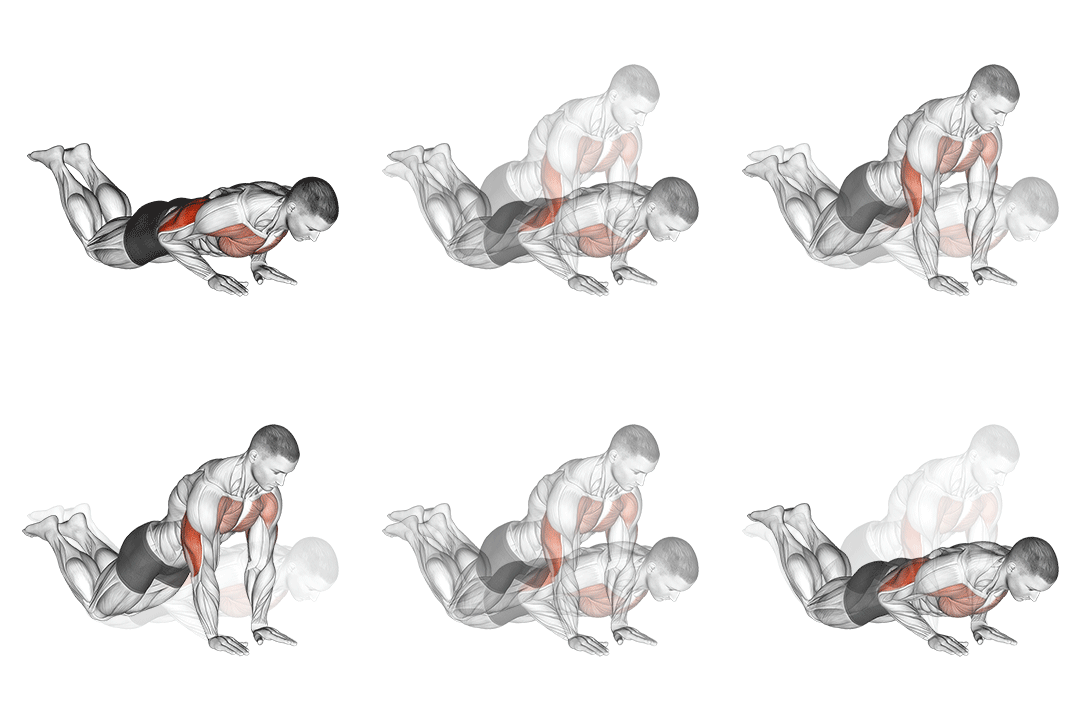
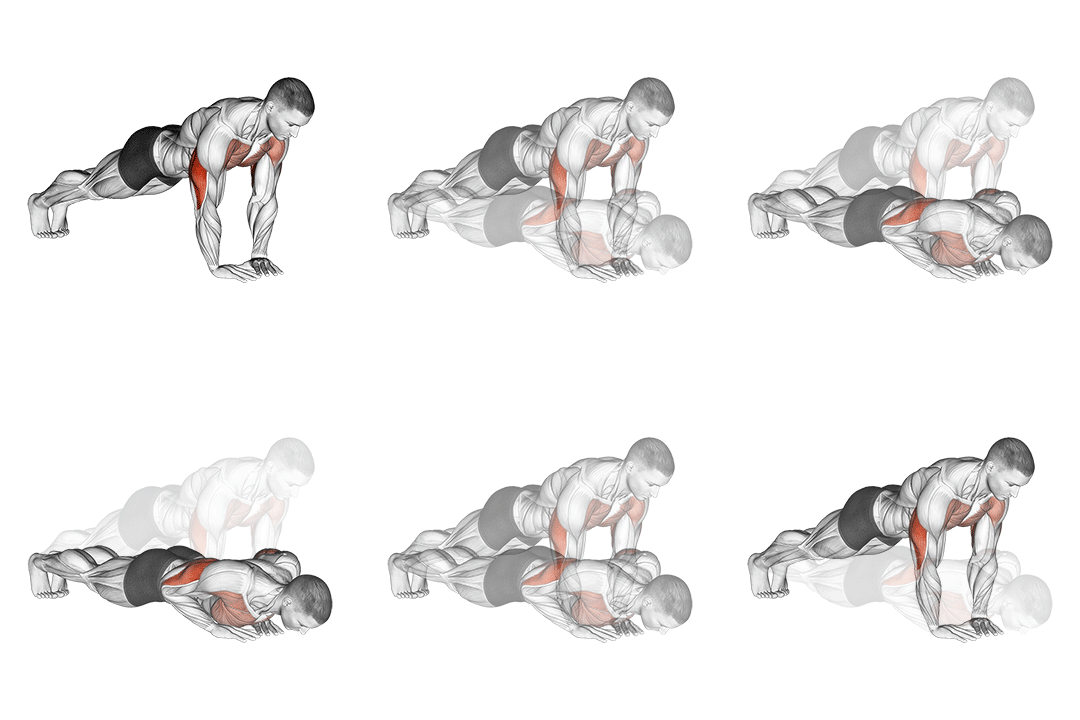
Compare More Exercises
Use our free comparison tool to analyze any two exercises head-to-head.
Compare Exercises