

Bench Dip On Floor vs Close-grip Push-up: Complete Comparison Guide
Bench Dip On Floor vs Close-grip Push-up — if you're deciding which triceps-focused press to use, this comparison lays it out for you. You'll get straight answers on which movement stresses the triceps more, how the chest and shoulders share the load, technique cues, injury considerations, and practical progressions. I’ll compare biomechanics (length-tension and force vectors), show the rep ranges that work best for muscle growth and strength, and give clear recommendations so you can pick the drill that matches your goals and equipment.
Exercise Comparison
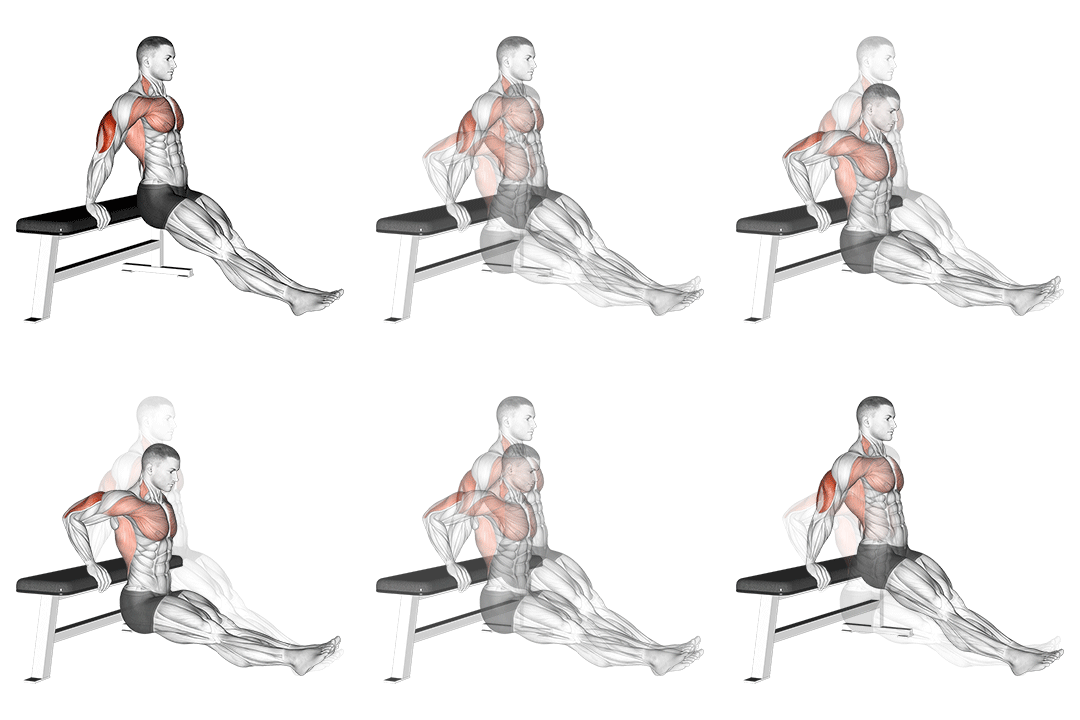
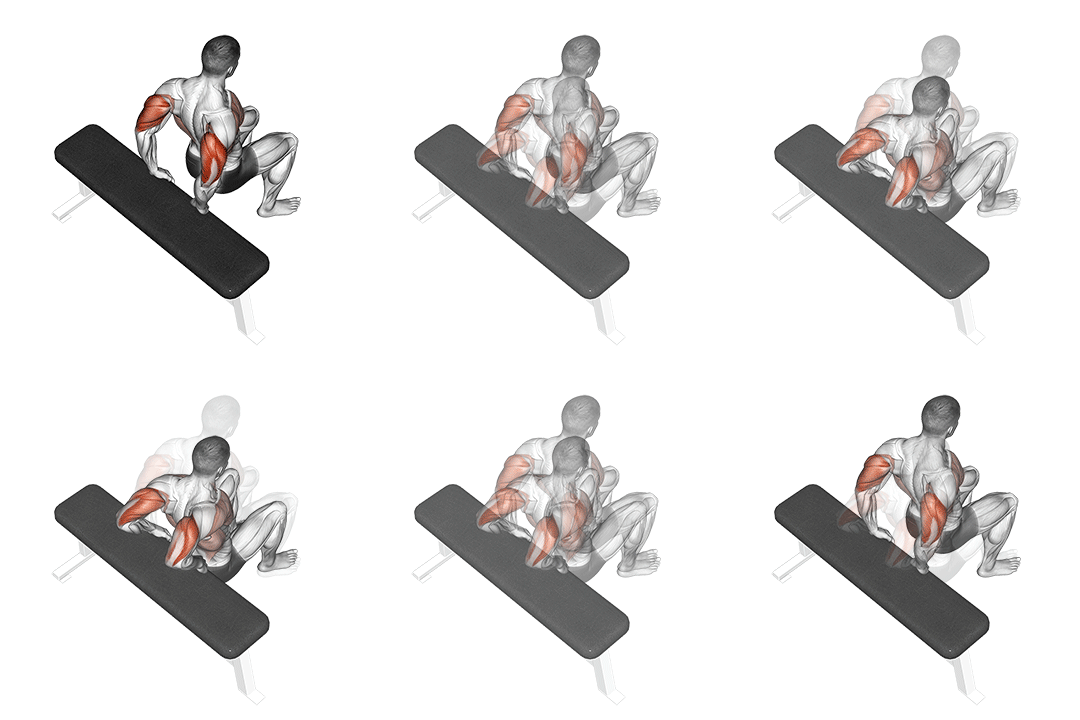
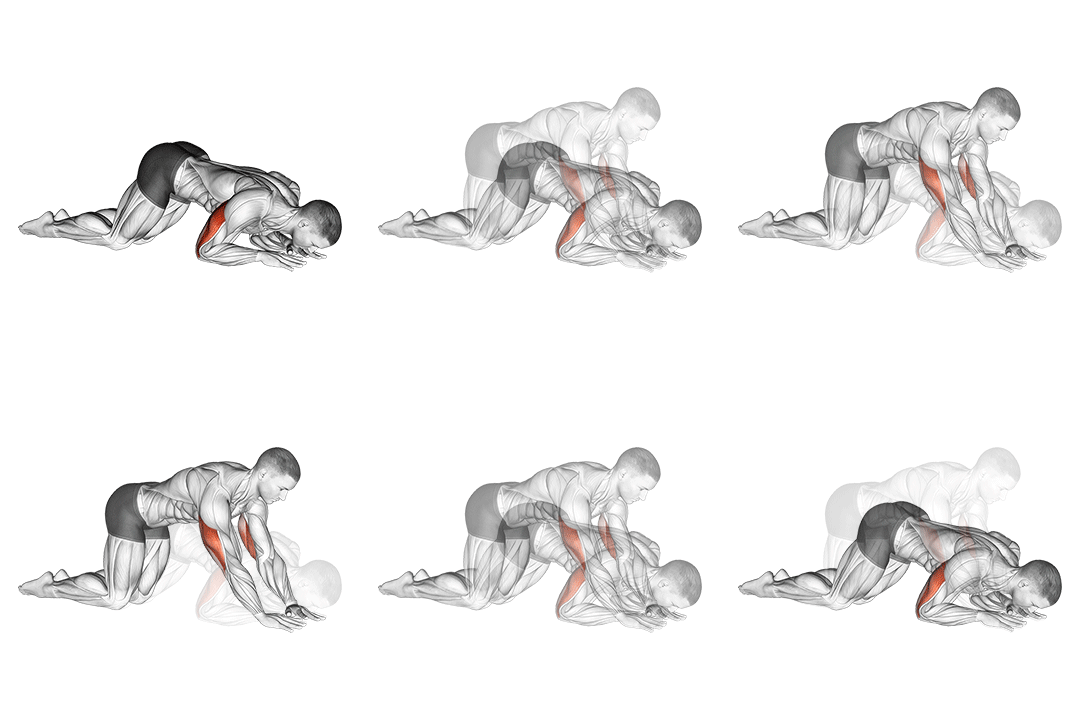
Bench Dip On Floor
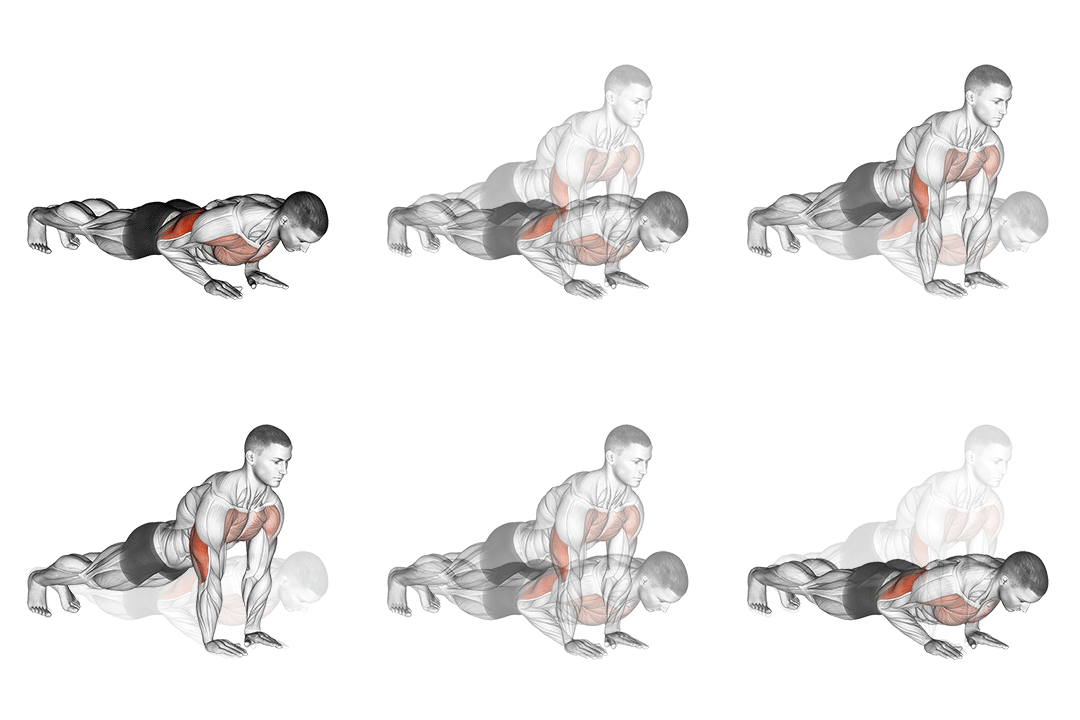
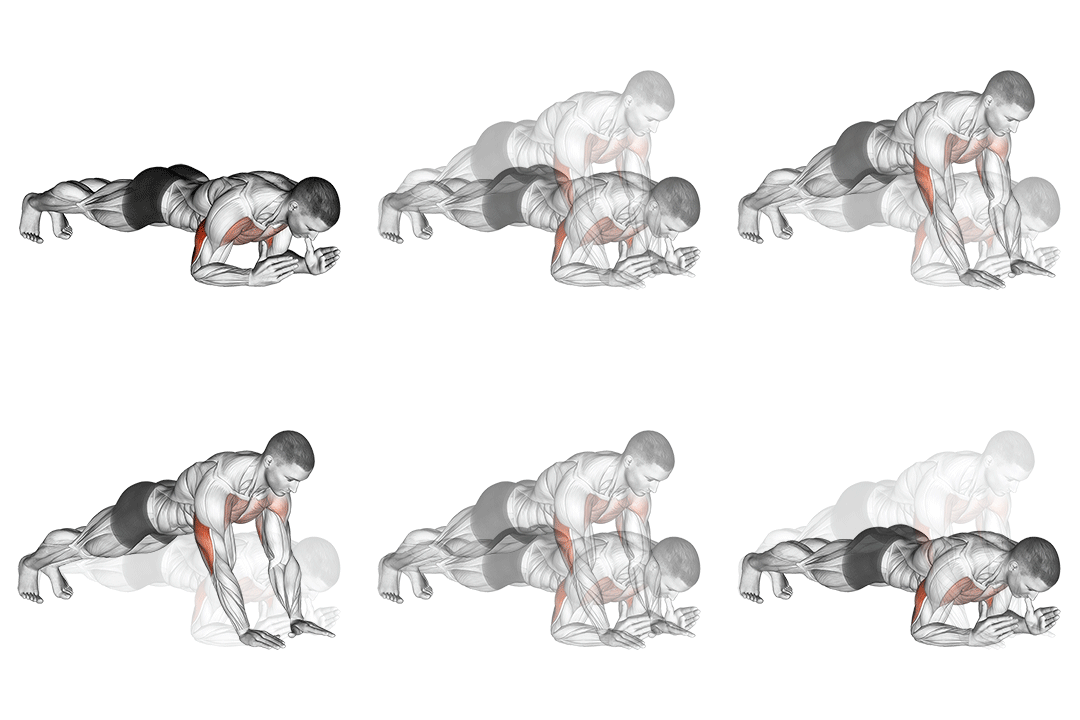
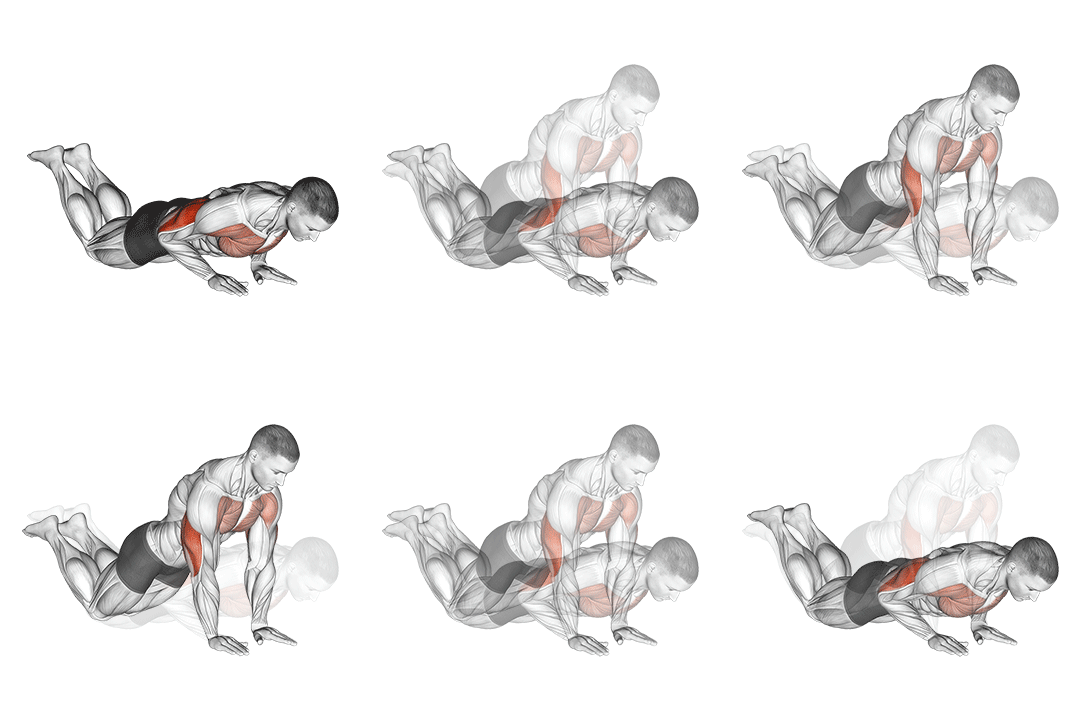
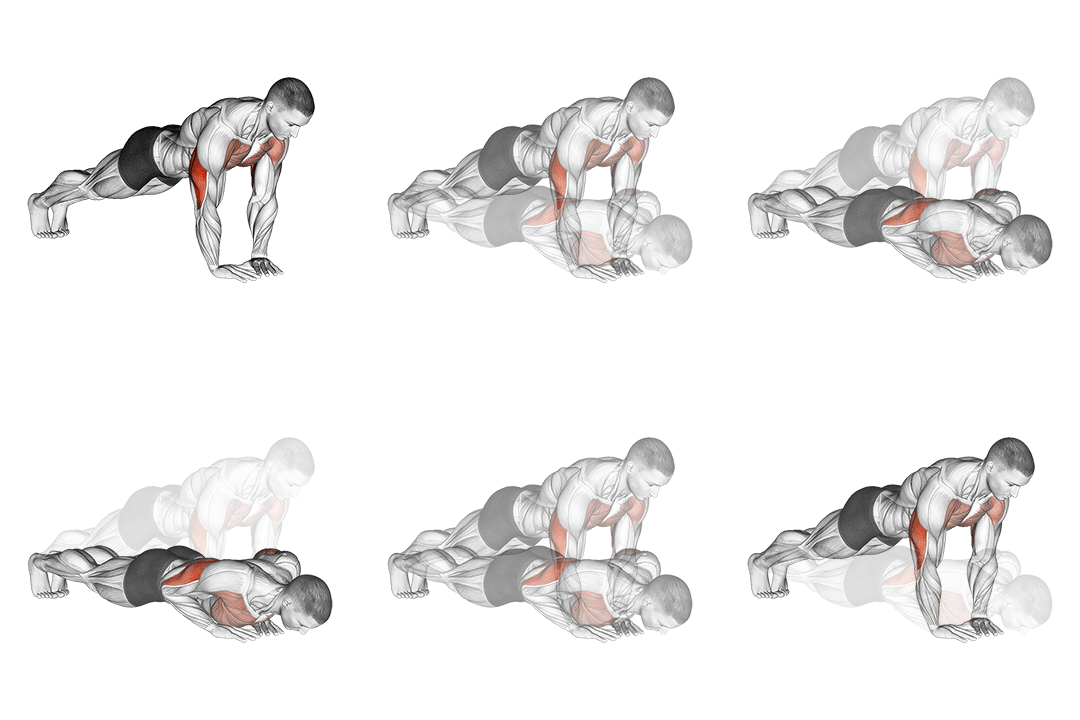
Close-grip Push-up
Head-to-Head Comparison
| Attribute | Bench Dip On Floor | Close-grip Push-up |
|---|---|---|
| Target Muscle |
Triceps
|
Triceps
|
| Body Part |
Upper-arms
|
Upper-arms
|
| Equipment |
Body-weight
|
Body-weight
|
| Difficulty |
Intermediate
|
Intermediate
|
| Movement Type |
Compound
|
Compound
|
| Secondary Muscles |
2
|
2
|
Secondary Muscles Activated
Bench Dip On Floor
Close-grip Push-up
Visual Comparison
Overview
Bench Dip On Floor vs Close-grip Push-up — if you're deciding which triceps-focused press to use, this comparison lays it out for you. You'll get straight answers on which movement stresses the triceps more, how the chest and shoulders share the load, technique cues, injury considerations, and practical progressions. I’ll compare biomechanics (length-tension and force vectors), show the rep ranges that work best for muscle growth and strength, and give clear recommendations so you can pick the drill that matches your goals and equipment.
Key Differences
- Both exercises target the Triceps using Body-weight. The main differences are in their movement patterns and muscle activation angles.
Pros & Cons
Bench Dip On Floor
+ Pros
- Stronger stretch on the triceps long head due to shoulder extension
- Simple setup—only a floor required
- Great for emphasizing elbow extension force and close-range overload
- Can build strong mind-muscle connection for the triceps
− Cons
- Higher anterior shoulder stress if performed with excessive range
- Limited easy-loading options compared with push-up variations
- Technique demands scapular control and shoulder mobility
Close-grip Push-up
+ Pros
- Highly modifiable for load and difficulty (knees, incline, bands, weighted)
- Lower shoulder injury risk when performed with neutral scapula and proper elbow tuck
- Better for progressive overload and strength programming
- Requires minimal setup and is easy to program into circuits
− Cons
- Less stretch on triceps long head compared with dips
- Can shift load to the chest if hands are too wide or elbows flare
- Wrist discomfort for some lifters without modifications
When Each Exercise Wins
The greater shoulder extension in the dip lengthens the triceps long head and increases mechanical tension at end range, which supports hypertrophy when performed in 6–12 rep sets with controlled tempo and a 1–2 second eccentric.
Close-grip Push-up is easier to progressively overload via decline, bands, or weight vests and maintains safer shoulder mechanics, making it superior for steadily increasing maximal pressing strength in 4–8 rep ranges.
A plank-based push-up enforces full-body tension and simpler scapular mechanics; you can scale it from knees to incline variations, which reduces technical barriers and injury risk for newcomers.
Close-grip Push-up requires zero equipment and is easier to adjust on the fly, fitting small spaces and mixed modal home routines while still allowing progressive overload.
Frequently Asked Questions
Can I do both Bench Dip On Floor and Close-grip Push-up in the same workout?
Yes. Pairing them back-to-back can target the triceps from different length-tension positions — do the dip first for mechanical stretch then follow with close-grip push-ups for fatigue-resistant strength work. Keep volume sensible (total 10–20 hard sets) and watch shoulder fatigue.
Which exercise is better for beginners?
Close-grip Push-up is better for beginners because it enforces full-body tension and is easily regressible (knees, incline). It reduces anterior shoulder shear and allows progressive overload without complex mobility demands.
How do the muscle activation patterns differ?
Bench Dip On Floor increases long-head triceps activation due to greater shoulder extension and a larger elbow moment arm, often showing higher triceps EMG in end-range. Close-grip Push-up keeps the shoulder more neutral with a horizontal force vector, raising sternal pec and anterior deltoid contribution while the triceps work through mid-range.
Can Close-grip Push-up replace Bench Dip On Floor?
Yes, for most programming needs close-grip push-ups can replace dips because they're safer and easier to progress. If your goal is maximum long-head triceps stretch and you have healthy shoulders, add dips selectively rather than replace push-ups entirely.
Expert Verdict
Use Bench Dip On Floor when your priority is targeted triceps development and you have healthy shoulders and good scapular control; aim for 6–12 reps with a controlled 2–3 second eccentric to exploit length-tension benefits. Choose Close-grip Push-up for programmable strength work, safer shoulder mechanics, and superior progression options — work in 4–8 reps for strength or 8–15 for hypertrophy with tempo and band/weight adjustments. If you have shoulder pain or limited mobility, favor close-grip push-ups and regress with incline or knees while building stability before adding dips.
Also Compare
More comparisons with Bench Dip On Floor
Compare More Exercises
Use our free comparison tool to analyze any two exercises head-to-head.
Compare Exercises