

Bench Dip On Floor vs Close-grip Push-up (on Knees): Complete Comparison Guide
Bench Dip On Floor vs Close-grip Push-up (on Knees) — you're choosing between two bodyweight triceps builders. I’ll walk you through how each loads the triceps, how the chest and shoulders contribute, equipment and skill demands, injury risks, and which to pick for hypertrophy, strength, beginners, or home workouts. Read on for specific technique cues (elbow position, torso angle, rep ranges), biomechanical reasons (length-tension and force vectors), and clear recommendations so you can pick the right move for your goals.
Exercise Comparison
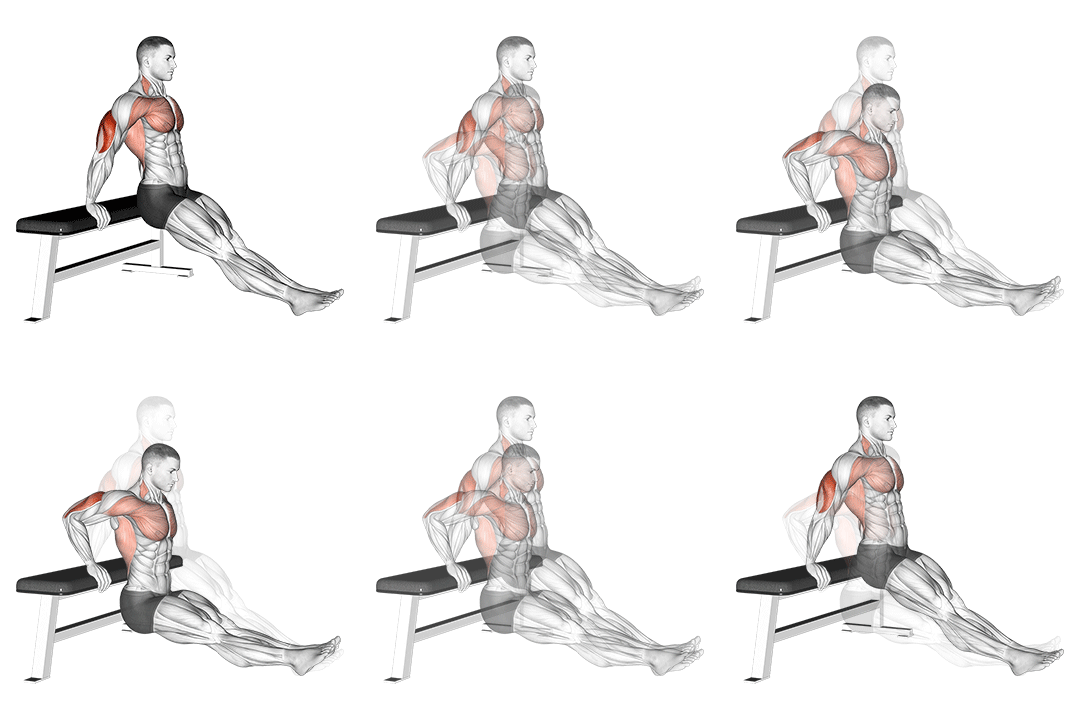
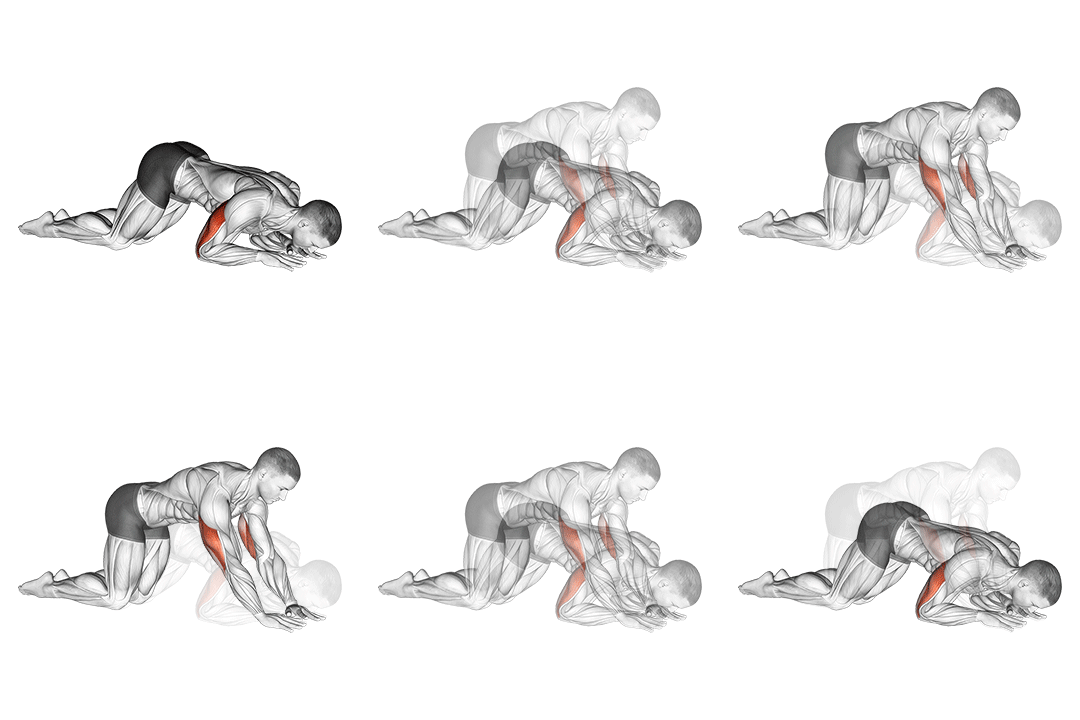
Bench Dip On Floor
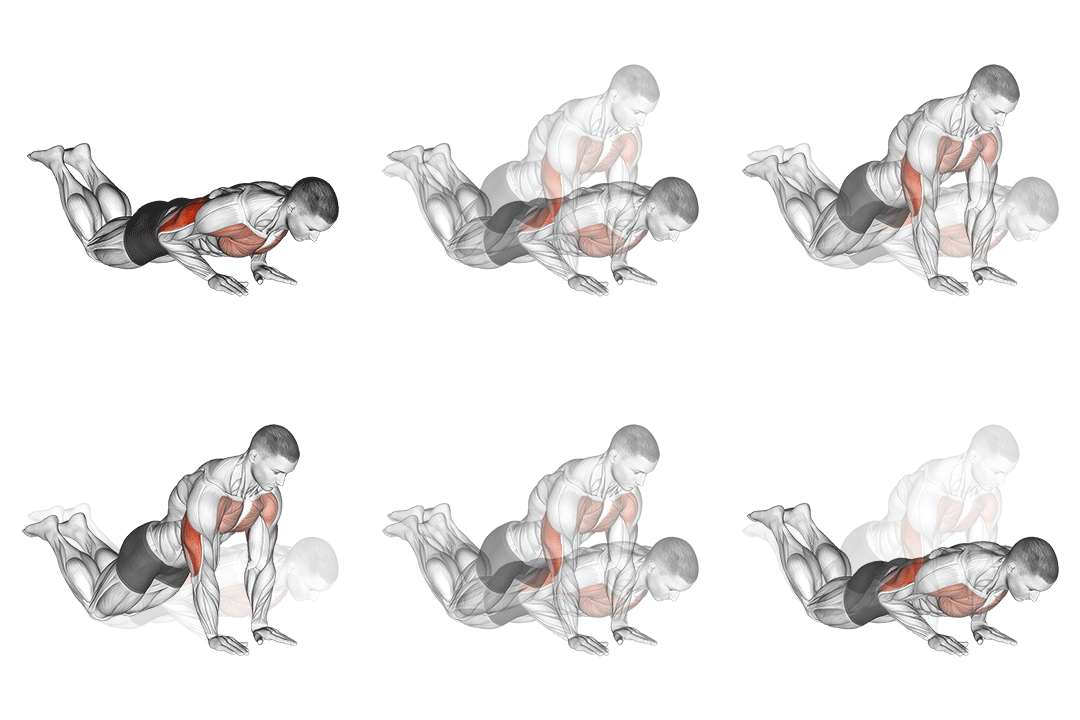
Close-grip Push-up (on Knees)
Head-to-Head Comparison
| Attribute | Bench Dip On Floor | Close-grip Push-up (on Knees) |
|---|---|---|
| Target Muscle |
Triceps
|
Triceps
|
| Body Part |
Upper-arms
|
Upper-arms
|
| Equipment |
Body-weight
|
Body-weight
|
| Difficulty |
Intermediate
|
Beginner
|
| Movement Type |
Compound
|
Compound
|
| Secondary Muscles |
2
|
2
|
Secondary Muscles Activated
Bench Dip On Floor
Close-grip Push-up (on Knees)
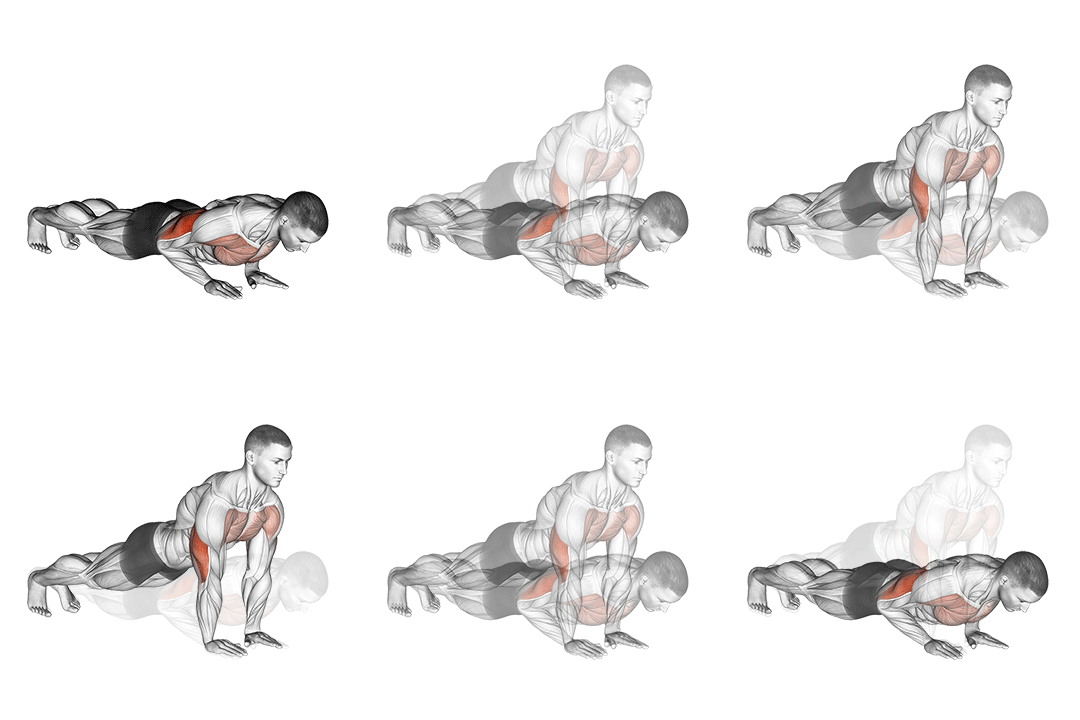
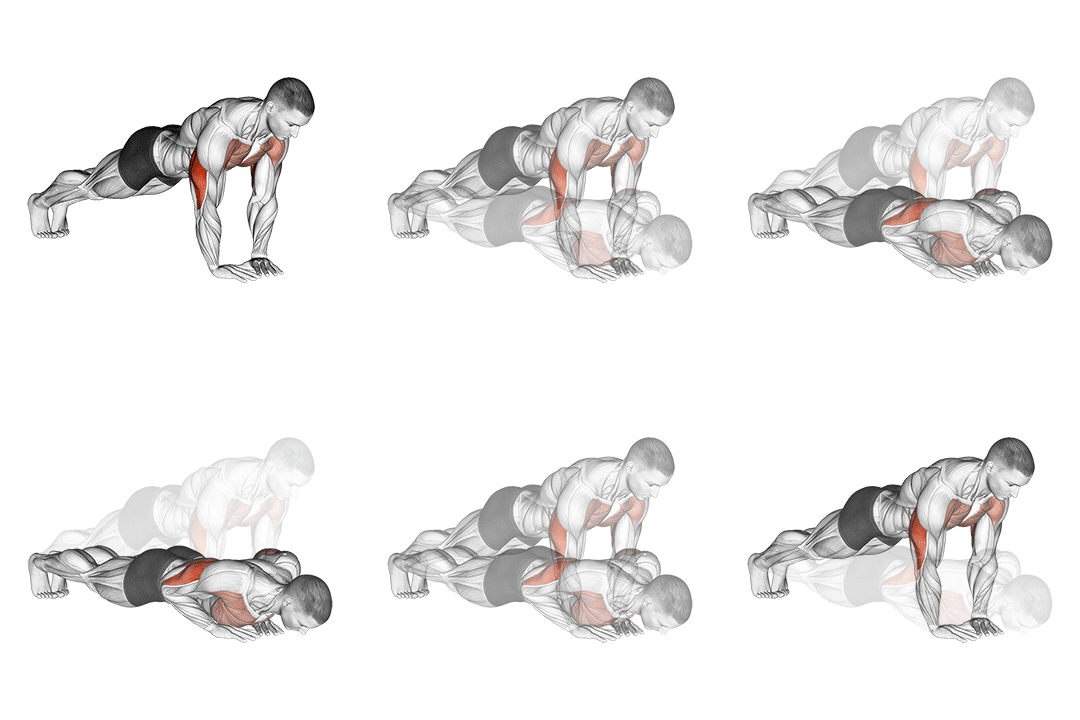
Visual Comparison
Overview
Bench Dip On Floor vs Close-grip Push-up (on Knees) — you're choosing between two bodyweight triceps builders. I’ll walk you through how each loads the triceps, how the chest and shoulders contribute, equipment and skill demands, injury risks, and which to pick for hypertrophy, strength, beginners, or home workouts. Read on for specific technique cues (elbow position, torso angle, rep ranges), biomechanical reasons (length-tension and force vectors), and clear recommendations so you can pick the right move for your goals.
Key Differences
- Difficulty levels differ: Bench Dip On Floor is intermediate, while Close-grip Push-up (on Knees) is beginner.
- Both exercises target the Triceps using Body-weight. The main differences are in their movement patterns and muscle activation angles.
Pros & Cons
Bench Dip On Floor
+ Pros
- Higher potential for progressive overload by adjusting leg position or adding weight
- Greater stretch on the triceps long head for enhanced muscle tension
- Stronger carryover to vertical pressing and full dips
- Efficient compound stimulus for triceps, chest, and anterior delts
− Cons
- Greater anterior shoulder stress at end range
- Requires more baseline strength and shoulder mobility
- Harder to scale safely for true beginners
Close-grip Push-up (on Knees)
+ Pros
- Very accessible—no equipment and simple to learn
- Lower shoulder stress when performed with proper elbows-tucked cue
- Easy to accumulate volume and improve movement quality
- Smooth progression path from knees to full close-grip push-up
− Cons
- Limited maximal overload unless progressed to toes or weighted variants
- Shorter triceps stretch compared to dips, potentially less emphasis on long head
- Can encourage flared elbows or scapular collapse without cueing
When Each Exercise Wins
Bench Dip On Floor produces a greater stretch on the triceps long head and allows easier incremental overload (weighted packs or longer lever). Aim for 6–12 controlled reps with a 2–3 second eccentric to maximize mechanical tension and growth.
Because you can more readily increase external load or extend the lever arm, dips let you progressively overload the triceps and pressing pattern to build raw pushing strength. Train in lower rep ranges (4–8) with full, controlled range of motion.
Close-grip Push-up (on Knees) reduces the resistance and is easier to groove elbow tuck, scapular control, and wrist alignment. Start with 8–15 reps focusing on perfect form before advancing.
No equipment and minimal space required make the knee close-grip push-up ideal for home training. It lets you accumulate volume, dial in tempo, and progress to full push-ups without a bench or chair.
Frequently Asked Questions
Can I do both Bench Dip On Floor and Close-grip Push-up (on Knees) in the same workout?
Yes — pairing them works well. Use the close-grip knee push-up as a warm-up or activation set (2–3 sets of 8–12) and follow with 3–4 working sets of bench dips targeting 6–12 reps to focus on progressive overload.
Which exercise is better for beginners?
Close-grip Push-up (on Knees) is better for beginners because it decreases load and lets you perfect scapular mechanics and elbow tuck. Once you can perform 3 sets of 12 with strict form, progress toward dips or full push-ups.
How do the muscle activation patterns differ?
Dips place the triceps at a longer muscle length with more shoulder extension, increasing stretch and start-of-range activation. Knee close-grips use a more horizontal force vector, producing steady mid-to-peak triceps activation but less end-range stretch.
Can Close-grip Push-up (on Knees) replace Bench Dip On Floor?
Close-grip Push-up (on Knees) can substitute for dips when equipment or shoulder tolerance limits you, but it won’t match overload potential unless you progress to full or weighted variations. Choose the push-up for accessibility and the dip for maximal triceps stress.
Expert Verdict
If your priority is maximal triceps stimulus and you have healthy shoulders, Bench Dip On Floor is the more effective choice for hypertrophy and strength because it increases long-head stretch and allows practical overload. If you’re new to pressing, working around shoulder issues, or training at home with zero equipment, Close-grip Push-up (on Knees) is the safer, more accessible starter—build 3–4 sets of 8–15 reps with elbows ~45° and a 2–1 tempo. Use both in a program: start beginners on knee close-grips, then graduate to dips or weighted push-ups as control and shoulder tolerance improve.
Also Compare
More comparisons with Bench Dip On Floor
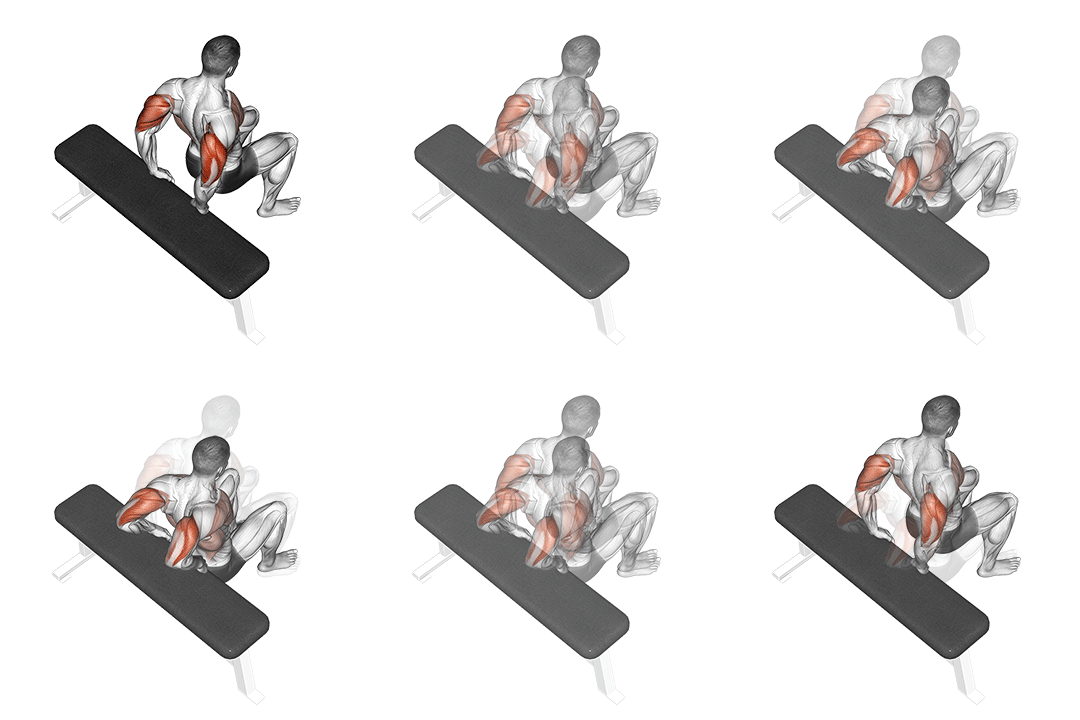
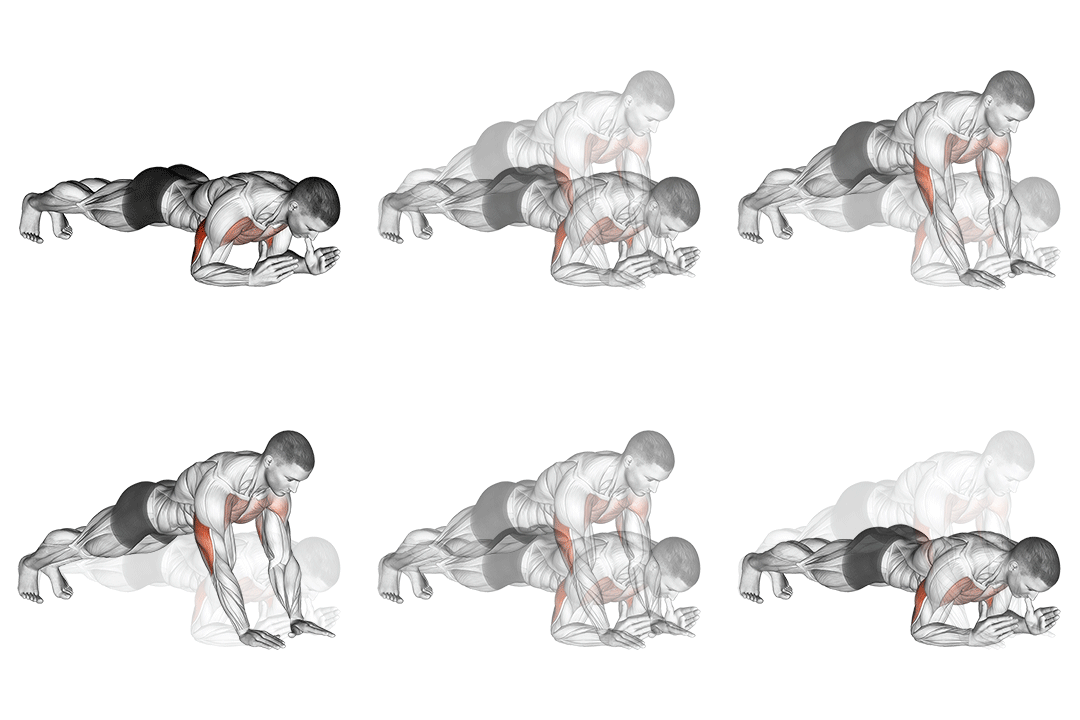
More comparisons with Close-grip Push-up (on Knees)
Compare More Exercises
Use our free comparison tool to analyze any two exercises head-to-head.
Compare Exercises