

Bench Dip On Floor vs Diamond Push-up: Complete Comparison Guide
Bench Dip On Floor vs Diamond Push-up — you’re comparing two triceps-dominant bodyweight presses that also tax the chest and shoulders. I’ll break down how each exercise loads the triceps (long, lateral, medial heads), their movement patterns, equipment needs, and who should use each one. You’ll get specific technique cues (hand spacing, elbow angle, torso position), rep ranges for hypertrophy and strength, progression ideas, and injury-risk considerations. Read on to decide which exercise matches your goals and how to program them for consistent muscle growth and strength.
Exercise Comparison
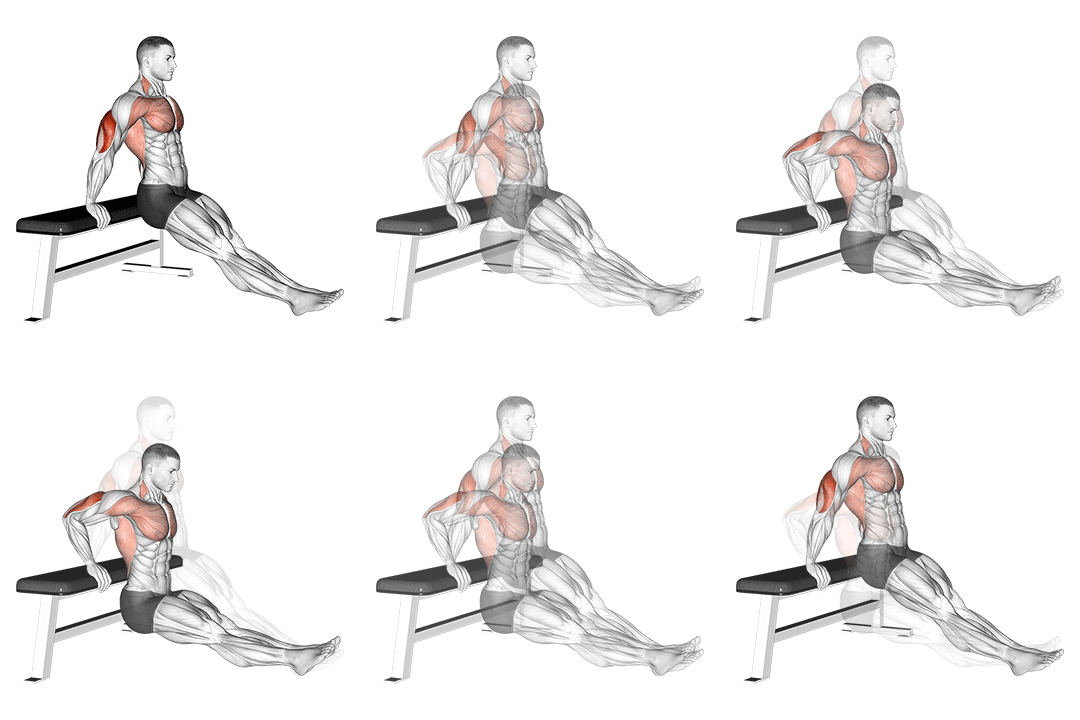
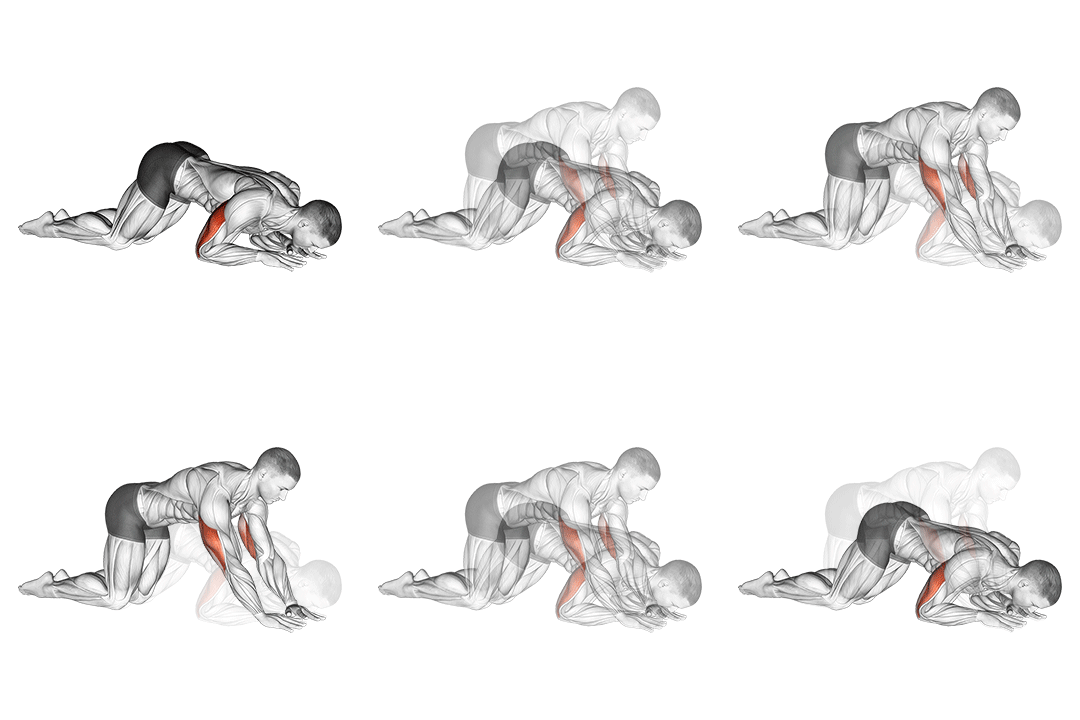
Bench Dip On Floor
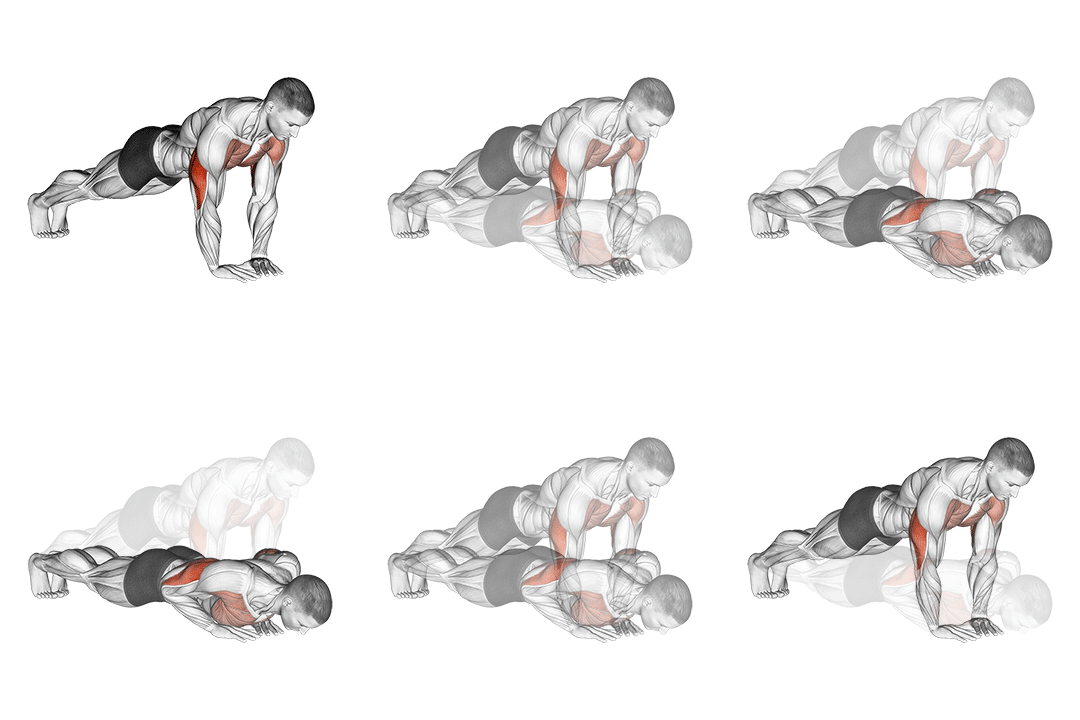
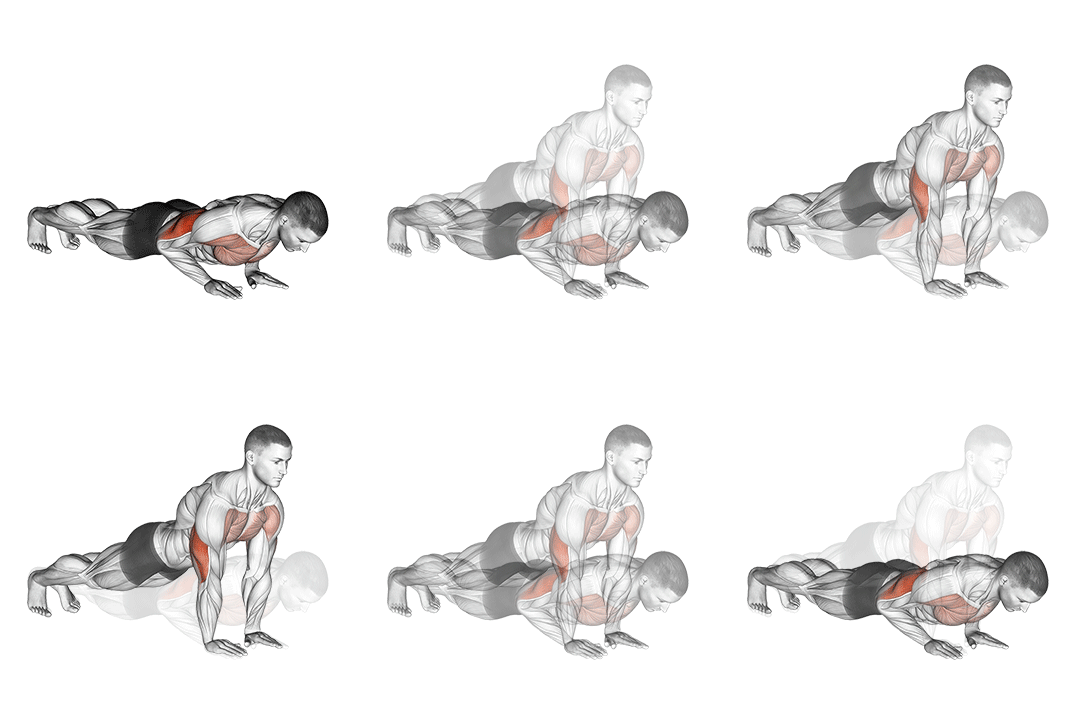
Diamond Push-up
Head-to-Head Comparison
| Attribute | Bench Dip On Floor | Diamond Push-up |
|---|---|---|
| Target Muscle |
Triceps
|
Triceps
|
| Body Part |
Upper-arms
|
Upper-arms
|
| Equipment |
Body-weight
|
Body-weight
|
| Difficulty |
Intermediate
|
Advanced
|
| Movement Type |
Compound
|
Compound
|
| Secondary Muscles |
2
|
2
|
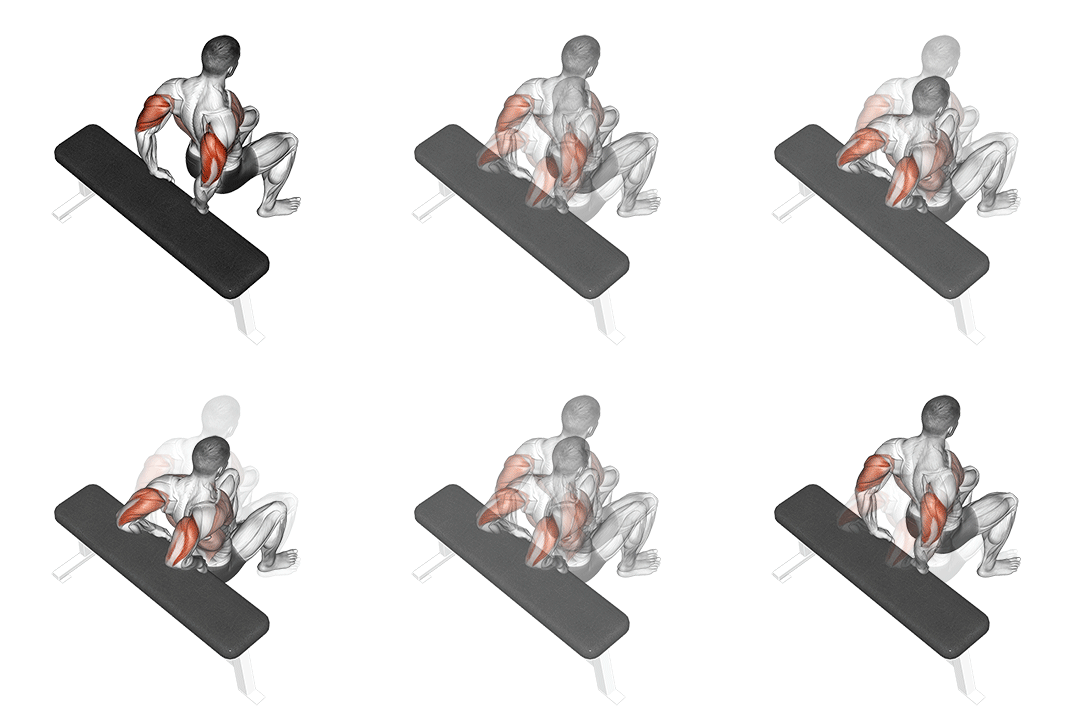
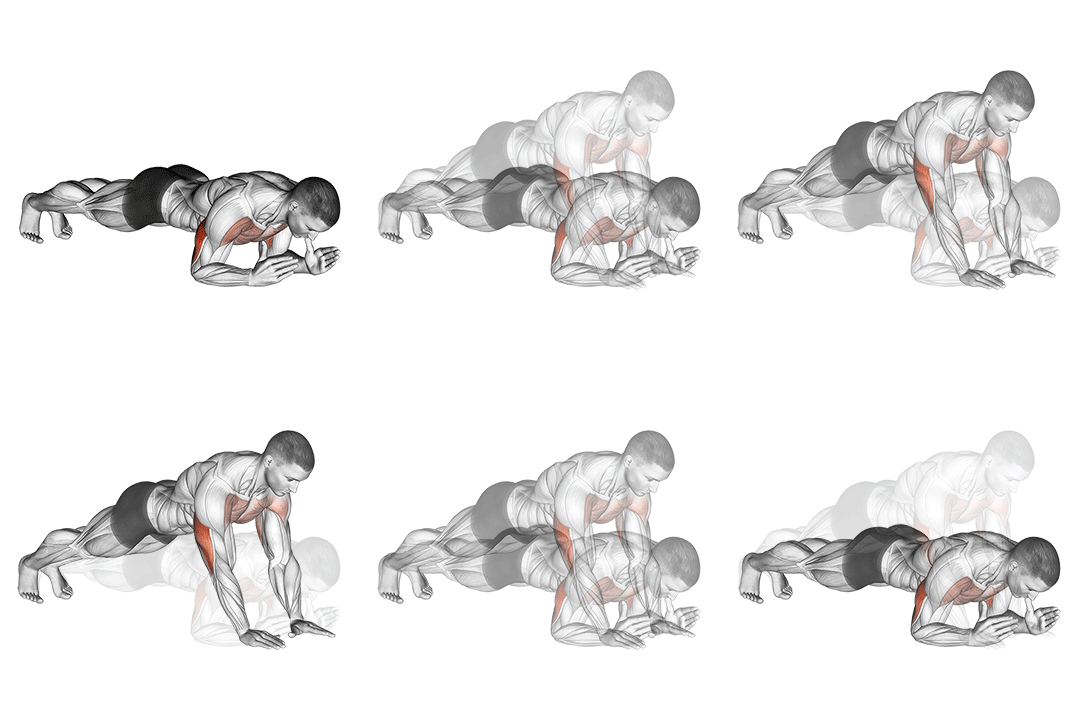
Secondary Muscles Activated
Bench Dip On Floor
Diamond Push-up
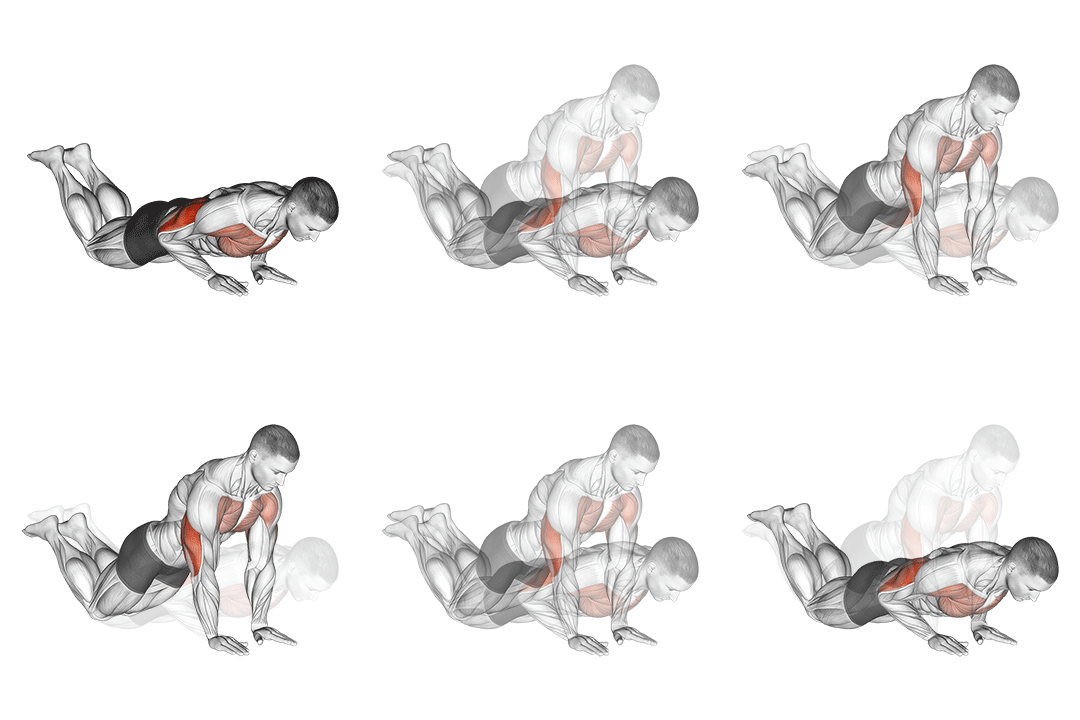
Visual Comparison
Overview
Bench Dip On Floor vs Diamond Push-up — you’re comparing two triceps-dominant bodyweight presses that also tax the chest and shoulders. I’ll break down how each exercise loads the triceps (long, lateral, medial heads), their movement patterns, equipment needs, and who should use each one. You’ll get specific technique cues (hand spacing, elbow angle, torso position), rep ranges for hypertrophy and strength, progression ideas, and injury-risk considerations. Read on to decide which exercise matches your goals and how to program them for consistent muscle growth and strength.
Key Differences
- Difficulty levels differ: Bench Dip On Floor is intermediate, while Diamond Push-up is advanced.
- Both exercises target the Triceps using Body-weight. The main differences are in their movement patterns and muscle activation angles.
Pros & Cons
Bench Dip On Floor
+ Pros
- Strong long-head triceps stretch and overload through shoulder extension
- Easy to regress or add external weight for progressive overload
- Minimal equipment — done anywhere on a floor
- Lower core demand lets you focus on elbow-extension strength
− Cons
- Higher risk of anterior shoulder strain if you drop too low or flare elbows
- Can place discomfort on wrists and hands when shoulders are stiff
- Less chest activation compared with horizontal push variations
Diamond Push-up
+ Pros
- High overall upper-body demand — triceps, chest, shoulders, core
- Greater horizontal force vector increases pec engagement
- No equipment and easily progressed with foot elevation or weight vests
- Improves scapular control and shoulder stability
− Cons
- Advanced technique — hard to perform for novices
- High compressive loading on wrists and elbows with narrow hand placement
- Limited easy ways to add small, measurable load increments
When Each Exercise Wins
Bench dips allow a larger, consistent stretch on the triceps long head and easier progressive overload (add 5–25 lb plates or tempo variations). Use 6–12 reps with slow eccentrics (3–4 sec) to maximize time under tension and hypertrophy.
Diamond push-ups produce higher mechanical demand per rep and require greater whole-body tension, which transfers to pressing strength. Progress with elevated feet and weighted vests and train in lower rep ranges (3–6) for max strength.
Bench dips are easier to regress (bend knees, limit ROM) and teach elbow-extension mechanics with less core and wrist strain, making them more approachable for novices building basic triceps strength.
Both require no equipment, but bench dips scale simply and comfortably in small spaces. You can add a backpack for progressive overload without buying a weight vest.
Frequently Asked Questions
Can I do both Bench Dip On Floor and Diamond Push-up in the same workout?
Yes. Pair them as a superset (bench dips then diamond push-ups) to pre-exhaust the triceps or alternate them across sessions. Keep total volume in the 12–20 hard sets per week for triceps and monitor shoulder fatigue.
Which exercise is better for beginners?
Bench Dip On Floor is better for beginners because it’s easier to regress (bent knees, reduced ROM) and teaches elbow-extension mechanics with less core and wrist demand. Progress to diamond push-ups once form and shoulder stability are solid.
How do the muscle activation patterns differ?
Bench dips load the triceps at a longer muscle length due to shoulder extension, biasing the long head during the stretch phase. Diamond push-ups shift force toward horizontal adduction, increasing pec activation while triceps work strongly mid-range during concentric pushes.
Can Diamond Push-up replace Bench Dip On Floor?
Diamond push-ups can replace bench dips for advancing overall pressing strength and scapular control, but they don’t replicate the same long-head stretch or the easy loading options of dips. Match the exercise to your goal: replace for strength, supplement for targeted triceps hypertrophy.
Expert Verdict
Choose bench dips when your priority is targeted triceps hypertrophy, easy scaling, and minimal core demand — program 3–4 sets of 6–12 reps, slow eccentrics (3–4 seconds), and add load when 12 reps becomes easy. Choose diamond push-ups when you want a harder compound bodyweight press that builds pressing strength, pec engagement, and scapular control — use 3–5 sets of 3–8 reps with progressions like elevated feet or a weight vest. If shoulder mobility is limited, favor bench dips but limit dip depth; if wrists or elbows are sensitive, modify hand position or use push-up handles for diamond variations.
Also Compare
More comparisons with Bench Dip On Floor
Compare More Exercises
Use our free comparison tool to analyze any two exercises head-to-head.
Compare Exercises