

Bench Pull-ups vs Bodyweight Squatting Row: Complete Comparison Guide
Bench Pull-ups vs Bodyweight Squatting Row — you want a back move that fits your experience, equipment, and goals. Here you'll get a clear comparison of how each exercise loads the lats, how the torso angle and force vectors change muscle recruitment, specific technique cues, and practical progressions. I’ll walk you through which one builds more lat size, which is easier to learn, how each stresses the shoulder complex and biceps, and simple rep ranges you can use today.
Exercise Comparison
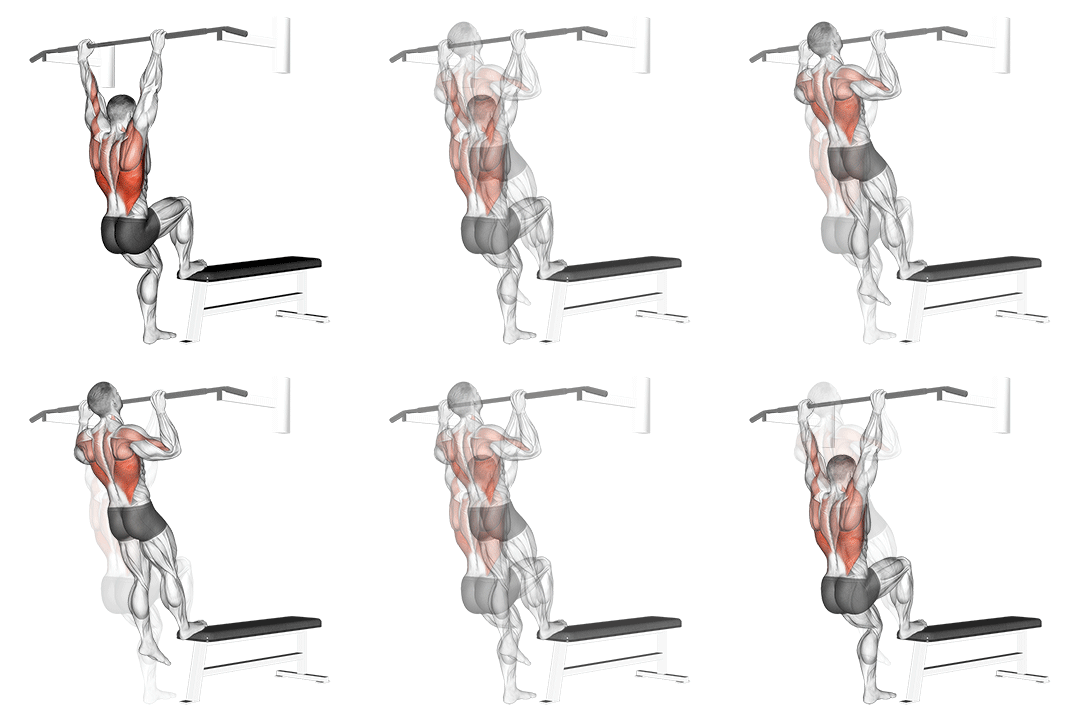
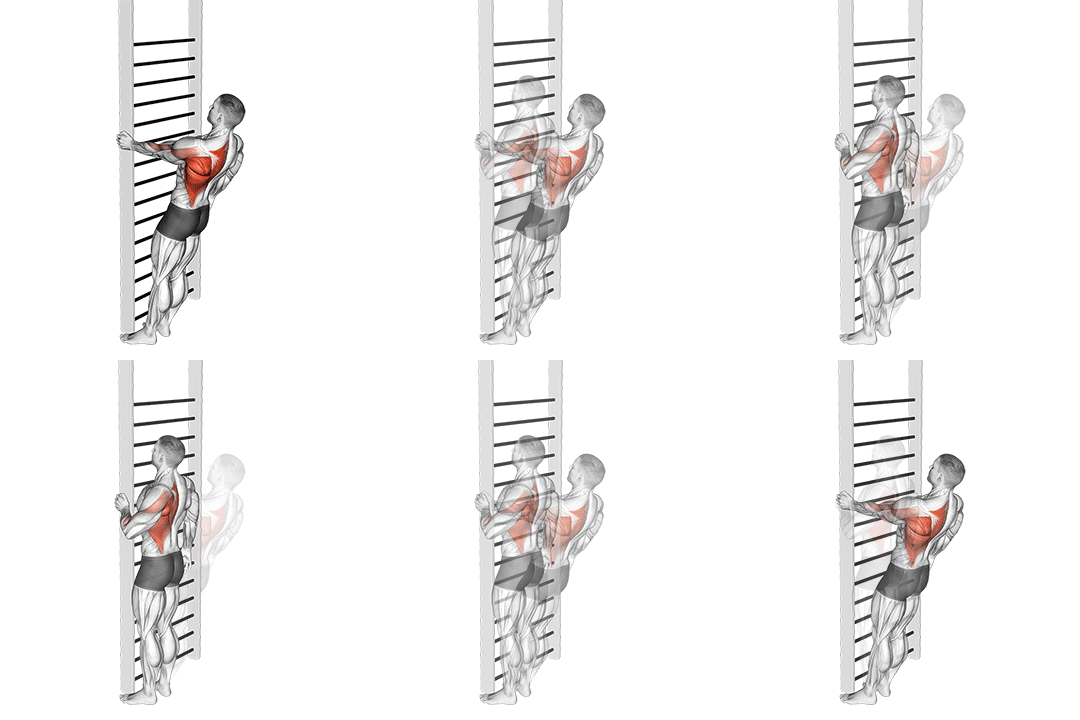
Bench Pull-ups

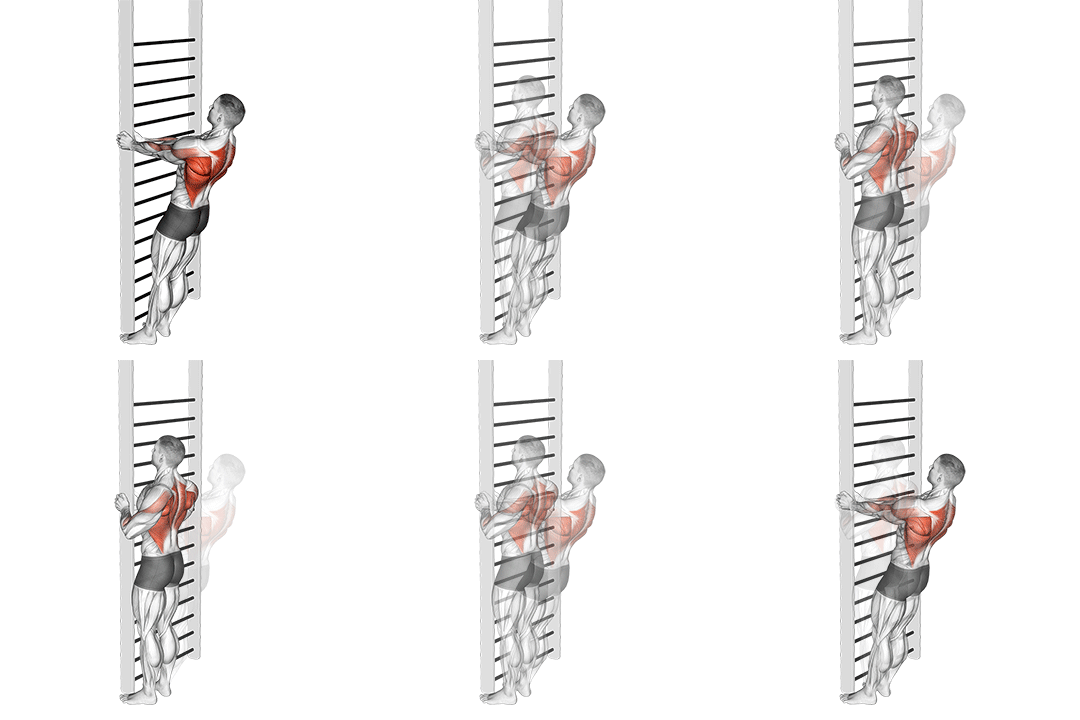
Bodyweight Squatting Row
Head-to-Head Comparison
| Attribute | Bench Pull-ups | Bodyweight Squatting Row |
|---|---|---|
| Target Muscle |
Lats
|
Lats
|
| Body Part |
Back
|
Back
|
| Equipment |
Body-weight
|
Body-weight
|
| Difficulty |
Intermediate
|
Beginner
|
| Movement Type |
Compound
|
Compound
|
| Secondary Muscles |
2
|
2
|
Secondary Muscles Activated
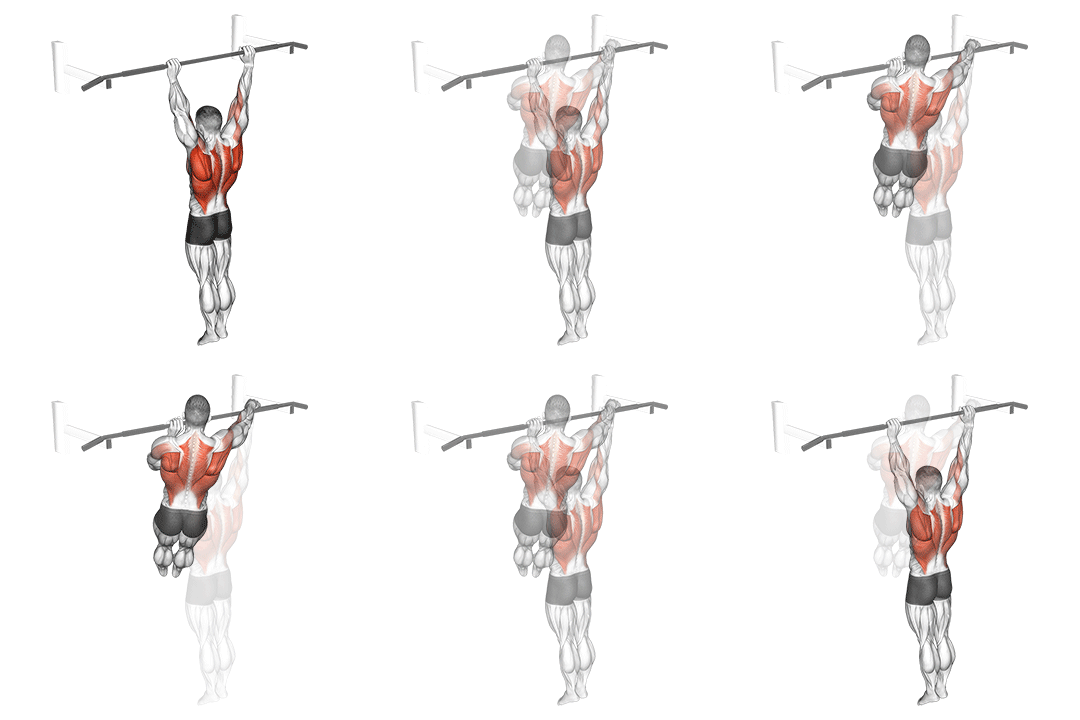
Bench Pull-ups
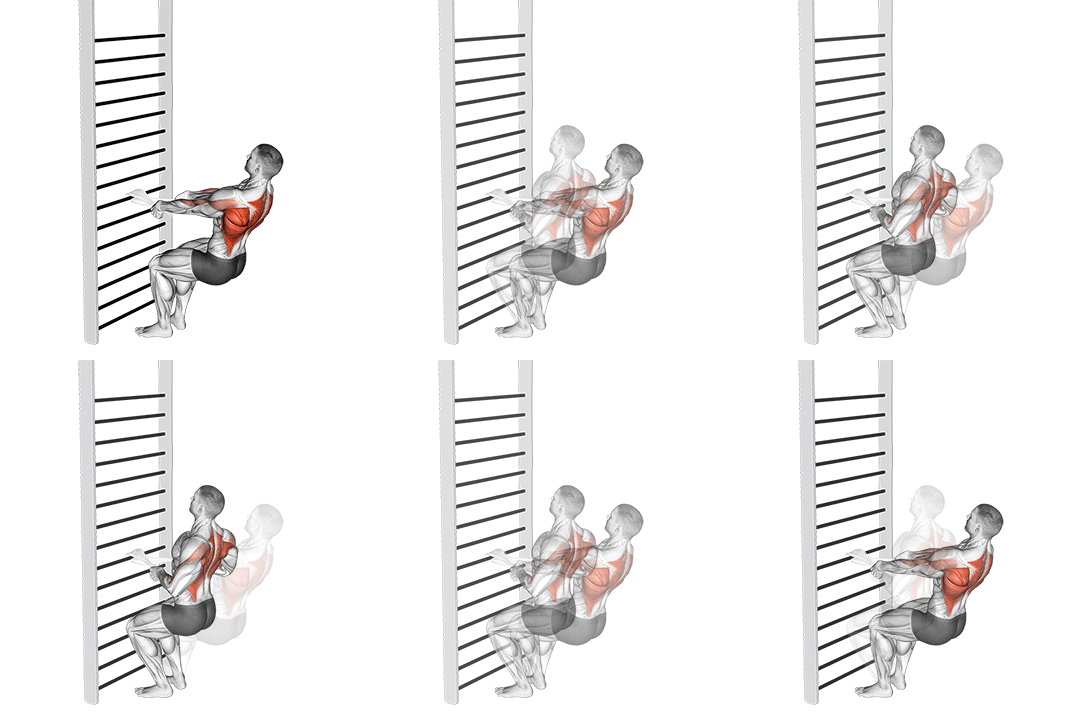
Bodyweight Squatting Row
Visual Comparison
Overview
Bench Pull-ups vs Bodyweight Squatting Row — you want a back move that fits your experience, equipment, and goals. Here you'll get a clear comparison of how each exercise loads the lats, how the torso angle and force vectors change muscle recruitment, specific technique cues, and practical progressions. I’ll walk you through which one builds more lat size, which is easier to learn, how each stresses the shoulder complex and biceps, and simple rep ranges you can use today.
Key Differences
- Difficulty levels differ: Bench Pull-ups is intermediate, while Bodyweight Squatting Row is beginner.
- Both exercises target the Lats using Body-weight. The main differences are in their movement patterns and muscle activation angles.
Pros & Cons
Bench Pull-ups
+ Pros
- Higher potential for direct lat overload and progressive loading
- Stronger biceps and forearm recruitment under a vertical pull
- Easy to add external load (weighted vest, belt) for strength work
- Better transfer to vertical pulling strength like pull‑ups/chin‑ups
− Cons
- Requires more relative upper‑body strength (intermediate level)
- Needs secure vertical pull setup or safe elevated surface
- Higher shoulder stress if scapular control and thoracic mobility are poor
Bodyweight Squatting Row
+ Pros
- Highly accessible and easy to scale by angle
- Lower initial strength requirement—great for learning pulling mechanics
- Encourages strong scapular retraction and posterior shoulder work
- Minimal equipment and adaptable to small spaces
− Cons
- Harder to create large progressive overload without added weight
- Less direct vertical pulling transfer for strict pull‑ups
- May reduce lat peak activation compared with true vertical pulls
When Each Exercise Wins
Bench Pull-ups allow greater progressive overload (weighted vests/belts) and generate higher peak tension on the lats through a steeper force vector and longer moment arm; use 6–12 reps, 3–5 sets, and slow 2–3s eccentrics to maximize time under tension.
The vertical force vector and ability to add heavy external load make Bench Pull-ups superior for building pulling strength; target 3–6 reps, heavy sets, and weighted progressions to increase raw vertical pull capacity.
The Squatting Row’s adjustable torso angle reduces load and teaches scapular retraction and elbow path while keeping core stable; start 8–15 reps and gradually lower the angle as you build strength and technique.
You can replicate a squatting row with minimal equipment (table edge, rings, or a broom across chairs) and scale difficulty by angle, making it the practical go‑to for most home setups.
Frequently Asked Questions
Can I do both Bench Pull-ups and Bodyweight Squatting Row in the same workout?
Yes. Use Squatting Rows as a warm‑up or volume exercise (2–3 sets of 8–15) to groove scapular retraction, then perform Bench Pull-ups as your primary strength or hypertrophy movement (3–5 sets of 3–12). Sequencing rows before heavy vertical pulls reduces injury risk and reinforces technique.
Which exercise is better for beginners?
Bodyweight Squatting Row is better for beginners because you can reduce the load by standing more upright and focus on scapular control, elbow path, and a neutral spine. Progress by lowering the angle or elevating the feet to gradually increase demand.
How do the muscle activation patterns differ?
Bench Pull-ups emphasize shoulder extension and humeral adduction, creating higher peak lat activation near the top of the pull, while Squatting Rows spread the load between lats, mid‑traps, and posterior delts due to a more horizontal force vector—this changes length‑tension relationships and timing of peak activation during the rep.
Can Bodyweight Squatting Row replace Bench Pull-ups?
Only partially. Squatting Rows are an excellent substitute for building pulling mechanics and volume, but they don’t replicate the vertical overload and progression options of Bench Pull-ups. If your goal is maximal vertical pulling strength or heavy lat hypertrophy, include Bench Pull-ups when possible.
Expert Verdict
Use Bench Pull-ups when your priority is maximal lat overload and vertical pulling strength. They produce a steeper force vector, stronger biceps involvement, and clear pathways for progressive loading (weighted vests, tempo work). Choose Bodyweight Squatting Row if you’re starting out, rehabbing, or training at home—its inclined pull reduces load, improves scapular retraction, and lowers shoulder stress while teaching solid pulling mechanics. Program both strategically: focus on Squatting Rows for technique and volume phases (8–15 reps), then rotate in Bench Pull-ups for heavy, lower‑rep strength or hypertrophy blocks (3–12 reps) to cover all force vectors and optimize long‑term muscle growth and resilience.
Also Compare
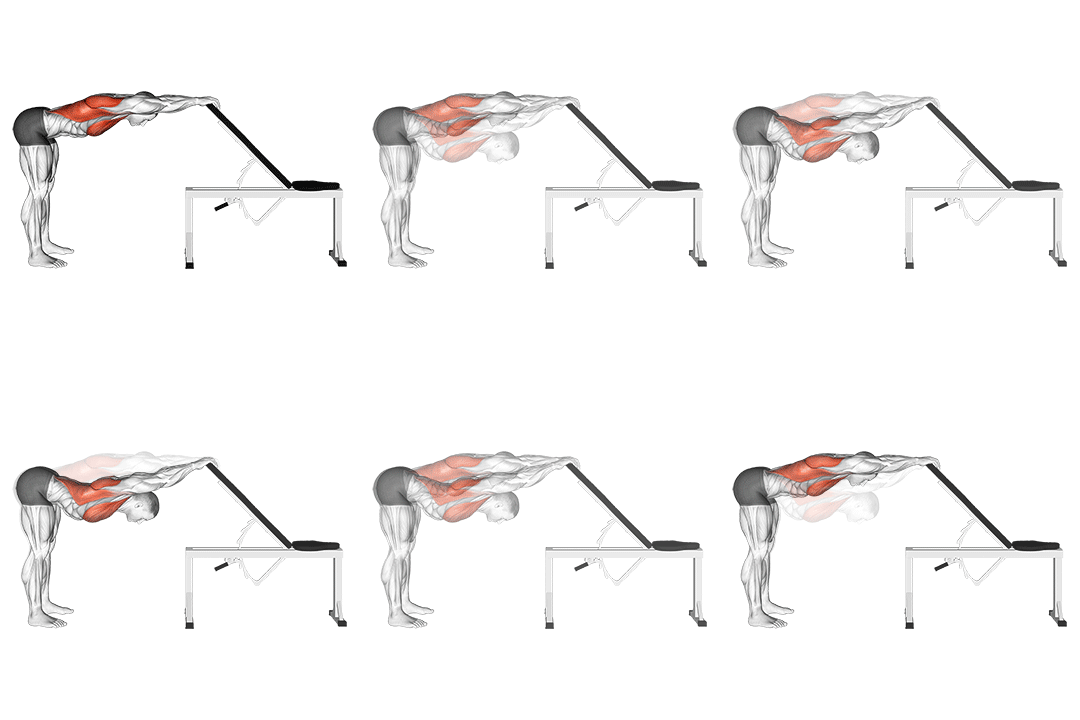
More comparisons with Bench Pull-ups
More comparisons with Bodyweight Squatting Row
Compare More Exercises
Use our free comparison tool to analyze any two exercises head-to-head.
Compare Exercises