

Bench Pull-ups vs Bodyweight Squatting Row (with Towel): Complete Comparison Guide
Bench Pull-ups vs Bodyweight Squatting Row (with Towel) — if you want thicker lats and a stronger back, you need to pick the right horizontal or vertical pull. I’ll walk you through how each move stresses the lats, which secondary muscles light up, the equipment and progression options, and real-world scenarios where one beats the other. Read on and you’ll get clear technique cues, biomechanical reasons (force vectors, length–tension, scapular mechanics), plus smart programming advice so you can choose the exercise that matches your goals.
Exercise Comparison
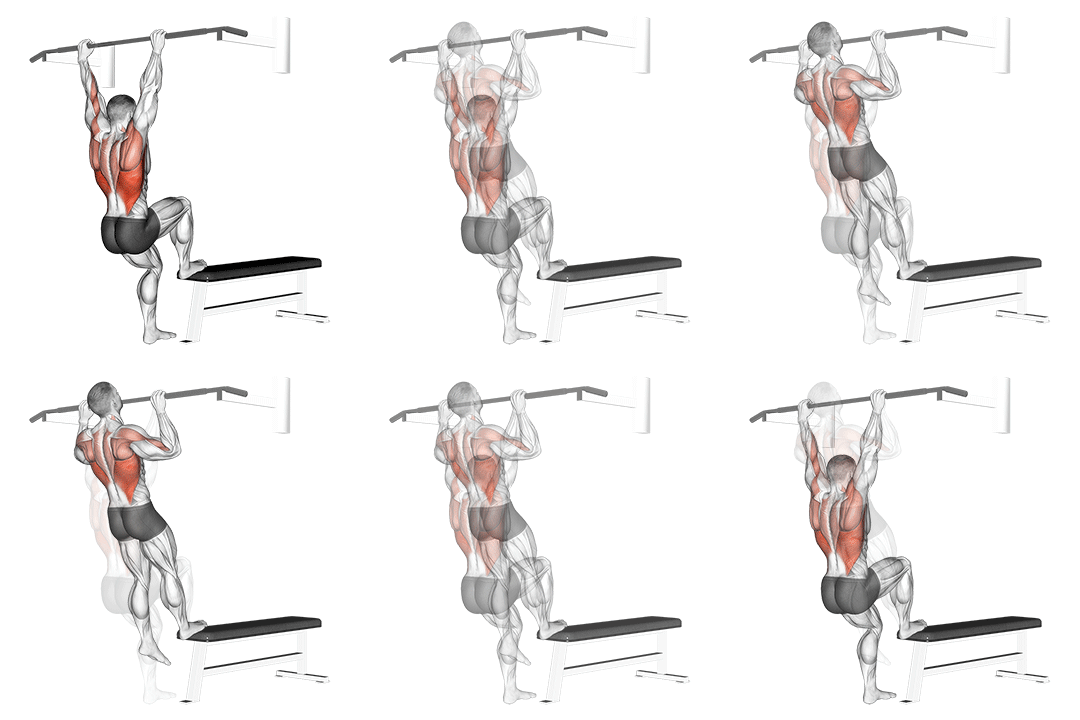
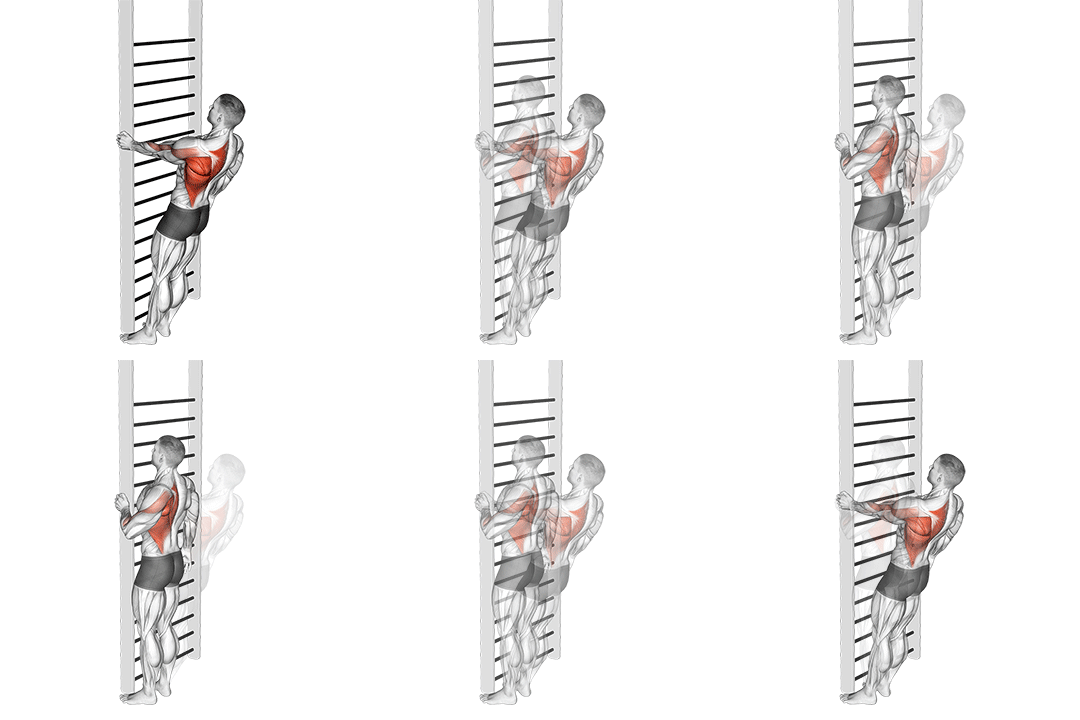
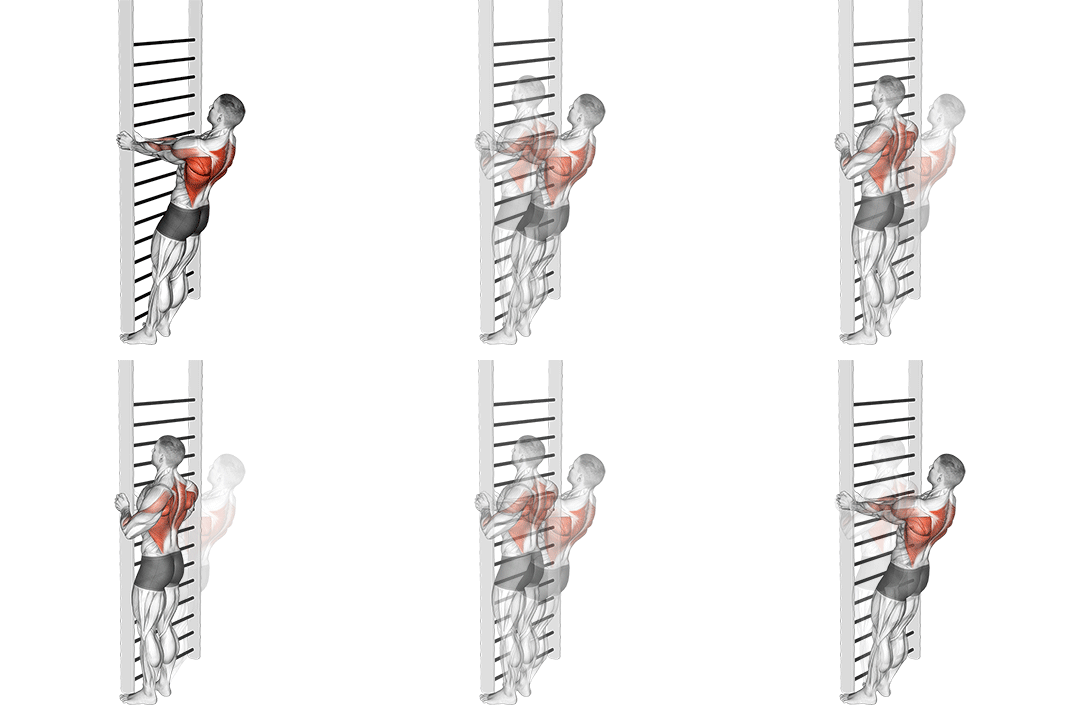
Bench Pull-ups
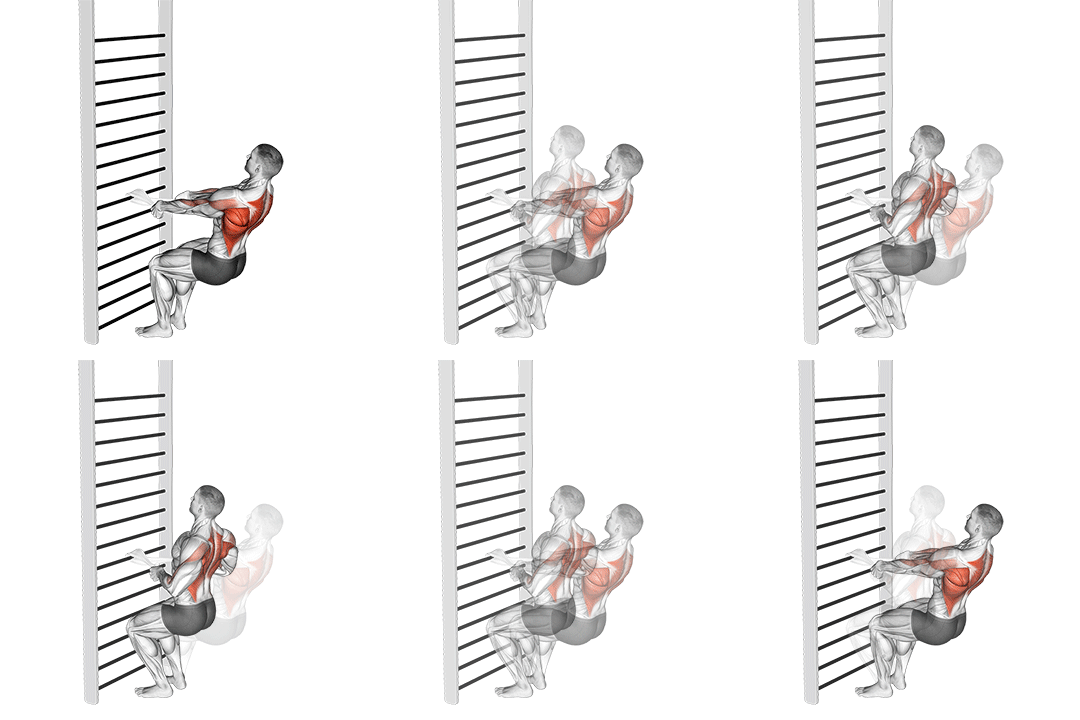
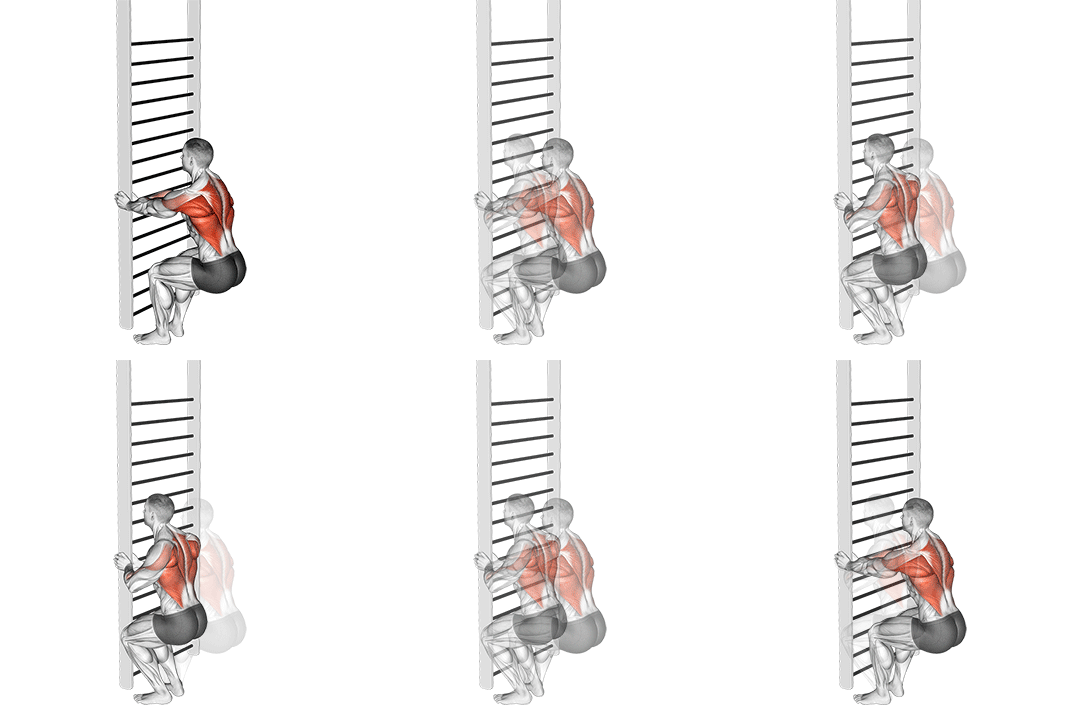
Bodyweight Squatting Row (with Towel)
Head-to-Head Comparison
| Attribute | Bench Pull-ups | Bodyweight Squatting Row (with Towel) |
|---|---|---|
| Target Muscle |
Lats
|
Lats
|
| Body Part |
Back
|
Back
|
| Equipment |
Body-weight
|
Body-weight
|
| Difficulty |
Intermediate
|
Intermediate
|
| Movement Type |
Compound
|
Compound
|
| Secondary Muscles |
2
|
2
|
Secondary Muscles Activated
Bench Pull-ups
Bodyweight Squatting Row (with Towel)
Visual Comparison
Overview
Bench Pull-ups vs Bodyweight Squatting Row (with Towel) — if you want thicker lats and a stronger back, you need to pick the right horizontal or vertical pull. I’ll walk you through how each move stresses the lats, which secondary muscles light up, the equipment and progression options, and real-world scenarios where one beats the other. Read on and you’ll get clear technique cues, biomechanical reasons (force vectors, length–tension, scapular mechanics), plus smart programming advice so you can choose the exercise that matches your goals.
Key Differences
- Both exercises target the Lats using Body-weight. The main differences are in their movement patterns and muscle activation angles.
Pros & Cons
Bench Pull-ups
+ Pros
- Strong vertical pull that overloads the lats through a large stretch at end range
- Easy to add external load (weighted vest or belt) for progressive overload
- Targets biceps and forearms heavily for mixed pulling strength
- Builds raw vertical pulling strength useful for pull-up progressions
− Cons
- Requires more scapular and shoulder stability to perform safely
- Harder to scale precisely for beginners without assistance
- Wider grips can increase shoulder impingement risk
Bodyweight Squatting Row (with Towel)
+ Pros
- Highly accessible — needs only a towel and a sturdy anchor
- Easier to scale via foot placement and torso angle for precise loading
- Stronger scapular retraction and posterior deltoid engagement
- Good for high time-under-tension sets and controlled eccentric work
− Cons
- Harder to add significant external load once body position is optimized
- Towel grip can fatigue forearms quickly and alter pull mechanics
- Less direct vertical pulling transfer for strict pull-up strength
When Each Exercise Wins
Bench Pull-ups allow a larger lat stretch and easier progressive overload (weighted vests, eccentrics), which are key drivers of muscle growth. Use 6–12 reps per set or slow 3–5 second eccentrics to maximize time under tension and stimulate hypertrophy.
Vertical pulling builds raw pulling strength and transfers directly to pull-up performance; you can load the movement progressively and work heavier sets (3–6 reps) to increase maximal force production.
The Squatting Row lets you reduce load by changing foot position and trunk angle, making it simple to build scapular control and elbow flexor strength before attempting full vertical pulls.
Requires minimal gear — a towel and any sturdy bar or anchor — and adapts to small spaces. It’s easier to set up safely at home and scale across all fitness levels.
Frequently Asked Questions
Can I do both Bench Pull-ups and Bodyweight Squatting Row (with Towel) in the same workout?
Yes — pair them intelligently: start with Bench Pull-ups for heavy sets (3–6 reps) or strength work, then follow with Squatting Rows for higher volume (8–15 reps) to target time under tension and scapular control. Keep total weekly volume in mind to avoid overworking the biceps and shoulders.
Which exercise is better for beginners?
Bodyweight Squatting Row (with Towel) is better for most beginners because you can dial down load by moving your feet and reduce technical demands on hanging and scapular depression. It builds the pulling pattern and grip strength needed before progressing to full Bench Pull-ups.
How do the muscle activation patterns differ?
Bench Pull-ups emphasize vertical shoulder extension with peak lat activation across a larger length-tension range and heavier biceps involvement at mid to terminal elbow flexion. Squatting Rows shift the force vector horizontally, increasing sustained scapular retraction and posterior deltoid co-activation while distributing load across mid-back fibers.
Can Bodyweight Squatting Row (with Towel) replace Bench Pull-ups?
It can replace Bench Pull-ups for volume work and technique practice, but it won’t fully replace vertical-pull strength demands if your goal is strict pull-up performance. Use the Squatting Row as a complementary exercise or a temporary substitute while building the strength to perform weighted vertical pulls.
Expert Verdict
If your priority is lat size and vertical pulling strength, favor Bench Pull-ups — they create a larger lat stretch, allow straightforward loading (weighted vests, eccentrics), and transfer directly to pull-up performance. If you train at home, are newer to pulling, or want a highly scalable horizontal alternative that emphasizes scapular retraction and posterior deltoid work, choose the Bodyweight Squatting Row (with Towel). For balanced programming, alternate both: use Squatting Rows for volume and technical work and Bench Pull-ups for heavy sets and progressive overload to maximize both muscle growth and strength.
Also Compare
More comparisons with Bench Pull-ups
More comparisons with Bodyweight Squatting Row (with Towel)
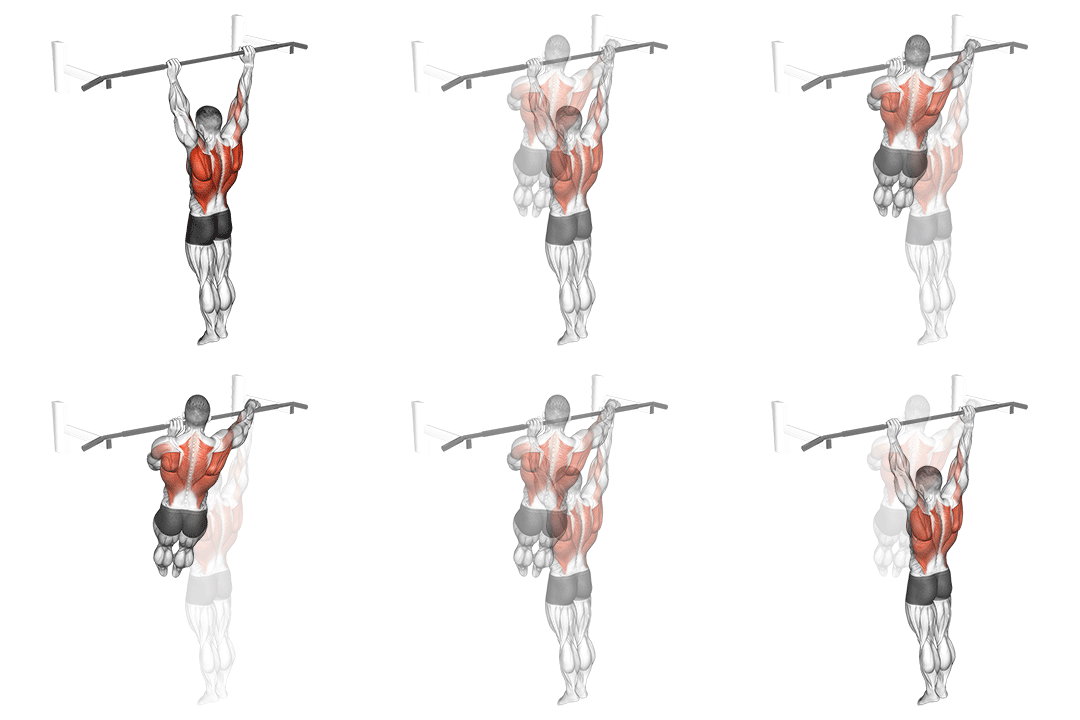
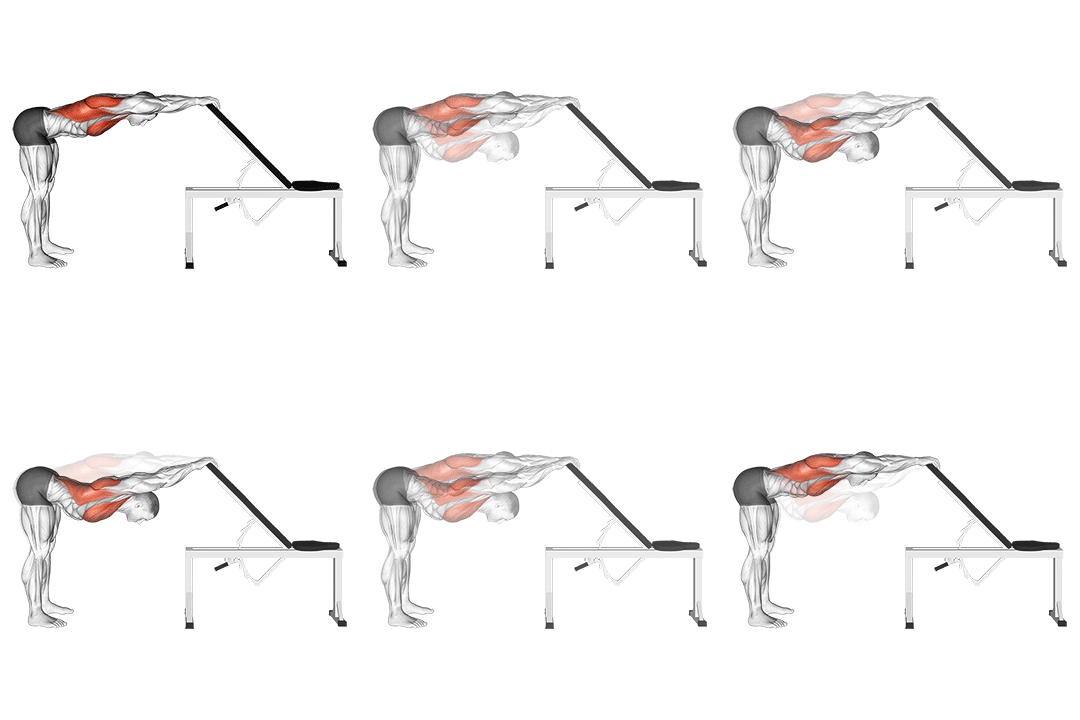
Compare More Exercises
Use our free comparison tool to analyze any two exercises head-to-head.
Compare Exercises