

Bench Pull-ups vs Bodyweight Standing Close-grip Row: Complete Comparison Guide
Bench Pull-ups vs Bodyweight Standing Close-grip Row — two bodyweight back moves that look similar on paper but load your lats very differently. You’ll get direct guidance on muscle activation, movement mechanics, technique cues, and how each fits your goals. I’ll cover which exercise gives more lat tension, how elbow and scapular mechanics change recruitment, recommended rep ranges (4–6 strength, 6–12 hypertrophy), and clear progressions. Read on to learn when to pick the vertical pull of Bench Pull-ups and when the horizontal close-grip row earns a spot in your program.
Exercise Comparison
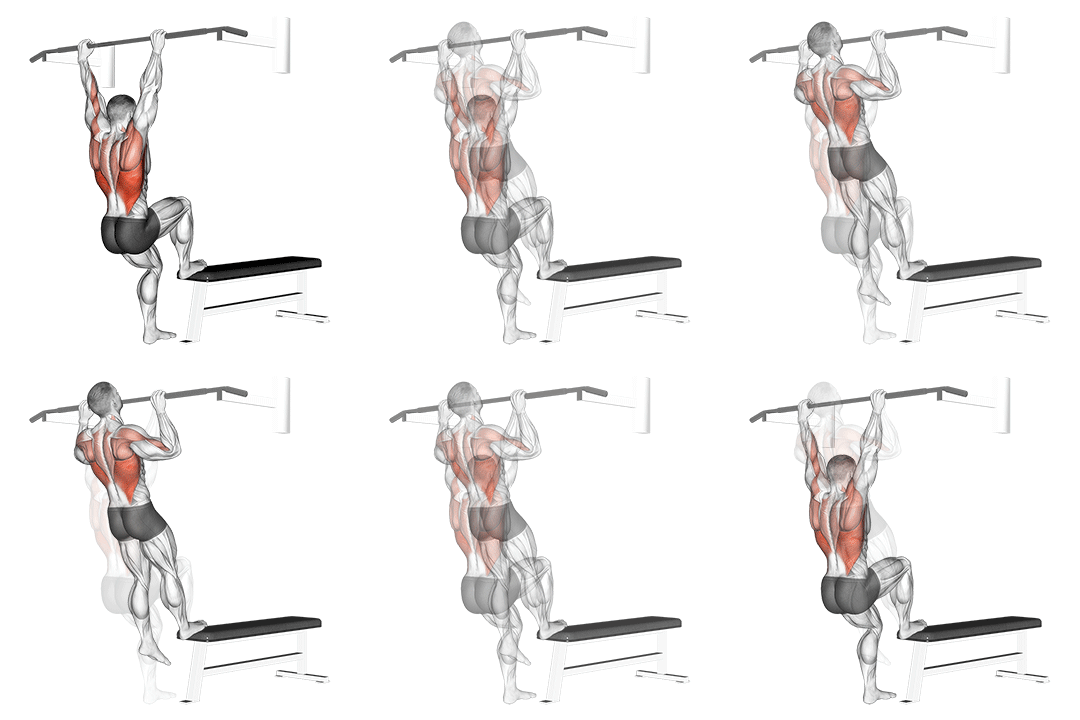
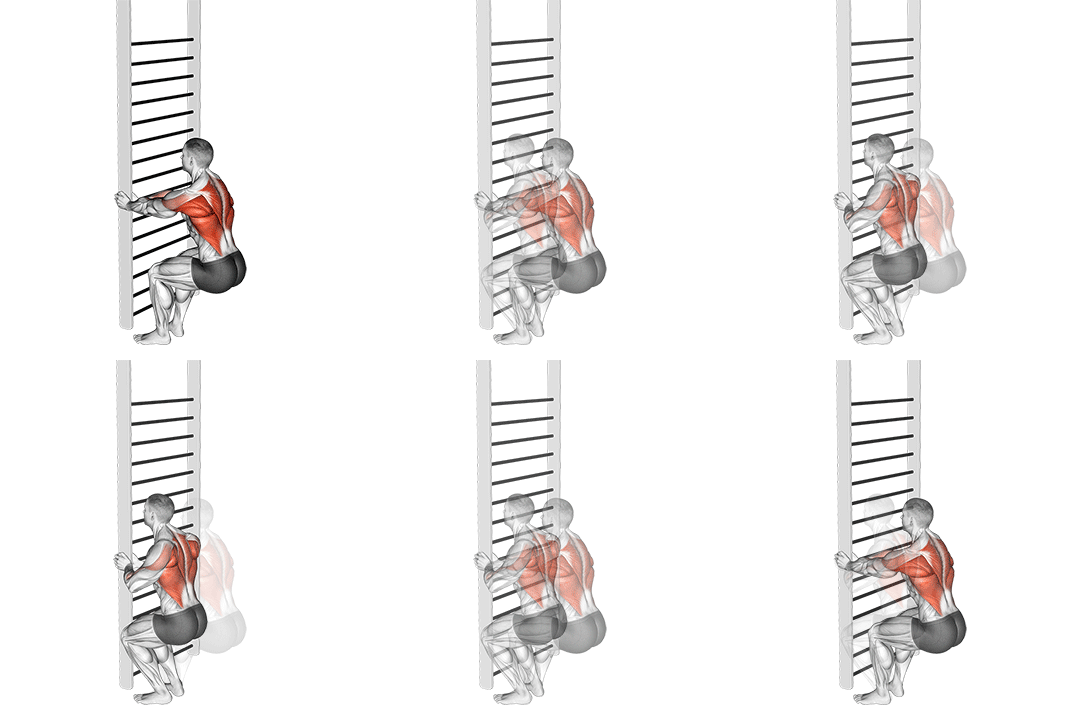
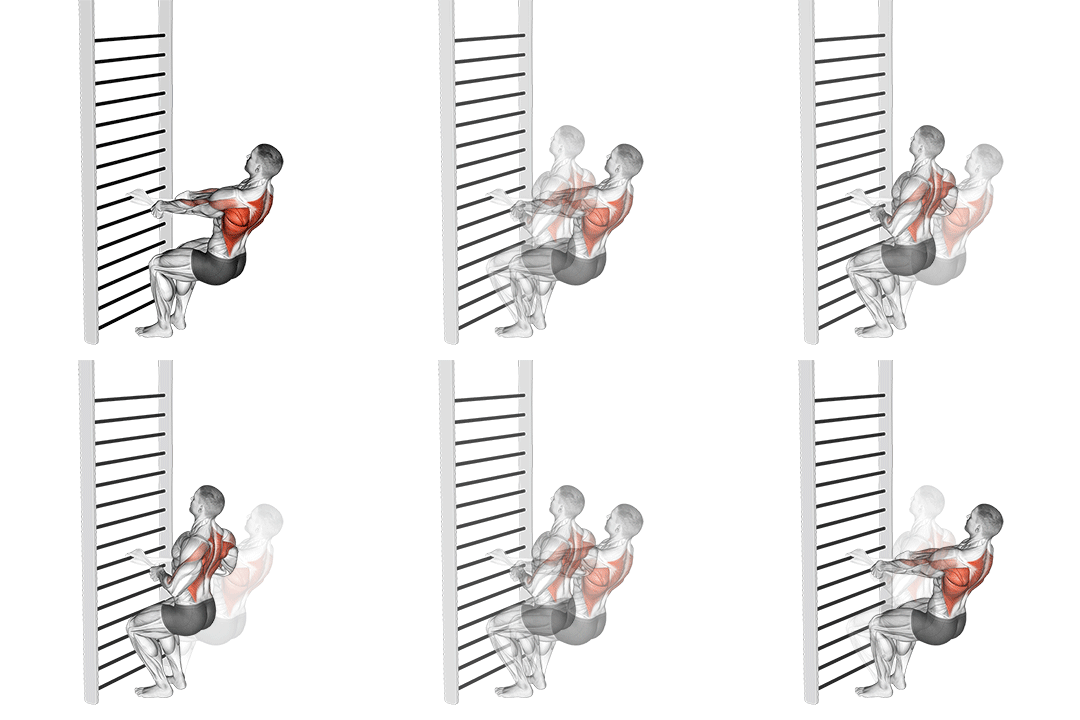
Bench Pull-ups
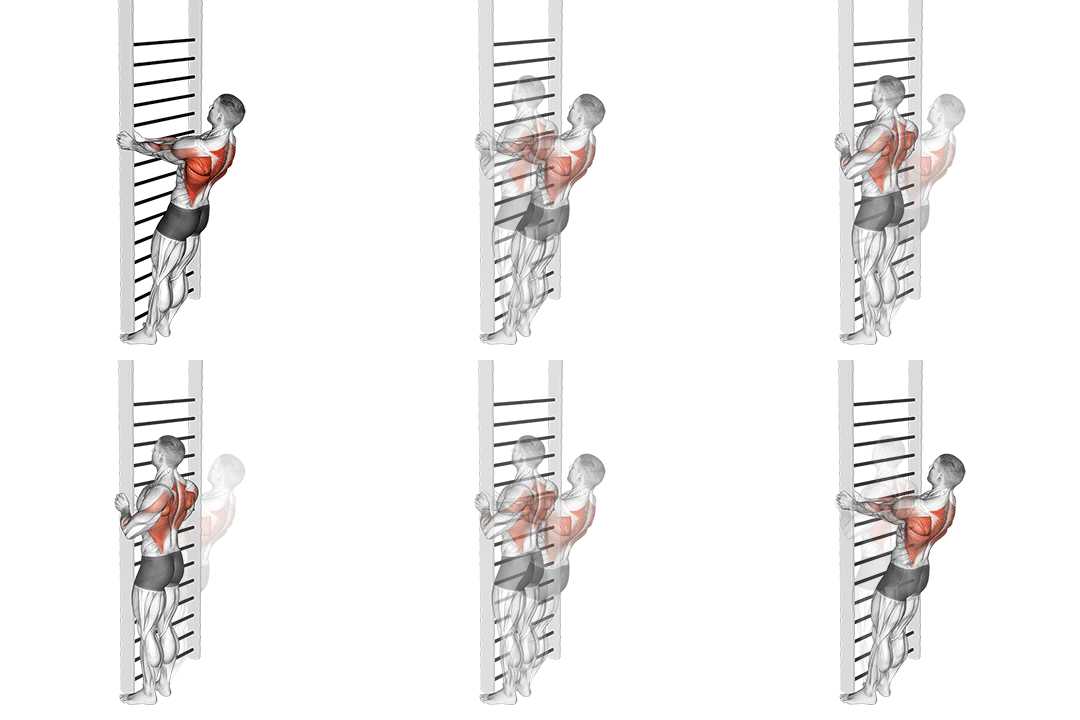
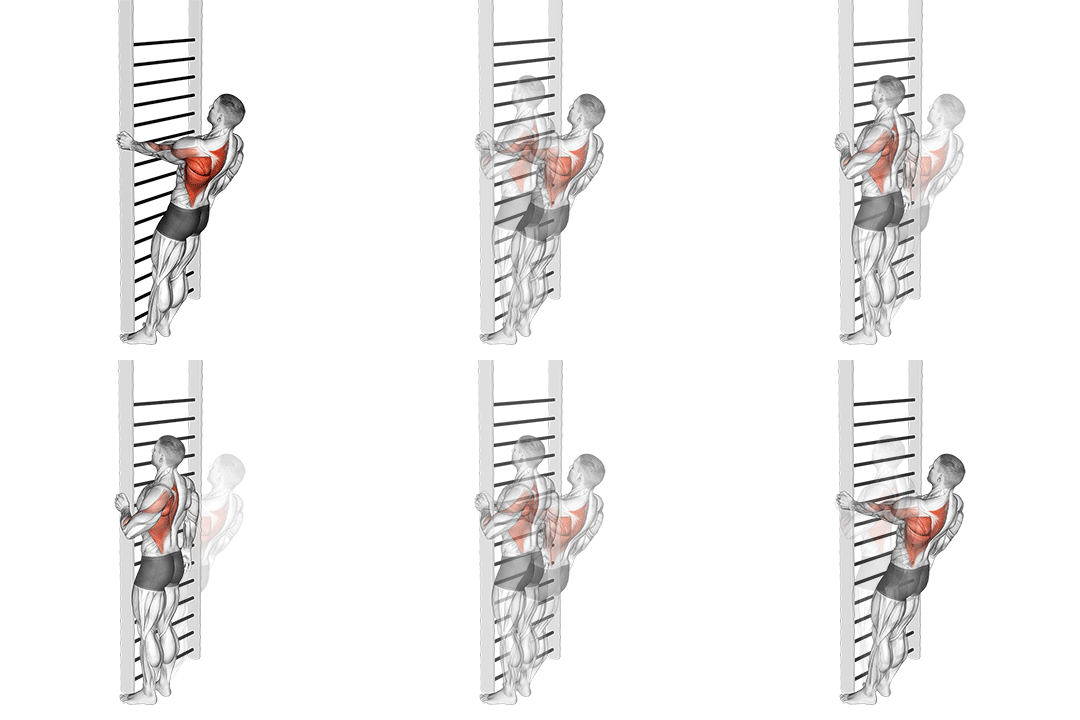
Bodyweight Standing Close-grip Row
Head-to-Head Comparison
| Attribute | Bench Pull-ups | Bodyweight Standing Close-grip Row |
|---|---|---|
| Target Muscle |
Lats
|
Lats
|
| Body Part |
Back
|
Back
|
| Equipment |
Body-weight
|
Body-weight
|
| Difficulty |
Intermediate
|
Beginner
|
| Movement Type |
Compound
|
Compound
|
| Secondary Muscles |
2
|
2
|
Secondary Muscles Activated
Bench Pull-ups
Bodyweight Standing Close-grip Row
Visual Comparison
Overview
Bench Pull-ups vs Bodyweight Standing Close-grip Row — two bodyweight back moves that look similar on paper but load your lats very differently. You’ll get direct guidance on muscle activation, movement mechanics, technique cues, and how each fits your goals. I’ll cover which exercise gives more lat tension, how elbow and scapular mechanics change recruitment, recommended rep ranges (4–6 strength, 6–12 hypertrophy), and clear progressions. Read on to learn when to pick the vertical pull of Bench Pull-ups and when the horizontal close-grip row earns a spot in your program.
Key Differences
- Difficulty levels differ: Bench Pull-ups is intermediate, while Bodyweight Standing Close-grip Row is beginner.
- Both exercises target the Lats using Body-weight. The main differences are in their movement patterns and muscle activation angles.
Pros & Cons
Bench Pull-ups
+ Pros
- Higher lat torque through greater shoulder extension ROM
- Easy to progressively overload (weighted belts, tempo, added reps)
- Builds vertical pulling strength and carries to other lifts
- Strong carryover to climbing, pulling sports, and functional tasks
− Cons
- Requires an overhead bar or rig not always available at home
- Higher technical demand — needs good scapular control and shoulder mobility
- Increased risk of shoulder impingement if performed with flared elbows or poor posture
Bodyweight Standing Close-grip Row
+ Pros
- Very accessible — needs only a low anchor or rings
- Easier to learn and scale via torso angle adjustments
- Less compressive overhead shoulder stress, safer for some rehab scenarios
- Good for high-volume work and reinforcing scapular retraction
− Cons
- Harder to add heavy progressive overload compared to vertical pulls
- Less peak lat length-tension stimulus due to shorter shoulder extension
- Can encourage poor lumbar posture if you let the hips sag
When Each Exercise Wins
Bench Pull-ups provide a larger lat length-tension window and greater potential for progressive overload (weighted reps, slow eccentrics). Target 6–12 reps with 2–4 second negatives to maximize mechanical tension and time under load for muscle growth.
Vertical pulling builds higher shoulder extension torque and translates to maximal pulling strength. Use low-rep sets (4–6), added weight, and long rests to increase neural drive and maximal force production.
The standing row is easier to scale by changing torso angle and keeps the feet on the ground for stability. It teaches scapular retraction and elbow path before moving to unsupported vertical pulls.
Close-grip rows require minimal setup — a table, rings, or a low bar suffice. You can program rows for high volume or progressive difficulty without a tall rig.
Frequently Asked Questions
Can I do both Bench Pull-ups and Bodyweight Standing Close-grip Row in the same workout?
Yes — pairing them works well. Start with the heavier, more demanding move (Bench Pull-ups) for strength, then use close-grip rows as a volume or accessory lift for 8–15 reps to reinforce scapular control and increase total back volume.
Which exercise is better for beginners?
Bodyweight Standing Close-grip Row is better for beginners because you can reduce intensity by standing more upright and learn scapular retraction and elbow mechanics safely. Once you can perform 3–4 sets of 8–12 clean reps, progress toward assisted or partial Bench Pull-ups.
How do the muscle activation patterns differ?
Bench Pull-ups create a vertical force vector that increases lat activation during shoulder extension and lengthened positions, with peaks near the top of the pull. Standing close-grip rows rely on horizontal force vectors and scapular retraction, producing steadier lat activation earlier in the concentric phase and greater mid-trap/rhomboid involvement.
Can Bodyweight Standing Close-grip Row replace Bench Pull-ups?
It can replace them temporarily if you lack a bar or have shoulder mobility limits, and it will maintain back thickness. For maximal vertical pulling strength and the full lat length-tension stimulus, reintroduce Bench Pull-ups when you can safely progress them.
Expert Verdict
Use Bench Pull-ups when your goal is vertical pulling strength or maximal lat hypertrophy: they load the lats through greater shoulder extension and offer the easiest path to heavy progressive overload. Program them for 4–6 reps for strength or 6–12 for hypertrophy, and emphasize scapular depression and chest-to-bar range. Choose Bodyweight Standing Close-grip Row when you need an accessible, beginner-friendly horizontal pull that trains scapular retraction and mid-back thickness. It’s ideal for high-volume work, rehab-friendly progressions, and home setups. Combine both across a training week — rows for volume and technical rehearsal, pull-ups for heavy stimulus and peak tension.
Also Compare
More comparisons with Bench Pull-ups
More comparisons with Bodyweight Standing Close-grip Row
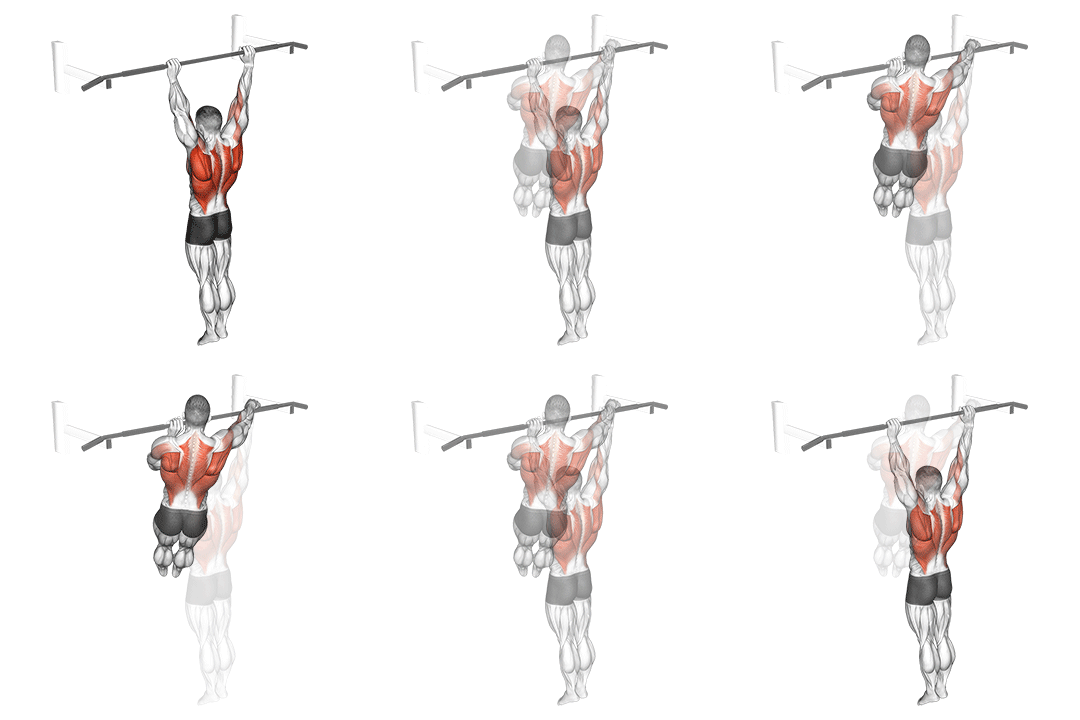
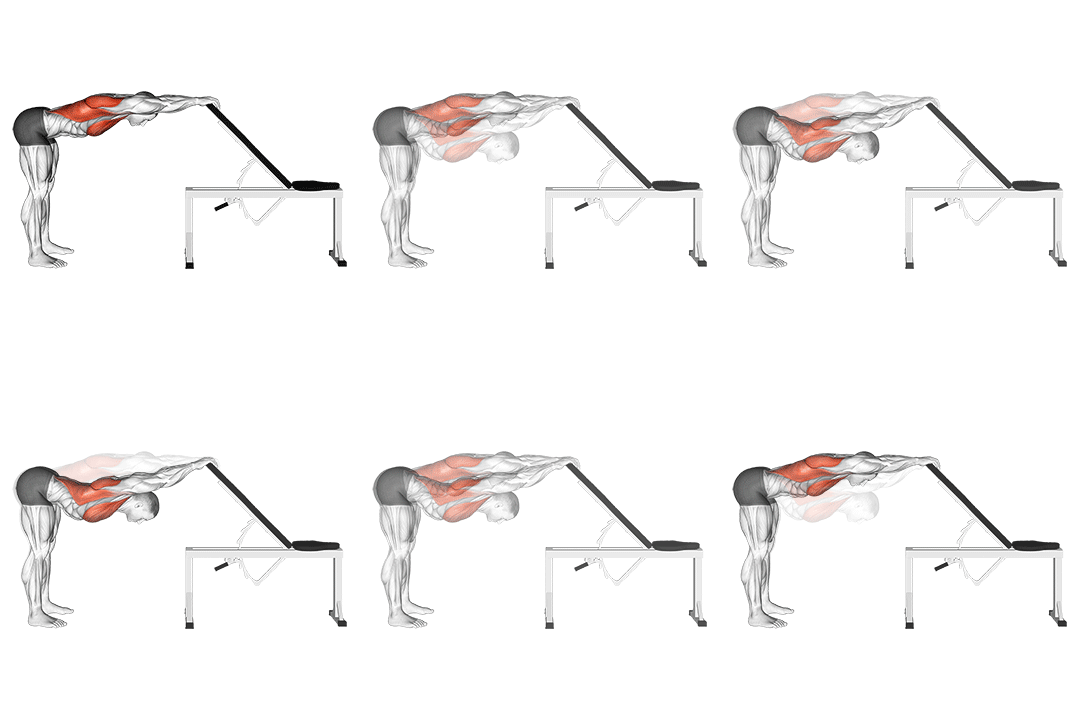
Compare More Exercises
Use our free comparison tool to analyze any two exercises head-to-head.
Compare Exercises