

Bent Over One-Arm Long Bar Row vs Incline Bench Pull: Complete Comparison Guide
Bent Over One-Arm Long Bar Row vs Incline Bench Pull. You want thicker middle-back development, and these two compound rows both deliver—but they load your muscles differently. This guide compares muscle activation, setup and equipment needs, learning curve, injury risk, and program recommendations. You'll get clear technique cues (hip hinge angle, bench incline, elbow path), rep ranges for hypertrophy and strength, and decisive picks for beginners, home training, and hypertrophy-focused phases. Read on and use the recommendations to pick the right movement for your goal-driven program.
Exercise Comparison
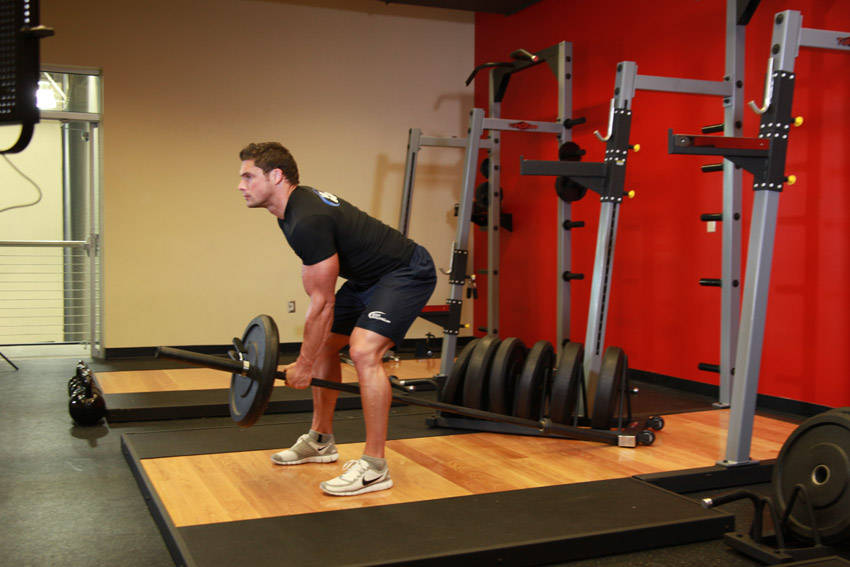
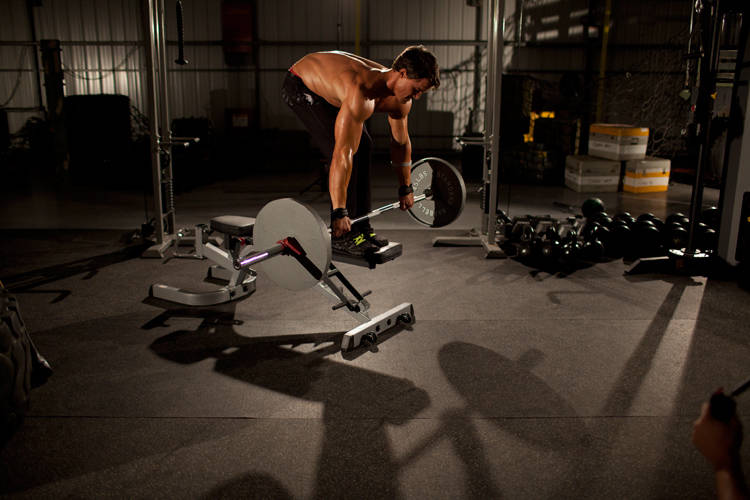
Bent Over One-arm Long Bar Row
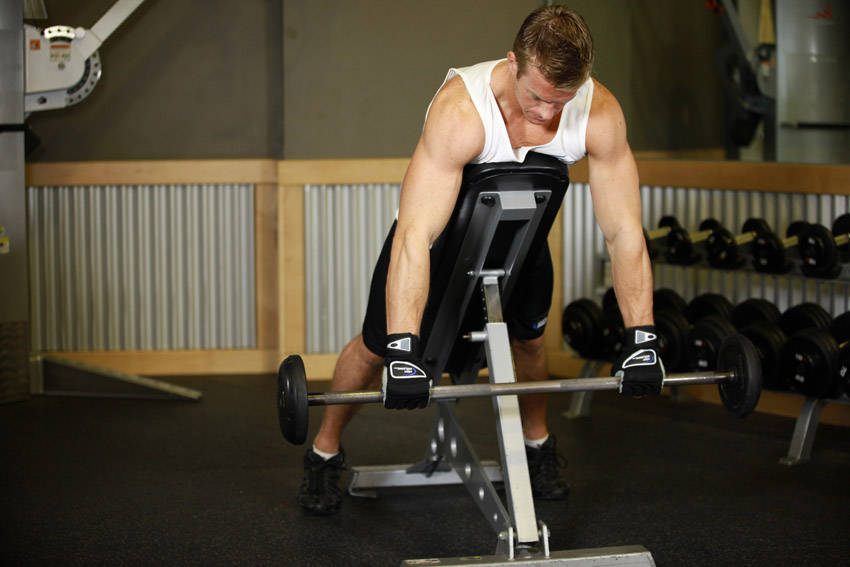
Incline Bench Pull
Head-to-Head Comparison
| Attribute | Bent Over One-arm Long Bar Row | Incline Bench Pull |
|---|---|---|
| Target Muscle |
Middle-back
|
Middle-back
|
| Body Part |
Back
|
Back
|
| Equipment |
Barbell
|
Barbell
|
| Difficulty |
Intermediate
|
Intermediate
|
| Movement Type |
Compound
|
Compound
|
| Secondary Muscles |
4
|
2
|
Secondary Muscles Activated
Bent Over One-arm Long Bar Row
Incline Bench Pull
Visual Comparison
Overview
Bent Over One-Arm Long Bar Row vs Incline Bench Pull. You want thicker middle-back development, and these two compound rows both deliver—but they load your muscles differently. This guide compares muscle activation, setup and equipment needs, learning curve, injury risk, and program recommendations. You'll get clear technique cues (hip hinge angle, bench incline, elbow path), rep ranges for hypertrophy and strength, and decisive picks for beginners, home training, and hypertrophy-focused phases. Read on and use the recommendations to pick the right movement for your goal-driven program.
Key Differences
- Both exercises target the Middle-back using Barbell. The main differences are in their movement patterns and muscle activation angles.
Pros & Cons
Bent Over One-arm Long Bar Row
+ Pros
- Heavier loading potential for strength and hypertrophy (larger external moment arm)
- Greater posterior chain and core integration—improves spinal stability under load
- Longer ROM for middle-back and lats when performed with full scapular protraction/retraction
- Versatile: adjust torso angle and hand position to emphasize lats or mid-traps
− Cons
- Higher lower-back demand—risk increases if form collapses
- Requires solid hip-hinge mechanics and core bracing
- Can be harder to maintain strict scapular control under heavy loads
Incline Bench Pull
+ Pros
- Chest support reduces lumbar load and simplifies technique
- Better for isolating the middle-back and getting strict scapular retraction
- Easier for beginners to maintain consistent angles and tempo
- Comfortable for higher-rep work and back-to-back sets
− Cons
- Limited maximal loading compared to standing bent-over variations
- Requires an adjustable incline bench, reducing accessibility
- Can place increased stress on posterior deltoids and shoulder capsule if the angle is too steep
When Each Exercise Wins
It allows heavier loading and a longer range of motion—two drivers of hypertrophy. The standing hip hinge creates greater mechanical tension across the middle-back and lats, so for 6–12 reps it produces robust stimulus for muscle growth.
The bent-over position creates larger moment arms and integrates the posterior chain, enabling you to handle heavier absolute loads and develop transferable pulling strength through 3–6 or 4–8 rep ranges.
Chest support fixes torso angle and minimizes lower-back demand, letting beginners learn scapular retraction and elbow mechanics safely. Use 8–15 reps to build technical consistency before progressing to standing rows.
Most home setups include a barbell but not an adjustable incline bench. The bent-over row gives more bang for your equipment and space, provided you maintain safe bracing and load management.
Frequently Asked Questions
Can I do both Bent Over One-Arm Long Bar Row and Incline Bench Pull in the same workout?
Yes. Pair them smartly: use the incline bench pull as a lighter, high-quality warm-up set or strict volume work (8–15 reps) and follow with bent-over rows for heavy sets (4–8 reps) to target both isolation and maximal tension without excessive fatigue.
Which exercise is better for beginners?
Incline bench pull is better for beginners because chest support removes the need for heavy spinal bracing, letting you learn scapular retraction and elbow tracking safely before progressing to standing rows.
How do the muscle activation patterns differ?
Bent-over rows create a more horizontal pull vector and larger shoulder moment arm, increasing mid-trap and lat length-tension across a longer ROM and recruiting the lumbar extensors as stabilizers. Incline pulls shorten the torso lever, reducing lumbar contribution and concentrating force through the scapular retractors and posterior delts.
Can Incline Bench Pull replace Bent Over One-Arm Long Bar Row?
It can replace bent-over rows for isolation work or when lower-back load must be minimized, but it won’t fully replace the posterior chain and core integration that bent-over rows provide for heavy strength development.
Expert Verdict
Use the bent-over one-arm long bar row when your goal is maximal middle-back strength and muscle growth: it creates a more horizontal force vector, greater mechanical tension, and engages the lumbar stabilizers—ideal for 4–12 rep blocks. Choose the incline bench pull when you need a safer, chest-supported option to isolate the middle-back, work strict tempo, or rehab lower-back issues—aim for 8–15 reps. Program both across a cycle: use incline pulls for technique and higher-rep density weeks, and bent-over rows for heavy, progressive overloading weeks to maximize long-term progress.
Also Compare
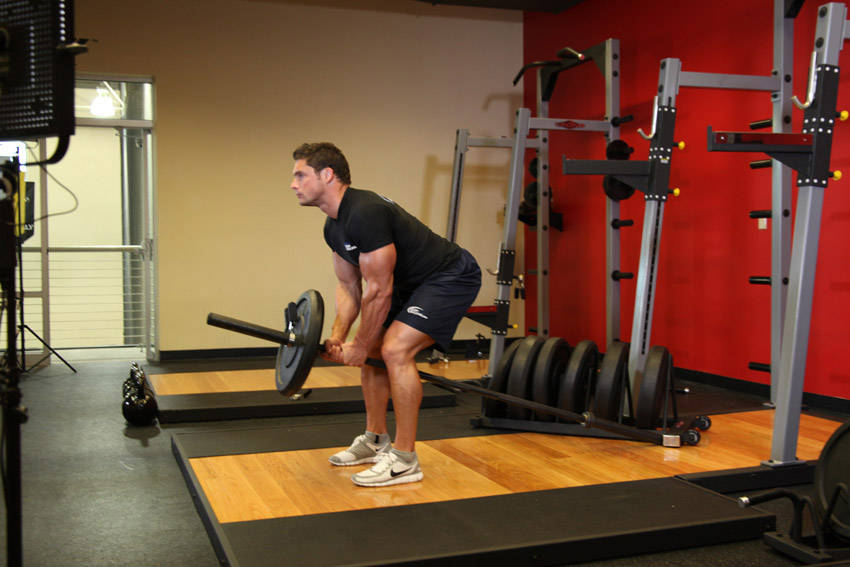
More comparisons with Bent Over One-arm Long Bar Row
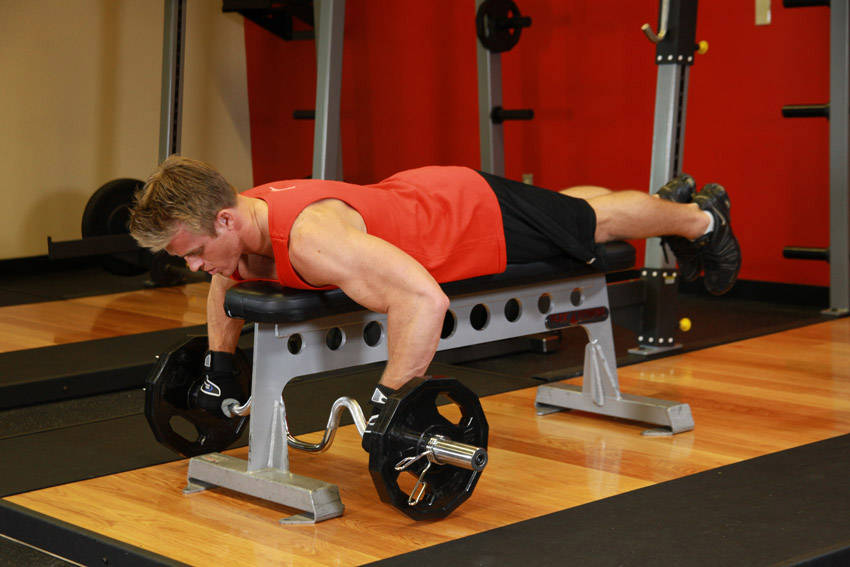

More comparisons with Incline Bench Pull
Compare More Exercises
Use our free comparison tool to analyze any two exercises head-to-head.
Compare Exercises