

Bent Over One-Arm Long Bar Row vs Lying Cambered Barbell Row: Complete Comparison Guide
Bent Over One-Arm Long Bar Row vs Lying Cambered Barbell Row is a practical matchup if you want a thicker, stronger middle-back. Youll get a clear comparison of muscle activation, equipment needs, difficulty, and when to program each exercise. I will walk you through biomechanics like force vectors and length-tension, give technique cues for cleaner reps, and offer rep ranges and progression tips so you can pick the right row for your goals—hypertrophy, strength, or safer training when you have lower-back concerns.
Exercise Comparison
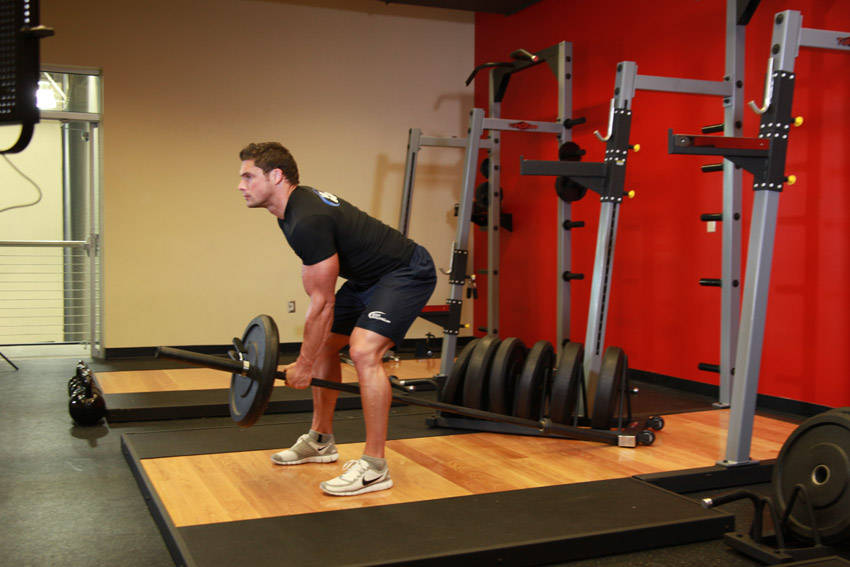
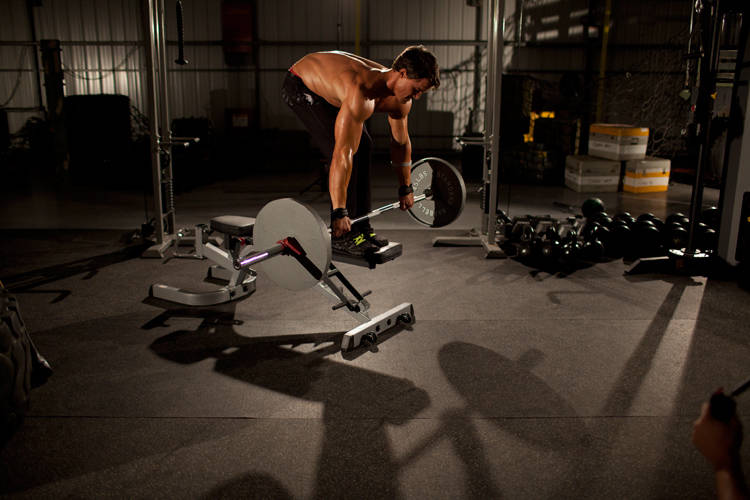
Bent Over One-arm Long Bar Row
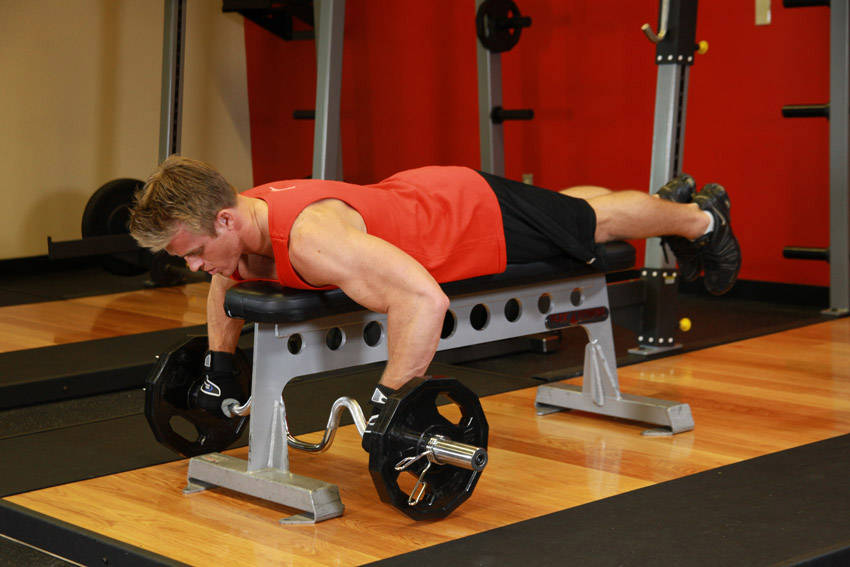
Lying Cambered Barbell Row
Head-to-Head Comparison
| Attribute | Bent Over One-arm Long Bar Row | Lying Cambered Barbell Row |
|---|---|---|
| Target Muscle |
Middle-back
|
Middle-back
|
| Body Part |
Back
|
Back
|
| Equipment |
Barbell
|
Barbell
|
| Difficulty |
Intermediate
|
Intermediate
|
| Movement Type |
Compound
|
Compound
|
| Secondary Muscles |
4
|
3
|
Secondary Muscles Activated
Bent Over One-arm Long Bar Row
Lying Cambered Barbell Row
Visual Comparison
Overview
Bent Over One-Arm Long Bar Row vs Lying Cambered Barbell Row is a practical matchup if you want a thicker, stronger middle-back. Youll get a clear comparison of muscle activation, equipment needs, difficulty, and when to program each exercise. I will walk you through biomechanics like force vectors and length-tension, give technique cues for cleaner reps, and offer rep ranges and progression tips so you can pick the right row for your goals—hypertrophy, strength, or safer training when you have lower-back concerns.
Key Differences
- Both exercises target the Middle-back using Barbell. The main differences are in their movement patterns and muscle activation angles.
Pros & Cons
Bent Over One-arm Long Bar Row
+ Pros
- Loads posterior chain and lower back, improving spinal stability under load
- Allows heavier absolute loading for strength with proper bracing
- Improves unilateral strength and core anti-rotation control
- Transfers to standing pulling and deadlift variations due to hip hinge pattern
− Cons
- Higher lumbar stress if form and bracing are poor
- Requires solid hip-hinge technique and balance
- Can be hard to isolate the mid-back if you overshift to biceps or use momentum
Lying Cambered Barbell Row
+ Pros
- Chest-supported position isolates the middle-back and traps
- Reduces lower-back and core demand, safer for lifters with lumbar issues
- Cleaner range of motion with less cheating and better time under tension
- Great for high-volume hypertrophy work and strict tempo sets
− Cons
- Requires a cambered or specialty bar and bench setup
- Slightly limited for maximal strength carryover to standing pulls
- Less core and hip-hinge training stimulus compared with bent-over rows
When Each Exercise Wins
The chest-supported position isolates the middle-back, allowing you to use strict 6-12 rep ranges and 1-3 second eccentric tempos to maximize time under tension and target rhomboids and mid-traps with fewer compensatory patterns.
The standing hinge and unilateral load train the posterior chain, core anti-rotation, and ability to handle larger external loads; this translates better to deadlifts and heavier pulling because it stresses the spine and hips under load.
Chest support simplifies technique and limits lumbar load, letting you teach scapular retraction and elbow path before adding hinge complexity. That creates more reliable neuromuscular patterns for the mid-back.
It needs only a barbell and space, while the cambered bar and bench are less likely to be available at home. You can modify loading and stance to suit limited equipment.
Frequently Asked Questions
Can I do both Bent Over One-Arm Long Bar Row and Lying Cambered Barbell Row in the same workout?
Yes. Start with the movement that matches your primary goal for that session: heavy bent-over rows early for strength, then use cambered rows later for hypertrophy and higher volume. Keep total weekly volume in check and monitor lower-back fatigue when combining them.
Which exercise is better for beginners?
Lying Cambered Barbell Row is generally better for beginners because it stabilizes the torso and teaches scapular retraction without demanding a perfect hip hinge. Once you master scapular mechanics, introduce bent-over rows gradually to develop hinge strength.
How do the muscle activation patterns differ?
Bent-over rows increase erector spinae and core activation due to the hip-hinge and longer lever arm, while lying cambered rows concentrate activation in mid-traps and rhomboids with reduced lumbar involvement. Both activate lats and biceps, but the relative contribution shifts depending on torso angle and elbow path.
Can Lying Cambered Barbell Row replace Bent Over One-Arm Long Bar Row?
It can replace it if your priority is mid-back isolation and you need to limit lumbar loading, but not if you want to develop hip-hinge strength, unilateral stability, or maximal standing pulling strength. Use the cambered row as a complement rather than a direct substitute for posterior chain development.
Expert Verdict
Choose the Lying Cambered Barbell Row when your priority is strict middle-back hypertrophy, minimizing lumbar involvement, and maximizing time under tension with clean scapular retraction. Pick the Bent Over One-Arm Long Bar Row when you want to build functional pulling strength, train the posterior chain and core under load, or you lack specialty equipment. For programming: use cambered rows for 3-4 sets of 6-12 reps with controlled tempo on hypertrophy days, and bent-over unilateral rows for 3-5 sets of 3-8 reps on strength or power-focused days. Rotate both across cycles to capture isolation and transfer benefits.
Also Compare
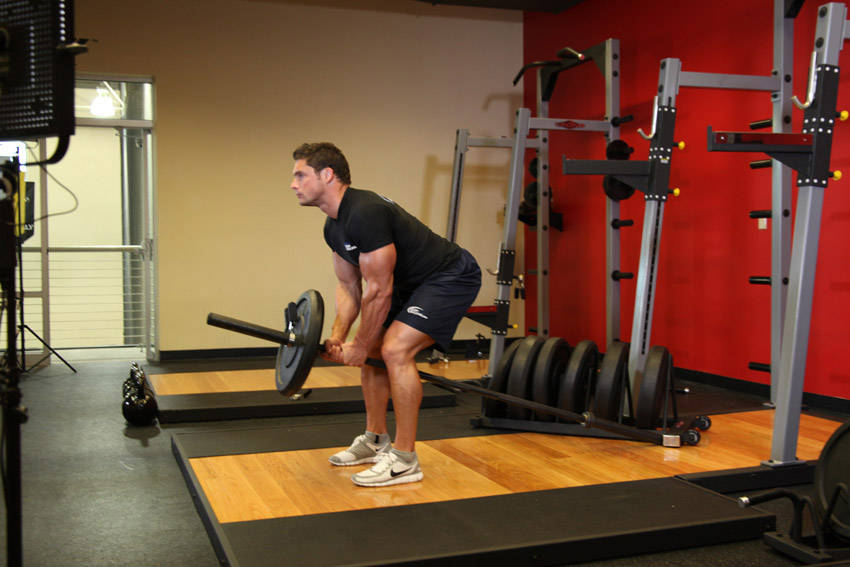
More comparisons with Bent Over One-arm Long Bar Row
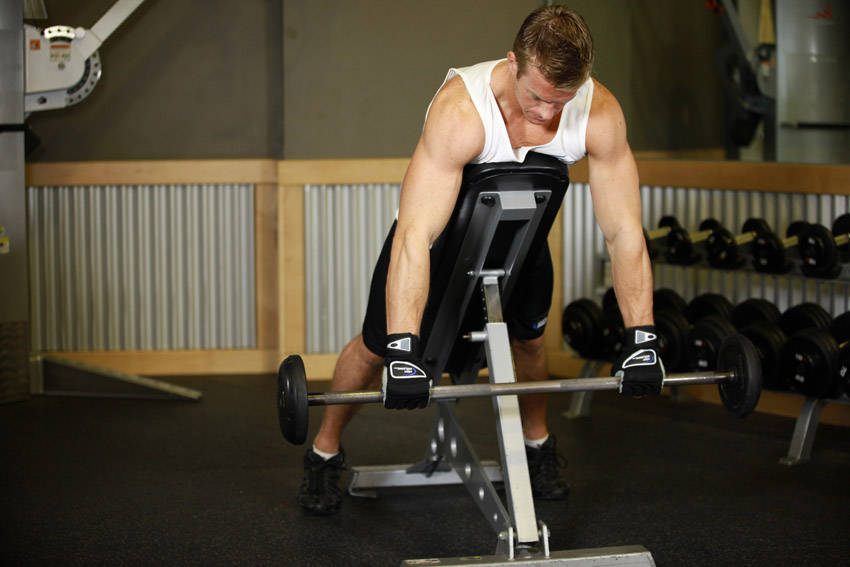

More comparisons with Lying Cambered Barbell Row
Compare More Exercises
Use our free comparison tool to analyze any two exercises head-to-head.
Compare Exercises