

Bent Over One-Arm Long Bar Row vs T-Bar Row With Handle: Complete Comparison Guide
Bent Over One-Arm Long Bar Row vs T-Bar Row With Handle — you want a middle-back builder that fits your setup and goals. I’ll walk you through how each exercise loads the middle traps and rhomboids, the differences in secondary muscle work (biceps, lats, lower back), precise technique cues, equipment needs, and clear recommendations for hypertrophy, strength, beginners, and home programs. Read on for movement mechanics, rep ranges, and when to pick one over the other so your back training is efficient and measurable.
Exercise Comparison
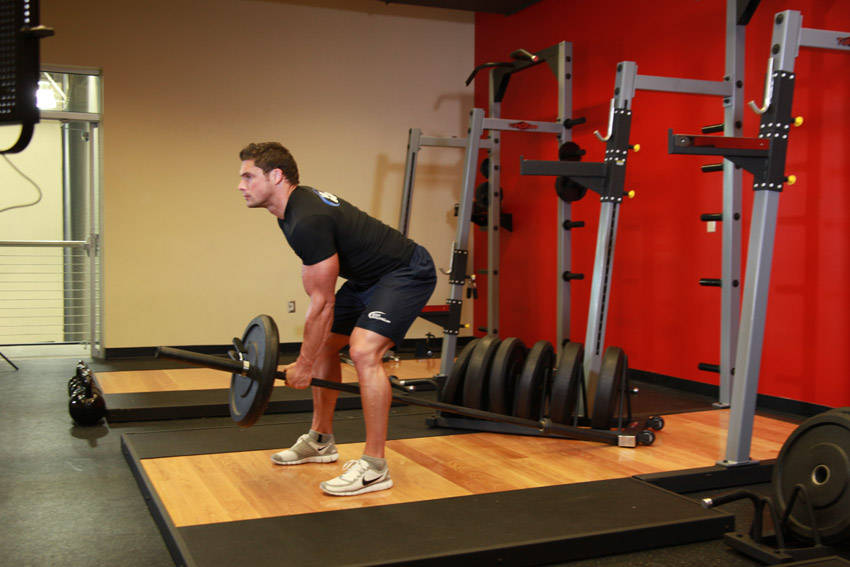
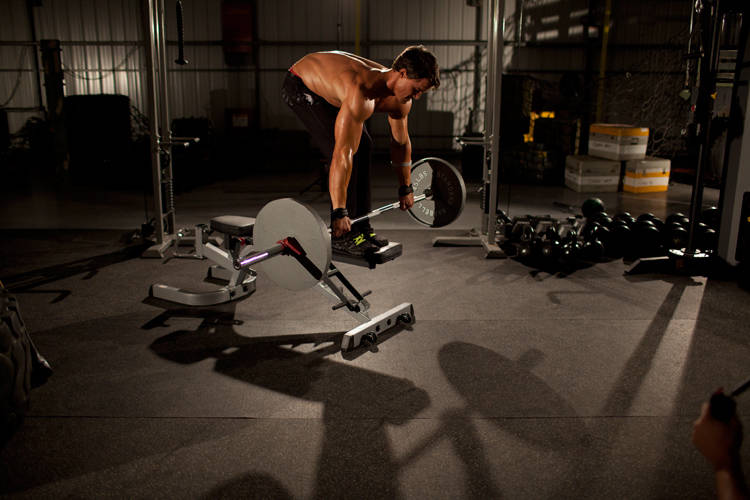
Bent Over One-arm Long Bar Row

T-bar Row With Handle
Head-to-Head Comparison
| Attribute | Bent Over One-arm Long Bar Row | T-bar Row With Handle |
|---|---|---|
| Target Muscle |
Middle-back
|
Middle-back
|
| Body Part |
Back
|
Back
|
| Equipment |
Barbell
|
Barbell
|
| Difficulty |
Intermediate
|
Intermediate
|
| Movement Type |
Compound
|
Compound
|
| Secondary Muscles |
4
|
2
|
Secondary Muscles Activated
Bent Over One-arm Long Bar Row
T-bar Row With Handle
Visual Comparison
Overview
Bent Over One-Arm Long Bar Row vs T-Bar Row With Handle — you want a middle-back builder that fits your setup and goals. I’ll walk you through how each exercise loads the middle traps and rhomboids, the differences in secondary muscle work (biceps, lats, lower back), precise technique cues, equipment needs, and clear recommendations for hypertrophy, strength, beginners, and home programs. Read on for movement mechanics, rep ranges, and when to pick one over the other so your back training is efficient and measurable.
Key Differences
- Both exercises target the Middle-back using Barbell. The main differences are in their movement patterns and muscle activation angles.
Pros & Cons
Bent Over One-arm Long Bar Row
+ Pros
- Greater unilateral core and anti-rotation stimulus — improves single-side stability
- Higher lower-back recruitment for posterior chain integration
- Easy to set up with only a barbell and plates
- Excellent for fixing left-right strength imbalances
− Cons
- Higher technical demand on spinal position and anti-rotation control
- Harder to load heavy safely compared to bilateral T-Bar
- Can increase lumbar stress if form breaks down
T-bar Row With Handle
+ Pros
- Allows safer heavy loading and clear progressive overload
- More consistent lat and biceps recruitment with less spinal rotation
- Easier to learn and coach — consistent movement pattern
- Often more comfortable for lifters with lower-back issues (with chest support)
− Cons
- Requires a landmine/handle attachment or gym setup
- Less unilateral core challenge — limited anti-rotation carryover
- Can bias lats over mid-traps if chest angle is too low
When Each Exercise Wins
T-Bar Rows let you load progressively and hit mid-back under controlled tension across 6–12 reps. The bilateral setup reduces limiting stabilization demands, letting you stimulate middle traps and rhomboids more consistently for muscle growth.
Because you can safely use heavier loads and maintain a steady force vector, T-Bar Rows are superior for building raw horizontal-pull strength in low rep ranges (3–6 reps) while minimizing spinal torsion.
The T-Bar's symmetrical setup and easier spinal positioning make it simpler to learn solid technique. Beginners can focus on scapular retraction and load progression without managing unilateral balance or strong anti-rotation demands.
You only need a barbell and plates for the one-arm long-bar row, so it's practical for limited equipment setups. It also gives unilateral training options and core stimulus without buying attachments.
Frequently Asked Questions
Can I do both Bent Over One-Arm Long Bar Row and T-Bar Row With Handle in the same workout?
Yes. Use the T-Bar Row as your heavy, compound main set (3–6 or 6–12 reps) and follow with Bent Over One-Arm Long Bar Rows as a supplemental unilateral exercise to address imbalances and add core work. Sequence heavy bilateral work first, then unilateral for fatigue management.
Which exercise is better for beginners?
T-Bar Row With Handle is better for most beginners because it teaches a stable horizontal-pull pattern with less demand on anti-rotation and lower-back control. Once baseline strength and bracing improve, introduce the one-arm long-bar row to build unilateral stability.
How do the muscle activation patterns differ?
The one-arm long-bar row increases unilateral stabilizer and lower-back activation due to anti-rotation forces and a hinged torso. The T-Bar Row produces a more symmetric pull, emphasizing lat and biceps tension with steadier scapular retraction and less transverse-plane demand.
Can T-Bar Row With Handle replace Bent Over One-Arm Long Bar Row?
Yes for many goals—T-Bar Rows can replace one-arm long-bar rows when your priority is hypertrophy or strength and you want simpler loading. Keep the one-arm variation as a supplement when you need unilateral work or a home-friendly option.
Expert Verdict
Choose the T-Bar Row With Handle when you want consistent middle-back stimulus, higher absolute loading, and simpler progression for hypertrophy and strength—especially if you have access to a landmine or T-bar setup. Pick the Bent Over One-Arm Long Bar Row when you need a minimal-equipment solution, want to train unilateral strength or correct imbalances, or want added anti-rotation and posterior chain integration. For most lifters seeking maximum muscle growth with efficient progression, prioritize T-Bar rows in 6–12 rep blocks and supplement with one-arm long-bar rows for imbalance work and core stability.
Also Compare
More comparisons with Bent Over One-arm Long Bar Row
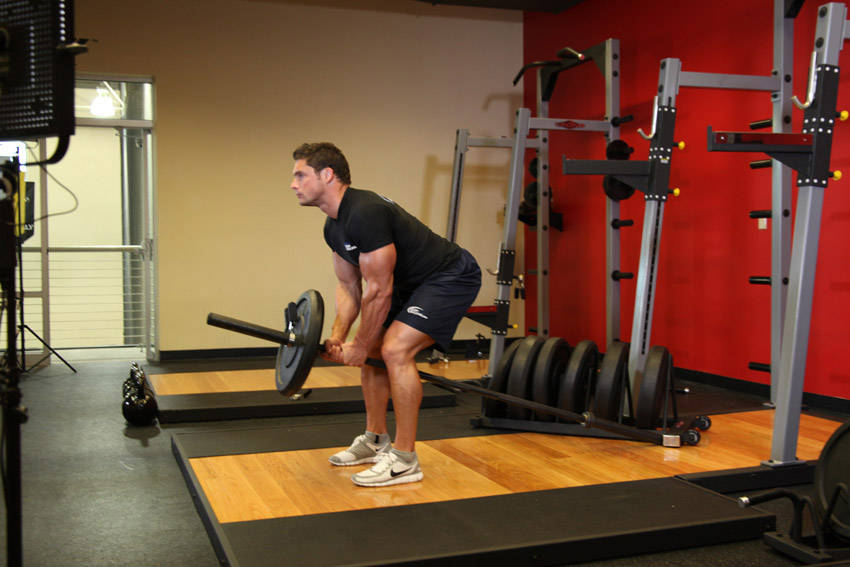
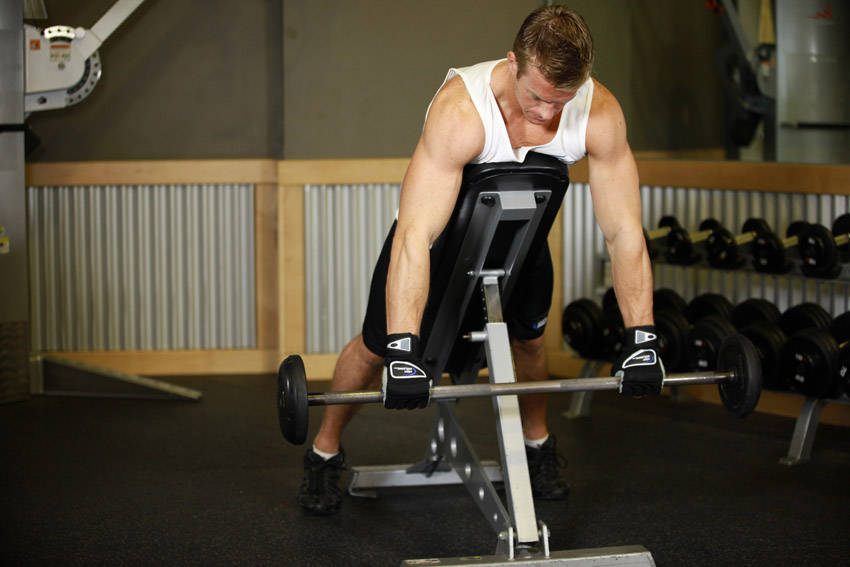
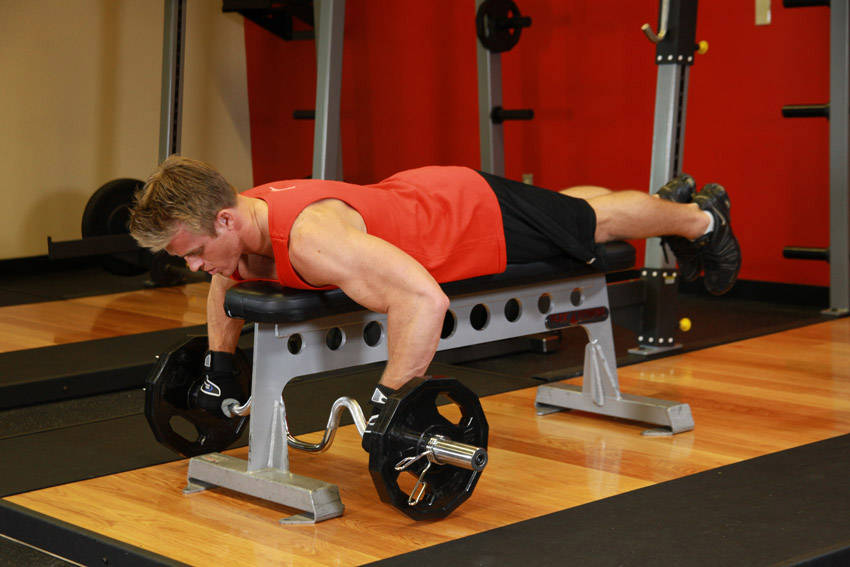
More comparisons with T-bar Row With Handle
Compare More Exercises
Use our free comparison tool to analyze any two exercises head-to-head.
Compare Exercises