

Bent Over Two-Arm Long Bar Row vs Incline Bench Pull: Complete Comparison Guide
Bent Over Two-Arm Long Bar Row vs Incline Bench Pull — you’ve got two solid barbell choices for building a thicker middle-back. In this guide you’ll get a clear, side-by-side look at how each exercise loads the middle traps and rhomboids, which secondary muscles take more work, the equipment and technique differences, plus practical programming tips (angles, rep ranges, and progressions). I’ll show you when to pick the bent-over row or the incline bench pull based on muscle growth, strength, injury risk, and training setup.
Exercise Comparison
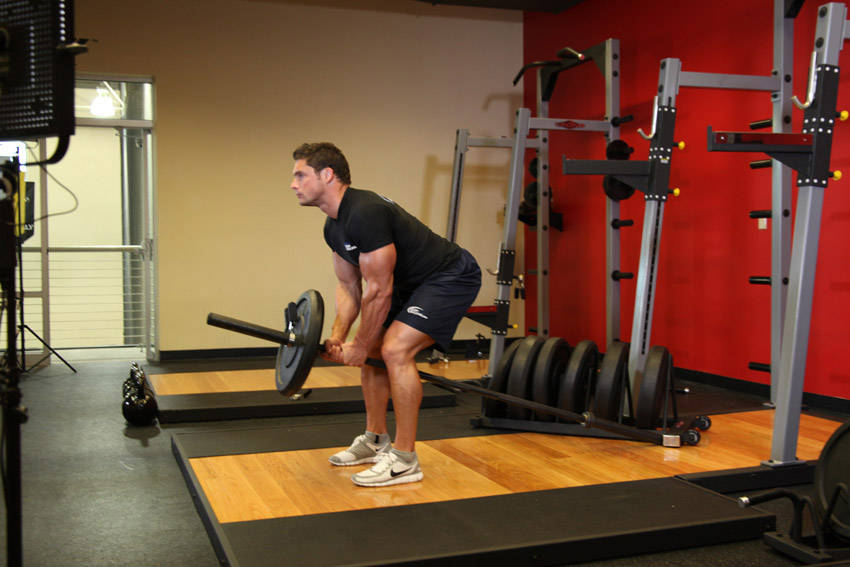
Bent Over Two-arm Long Bar Row
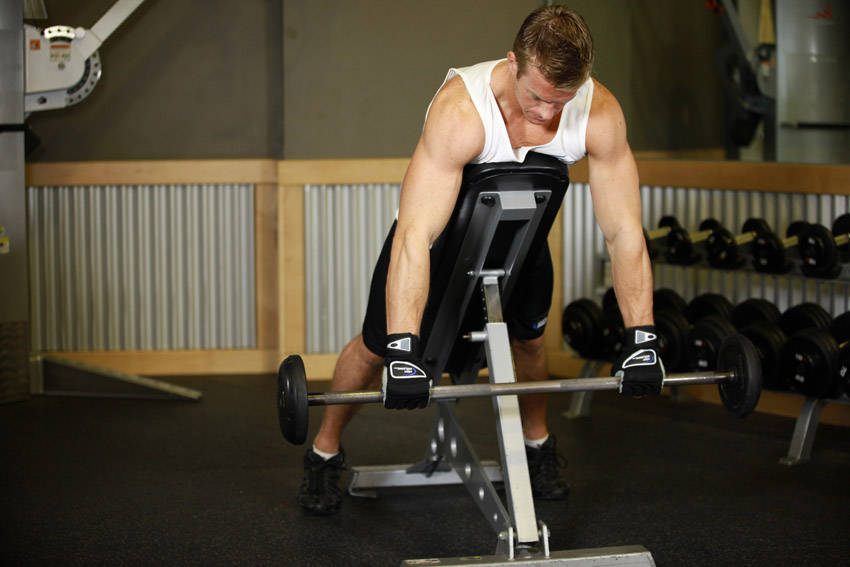
Incline Bench Pull
Head-to-Head Comparison
| Attribute | Bent Over Two-arm Long Bar Row | Incline Bench Pull |
|---|---|---|
| Target Muscle |
Middle-back
|
Middle-back
|
| Body Part |
Back
|
Back
|
| Equipment |
Barbell
|
Barbell
|
| Difficulty |
Intermediate
|
Intermediate
|
| Movement Type |
Compound
|
Compound
|
| Secondary Muscles |
2
|
2
|
Secondary Muscles Activated
Bent Over Two-arm Long Bar Row
Incline Bench Pull
Visual Comparison
Overview
Bent Over Two-Arm Long Bar Row vs Incline Bench Pull — you’ve got two solid barbell choices for building a thicker middle-back. In this guide you’ll get a clear, side-by-side look at how each exercise loads the middle traps and rhomboids, which secondary muscles take more work, the equipment and technique differences, plus practical programming tips (angles, rep ranges, and progressions). I’ll show you when to pick the bent-over row or the incline bench pull based on muscle growth, strength, injury risk, and training setup.
Key Differences
- Both exercises target the Middle-back using Barbell. The main differences are in their movement patterns and muscle activation angles.
Pros & Cons
Bent Over Two-arm Long Bar Row
+ Pros
- Heavier absolute loading for strength and hypertrophy
- Strong posterior chain and spinal erector engagement improves overall back thickness
- Versatile progressions and variations (Pendlay, Yates, tempo)
- No bench required—easier to do in limited equipment settings
− Cons
- Higher lumbar shear and compressive forces if form breaks
- Requires solid hip hinge and core stability to perform safely
- Can be hard to maintain consistent bar path and scapular control under fatigue
Incline Bench Pull
+ Pros
- Torso support reduces lumbar stress and simplifies technique
- Cleaner scapular retraction pattern—good for targeting middle traps
- Can reduce momentum and cheating, improving muscle focus
- Useful for lifters with limited lower-back tolerance or rehab needs
− Cons
- Requires an adjustable bench, limiting accessibility
- Less potential for maximal absolute loading compared to free-standing rows
- Can stress shoulders if elbow path and bench angle are mismanaged
When Each Exercise Wins
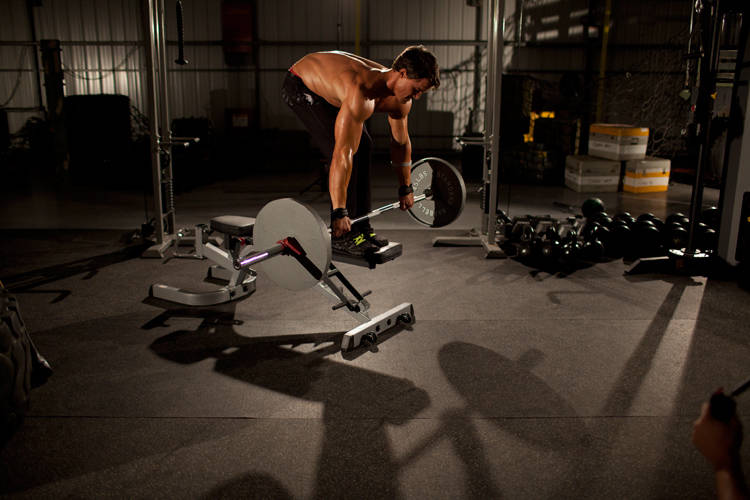
Bent-over rows allow higher absolute loads and a longer time-under-tension at the stretched position of the mid-back. Use 6–12 reps, controlled eccentric tempo (2–4 seconds), and progressive overload to maximize cross-sectional growth of the middle traps and rhomboids.
Because you can load the bar heavier and train with lower rep ranges (3–5), the bent-over row better transfers to maximal pulling strength and posterior chain capacity. Maintain a neutral spine and brace to handle heavier sets safely.
The incline bench stabilizes your torso, removing the complex hip-hinge and lumbar control demands, so you can learn scapular retraction and elbow path more quickly. Start with 8–12 reps and a moderate incline (30–45°) to build technical proficiency.
Most home setups include a barbell and plates but not an adjustable incline bench, making the bent-over row the practical choice. It still targets the middle-back effectively with minimal equipment.
Frequently Asked Questions
Can I do both Bent Over Two-Arm Long Bar Row and Incline Bench Pull in the same workout?
Yes—pairing them works well if you structure intensity. Use the heavier bent-over row as a primary strength movement (3–5 sets of 3–6) and follow with 2–3 lighter incline bench pull sets for volume and technique maintenance (8–12 reps). Watch total spine loading and adjust sets to avoid fatigue-driven form breakdown.
Which exercise is better for beginners?
Incline Bench Pull is generally better for beginners because the bench stabilizes the torso and lets you focus on scapular retraction and elbow mechanics. Start at a 30–45° incline with moderate reps to build motor patterns before introducing heavy bent-over rows.
How do the muscle activation patterns differ?
Bent-over rows load the middle-back while demanding hip-hinge stability and greater biceps and erector activation; tension peaks near full scapular retraction and at the bottom stretch. Incline bench pulls reduce erector demand and shift a bit more work to lats and posterior delts due to the support and altered pull angle, creating a steadier force vector through the rep.
Can Incline Bench Pull replace Bent Over Two-Arm Long Bar Row?
The incline bench pull can replace bent-over rows if your priority is reducing spinal load or rehabbing the lower back, and you still want solid middle-back stimulation. For maximal strength and heavy progressive loading, however, bent-over rows remain the superior primary choice.
Expert Verdict
Choose the Bent Over Two-Arm Long Bar Row when your goal is maximal mid-back thickness and strength and you can maintain a solid hip hinge and neutral spine. Program it for 3–5 heavy sets in the 3–8 rep range for strength or 3–4 sets of 6–12 for hypertrophy with controlled eccentrics. Pick the Incline Bench Pull when you need reduced lumbar stress, tighter scapular control, or a cleaner mid-back isolation—use 3–4 sets of 8–12 at a 30–45° bench angle. Both are intermediate compound moves; alternate them across phases or use the incline variation on recovery-focused weeks to preserve spinal load while continuing back progress.
Also Compare
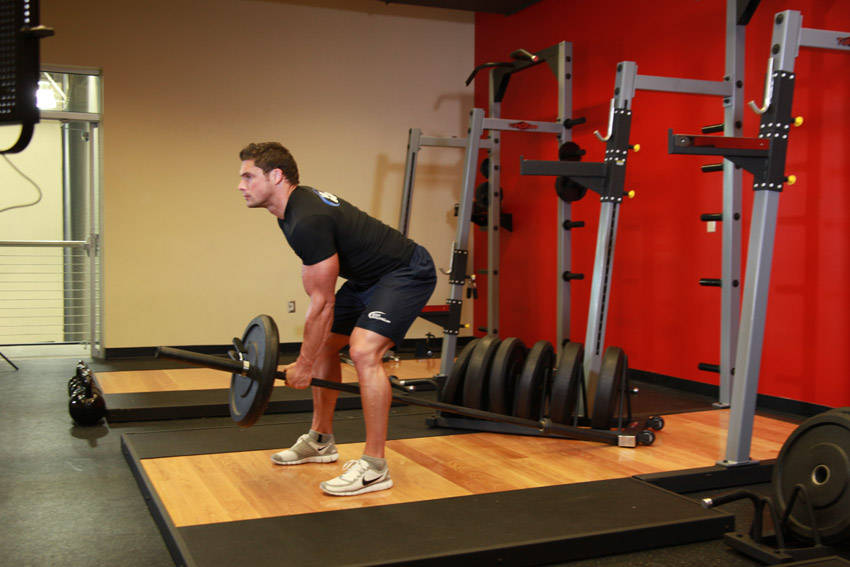
More comparisons with Bent Over Two-arm Long Bar Row
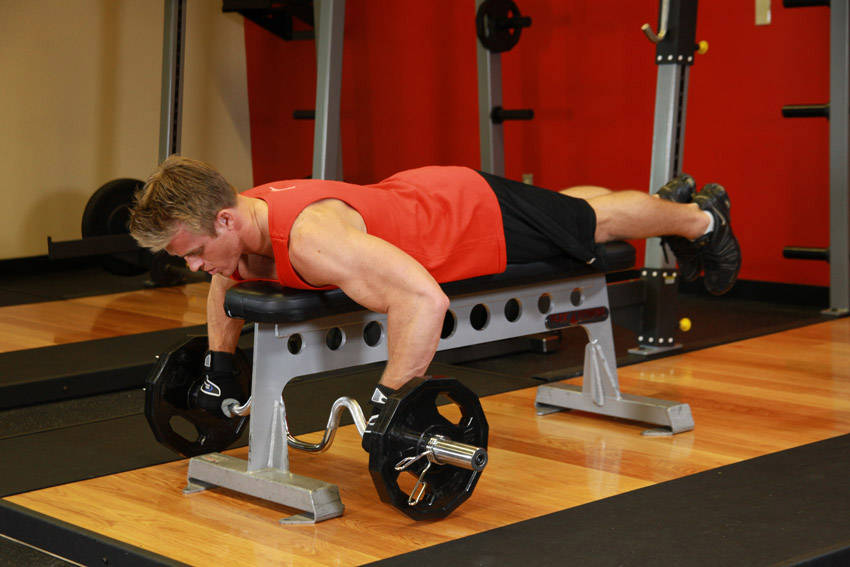

More comparisons with Incline Bench Pull
Compare More Exercises
Use our free comparison tool to analyze any two exercises head-to-head.
Compare Exercises