

Bent Over Two-Arm Long Bar Row vs Straight Bar Bench Mid Rows: Complete Comparison Guide
Bent Over Two-Arm Long Bar Row vs Straight Bar Bench Mid Rows — both pull variations lock onto the middle-back, but they load the spine, scapulae, and biceps differently. You’ll get clear, actionable differences so you can pick the right row for your goals. I’ll cover muscle activation and biomechanics (torso angle, force vector, length-tension), equipment needs, learning curve, injury risk, and practical programming tips including rep ranges and progression cues so you can use whichever exercise fits your routine.
Exercise Comparison
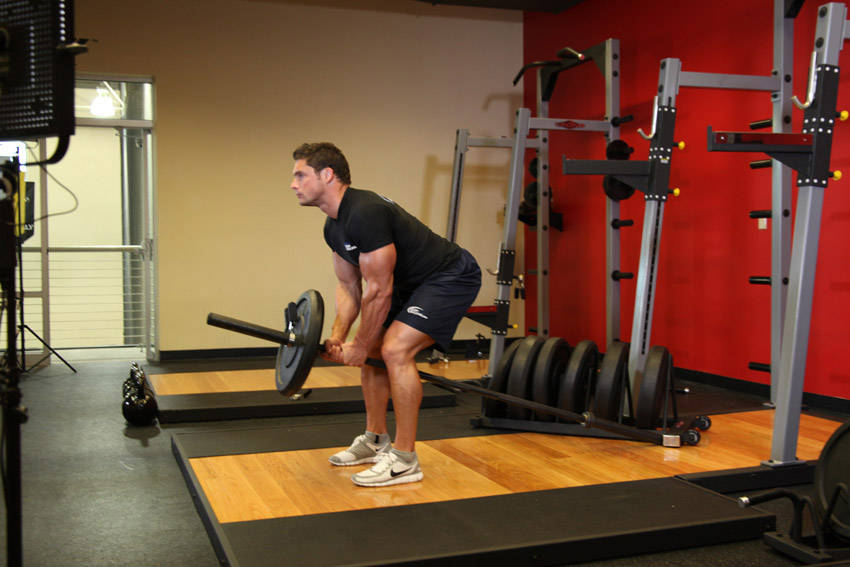
Bent Over Two-arm Long Bar Row
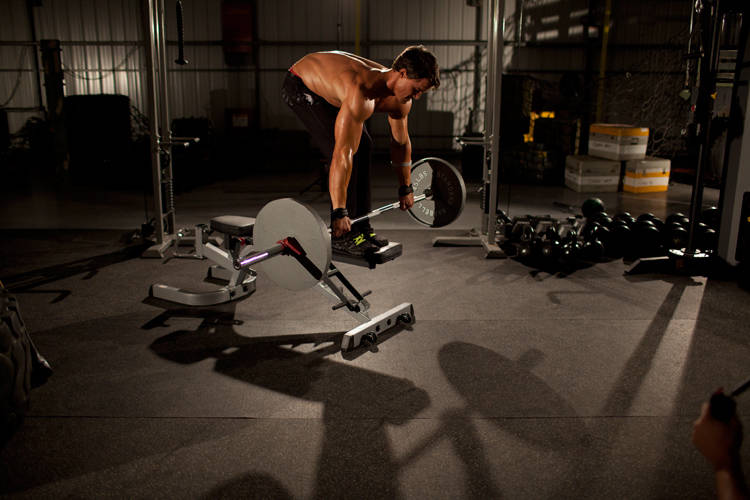
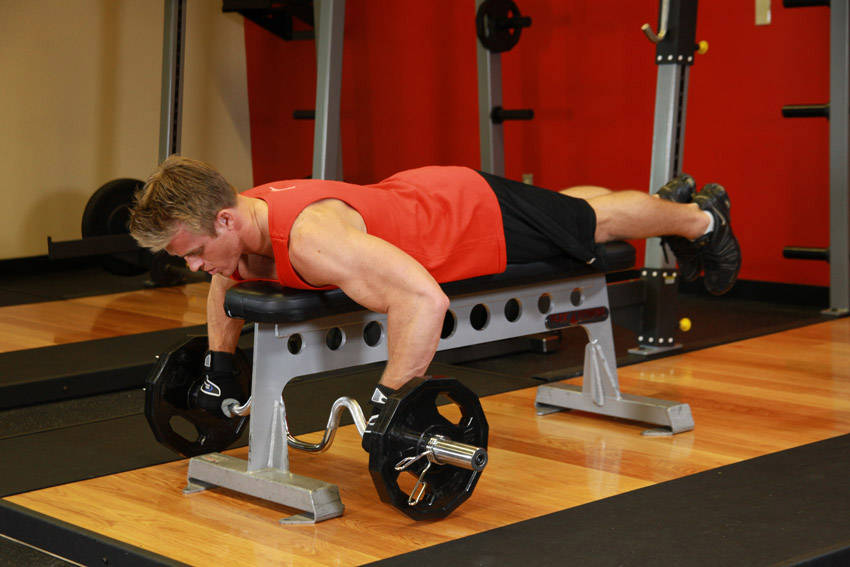
Straight Bar Bench Mid Rows
Head-to-Head Comparison
| Attribute | Bent Over Two-arm Long Bar Row | Straight Bar Bench Mid Rows |
|---|---|---|
| Target Muscle |
Middle-back
|
Middle-back
|
| Body Part |
Back
|
Back
|
| Equipment |
Barbell
|
Barbell
|
| Difficulty |
Intermediate
|
Intermediate
|
| Movement Type |
Compound
|
Compound
|
| Secondary Muscles |
2
|
2
|
Secondary Muscles Activated
Bent Over Two-arm Long Bar Row
Straight Bar Bench Mid Rows
Visual Comparison
Overview
Bent Over Two-Arm Long Bar Row vs Straight Bar Bench Mid Rows — both pull variations lock onto the middle-back, but they load the spine, scapulae, and biceps differently. You’ll get clear, actionable differences so you can pick the right row for your goals. I’ll cover muscle activation and biomechanics (torso angle, force vector, length-tension), equipment needs, learning curve, injury risk, and practical programming tips including rep ranges and progression cues so you can use whichever exercise fits your routine.
Key Differences
- Both exercises target the Middle-back using Barbell. The main differences are in their movement patterns and muscle activation angles.
Pros & Cons
Bent Over Two-arm Long Bar Row
+ Pros
- Stronger posterior chain and erector activation for total-body strength
- Greater carryover to deadlift and hinge-based lifts
- More loading options and progressive overload potential
- Develops core anti-flexion and hip hinge mechanics
− Cons
- Higher lumbar stress if technique or bracing is poor
- Requires better hip-hinge mechanics and coordination
- Can use momentum if tempo and control aren’t enforced
Straight Bar Bench Mid Rows
+ Pros
- Chest support reduces lumbar load, safer for those with lower-back issues
- Easier to focus on scapular retraction and middle-trap contraction
- Cleaner repetition mechanics with less cheating
- Effective for strict hypertrophy work (6–12 rep range) and tempo training
− Cons
- Less posterior chain engagement and lower overall systemic overload
- Depends on having a suitable bench and setup
- Can undertrain lower-back stability if used exclusively
When Each Exercise Wins
Bench-supported rows let you isolate the middle-back, maintain perfect scapular retraction, and use strict 6–12 rep sets with slow eccentrics. Reduced lumbar fatigue lets you increase volume for targeted hypertrophy without limiting sets due to lower-back soreness.
The bent-over row integrates the posterior chain and core, providing better transfer to heavy pulling strength and compound lifts. The exercise tolerates heavier loads and builds spine-stabilizer strength useful for deadlifts and heavy rows.
Support from the bench simplifies technique so beginners can grok scapular retraction and elbow-driven pulling without managing a hip hinge and lumbar load. That controlled setup reduces the risk of form breakdown.
If you have only a barbell and plates but no bench, the bent-over row gives maximum utility. It trains multiple systems (back, hips, core) with minimal gear, making it ideal for compact home setups.
Frequently Asked Questions
Can I do both Bent Over Two-Arm Long Bar Row and Straight Bar Bench Mid Rows in the same workout?
Yes. Pair them smartly: use one as a primary heavy move (e.g., bent-over for 3–6 reps) and the other as a volume finisher (bench rows for 8–12 reps). Keep total set volume balanced and watch lumbar fatigue if you perform both heavy.
Which exercise is better for beginners?
Straight Bar Bench Mid Rows are better for beginners because the bench stabilizes the torso, letting you learn scapular retraction and elbow mechanics without mastering the hip hinge. Progress to bent-over rows once you can brace and hinge safely.
How do the muscle activation patterns differ?
Bent-over rows increase erector spinae and posterior chain activation due to the unsupported torso and hip hinge, while bench-supported rows emphasize middle traps and rhomboids with reduced lumbar activation. Force-vector differences mean bent-over rows load the back more through horizontal shear, bench rows through isolated scapular retraction.
Can Straight Bar Bench Mid Rows replace Bent Over Two-Arm Long Bar Row?
They can replace bent-over rows for hypertrophy and injury-limited training, but not fully for posterior-chain strength. If your goal is raw pulling strength and spine conditioning, keep bent-over rows in your program alongside bench-supported rows.
Expert Verdict
Choose Bent Over Two-Arm Long Bar Row when you want heavy, integrated posterior-chain work and carryover to compound lifts; set your torso around 30–45° with a slight knee bend and use controlled 3–6 rep strength sets or 6–10 for a heavier hypertrophy stimulus. Pick Straight Bar Bench Mid Rows when your priority is middle-back thickness, joint protection, or high-volume hypertrophy; use strict 6–12 rep sets with 2–4 second eccentrics and full scapular retraction. If you train around a lower-back limitation, favor bench-supported rows; if you aim to build raw pulling strength and core stiffness, favor the bent-over variation.
Also Compare
More comparisons with Bent Over Two-arm Long Bar Row
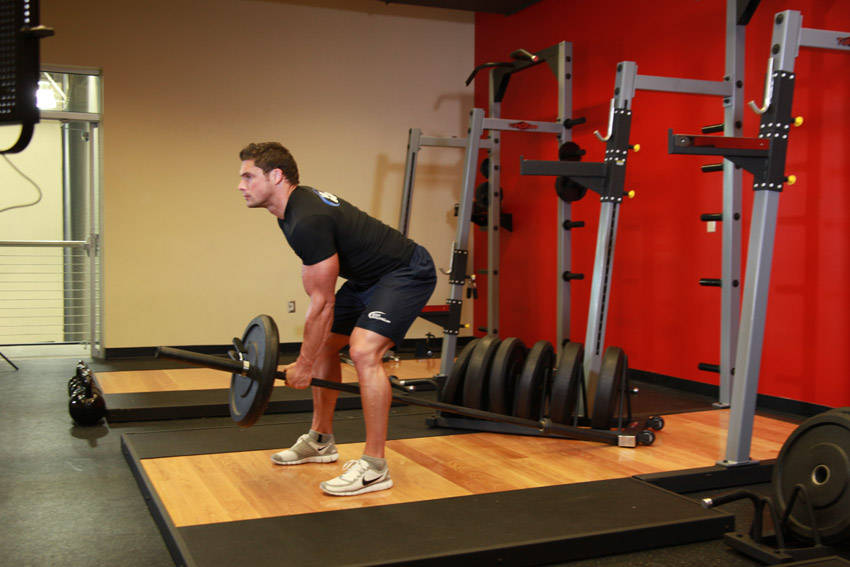
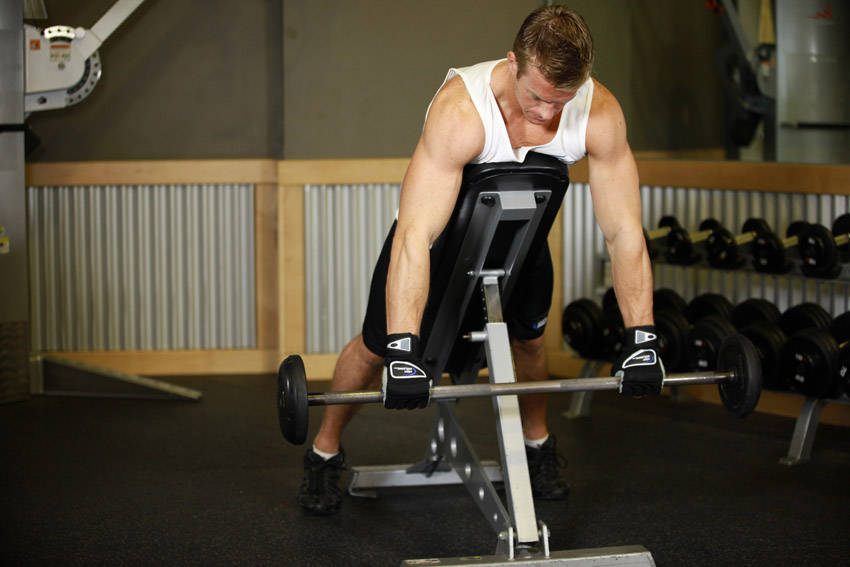

More comparisons with Straight Bar Bench Mid Rows
Compare More Exercises
Use our free comparison tool to analyze any two exercises head-to-head.
Compare Exercises