

Bicycling, Stationary vs Elliptical Trainer: Complete Comparison Guide
Bicycling, Stationary vs Elliptical Trainer is a straightforward matchup for anyone looking to improve quad strength, cardiovascular fitness, or low-impact conditioning. You’ll get a clear breakdown of how each machine loads the quads, which secondary muscles assist, the equipment footprint and cost, learning curve, and practical workout templates. I’ll explain the biomechanics—force vectors, knee and hip angles, and muscle length-tension—to help you choose the machine that matches your goals and limits. Read on for actionable cues, progression tips, and when to pick one over the other.
Exercise Comparison
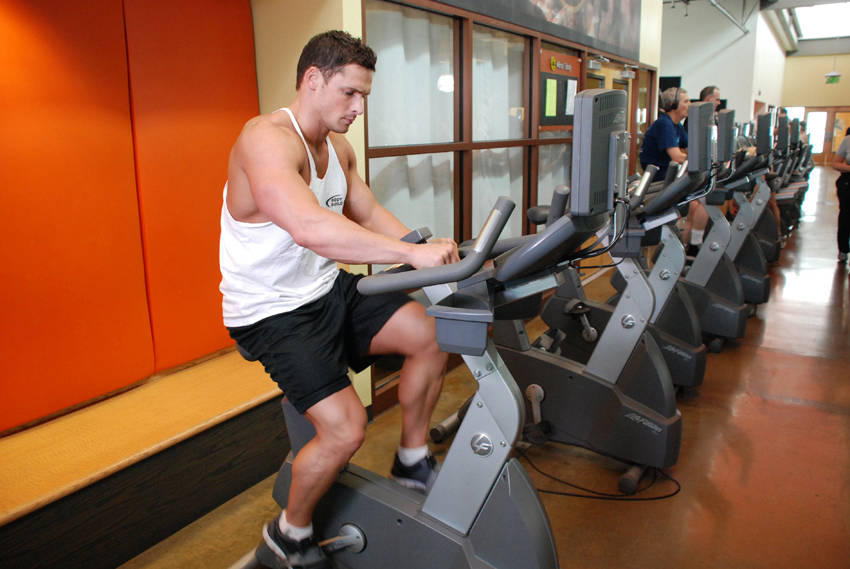
Bicycling, Stationary
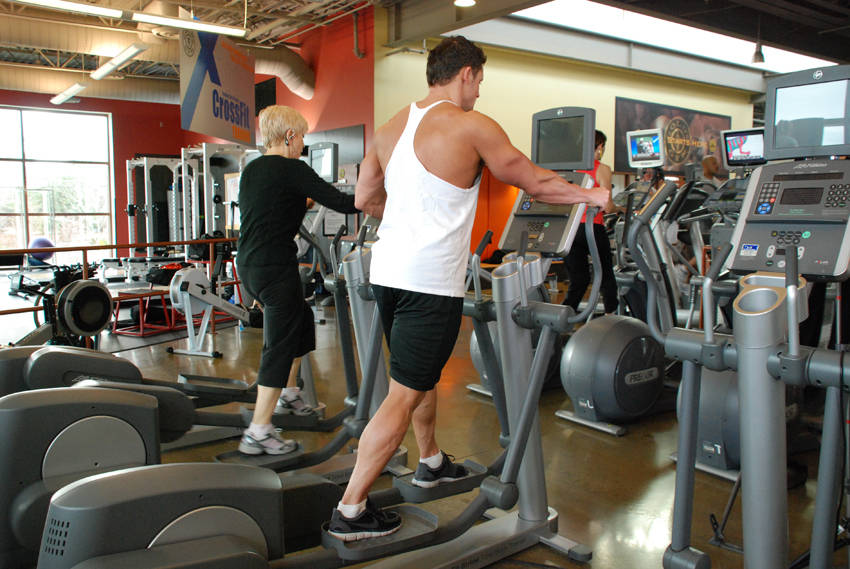
Elliptical Trainer
Head-to-Head Comparison
| Attribute | Bicycling, Stationary | Elliptical Trainer |
|---|---|---|
| Target Muscle |
Quads
|
Quads
|
| Body Part |
Cardio
|
Cardio
|
| Equipment |
Machine
|
Machine
|
| Difficulty |
Intermediate
|
Beginner
|
| Movement Type |
Compound
|
Compound
|
| Secondary Muscles |
3
|
3
|
Secondary Muscles Activated
Bicycling, Stationary
Elliptical Trainer
Visual Comparison
Overview
Bicycling, Stationary vs Elliptical Trainer is a straightforward matchup for anyone looking to improve quad strength, cardiovascular fitness, or low-impact conditioning. You’ll get a clear breakdown of how each machine loads the quads, which secondary muscles assist, the equipment footprint and cost, learning curve, and practical workout templates. I’ll explain the biomechanics—force vectors, knee and hip angles, and muscle length-tension—to help you choose the machine that matches your goals and limits. Read on for actionable cues, progression tips, and when to pick one over the other.
Key Differences
- Difficulty levels differ: Bicycling, Stationary is intermediate, while Elliptical Trainer is beginner.
- Both exercises target the Quads using Machine. The main differences are in their movement patterns and muscle activation angles.
Pros & Cons
Bicycling, Stationary
+ Pros
- Higher peak quad force and power output for short, intense efforts
- Compact and cheaper equipment options for home use
- Precise progression via resistance and cadence (watts measurable)
- Easy to perform seated or standing intervals to vary hip recruitment
− Cons
- Saddle discomfort and potential perineal pressure if fitted improperly
- Higher repetitive knee joint stress with poor setup or extreme cadence
- Less upper-body engagement unless complemented with other exercises
Elliptical Trainer
+ Pros
- Low-impact, joint-friendly continuous loading
- Handles add upper-body involvement and full-body conditioning
- Very beginner-friendly posture and balance demands
- Longer time-under-tension supports steady-state endurance
− Cons
- Lower peak power and less effective for high-resistance quad overload
- Larger footprint and typically higher cost for home models
- Can encourage forward lean and poor posture if form isn’t cued
When Each Exercise Wins
Stationary biking allows higher external resistance and peak knee-extension moments, so you can overload the quads with short 30–90 second high-resistance intervals or repeated 6–12 minute threshold efforts to increase time under tension and drive muscle growth.
Because you can measure and progressively increase watts and resistance, the stationary bike supports progressive overload in a way that translates to higher leg strength—perform seated heavy intervals or standing climbs to maximize knee-extension torque.
The elliptical’s guided footpath and low impact reduce coordination demands and joint stress, making it easier to maintain consistent form while building cardiovascular base and muscular endurance.
Stationary bikes take less floor space, cost less on average, and are easier to move. If space and budget are limited, a good bike delivers stronger progression options in a smaller package.
Frequently Asked Questions
Can I do both Bicycling, Stationary and Elliptical Trainer in the same workout?
Yes. Use the elliptical for a 10–15 minute low-impact warm-up, then do 20–30 minutes of high-resistance intervals on the stationary bike. Alternately, finish a bike session with 10 minutes on the elliptical to extend time under tension with lower peak forces.
Which exercise is better for beginners?
Elliptical Trainer is better for most beginners because it requires less technical setup and reduces joint impact. Start with 20–30 minute steady sessions at a conversational pace while focusing on upright posture and light hand engagement.
How do the muscle activation patterns differ?
Cycling produces cyclic peaks in quad activation concentrated on the downstroke around the 60°–120° crank angle, generating higher instantaneous knee-extension torque. The elliptical gives a more even activation across the stride with greater hip extension contribution, so quads work steadily but at lower peak force.
Can Elliptical Trainer replace Bicycling, Stationary?
For general cardio and low-impact training, yes—the elliptical can replace the bike. For targeted quad overload, strength-oriented intervals, or training to increase peak leg power, the stationary bike is the better choice.
Expert Verdict
Choose Bicycling, Stationary when your priority is targeted quad overload, measurable progression, and higher peak power—use heavy 30–90 second intervals, 8–12 minute tempo rides, and occasional standing sprints to stress the quadriceps and elicit muscle growth. Pick Elliptical Trainer if you need low-impact conditioning, safer joint loading, and an easy-to-learn full-body option; use longer steady-state sessions or 1–3 minute interval blocks to build endurance. For mixed goals, favor the bike for strength/hypertrophy phases and the elliptical for recovery or base endurance. Set cadence and resistance targets (e.g., 70–90 RPM on bike, moderate resistance with 40–50 cm stride on elliptical) and track progress weekly.
Also Compare
More comparisons with Bicycling, Stationary
Compare More Exercises
Use our free comparison tool to analyze any two exercises head-to-head.
Compare Exercises