

Bicycling vs Elliptical Trainer: Complete Comparison Guide
Bicycling vs Elliptical Trainer is a common choice when you want low-impact cardio that also challenges your quads. If you want to decide which fits your goals—muscle-focused conditioning, low joint stress, or easy home use—this guide has your back. You’ll get a direct look at primary quad activation, differences in calf, glute, and hamstring recruitment, equipment and accessibility needs, learning curve and injury risk, plus clear winner scenarios so you can pick the right tool for muscle growth, strength, beginners, or home workouts.
Exercise Comparison

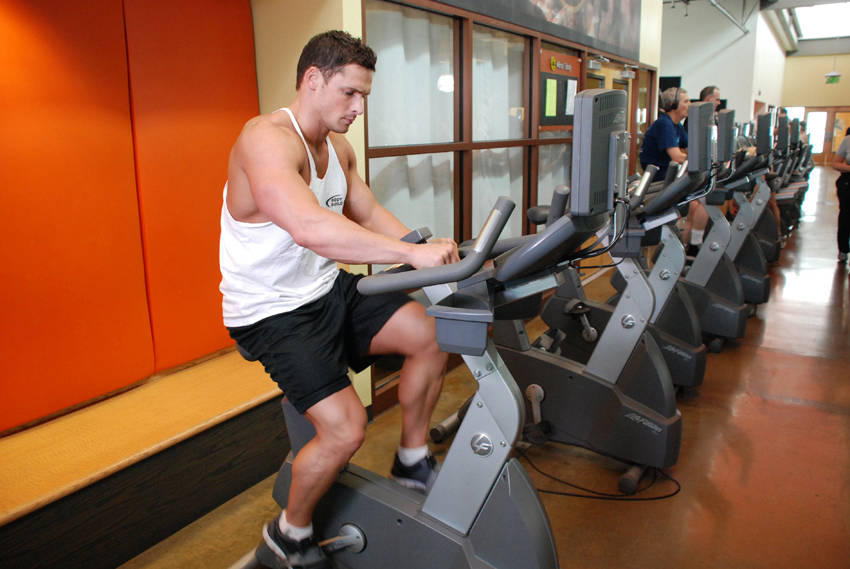
Bicycling
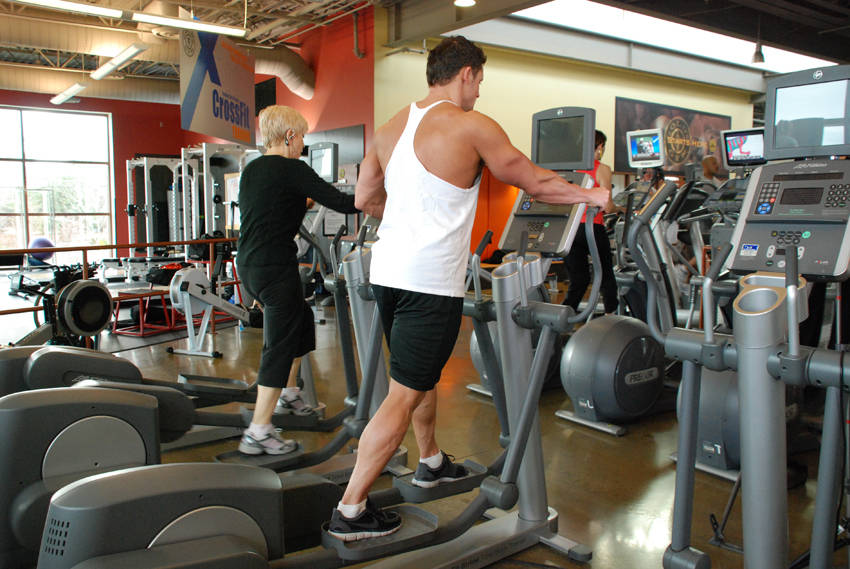
Elliptical Trainer
Head-to-Head Comparison
| Attribute | Bicycling | Elliptical Trainer |
|---|---|---|
| Target Muscle |
Quads
|
Quads
|
| Body Part |
Cardio
|
Cardio
|
| Equipment |
Other
|
Machine
|
| Difficulty |
Intermediate
|
Beginner
|
| Movement Type |
Compound
|
Compound
|
| Secondary Muscles |
3
|
3
|
Secondary Muscles Activated
Bicycling
Elliptical Trainer
Visual Comparison
Overview
Bicycling vs Elliptical Trainer is a common choice when you want low-impact cardio that also challenges your quads. If you want to decide which fits your goals—muscle-focused conditioning, low joint stress, or easy home use—this guide has your back. You’ll get a direct look at primary quad activation, differences in calf, glute, and hamstring recruitment, equipment and accessibility needs, learning curve and injury risk, plus clear winner scenarios so you can pick the right tool for muscle growth, strength, beginners, or home workouts.
Key Differences
- Equipment differs: Bicycling uses Other, while Elliptical Trainer requires Machine.
- Difficulty levels differ: Bicycling is intermediate, while Elliptical Trainer is beginner.
Pros & Cons
Bicycling
+ Pros
- High power and measurable progression with cadence and watts
- Efficient quad loading during the downstroke (peak around 60–90° knee flexion)
- Portable and scalable: outdoor and indoor options
- Easier to overload specific intervals and hill resistance for strength
− Cons
- Requires good bike fit (saddle height, fore-aft) to avoid knee and back pain
- More balance and skill required outdoors
- Less consistent hip/glute activation unless using high resistance or standing
Elliptical Trainer
+ Pros
- Low-impact, stable platform ideal for joints and rehab
- Longer time under tension increases muscular endurance
- Increased glute and hamstring recruitment with incline/resistance
- Beginner-friendly with minimal setup and no balance demands
− Cons
- Less precise load metrics compared to power on a bike
- Machine-dependent—limited outside the gym or without equipment
- Can encourage upper-body leaning and reduced lower-limb work if handled incorrectly
When Each Exercise Wins
Bicycling allows targeted overload via resistance, cadence and interval programming and measurable power (watts). Use heavy, low-cadence intervals (e.g., 4–8 x 3–6 minutes at high resistance, 4–7/10 RPE) to maximize quad time under tension and mechanical load for muscle growth.
Cycling—especially hill efforts or sprint intervals—creates higher peak pedal forces (force vector through crank) that better stimulate force production. Structured strength-endurance sessions (e.g., 6–8 x 30–60s high-resistance sprints) transfer to increased leg strength more directly than steady-state elliptical work.
The elliptical’s fixed stride and low-impact surface make it simpler to control and safer for novices. You can focus on consistent 20–30 minute sessions at moderate resistance (RPE 5–6) without mastering balance or bike fit.
If you already own a bike or a compact indoor trainer, bicycling offers flexible programming and outdoor options that maximize value. However, if you need a machine for shared indoor use with low joint stress, an elliptical is still a solid home investment.
Frequently Asked Questions
Can I do both Bicycling and Elliptical Trainer in the same workout?
Yes. Pairing them back-to-back works well: use the elliptical for a 10–20 minute low-impact warm-up, then 20–40 minutes of cycling intervals for higher mechanical load. Monitor fatigue and keep total leg volume within your weekly plan to avoid overuse.
Which exercise is better for beginners?
The Elliptical Trainer is better for most beginners because it removes balance demands and lowers joint impact. Start with 20–30 minute sessions at moderate resistance and focus on steady cadence before adding intervals.
How do the muscle activation patterns differ?
Bicycling concentrates concentric quad work during the downstroke with peak activation around 60–90° knee flexion and a pronounced crank force vector. The elliptical spreads work across a longer stride, increasing hip-extension torque and sustaining calf activation through a longer stance phase.
Can Elliptical Trainer replace Bicycling?
The elliptical can replace bicycling for general cardio, low-impact conditioning, and endurance, but it’s less precise for progressive strength or power training. If your goal is measured performance or maximum quad overload, keep bicycling in your plan.
Expert Verdict
Choose Bicycling if your priority is measurable overload and targeted quad strength or progressive conditioning. Use interval formats, hill repeats, and a correct bike fit (saddle height yielding ~25° knee flexion at bottom) to drive muscle growth and strength. Choose an Elliptical Trainer if you want a low-impact, beginner-friendly option that increases glute and hamstring work through a longer stride and vertical force vector. For mixed goals, combine both: use the elliptical for steady-state low-impact sessions and the bike for high-resistance intervals to concentrate mechanical loading on the quads.
Also Compare
More comparisons with Bicycling
Compare More Exercises
Use our free comparison tool to analyze any two exercises head-to-head.
Compare Exercises