

Body-up vs Dips - Triceps Version: Complete Comparison Guide
Body-up vs Dips - Triceps Version — you want stronger, thicker triceps, and these two compound body-weight moves both deserve a place in your program. I'll walk you through biomechanics, muscle activation, equipment needs, learning curve, and programming so you can pick the best option for your goals. You'll get clear technique cues (elbow path, torso angle, depth), recommended rep ranges (6–12 for hypertrophy, 3–6 for strength), and simple progressions like assisted variations, weighted dips, and tempo changes. Read this and choose the move that fits your shoulder health, equipment, and progress plan.
Exercise Comparison
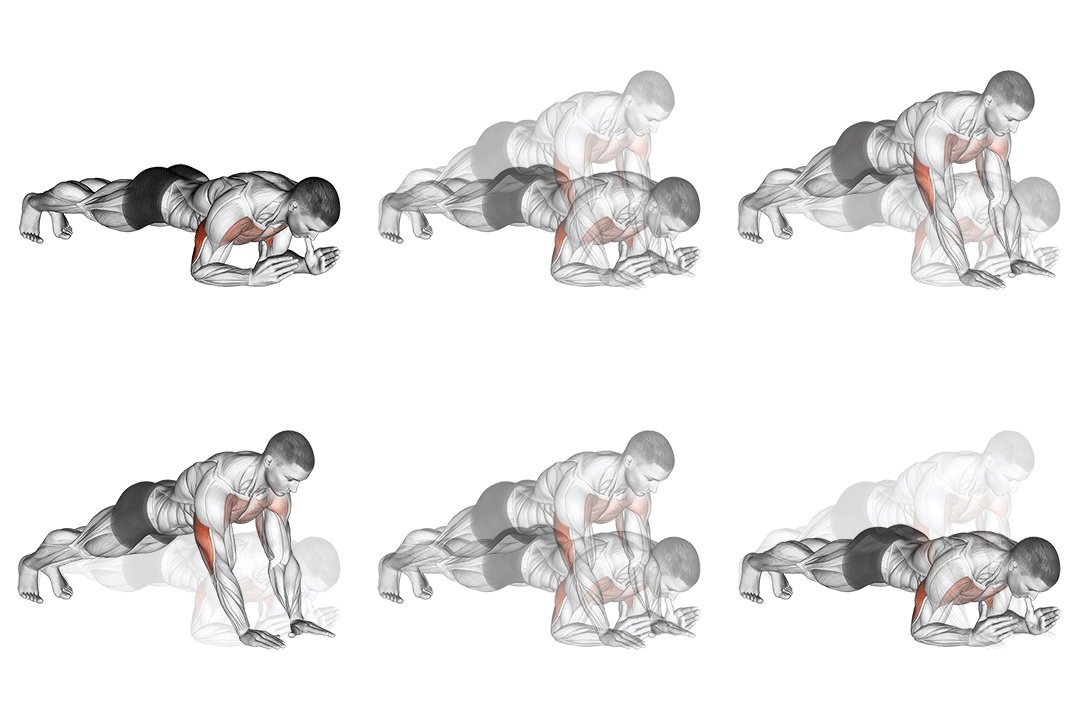
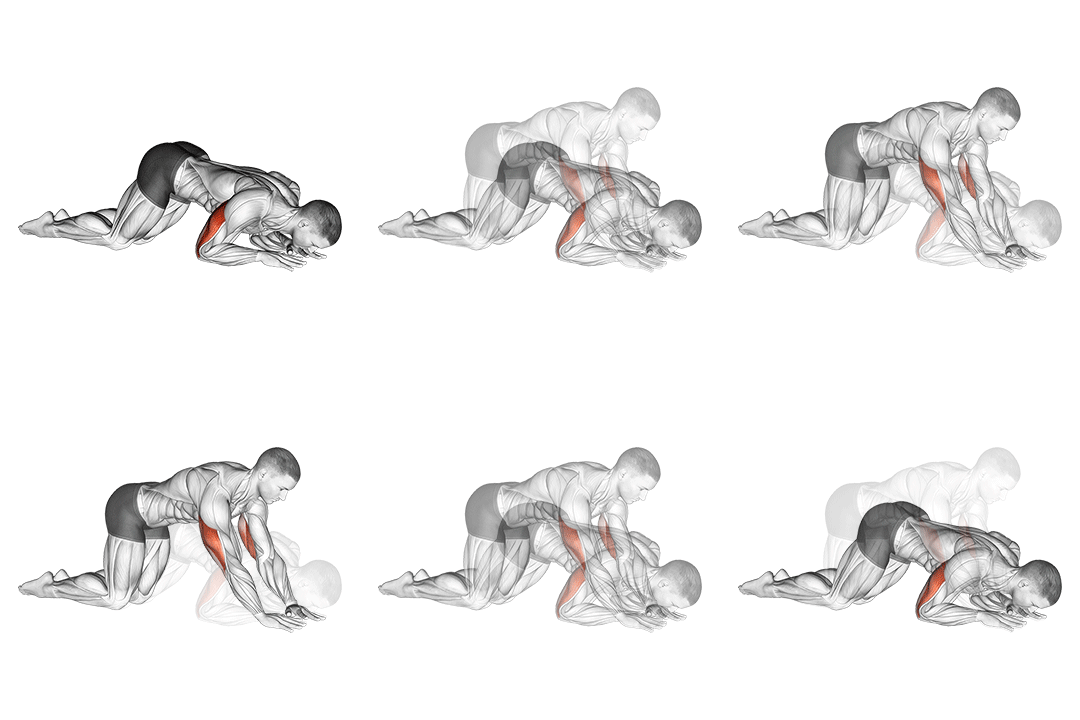
Body-up
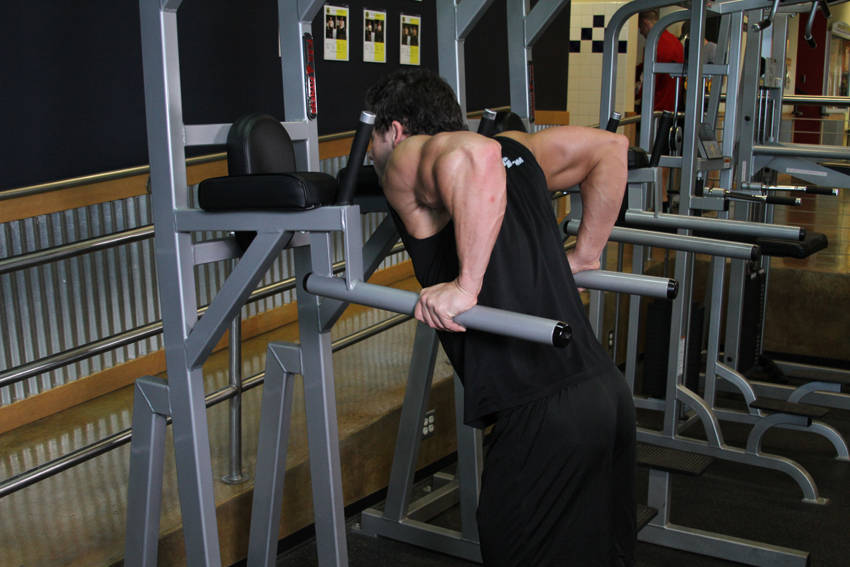
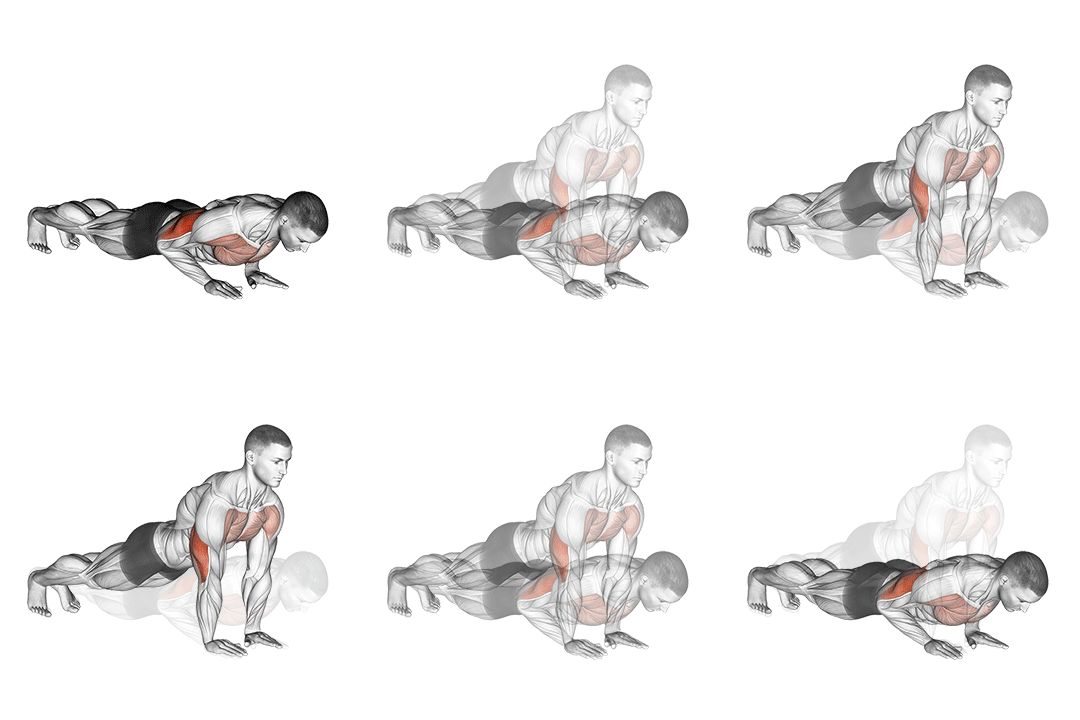
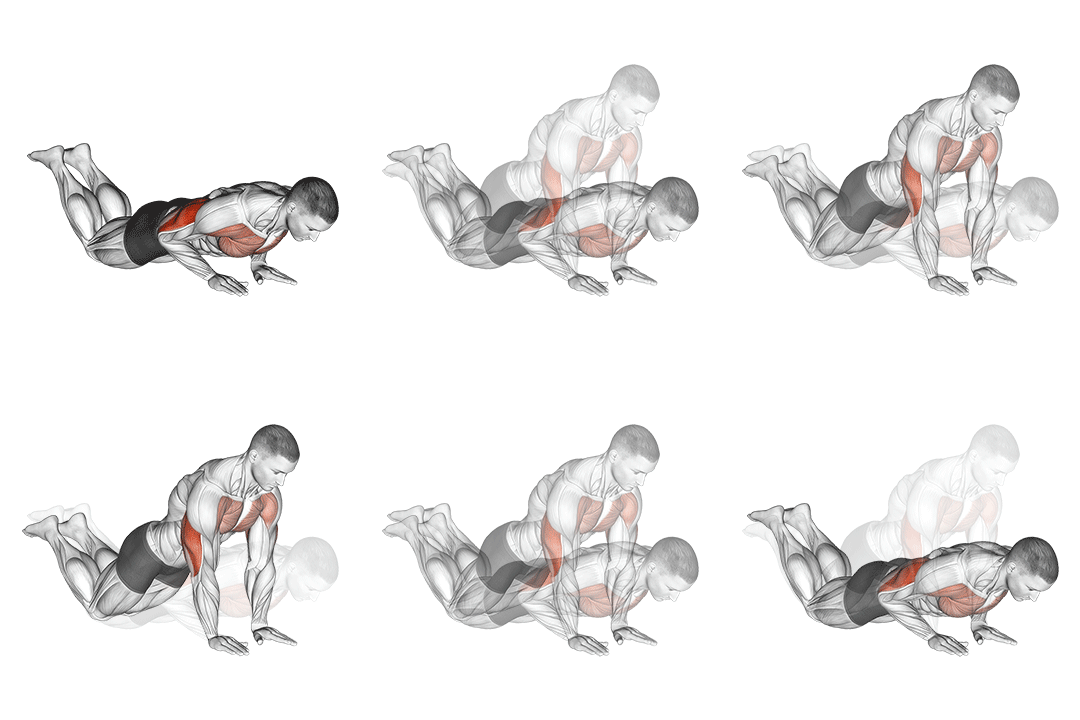
Dips - Triceps Version
Head-to-Head Comparison
| Attribute | Body-up | Dips - Triceps Version |
|---|---|---|
| Target Muscle |
Triceps
|
Triceps
|
| Body Part |
Upper-arms
|
Upper-arms
|
| Equipment |
Body-weight
|
Body-weight
|
| Difficulty |
Intermediate
|
Intermediate
|
| Movement Type |
Compound
|
Compound
|
| Secondary Muscles |
2
|
2
|
Secondary Muscles Activated
Body-up
Dips - Triceps Version
Visual Comparison
Overview
Body-up vs Dips - Triceps Version — you want stronger, thicker triceps, and these two compound body-weight moves both deserve a place in your program. I'll walk you through biomechanics, muscle activation, equipment needs, learning curve, and programming so you can pick the best option for your goals. You'll get clear technique cues (elbow path, torso angle, depth), recommended rep ranges (6–12 for hypertrophy, 3–6 for strength), and simple progressions like assisted variations, weighted dips, and tempo changes. Read this and choose the move that fits your shoulder health, equipment, and progress plan.
Key Differences
- Both exercises target the Triceps using Body-weight. The main differences are in their movement patterns and muscle activation angles.
Pros & Cons
Body-up
+ Pros
- Easy to regress or modify by changing torso angle or using an elevated surface
- Lower shoulder impingement risk when performed with neutral range
- Can be performed with minimal equipment at home
- Good for building horizontal pushing mechanics and scapular control
− Cons
- Harder to add significant external load for maximal strength work
- Requires careful torso/bracing to avoid lumbar rounding
- May underload the long head compared to vertical dip variants
Dips - Triceps Version
+ Pros
- Excellent for overloading the triceps and long head via deeper shoulder extension
- Simple to progressively load with a belt or vest for strength and hypertrophy
- Strong mechanical advantage for high absolute torque on elbow extensors
- Translates well to pressing strength due to vertical force vector
− Cons
- Higher shoulder stress at deep ranges (past ~90°) for some lifters
- Requires parallel bars or rings, limiting home accessibility
- Harder to regress safely without assistance or bands
When Each Exercise Wins
Dips allow greater mechanical overload and put the long head under a larger stretch at the bottom, which increases tension through a longer portion of the ROM. That stretch combined with the ability to add 6–25+ lbs makes dips the superior choice for building muscle size in the triceps.
Because you can progressively add external load in small increments and use low rep ranges (3–6 reps) while maintaining a vertical force vector, dips are better for developing pure elbow-extension strength. The movement produces higher absolute torque at the joint, which promotes neural and strength adaptations.
Body-up offers easy regressions—raise the bar or bench to reduce load and practice clean elbow path and scapular control. That graded exposure (working in 8–15 rep ranges with controlled tempo) builds the movement pattern without excessive shoulder stress.
You can perform Body-ups using a bench, table, or low bar and scale intensity by changing angle or tempo, so no dedicated dip station is needed. This makes it the more practical, equipment-light option for consistent training at home.
Frequently Asked Questions
Can I do both Body-up and Dips - Triceps Version in the same workout?
Yes. Pair them intelligently: use Body-ups as a warm-up or higher-rep assistance set (8–15 reps) to groove movement and train endurance, then perform weighted dips or heavy dip sets (3–6 reps) as the primary strength stimulus. Manage total volume to avoid shoulder overuse.
Which exercise is better for beginners?
Body-up is better for most beginners because you can regress by increasing the incline and focus on clean elbow tracking and scapular control. Start with 3–4 sets of 8–12 controlled reps before progressing toward vertical dips.
How do the muscle activation patterns differ?
Dips shift more load to the long head via greater shoulder extension and create higher elbow torque through a larger ROM, so long-head activation rises especially near the bottom. Body-up emphasizes horizontal force and scapular control, concentrating peak triceps activation closer to lockout with more balanced chest/triceps contribution.
Can Dips - Triceps Version replace Body-up?
Dips can replace Body-ups if you have the shoulder health and equipment, since they offer stronger overload potential and similar triceps demand. However, keep Body-ups in your program when you need regressions, technique work, or a lower-risk option for shoulder recovery.
Expert Verdict
Use Dips - Triceps Version when your primary goal is heavy triceps overload or hypertrophy and you have healthy shoulders and access to parallel bars or rings. Program dips in 3–6 rep clusters for strength or 6–12 reps with tempo control for size, and add weight progressively. Choose Body-up when you need regressions, are training at home, or you want to prioritize scapular stability and safer shoulder angles. Work Body-ups in 8–15 rep ranges with slow eccentrics (2–4 seconds) to build muscle and control. Rotate both across phases: Body-up for technical work and recovery blocks; dips for heavy, high-tension phases.
Also Compare
More comparisons with Body-up
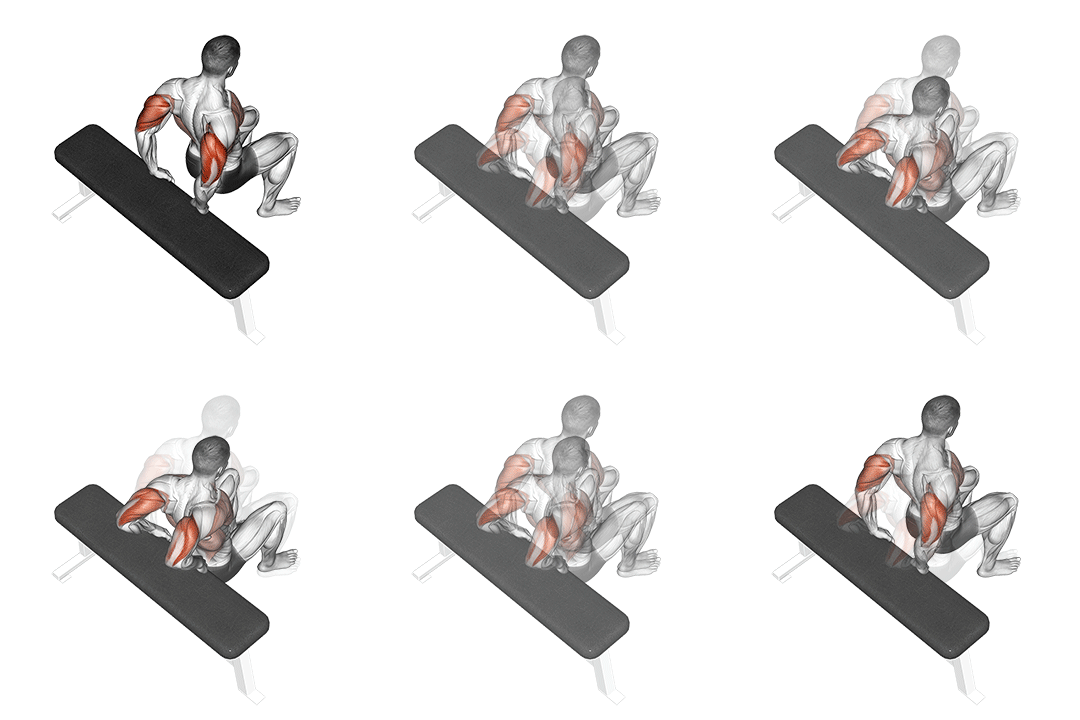
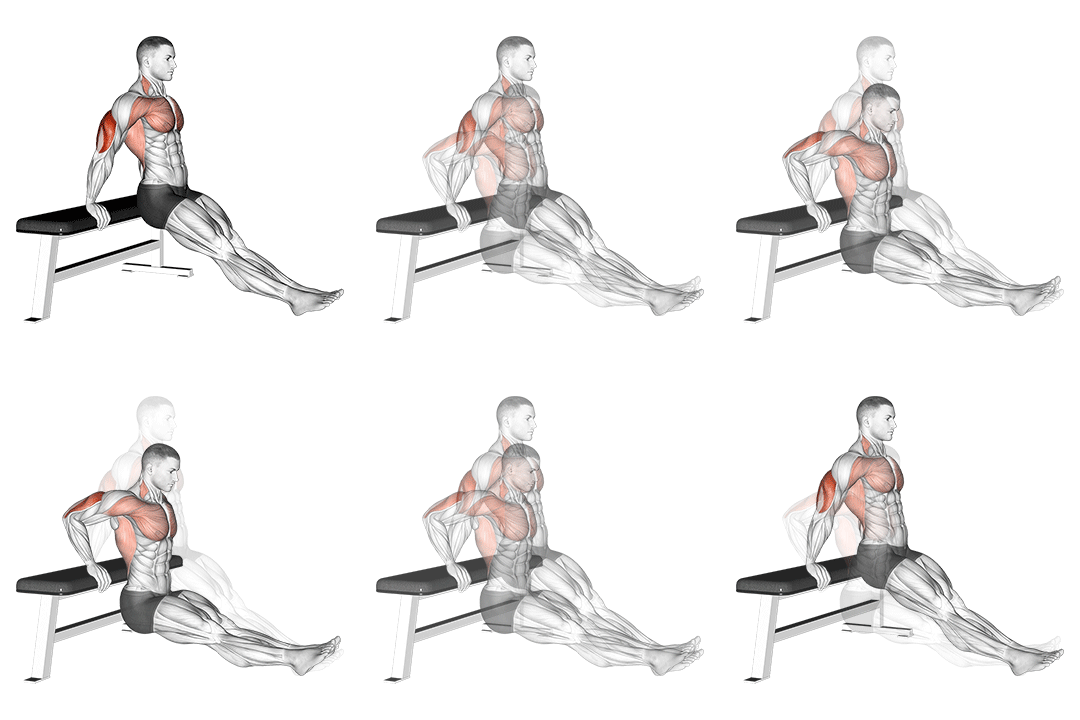
More comparisons with Dips - Triceps Version
Compare More Exercises
Use our free comparison tool to analyze any two exercises head-to-head.
Compare Exercises