

Cable Decline Fly vs Cable Incline Bench Press: Complete Comparison Guide
Cable Decline Fly vs Cable Incline Bench Press — if you want a stronger, fuller chest you need to pick the right tool. This guide walks you through how each move stresses the pectorals, how the force vectors and joint angles change muscle length-tension, plus equipment needs, difficulty, programming tips, and rep ranges. You’ll get clear technique cues for both exercises, recommendations for hypertrophy and strength (including angles like 15–25° decline and 30–45° incline), and sample progressions so you can choose the best exercise for your goals.
Exercise Comparison
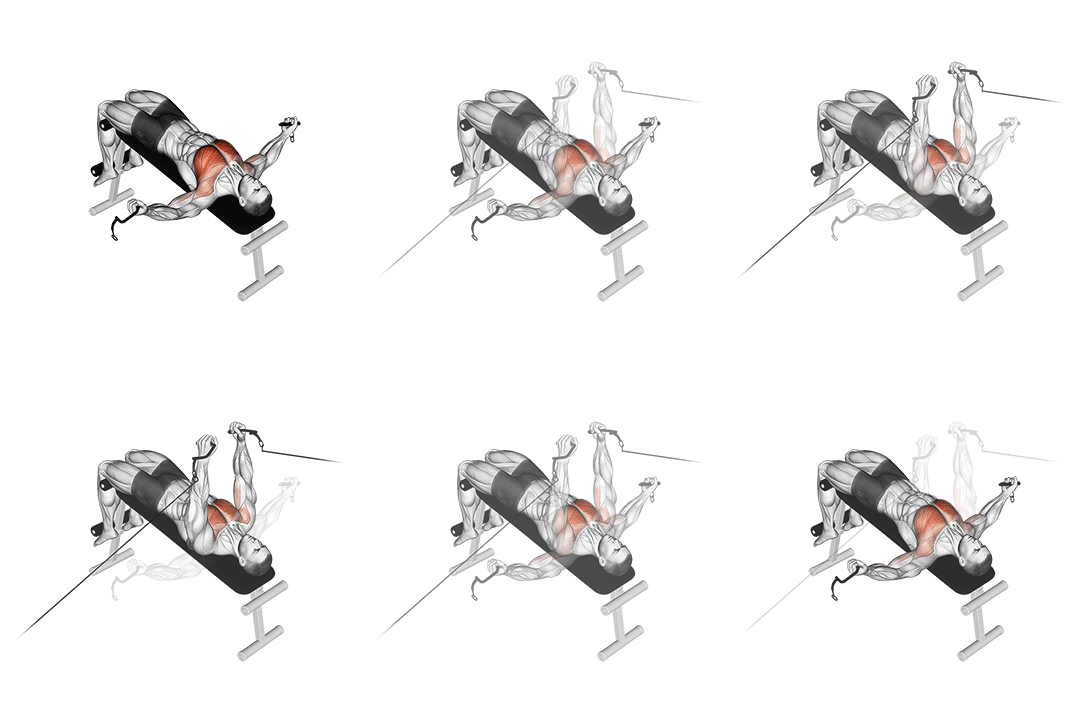
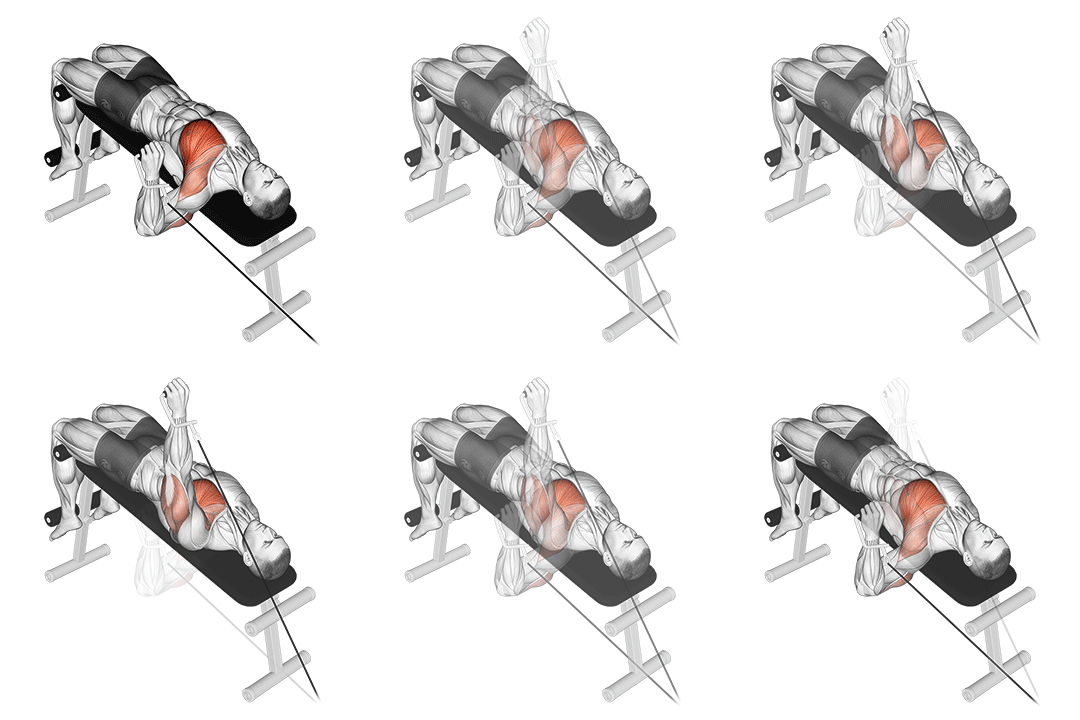
Cable Decline Fly
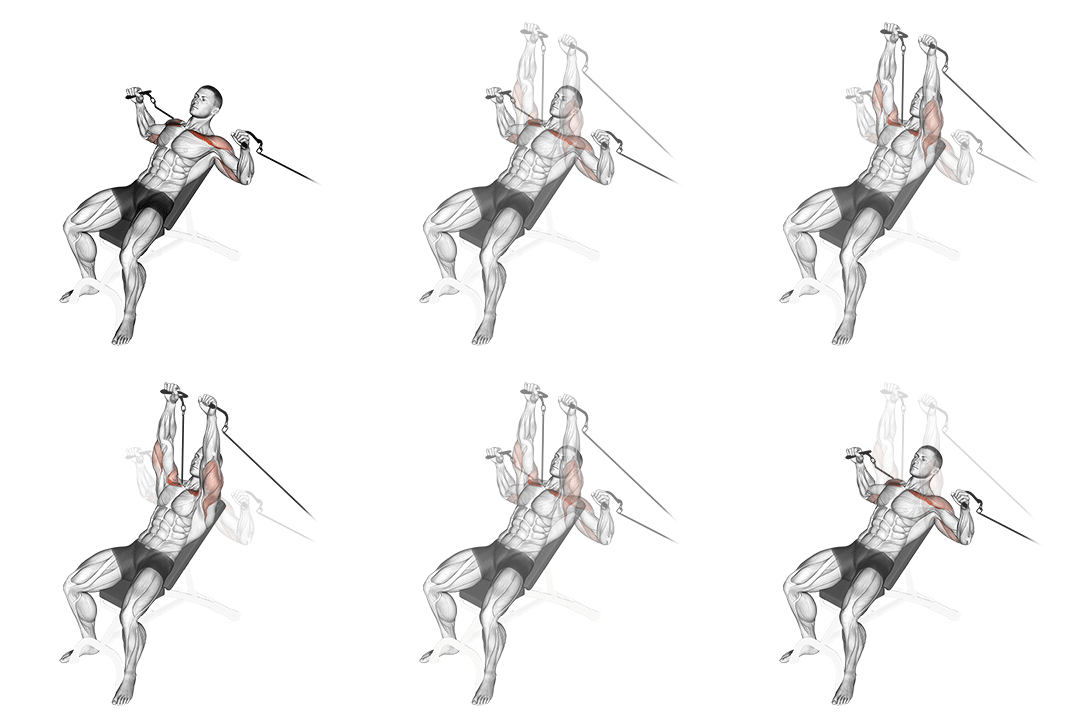
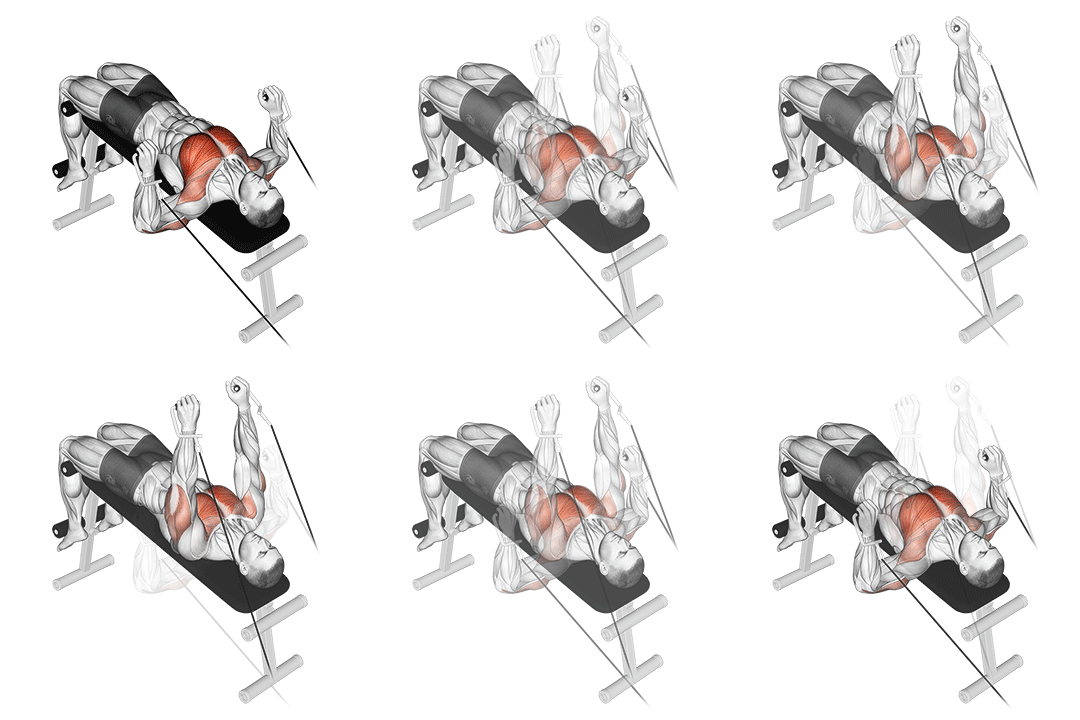
Cable Incline Bench Press
Head-to-Head Comparison
| Attribute | Cable Decline Fly | Cable Incline Bench Press |
|---|---|---|
| Target Muscle |
Pectorals
|
Pectorals
|
| Body Part |
Chest
|
Chest
|
| Equipment |
Cable
|
Cable
|
| Difficulty |
Intermediate
|
Intermediate
|
| Movement Type |
Isolation
|
Compound
|
| Secondary Muscles |
2
|
2
|
Secondary Muscles Activated
Cable Decline Fly
Cable Incline Bench Press
Visual Comparison
Overview
Cable Decline Fly vs Cable Incline Bench Press — if you want a stronger, fuller chest you need to pick the right tool. This guide walks you through how each move stresses the pectorals, how the force vectors and joint angles change muscle length-tension, plus equipment needs, difficulty, programming tips, and rep ranges. You’ll get clear technique cues for both exercises, recommendations for hypertrophy and strength (including angles like 15–25° decline and 30–45° incline), and sample progressions so you can choose the best exercise for your goals.
Key Differences
- Cable Decline Fly is an isolation exercise, while Cable Incline Bench Press is a compound movement.
- Both exercises target the Pectorals using Cable. The main differences are in their movement patterns and muscle activation angles.
Pros & Cons
Cable Decline Fly
+ Pros
- Isolates lower pecs and creates a strong peak contraction
- Generates large stretch-mediated tension at end range for hypertrophy
- Minimizes triceps contribution so pecs work harder
- Great finisher to sculpt chest shape and target weak lower fibers
− Cons
- Requires decline bench plus cable space
- Higher risk of pec overstretch if tempo and range aren't controlled
- Less suitable for heavy progressive overload compared to compound presses
Cable Incline Bench Press
+ Pros
- Compound movement that builds pressing strength and size
- Targets upper chest (clavicular head) effectively at 30–45°
- Easier to load progressively and substitute with dumbbells
- Recruits deltoids and triceps for greater overall work capacity
− Cons
- Less isolated pec peak contraction compared to flies
- Can overload the anterior shoulder if elbows flare or angle is too steep
- Requires good scapular retraction and control to protect the shoulder joint
When Each Exercise Wins
Decline flies deliver a large stretch at the eccentric end range and a focused peak contraction on the lower pec fibers. Use 8–15 reps with a 2–3s eccentric and a controlled peak squeeze to drive sarcomere-level tension and muscle growth.
Incline pressing is a compound lift that allows heavier loads and progressive overload, engaging triceps and deltoids to increase pressing force. Program 3–6 heavy reps or 4–8 reps for strength-focused hypertrophy with incremental load increases.
The pressing pattern is more intuitive and stable for newcomers, and it's easier to learn scapular bracing and elbow mechanics. Beginners can safely practice 8–12 reps while developing pressing strength and shoulder control.
If cables aren't available, incline pressing transfers directly to dumbbells or barbells, making it far more adaptable for home setups. Decline cable flies are harder to replicate without a cable station and a decline bench.
Frequently Asked Questions
Can I do both Cable Decline Fly and Cable Incline Bench Press in the same workout?
Yes — pair them strategically: use incline presses earlier as your heavy compound movement (3–5 sets), then add decline flies as a 2–4 set finisher to overload the lower pecs with higher time under tension.
Which exercise is better for beginners?
Cable Incline Bench Press is better for beginners because the pressing pattern is easier to learn and load safely, helping them develop shoulder and triceps coordination before adding isolation work.
How do the muscle activation patterns differ?
Flies produce greater peak pec contraction and stretch at end range, isolating horizontal adduction, while incline presses distribute force across pecs, anterior deltoids, and triceps with continuous concentric tension through shoulder flexion.
Can Cable Incline Bench Press replace Cable Decline Fly?
Only partially — incline presses can build upper chest mass and general pressing strength, but they won't match the decline fly's isolated peak contraction and focused lower-pec stretch. Use presses for strength and flies for targeted hypertrophy.
Expert Verdict
Use the Cable Decline Fly when your goal is to localize tension on the lower chest, accentuate stretch-mediated hypertrophy, and finish workouts with a focused isolation movement. Keep decline angles around 15–25°, use 8–15 reps, control the eccentric for 2–3 seconds, and avoid heavy loads that compromise shoulder position. Choose the Cable Incline Bench Press when you want upper pec development, pressing strength, and easier progressive overload—set the bench to 30–45°, tuck the elbows ~45°, and work 3–6 reps for strength or 6–12 for size. Both have a place: press for strength and overall load capacity, fly for targeted hypertrophy and shape.
Also Compare
More comparisons with Cable Decline Fly
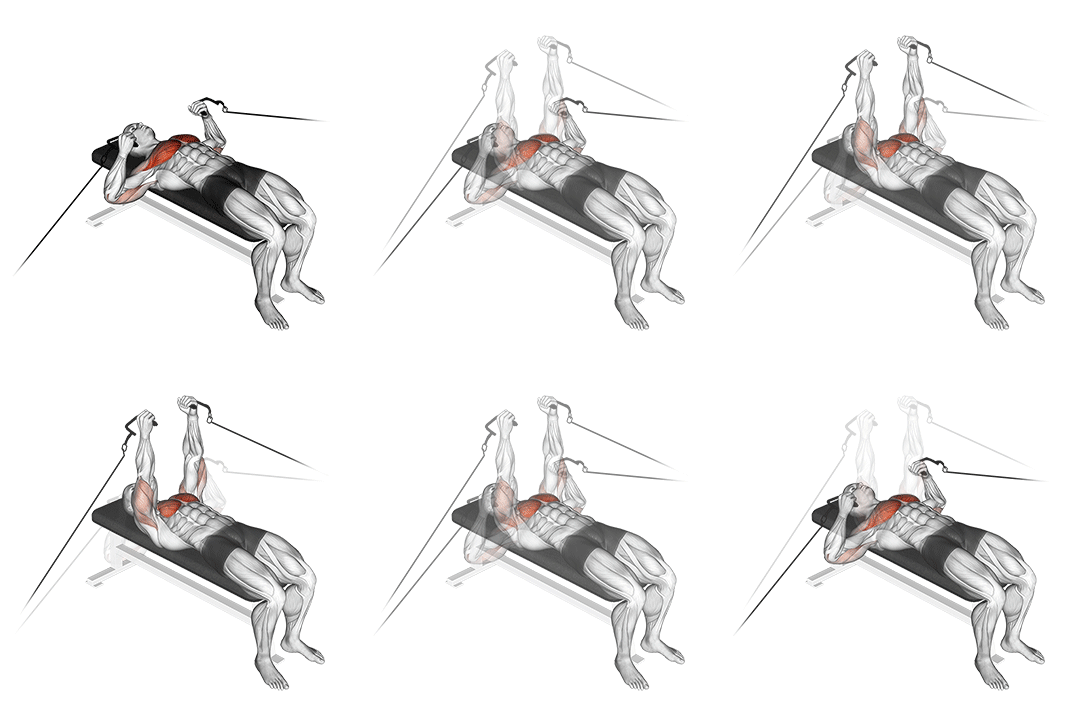
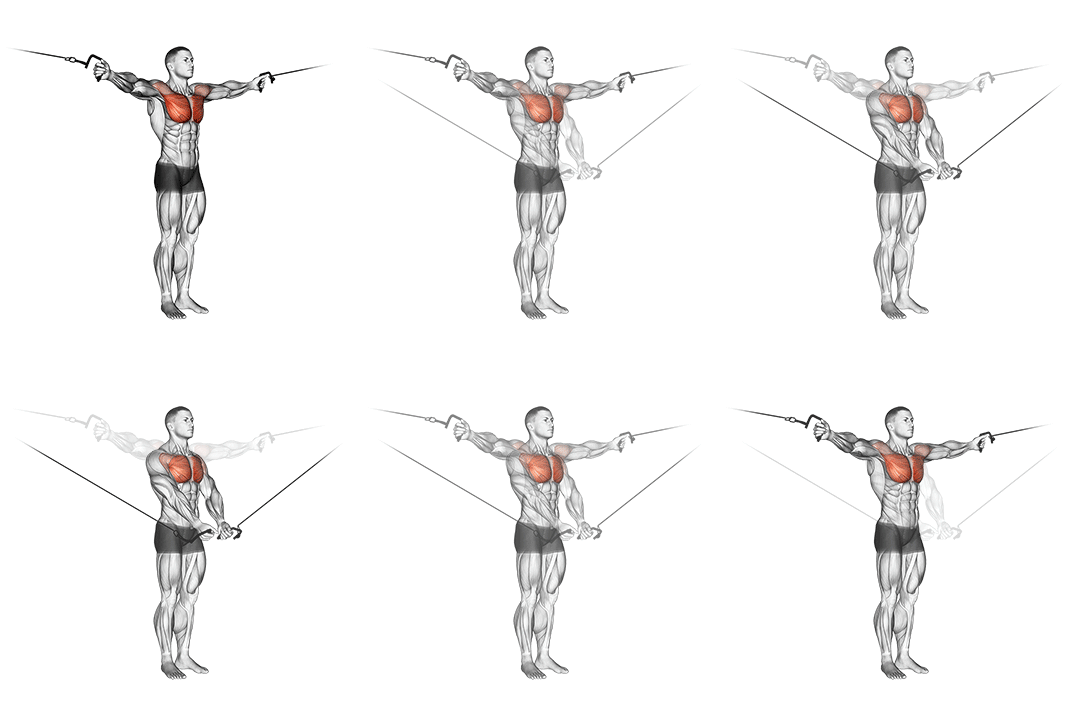
More comparisons with Cable Incline Bench Press
Compare More Exercises
Use our free comparison tool to analyze any two exercises head-to-head.
Compare Exercises