

Cable Floor Seated Wide-grip Row vs Cable Pulldown: Complete Comparison Guide
Cable Floor Seated Wide-grip Row vs Cable Pulldown — two staple cable back moves that both target the lats but load them through different vectors. You’ll get a clear, practical comparison so you can pick the best fit for your program. I’ll cover primary and secondary muscle activation, exact technique cues (body position, grip, and tempo), equipment needs, progression options, and when to choose each for hypertrophy, strength, or home workouts. Read this to decide which exercise to add to your next upper-body or pull day and how to perform it safely for maximum lat stimulus.
Exercise Comparison
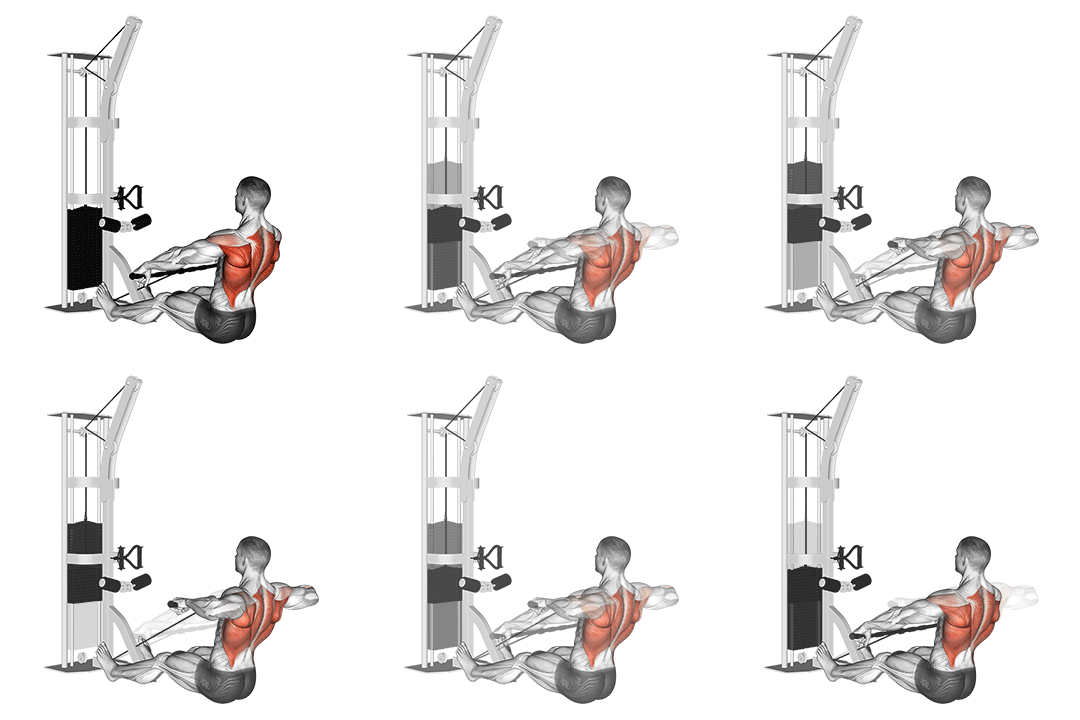
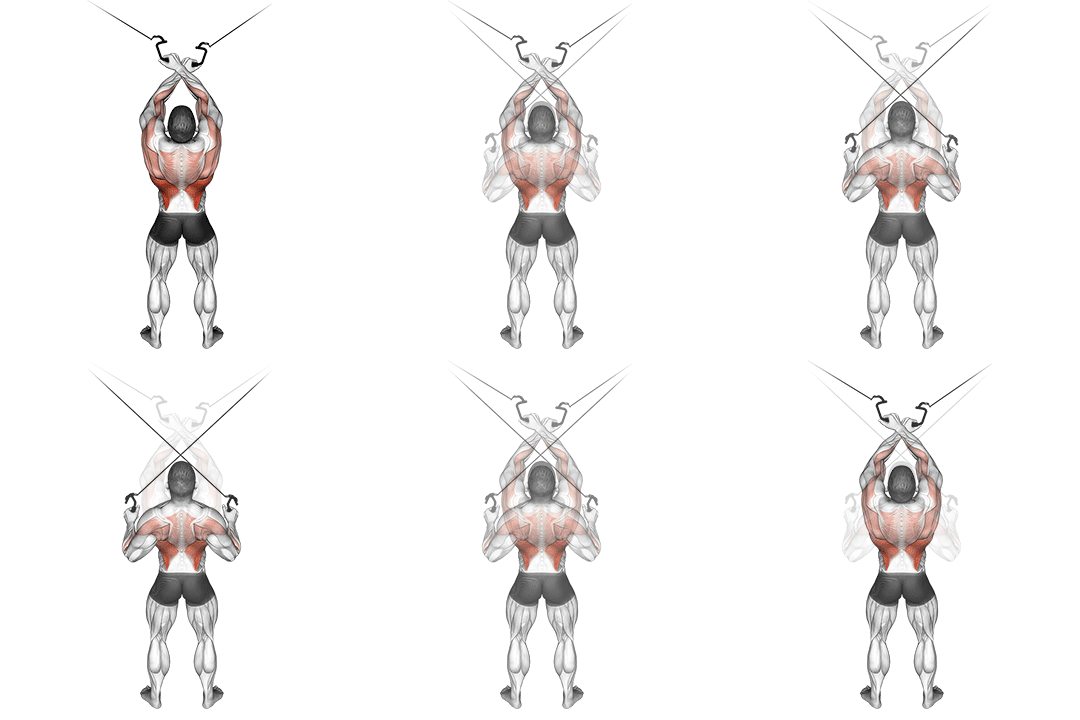
Cable Floor Seated Wide-grip Row
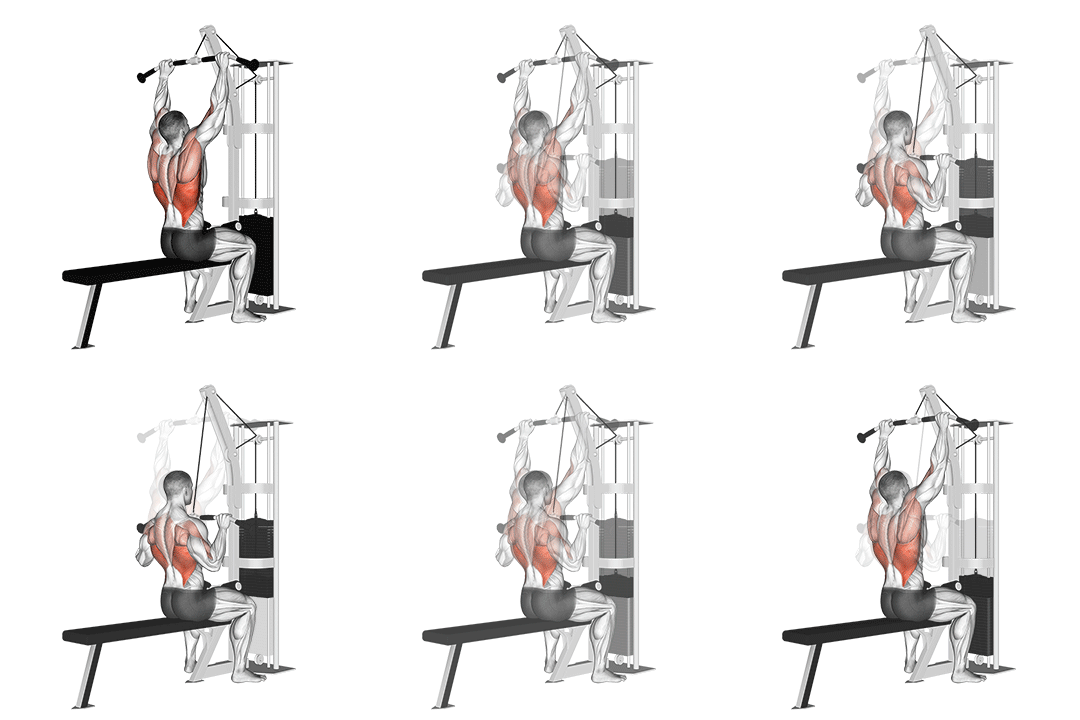
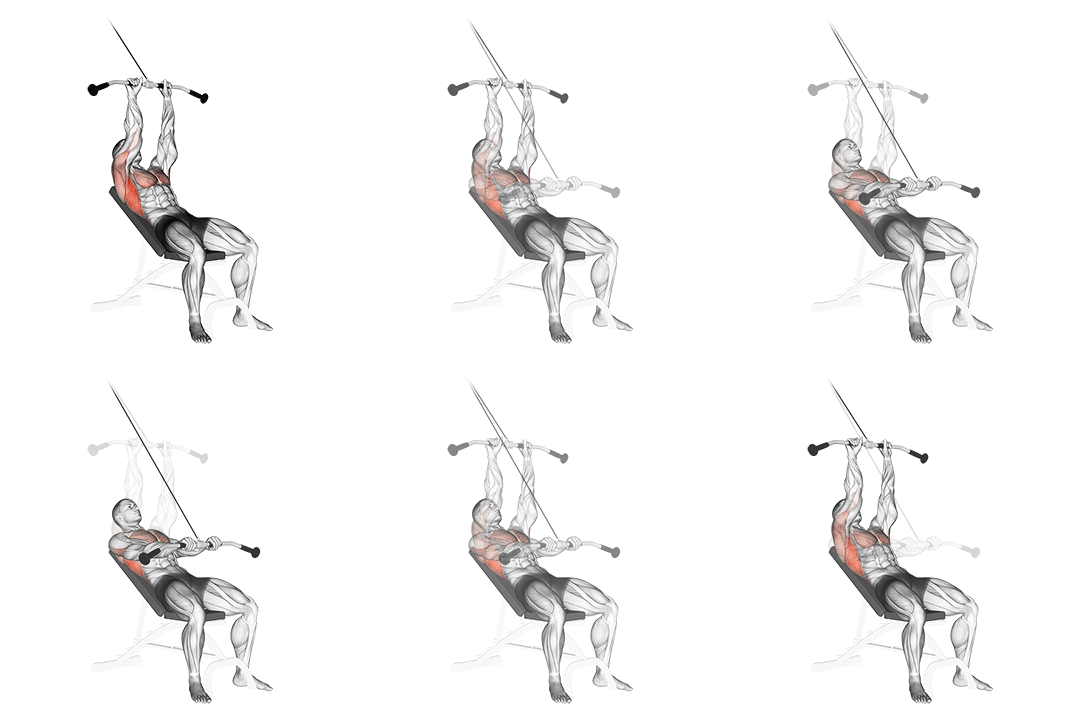
Cable Pulldown
Head-to-Head Comparison
| Attribute | Cable Floor Seated Wide-grip Row | Cable Pulldown |
|---|---|---|
| Target Muscle |
Lats
|
Lats
|
| Body Part |
Back
|
Back
|
| Equipment |
Cable
|
Cable
|
| Difficulty |
Intermediate
|
Intermediate
|
| Movement Type |
Compound
|
Compound
|
| Secondary Muscles |
2
|
2
|
Secondary Muscles Activated
Cable Floor Seated Wide-grip Row
Cable Pulldown
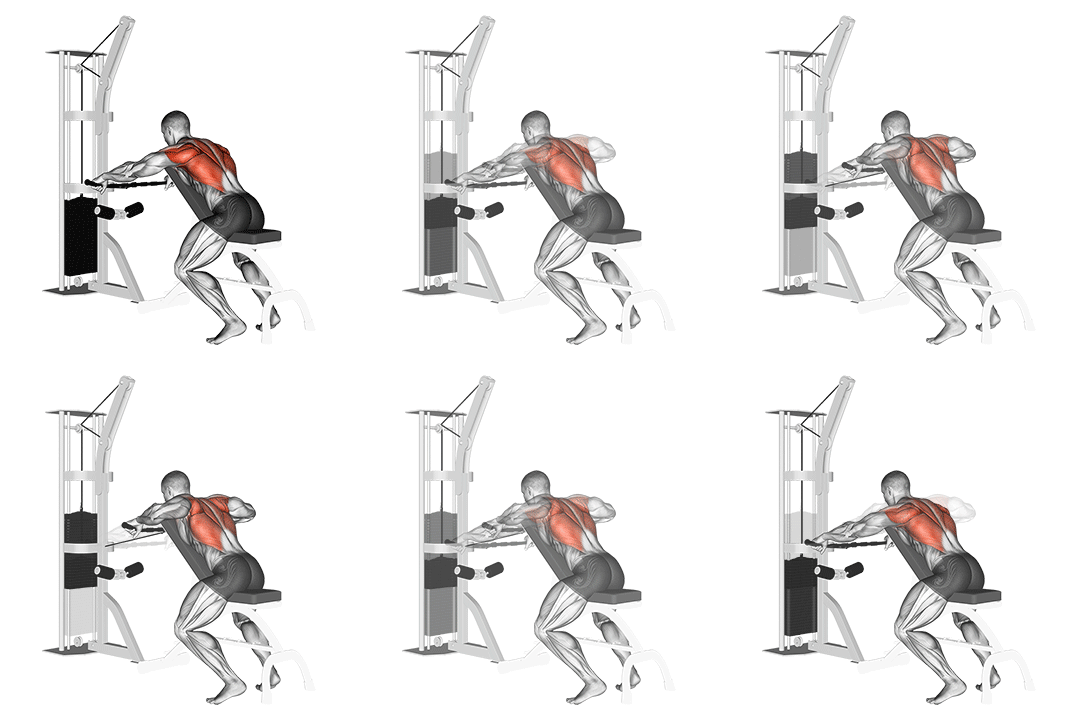
Visual Comparison
Overview
Cable Floor Seated Wide-grip Row vs Cable Pulldown — two staple cable back moves that both target the lats but load them through different vectors. You’ll get a clear, practical comparison so you can pick the best fit for your program. I’ll cover primary and secondary muscle activation, exact technique cues (body position, grip, and tempo), equipment needs, progression options, and when to choose each for hypertrophy, strength, or home workouts. Read this to decide which exercise to add to your next upper-body or pull day and how to perform it safely for maximum lat stimulus.
Key Differences
- Both exercises target the Lats using Cable. The main differences are in their movement patterns and muscle activation angles.
Pros & Cons
Cable Floor Seated Wide-grip Row
+ Pros
- Strong mid-back and scapular retraction emphasis for thicker upper back
- Versatile progressions: tempo, paused reps, single-arm variations
- Horizontal pull enhances posterior deltoid and rhomboid activation
- Keeps continuous tension on lats through the concentric and eccentric
− Cons
- Requires low-pulley setup and floor space
- Higher demand on core and lumbar stability—needs good setup
- Harder to overload safely for absolute max weight compared with machines
Cable Pulldown
+ Pros
- Excellent lat stretch and vertical pulling stimulus for lower lat emphasis
- Common in most gyms and easy to load progressively
- Lower technical demand—quick to learn and program
- Good for controlled reps and high-volume sets (8–15 reps)
− Cons
- Less scapular retraction emphasis, so mid-back thickness can lag
- Excessive leaning or behind-neck variation raises shoulder risk
- Grip width and bar path can limit full lat contraction for some lifters
When Each Exercise Wins
Cable Pulldown gives a better lat stretch and prolonged under-tension range, which is ideal for hypertrophy. Aim for 8–15 reps and controlled 2–3 second eccentrics to exploit length-tension for muscle growth.
The floor seated row allows heavier loading patterns and more mechanical tension through progressive overload and tempo variations. Its horizontal vector and scapular loading transfer well to heavy compound pulling strength.
Pulldowns are simpler to learn—sit upright, pull the bar to chest, and control the eccentric. The fixed station reduces balance and bracing demands, letting beginners focus on lat activation and rep quality.
If you have a low-pulley or resistance-band anchor at home, the floor row needs less specialized equipment than a lat tower. You can use a long resistance band or a low cable to replicate the horizontal pull with minimal setup.
Frequently Asked Questions
Can I do both Cable Floor Seated Wide-grip Row and Cable Pulldown in the same workout?
Yes. Pairing them in the same session targets the lats from vertical and horizontal vectors—do one heavier, lower-rep movement (3–6) and one moderate to high rep (8–15) to balance strength and hypertrophy. Sequence pulldown first if you want a stronger lat stretch, or row first if you prioritize scapular control and mid-back activation.
Which exercise is better for beginners?
Cable Pulldown is better for beginners because it reduces balance and bracing demands and imposes a predictable bar path. Start with lighter loads, focus on pulling to the chest with scapular depression, and aim for 8–12 controlled reps to learn lat engagement.
How do the muscle activation patterns differ?
Pulldowns emphasize vertical shoulder adduction and place the lats under greater stretch at the top, favoring length-tension activation. Rows emphasize scapular retraction and horizontal pull, which increases rhomboid, middle trap, and posterior delt recruitment before the lats reach peak contraction.
Can Cable Pulldown replace Cable Floor Seated Wide-grip Row?
Pulldown can substitute if you lack a low pulley, but you’ll lose some scapular retraction and mid-back stimulus. If your goal is balanced back development, rotate both into your program rather than relying solely on pulldowns.
Expert Verdict
Choose Cable Pulldown when your priority is direct lat hypertrophy, easier learning, and consistent high-volume training—use 8–15 reps and control the eccentric for maximum stretch-mediated stimulus. Pick Cable Floor Seated Wide-grip Row when you want thicker mid-back development, more progression options, and to overload horizontal pull strength with heavier or tempo-based sets (3–6 reps for strength, 6–12 for size). Program both if you can: pulldowns to bias lower-lat length-tension and rows to build scapular retraction and mid-back density. Always cue a neutral spine, full scapular retraction, and smooth tempo to reduce injury risk.
Also Compare
More comparisons with Cable Floor Seated Wide-grip Row
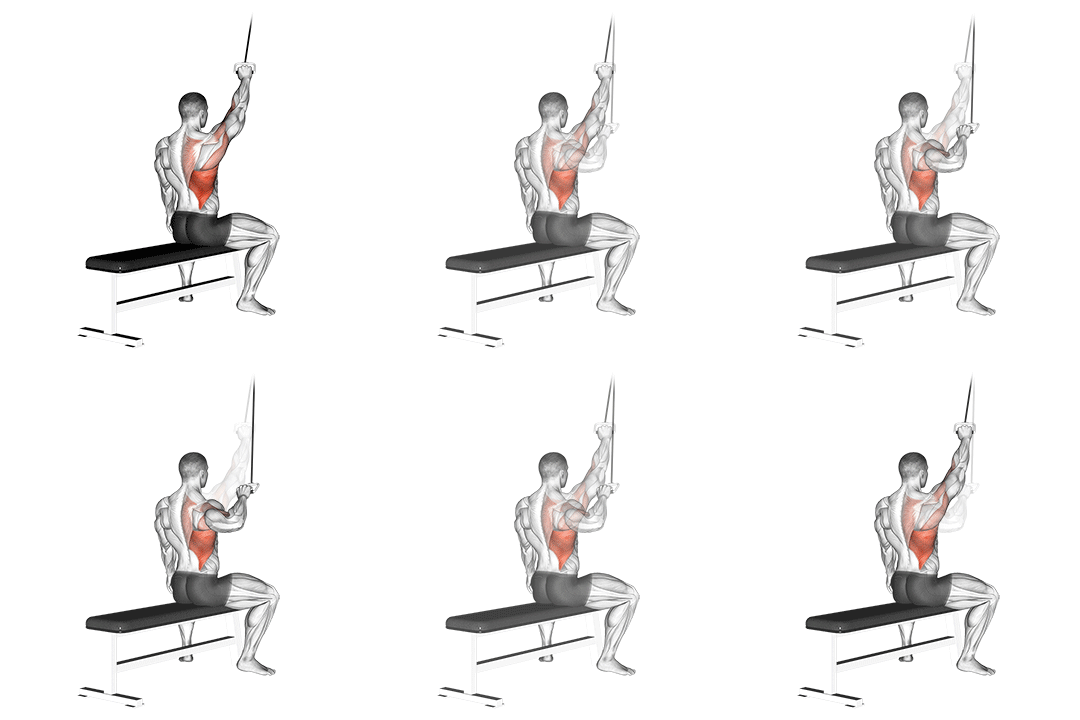
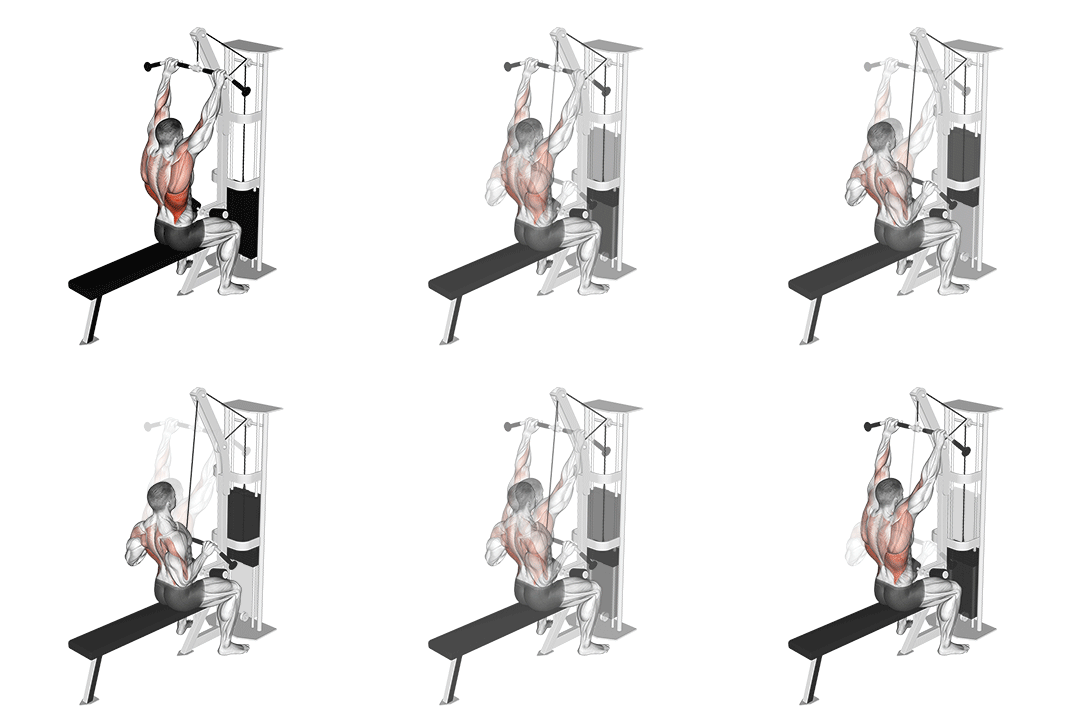
More comparisons with Cable Pulldown
Compare More Exercises
Use our free comparison tool to analyze any two exercises head-to-head.
Compare Exercises