

Cable Incline Bench Press vs Cable Incline Fly: Complete Comparison Guide
Cable Incline Bench Press vs Cable Incline Fly — you probably want the upper-chest development that comes from incline cable work, but which move should you prioritize? I’ll walk you through muscle activation, biomechanics, equipment needs, and programming so you can pick the right tool. You’ll learn angle recommendations (30–45°), rep ranges for hypertrophy and strength, how force vectors change between pressing and fly patterns, and practical tips for technique and progression. Use this guide to decide which exercise matches your goal: build muscle, add pressing strength, or isolate the clavicular head of the pecs.
Exercise Comparison
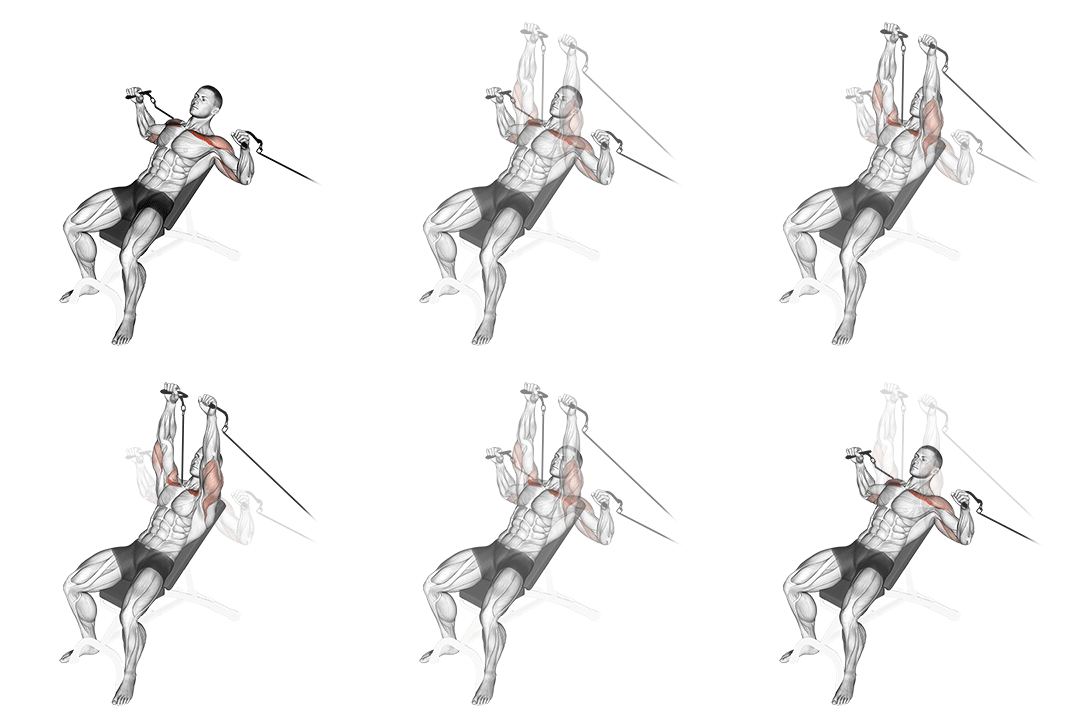
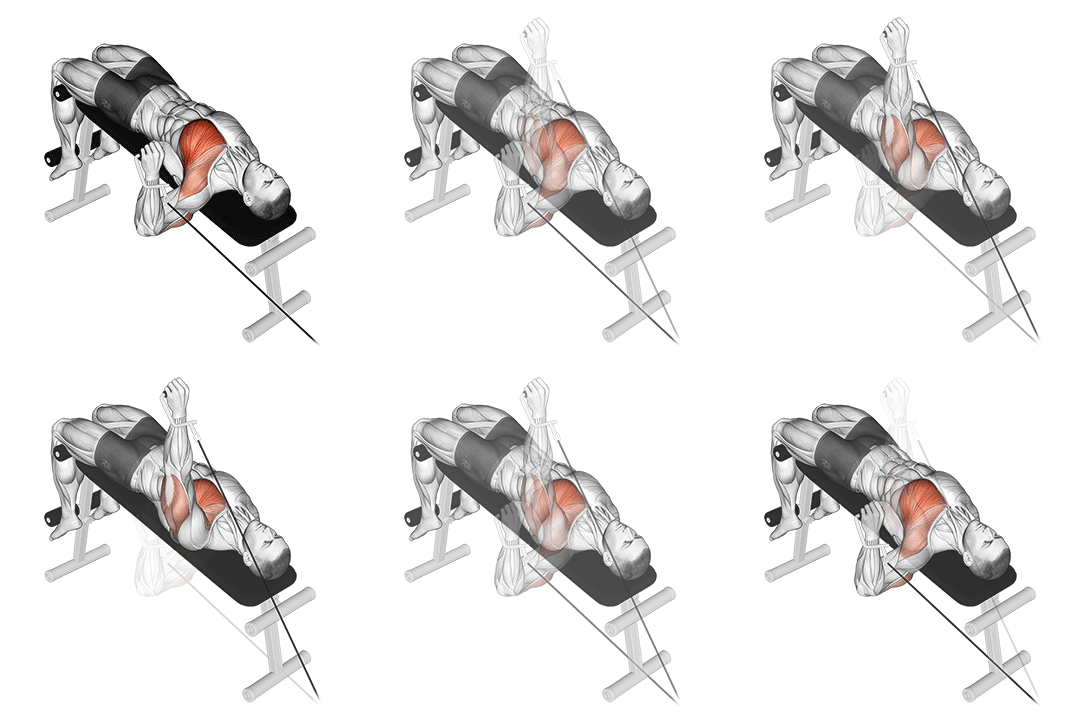
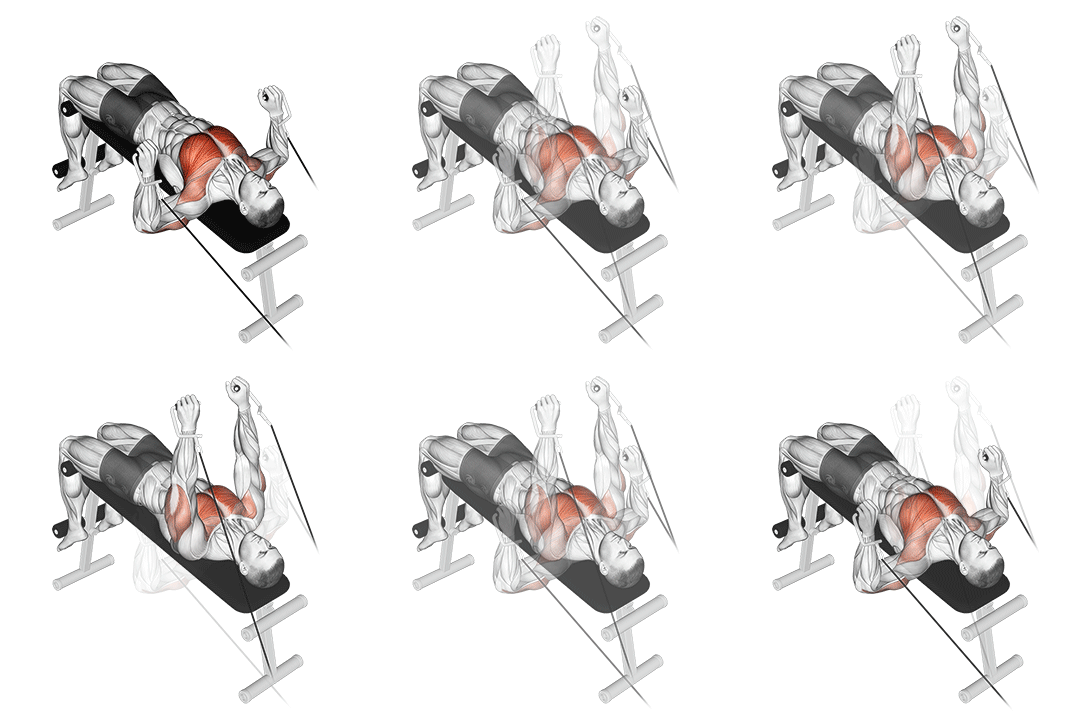
Cable Incline Bench Press
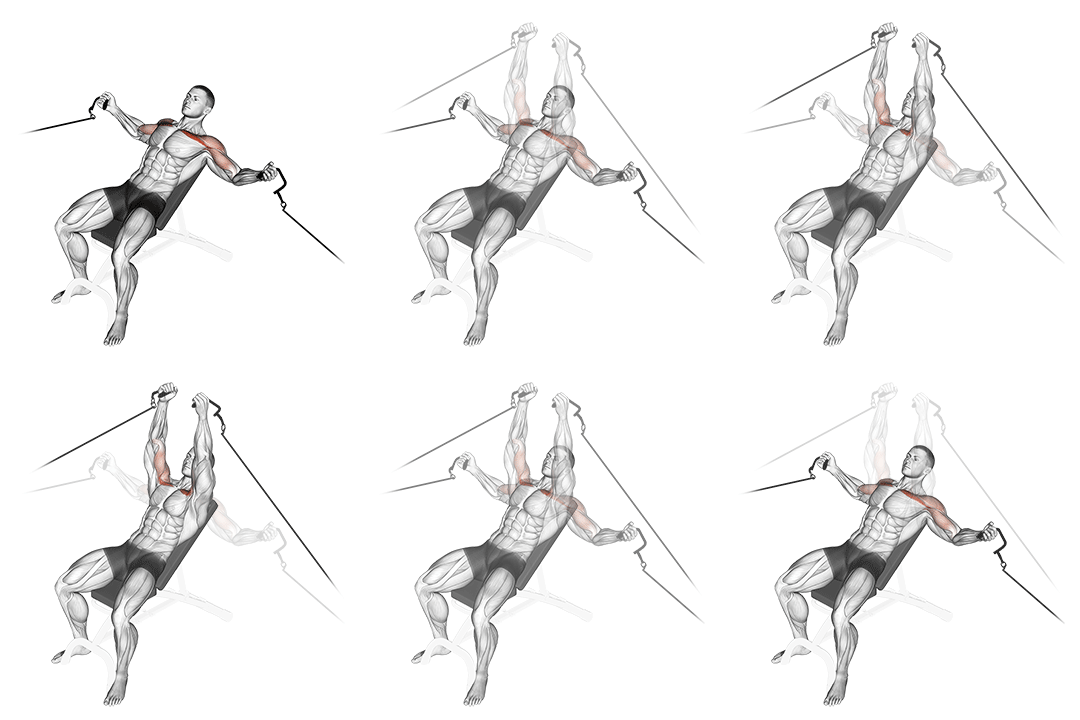
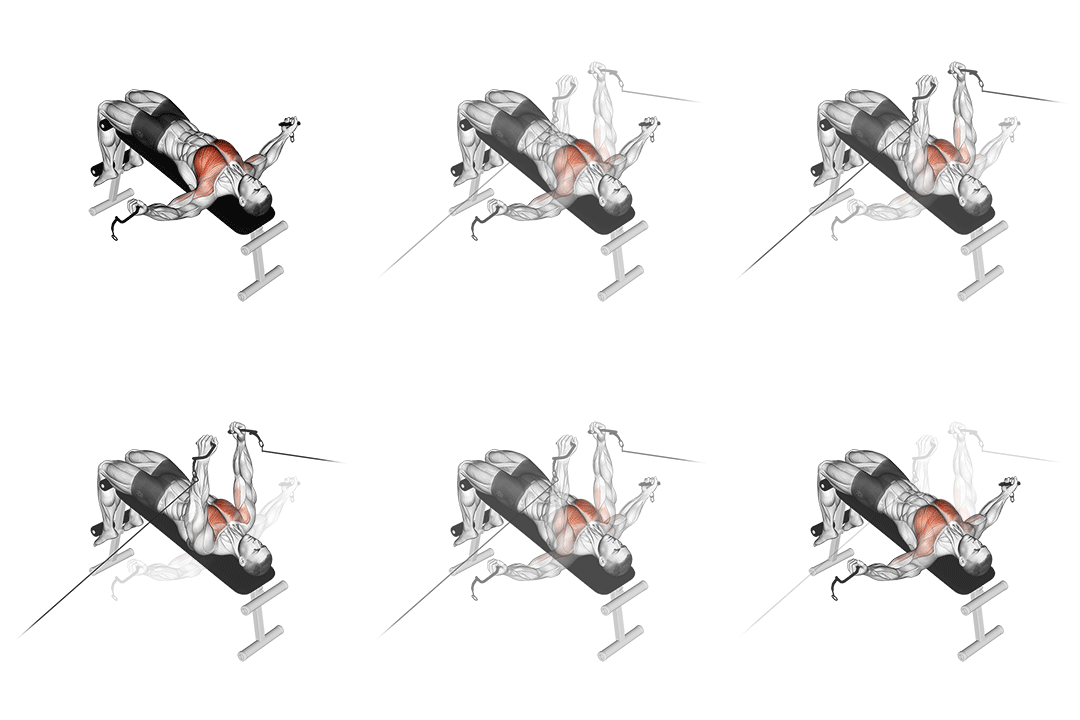
Cable Incline Fly
Head-to-Head Comparison
| Attribute | Cable Incline Bench Press | Cable Incline Fly |
|---|---|---|
| Target Muscle |
Pectorals
|
Pectorals
|
| Body Part |
Chest
|
Chest
|
| Equipment |
Cable
|
Cable
|
| Difficulty |
Intermediate
|
Intermediate
|
| Movement Type |
Compound
|
Isolation
|
| Secondary Muscles |
2
|
2
|
Secondary Muscles Activated
Cable Incline Bench Press
Cable Incline Fly
Visual Comparison
Overview
Cable Incline Bench Press vs Cable Incline Fly — you probably want the upper-chest development that comes from incline cable work, but which move should you prioritize? I’ll walk you through muscle activation, biomechanics, equipment needs, and programming so you can pick the right tool. You’ll learn angle recommendations (30–45°), rep ranges for hypertrophy and strength, how force vectors change between pressing and fly patterns, and practical tips for technique and progression. Use this guide to decide which exercise matches your goal: build muscle, add pressing strength, or isolate the clavicular head of the pecs.
Key Differences
- Cable Incline Bench Press is a compound movement, while Cable Incline Fly is an isolation exercise.
- Both exercises target the Pectorals using Cable. The main differences are in their movement patterns and muscle activation angles.
Pros & Cons
Cable Incline Bench Press
+ Pros
- Greater total mechanical tension due to compound elbow extension and heavier loads
- Stronger carryover to pressing strength and upper-body pushing movements
- Engages triceps and anterior deltoid for more balanced upper-body development
- Easier to load progressively with small weight increments for strength phases
− Cons
- Requires solid bracing and technique to protect the shoulders and lower back
- Less end-range pec stretch compared with flies for muscle-length tension
- Needs a stable incline bench and cable alignment for safe pressing
Cable Incline Fly
+ Pros
- Isolates the pecs and emphasizes end-range stretch for hypertrophy
- Easier to learn and substitute with bands or single-pulley setups
- Lower triceps involvement allows focused pec targeting
- Cables maintain constant tension through the entire ROM
− Cons
- Limited ability to add heavy load; progression relies on volume and tempo
- Higher risk of anterior shoulder strain if taken too deep or uncontrolled
- Less transfer to overall pressing strength compared to compound pressing
When Each Exercise Wins
The compound press lets you handle heavier loads and produce greater mechanical tension across the pecs, which drives muscle growth. Use 6–12 reps at a 30–45° incline and combine with controlled eccentrics to maximize fiber recruitment.
Strength requires managing heavier loads and practicing the pressing pattern; the incline press builds pressing-specific strength through triceps and deltoid recruitment. Program 3–6 rep sets, progressive overload, and emphasize tight bracing.
Beginners can learn horizontal adduction and pec isolation without complex bracing and heavy loads, reducing technical barriers. Start with 8–15 reps and focus on scapular stability and a controlled eccentric.
Fly mechanics translate well to resistance bands or single-pulley home rigs, so you can approximate the movement without a full cable tower. Use banded incline flies or dumbbell flies on an adjustable bench to simulate the stimulus.
Frequently Asked Questions
Can I do both Cable Incline Bench Press and Cable Incline Fly in the same workout?
Yes. Use the press as your heavy, early exercise (3–6 or 6–8 reps) and follow with flies for volume and end-range stretch (8–15 reps). That sequence optimizes strength and then isolates fibres for hypertrophy while managing fatigue.
Which exercise is better for beginners?
Cable Incline Fly is generally more beginner-friendly because it removes complex bracing and heavy elbow-extension loads. Start light, focus on scapular control and tempo, then add presses as technique and strength improve.
How do the muscle activation patterns differ?
Pressing patterns combine shoulder flexion and elbow extension, producing peak pec and triceps activation around mid-range under high load. Fly patterns emphasize horizontal adduction and stretch the pecs more at end-range, increasing tension during the eccentric and near-closed positions.
Can Cable Incline Fly replace Cable Incline Bench Press?
Not entirely. Flies can replace presses for isolation or finishing work and are useful when heavy loading isn’t possible, but they won’t develop pressing strength or allow the same progressive load increases that compound presses provide.
Expert Verdict
Choose the Cable Incline Bench Press when you want upper-chest size plus pressing strength: it lets you use heavier loads, recruit triceps and anterior delts, and progress with standard strength protocols (3–6 reps for strength, 6–12 for hypertrophy) at a 30–45° incline. Pick the Cable Incline Fly when you need focused pec isolation, better end-range stretch, or limited equipment; flies are ideal for finishing work, higher-rep hypertrophy (8–15 reps), or reducing triceps demand. For balanced programming, pair a compound incline press early in the workout and finish with flies to bias pec stretch and volume.
Also Compare
More comparisons with Cable Incline Bench Press
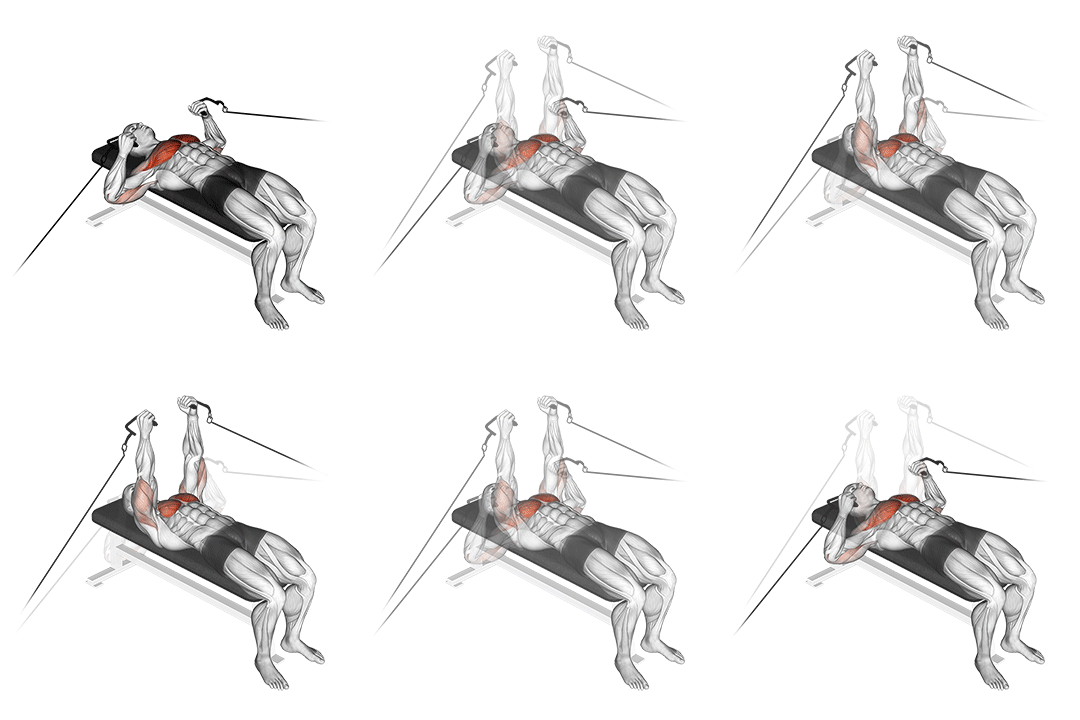
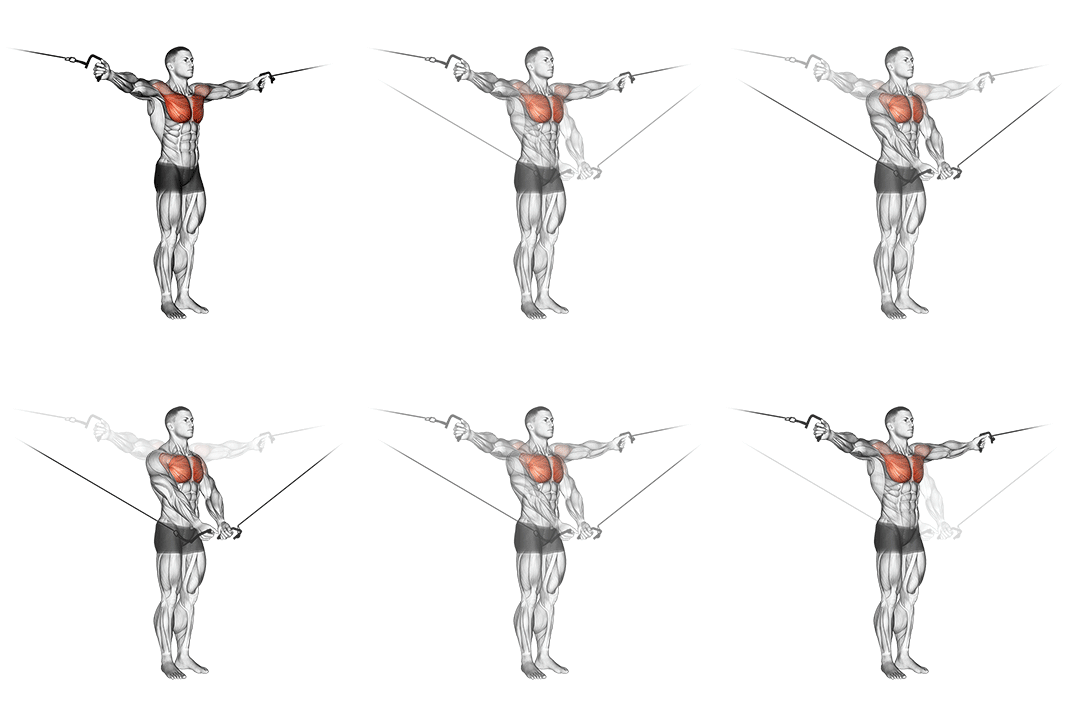
Compare More Exercises
Use our free comparison tool to analyze any two exercises head-to-head.
Compare Exercises