

Cambered Bar Lying Row vs Lever One Arm Bent Over Row: Complete Comparison Guide
Cambered Bar Lying Row vs Lever One Arm Bent Over Row — if you want a stronger, thicker upper back you’re asking the right question. I’ll walk you through how each move loads the upper traps, rhomboids and rear delts, how the elbow path and torso angle change force vectors, and which is better for hypertrophy, strength, beginners, or home setups. You’ll get clear cues for setup, rep ranges (6–12 for growth, 3–6 for strength), and when to program one versus the other based on biomechanics and progression options.
Exercise Comparison
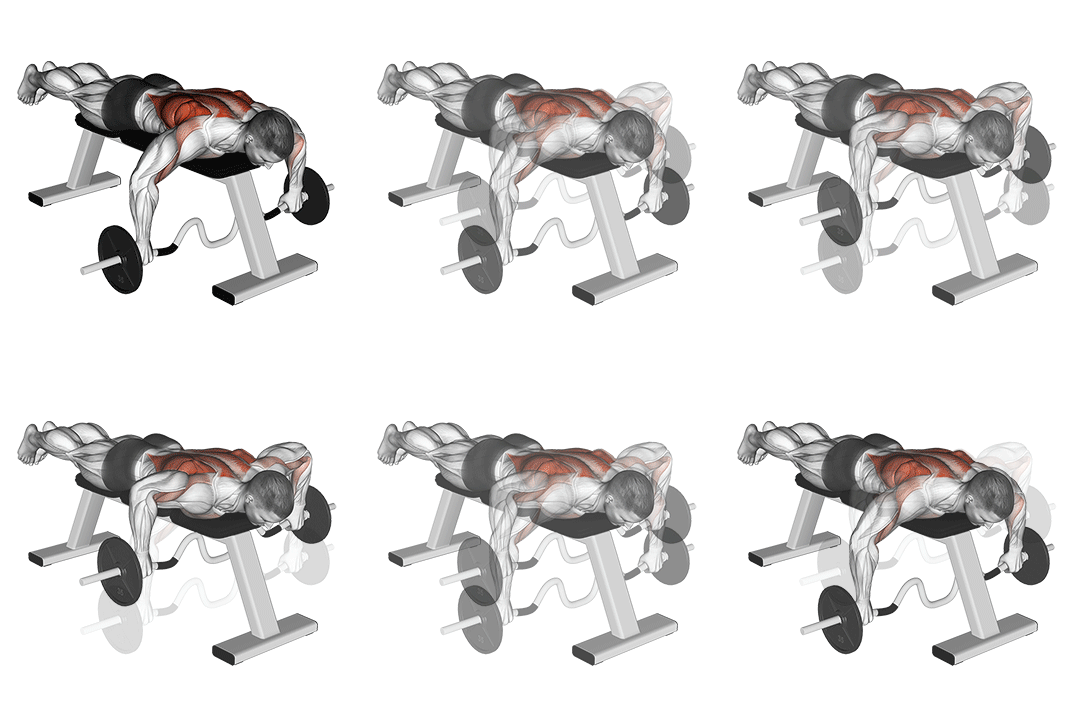
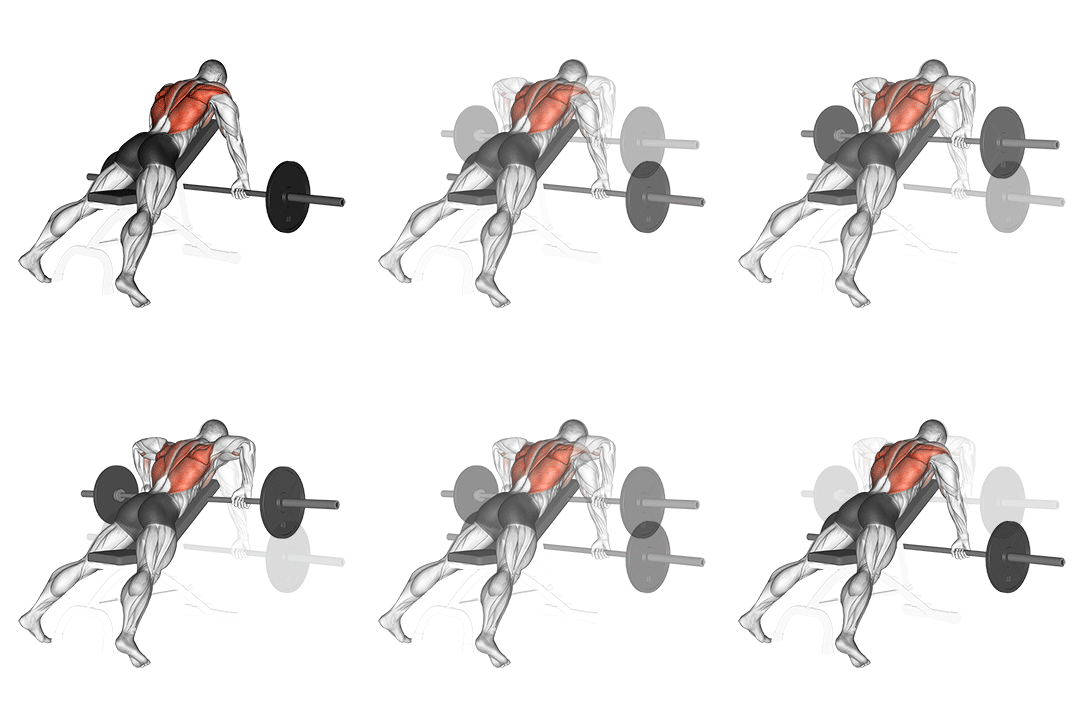
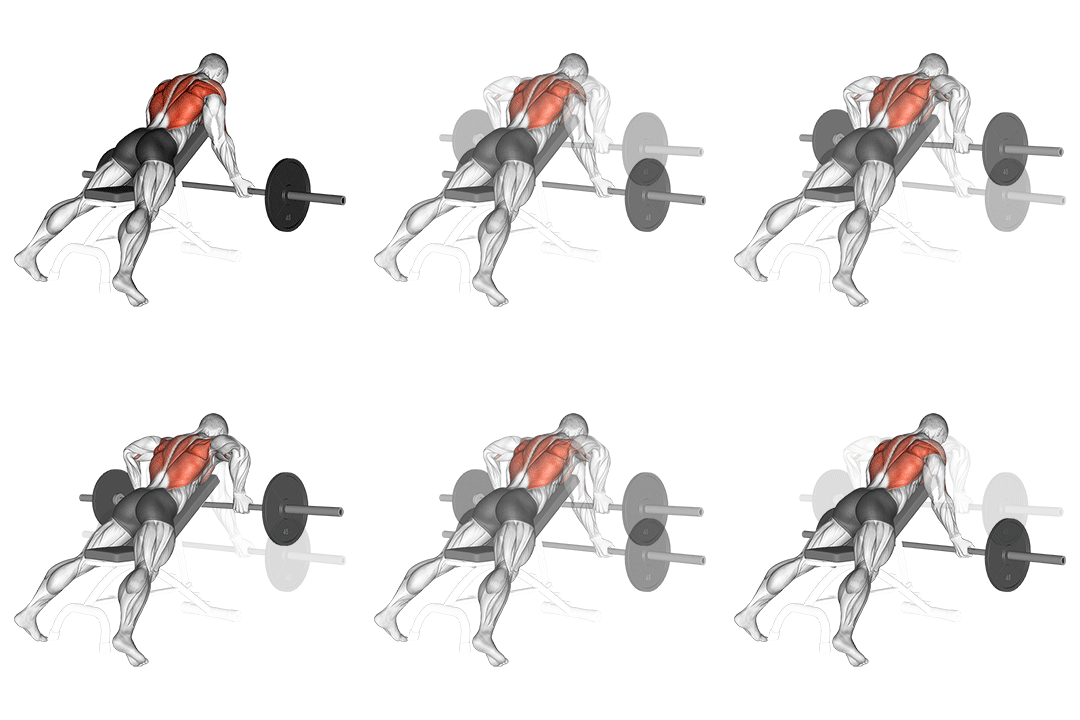
Cambered Bar Lying Row
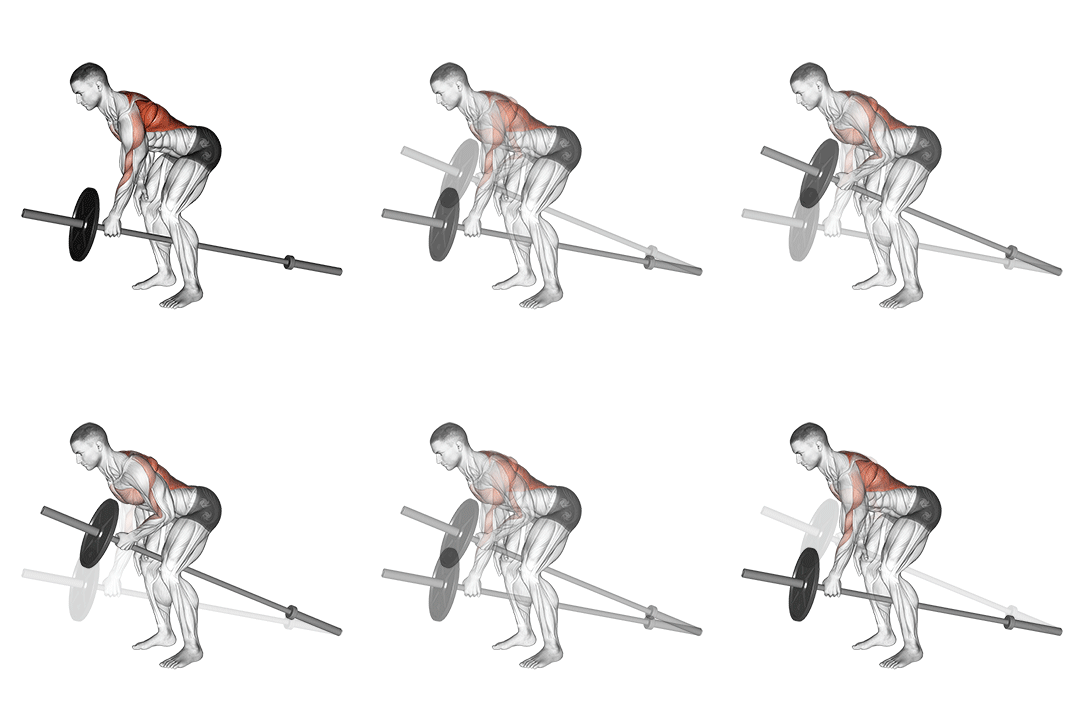
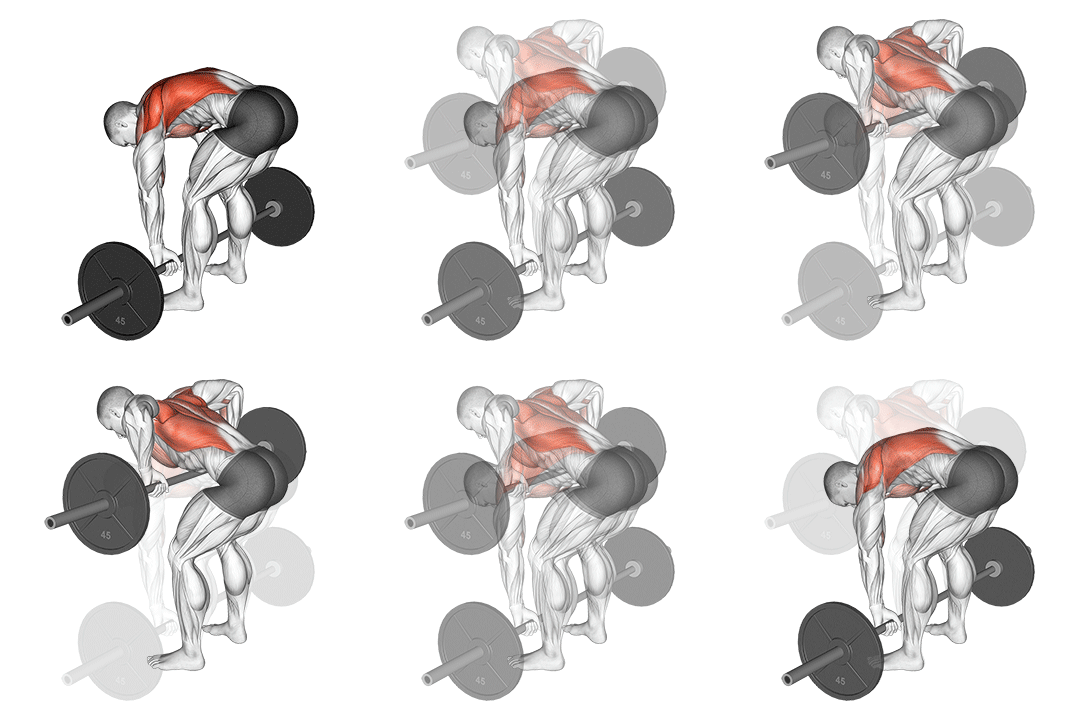
Lever One Arm Bent Over Row
Head-to-Head Comparison
| Attribute | Cambered Bar Lying Row | Lever One Arm Bent Over Row |
|---|---|---|
| Target Muscle |
Upper-back
|
Upper-back
|
| Body Part |
Back
|
Back
|
| Equipment |
Barbell
|
Barbell
|
| Difficulty |
Intermediate
|
Intermediate
|
| Movement Type |
Compound
|
Compound
|
| Secondary Muscles |
2
|
2
|
Secondary Muscles Activated
Cambered Bar Lying Row
Lever One Arm Bent Over Row
Visual Comparison
Overview
Cambered Bar Lying Row vs Lever One Arm Bent Over Row — if you want a stronger, thicker upper back you’re asking the right question. I’ll walk you through how each move loads the upper traps, rhomboids and rear delts, how the elbow path and torso angle change force vectors, and which is better for hypertrophy, strength, beginners, or home setups. You’ll get clear cues for setup, rep ranges (6–12 for growth, 3–6 for strength), and when to program one versus the other based on biomechanics and progression options.
Key Differences
- Both exercises target the Upper-back using Barbell. The main differences are in their movement patterns and muscle activation angles.
Pros & Cons
Cambered Bar Lying Row
+ Pros
- High upper-back isolation with minimized lumbar loading
- Stable, supported torso—easier to cue scapular retraction
- Consistent bilateral loading reduces asymmetry carryover issues
- Good for hypertrophy with strict tempo and short ROM control
− Cons
- Requires a cambered bar and bench—less common equipment
- Limited core and anti-rotation training compared to unilateral rows
- Harder to load extremely heavy for progressive overload compared to standing variations
Lever One Arm Bent Over Row
+ Pros
- Very accessible—uses standard barbell or dumbbell/landmine setups
- Excellent for unilateral strength and correcting side-to-side imbalances
- Builds core anti-rotation and posterior chain engagement (glutes, erectors)
- Broad progression options (load, tempo, unilateral overload)
− Cons
- Higher demand on lumbar spine and hamstrings if hinge is poor
- Requires solid technique to avoid torso rotation and energy leaks
- Can be harder to target pure upper-back isolation without compensation
When Each Exercise Wins
The supported, near-horizontal pull increases mid-trap and rhomboid isolation and allows strict tempo (3–4 second eccentrics) across 6–12 reps, maximizing time under tension and muscle fiber recruitment.
Unilateral loading and the ability to progressively increase absolute load (including landmine or heavy barbell variants) translate better to raw pulling strength and carryover to deadlifts and heavy compound lifts.
Torso support reduces complexity—beginners can learn scapular retraction and elbow drive without mastering the hip hinge and anti-rotation bracing first.
You can use a dumbbell, barbell, or landmine substitute at home; cambered bars and benches are less likely to be available in a home gym.
Frequently Asked Questions
Can I do both Cambered Bar Lying Row and Lever One Arm Bent Over Row in the same workout?
Yes. Start with the one-arm bent over row early if you’re training strength or unilateral work (3–6 sets of 3–6 reps), then finish with cambered bar lying rows as a focused hypertrophy set (2–4 sets of 8–12 reps) to maximize upper-back time under tension.
Which exercise is better for beginners?
Cambered bar lying row is better for beginners because the bench supports the torso, letting you train scapular mechanics and pulling patterns without mastering the hip hinge and heavy core bracing first.
How do the muscle activation patterns differ?
The cambered lying row gives symmetric, horizontal-force-driven activation with strong mid-trap and rhomboid emphasis and low lumbar demand. The one-arm bent over row creates asymmetric activation with greater lat, erector, and core anti-rotation involvement due to a ~30–45° torso angle and unilateral force vector.
Can Lever One Arm Bent Over Row replace Cambered Bar Lying Row?
Yes, but only if your goal includes strength and core stability—one-arm rows are more versatile. If you specifically want maximum upper-back isolation with minimal lumbar load, keep the cambered lying row in your program when equipment is available.
Expert Verdict
Use the cambered bar lying row when your goal is focused upper-back hypertrophy with minimal lumbar stress—its supported, horizontal pull keeps mid-traps and rhomboids under constant tension and is ideal for 6–12 rep sets with controlled tempo. Choose the lever one-arm bent over row when you need unilateral strength, core anti-rotation carryover, and broader progression options; hinge at 30–45° and use 3–6 reps for strength or 8–12 for hypertrophy while bracing the core. Program both across a training block: prioritize unilateral bent-over rows for strength and transfer phases, then add cambered lying rows as a high-quality hypertrophy finisher to target the upper-back specifically.
Also Compare
More comparisons with Cambered Bar Lying Row
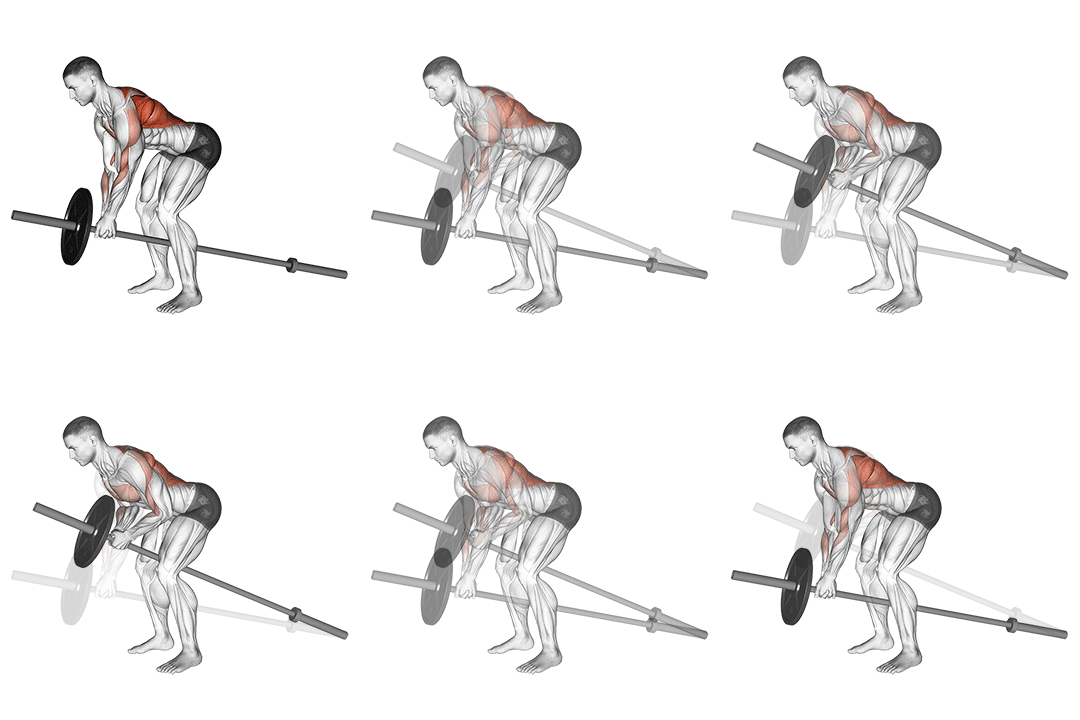
More comparisons with Lever One Arm Bent Over Row
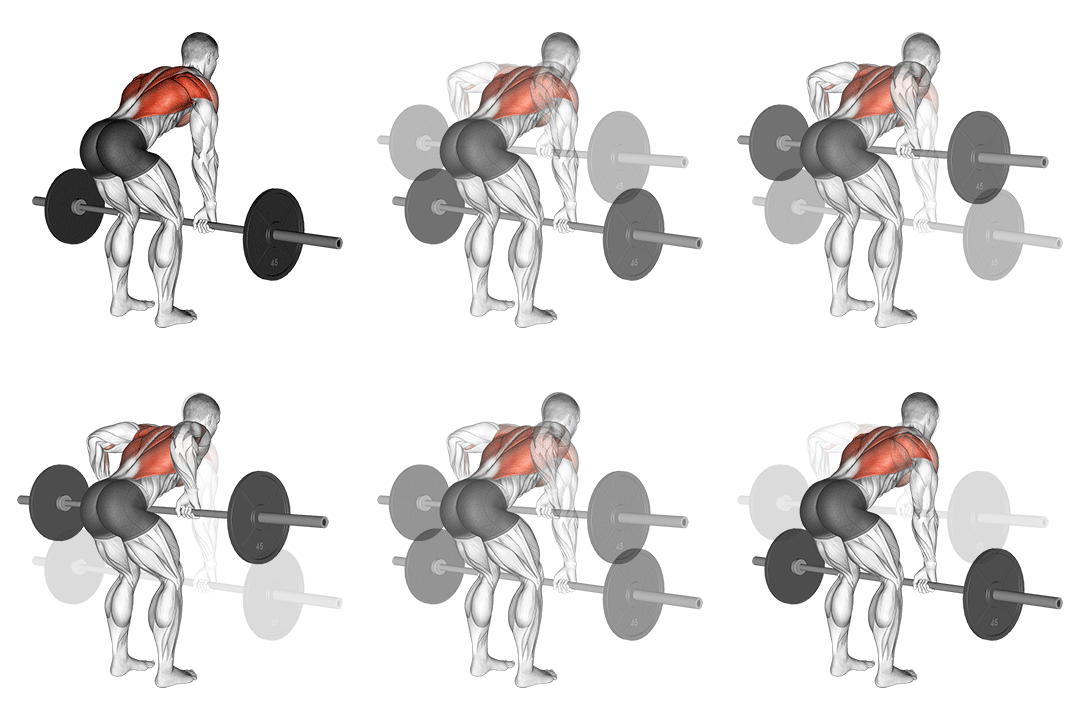
Compare More Exercises
Use our free comparison tool to analyze any two exercises head-to-head.
Compare Exercises