

Cat Stretch vs Hug Knees To Chest: Complete Comparison Guide
Cat Stretch vs Hug Knees To Chest — which should you use for lower-back mobility, pain relief, or postural work? You’ll get a direct comparison of how each move loads the lumbar spine, the secondary muscles recruited, precise technique cues, recommended reps/holds, and clear recommendations based on your goals. I’ll break down biomechanics like spinal flexion angles, length-tension effects on the erector spinae and glutes, and show when each exercise is the smarter choice for mobility, recovery, or warm-ups.
Exercise Comparison
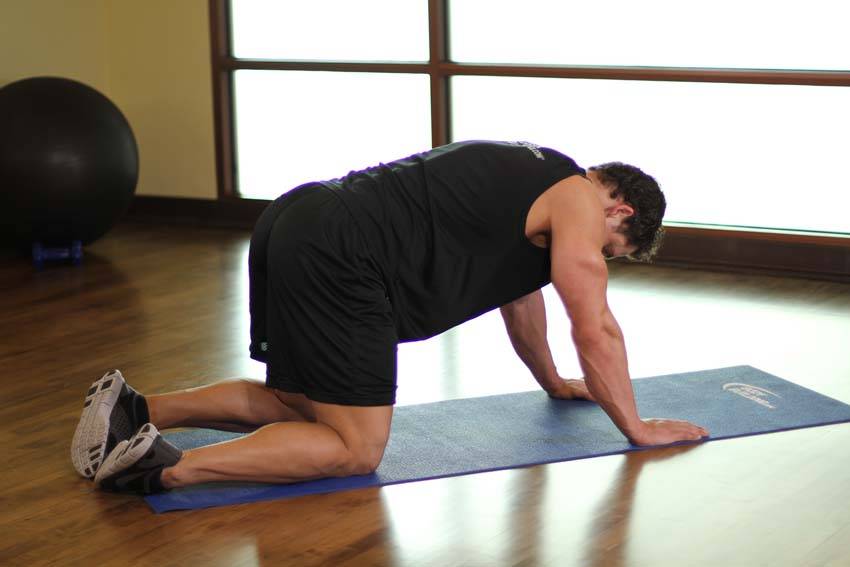
Cat Stretch
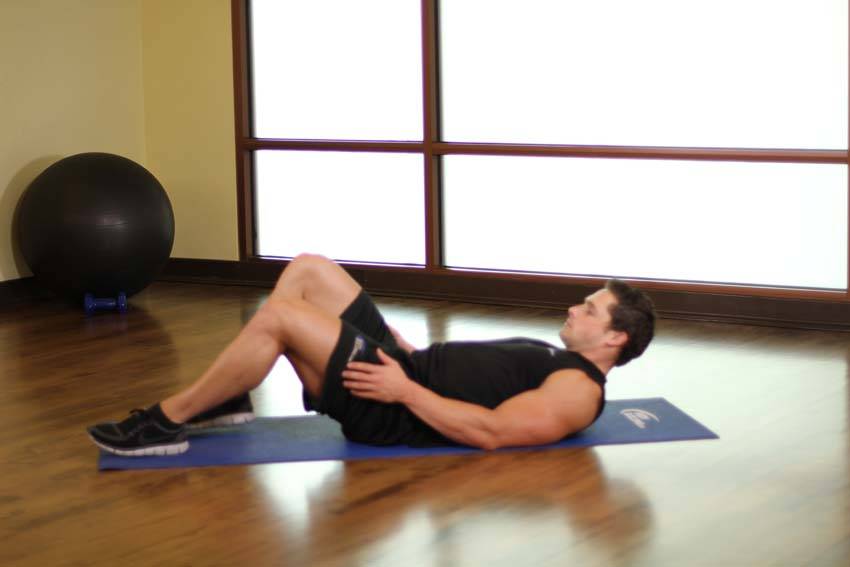
Hug Knees To Chest
Head-to-Head Comparison
| Attribute | Cat Stretch | Hug Knees To Chest |
|---|---|---|
| Target Muscle |
Lower-back
|
Lower-back
|
| Body Part |
Back
|
Back
|
| Equipment |
Body-weight
|
Body-weight
|
| Difficulty |
Beginner
|
Beginner
|
| Movement Type |
Isolation
|
Isolation
|
| Secondary Muscles |
2
|
1
|
Secondary Muscles Activated
Cat Stretch
Hug Knees To Chest
Visual Comparison
Overview
Cat Stretch vs Hug Knees To Chest — which should you use for lower-back mobility, pain relief, or postural work? You’ll get a direct comparison of how each move loads the lumbar spine, the secondary muscles recruited, precise technique cues, recommended reps/holds, and clear recommendations based on your goals. I’ll break down biomechanics like spinal flexion angles, length-tension effects on the erector spinae and glutes, and show when each exercise is the smarter choice for mobility, recovery, or warm-ups.
Key Differences
- Both exercises target the Lower-back using Body-weight. The main differences are in their movement patterns and muscle activation angles.
Pros & Cons
Cat Stretch
+ Pros
- Active spinal flexion improves thoracic mobility and motor control
- Engages middle back and traps, aiding posture correction
- Easy to scale with tempo and isometric holds (3–5 s to 30 s)
- Requires zero equipment and little space
− Cons
- Can feel uncomfortable for people with acute lumbar disc pain
- Requires coordination of scapula and pelvis for full benefit
- Limited direct glute stretch compared to supine options
Hug Knees To Chest
+ Pros
- Passive lumbar flexion provides immediate relief and relaxation
- Directly stretches glutes and posterior hip capsule
- Extremely simple to learn — effective in 1–2 reps
- No equipment and comfortable for most users lying supine
− Cons
- Less active control and neuromuscular training than Cat Stretch
- Produces compressive spinal load—caution with acute disc issues
- Limited progression options beyond increasing hold time
When Each Exercise Wins
Cat Stretch produces active loading and length-tension interaction in the erector spinae and middle back, which provides more stimulus for muscle remodeling when you use controlled tempo (3–5 s eccentrics) and higher time-under-tension sets.
Because it trains motor control and active spinal movement against gravity, Cat Stretch transitions better into loaded posterior-chain work and improves coordination for strength lifts more than a passive supine stretch.
Hug Knees is easier to perform with correct form on the first try, giving immediate lumbar unloading and glute release without needing scapular or pelvic coordination.
Both require zero equipment and minimal space. Choose Cat for active mobility and neuromuscular training or Hug Knees for quick, passive relief and post-workout relaxation.
Frequently Asked Questions
Can I do both Cat Stretch and Hug Knees To Chest in the same workout?
Yes. Start with Cat Stretch to activate and teach active spinal flexion (8–12 reps, 3–5 s tempo), then use Hug Knees for 20–60 s to passively release the lower-back and glutes. This sequence trains control then promotes relaxation.
Which exercise is better for beginners?
Hug Knees To Chest is better as an introductory option because it’s simple, passive, and provides immediate lumbar relief. Progress to Cat Stretch once you can control pelvic tilt and scapular movement without pain.
How do the muscle activation patterns differ?
Cat Stretch uses active abdominal contraction and coordinated scapular motion to lengthen the erector spinae under tension, creating an active length-tension stimulus. Hug Knees creates passive lumbar flexion with less erector recruitment and more glute/hip tissue shortening and relaxation.
Can Hug Knees To Chest replace Cat Stretch?
Not fully. Hug Knees can replace Cat Stretch for passive relief or post-exercise cooldown, but it won’t develop the active spinal control and thoracic mobility that Cat Stretch provides. Use Hug Knees for recovery and Cat for motor-pattern training.
Expert Verdict
Use Cat Stretch when you want active control of spinal flexion, thoracic mobility, and to engage the middle back and traps—aim for 8–12 slow repetitions or 3–5 second tempo and occasional 15–30 second end-range holds. Choose Hug Knees To Chest when you need quick lumbar unloading, glute release, or a gentle recovery tool—hold 20–60 seconds for passive relief. For beginners seeking simple pain relief, start with Hug Knees; for trainees focused on motor control, posture, or preparing for loaded lifts, prioritize Cat Stretch. Both are complementary: alternate them within warm-ups and cool-downs based on whether you need active control or passive release.
Also Compare
More comparisons with Cat Stretch
Compare More Exercises
Use our free comparison tool to analyze any two exercises head-to-head.
Compare Exercises