

Cat Stretch vs Hyperextensions (Back Extensions): Complete Comparison Guide
Cat Stretch vs Hyperextensions (Back Extensions) gives you a clear look at two common ways to work the lower-back. You’ll get practical technique cues, biomechanical differences, rep ranges, and guidance for mobility, hypertrophy, and strength goals. Read on to learn which exercise fits your current ability, how each recruits spinal extensors versus hip extensors, what equipment you need, and simple progressions so you can pick the right movement for your training plan.
Exercise Comparison
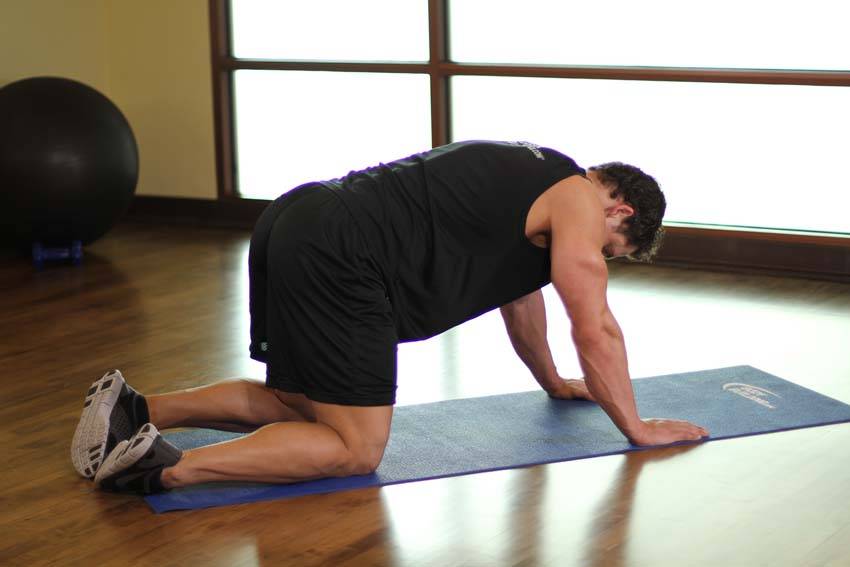
Cat Stretch
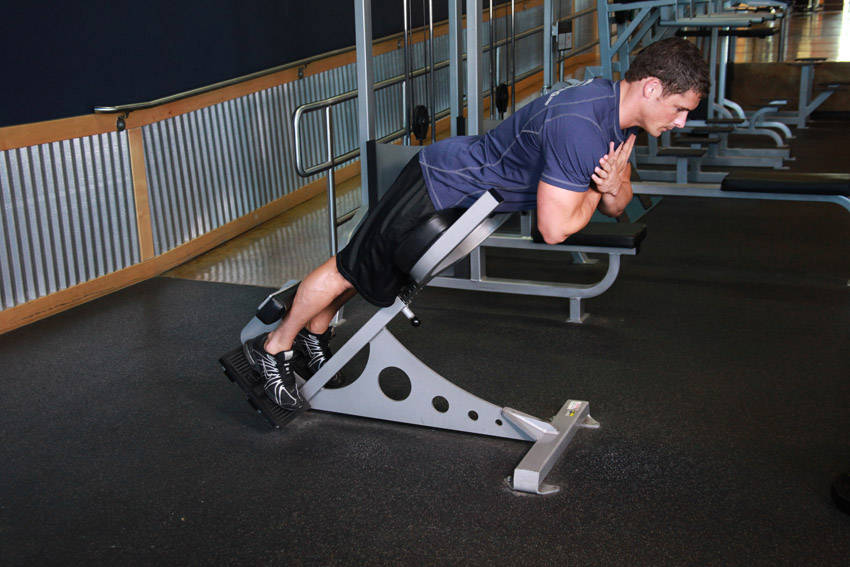
Hyperextensions (back Extensions)
Head-to-Head Comparison
| Attribute | Cat Stretch | Hyperextensions (back Extensions) |
|---|---|---|
| Target Muscle |
Lower-back
|
Lower-back
|
| Body Part |
Back
|
Back
|
| Equipment |
Body-weight
|
Other
|
| Difficulty |
Beginner
|
Intermediate
|
| Movement Type |
Isolation
|
Compound
|
| Secondary Muscles |
2
|
2
|
Secondary Muscles Activated
Cat Stretch
Hyperextensions (back Extensions)
Visual Comparison
Overview
Cat Stretch vs Hyperextensions (Back Extensions) gives you a clear look at two common ways to work the lower-back. You’ll get practical technique cues, biomechanical differences, rep ranges, and guidance for mobility, hypertrophy, and strength goals. Read on to learn which exercise fits your current ability, how each recruits spinal extensors versus hip extensors, what equipment you need, and simple progressions so you can pick the right movement for your training plan.
Key Differences
- Equipment differs: Cat Stretch uses Body-weight, while Hyperextensions (back Extensions) requires Other.
- Cat Stretch is an isolation exercise, while Hyperextensions (back Extensions) is a compound movement.
- Difficulty levels differ: Cat Stretch is beginner, while Hyperextensions (back Extensions) is intermediate.
Pros & Cons
Cat Stretch
+ Pros
- Requires no equipment — ideal for home and rehab
- Improves segmental spinal mobility and motor control
- Low compressive load on lumbar spine
- Simple to cue: tuck tailbone, round thoracic, breathe
− Cons
- Limited capacity for progressive overload and hypertrophy
- Minimal hip extensor (glute/hamstring) activation
- Less effective for developing posterior-chain strength
Hyperextensions (back Extensions)
+ Pros
- Higher posterior chain recruitment (glutes, hamstrings) for strength
- Easily overloaded with added weight or bands
- Better for building muscle growth in erectors under tension
- Versatile variations (reverse hyper, 45° back extension, weighted)
− Cons
- Requires equipment (Roman chair/GHD) for safe execution
- Greater risk of lumbar shear if you hyperextend or use poor setup
- Steeper technical learning curve for clean hip-hinge mechanics
When Each Exercise Wins
Hyperextensions let you add progressive external load and increase time under tension, which drives muscle growth in the erector spinae and glutes. Use 8–15 reps with controlled 2–3 s eccentrics to maximize hypertrophic stimulus.
The exercise produces larger hip- and spinal-extension torques and accepts heavier loading than a bodyweight stretch, so you can overload the posterior chain for measurable strength progress using 4–8 rep sets with added weight.
Cat Stretch teaches spinal mobility and neuromuscular control without external load, making it ideal for new trainees or those rehabbing the lower-back. Start with 8–12 slow reps or 20–30 s holds to build control.
Cat Stretch needs no equipment and fits small spaces, offering a low-risk way to mobilize and activate the lower-back. Use it as a warm-up or recovery tool when you don't have access to a Roman chair.
Frequently Asked Questions
Can I do both Cat Stretch and Hyperextensions (Back Extensions) in the same workout?
Yes. Use Cat Stretch as a dynamic warm-up to improve thoracic mobility and prime the erectors, then perform hyperextensions later for loaded strength or hypertrophy. That sequence reduces injury risk and optimizes motor control before adding external load.
Which exercise is better for beginners?
Cat Stretch is better for beginners because it teaches spinal movement and control with minimal risk and no equipment. Once you master hip-hinge mechanics and have a pain-free baseline, introduce hyperextensions progressively.
How do the muscle activation patterns differ?
Cat Stretch focuses on segmental spinal flexion/extension, activating the erector spinae isometrically and through small concentric phases with limited hip involvement. Hyperextensions combine lumbar extension with hip extension, increasing concentric loading of glutes and hamstrings in addition to higher erector spinae activation under load.
Can Hyperextensions (Back Extensions) replace Cat Stretch?
Hyperextensions can replace Cat Stretch for strength-focused sessions but not for mobility training. If your goal is motor control and thoracic mobility, keep Cat Stretch in your routine as a separate warm-up or corrective drill.
Expert Verdict
Use Cat Stretch when your priority is spinal mobility, motor control, or you need a low-load option for home workouts or rehab. It isolates vertebral motion, educates the erector spinae on length-tension control, and reduces compressive forces. Choose Hyperextensions when you want posterior-chain strength or muscle growth: the hip-hinge pattern recruits glutes and hamstrings and accepts progressive loading for 4–15 rep ranges. If you train both, use Cat Stretch for warm-up and mobility and follow with weighted hyperextensions for targeted strength work, keeping lumbar extension controlled and avoiding excessive hyperextension under load.
Also Compare
More comparisons with Cat Stretch
More comparisons with Hyperextensions (back Extensions)
Compare More Exercises
Use our free comparison tool to analyze any two exercises head-to-head.
Compare Exercises