

Cat Stretch vs Superman: Complete Comparison Guide
Cat Stretch vs Superman puts two simple bodyweight back isolation moves head-to-head. If you want to protect your lower back, improve extension control, or add low-equipment work to your routine, this comparison helps you choose. I'll break down primary and secondary muscle activation, give clear technique cues you can use right away (spine alignment, pelvic tilt, scapular control), compare equipment and injury risk, and declare winners for hypertrophy, strength, beginners, and home workouts. Read on so you know when to use Cat Stretch for mobility and motor control or Superman for loaded extension and posterior-chain recruitment.
Exercise Comparison
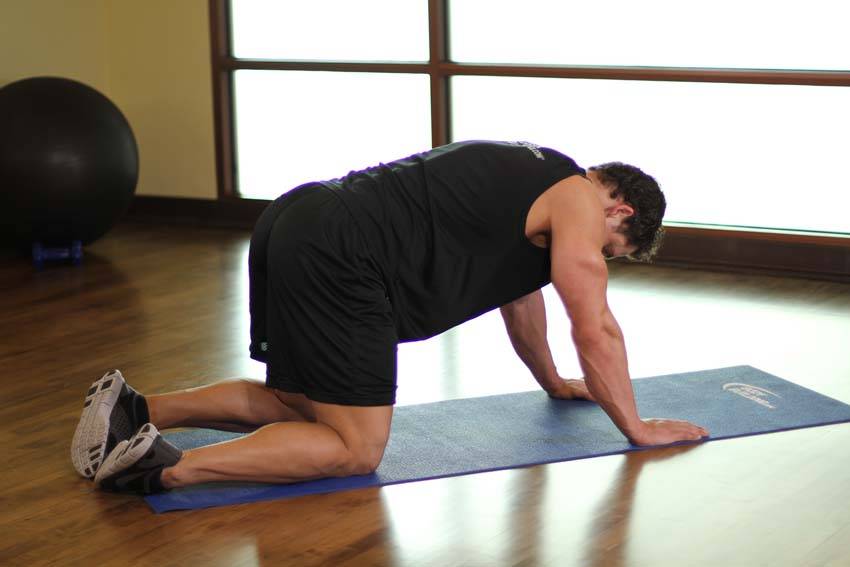
Cat Stretch
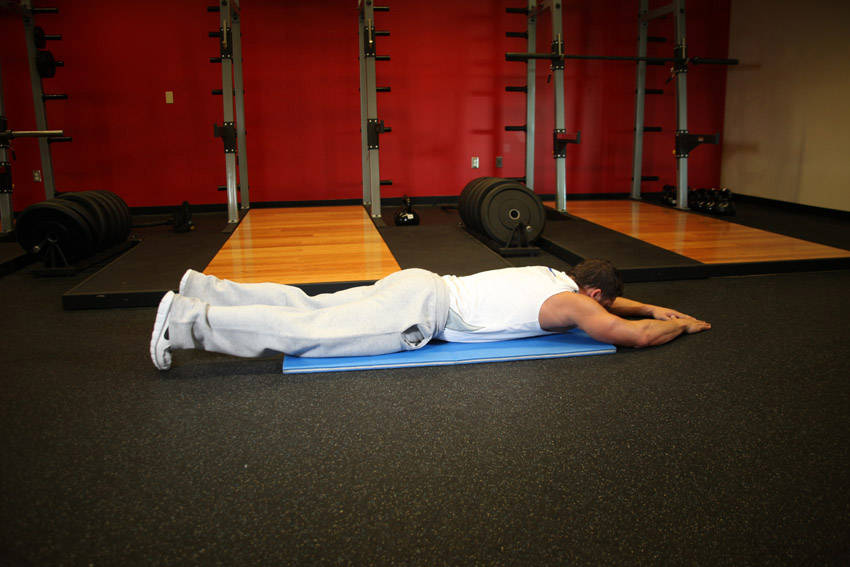
Superman
Head-to-Head Comparison
| Attribute | Cat Stretch | Superman |
|---|---|---|
| Target Muscle |
Lower-back
|
Lower-back
|
| Body Part |
Back
|
Back
|
| Equipment |
Body-weight
|
Body-weight
|
| Difficulty |
Beginner
|
Beginner
|
| Movement Type |
Isolation
|
Isolation
|
| Secondary Muscles |
2
|
2
|
Secondary Muscles Activated
Cat Stretch
Superman
Visual Comparison
Overview
Cat Stretch vs Superman puts two simple bodyweight back isolation moves head-to-head. If you want to protect your lower back, improve extension control, or add low-equipment work to your routine, this comparison helps you choose. I'll break down primary and secondary muscle activation, give clear technique cues you can use right away (spine alignment, pelvic tilt, scapular control), compare equipment and injury risk, and declare winners for hypertrophy, strength, beginners, and home workouts. Read on so you know when to use Cat Stretch for mobility and motor control or Superman for loaded extension and posterior-chain recruitment.
Key Differences
- Both exercises target the Lower-back using Body-weight. The main differences are in their movement patterns and muscle activation angles.
Pros & Cons
Cat Stretch
+ Pros
- Gentle on the spine and ideal for mobility work
- Improves thoracic and scapular control
- No equipment and easy to regress
- Good warm-up for spine and mid-back activation
− Cons
- Minimal hypertrophy stimulus for erectors
- Doesn't significantly train glutes or hamstrings
- Limited overload options for progressive strengthening
Superman
+ Pros
- Stronger posterior-chain recruitment (glutes, hamstrings, erectors)
- Easily progressed with holds, tempo, or added load
- Builds lumbar and thoracic extension strength
- Efficient for low-equipment posterior-chain work
− Cons
- Higher risk of lumbar hyperextension if cued poorly
- Can compress lumbar facets with excessive lift or weight
- Requires better motor control to avoid compensatory hip hiking
When Each Exercise Wins
Superman drives greater concentric demand on the erector spinae and adds hip extension to load glutes and hamstrings, which gives more hypertrophic stimulus. Use 8–15 reps, or 10–30 second holds with progressive overload to target muscle growth.
Superman produces higher force through the posterior chain and allows progressive loading (weighted holds, bands, single-leg variants), making it better for increasing extension strength. Focus on controlled tempo and increasing resistance gradually to build force production.
Cat Stretch teaches spinal segmentation, breathing, and scapular control with minimal load and simple cues, so beginners learn safe movement patterns first. Start with 8–12 slow cycles of 3–6 second phases to build motor control.
Cat Stretch needs zero equipment and is safer for people training alone with limited coaching, making it ideal for home sessions. Use it as part of a warm-up or mobility circuit; add Superman only when you can maintain neutral pelvis and clean extension.
Frequently Asked Questions
Can I do both Cat Stretch and Superman in the same workout?
Yes. Pair Cat Stretch as a warm-up or motor-control drill (8–12 slow cycles) and follow with Superman for strength or posterior-chain work (3 sets of 8–15 reps or 10–30s holds). Use Cat to reset the spine between heavier extension sets.
Which exercise is better for beginners?
Cat Stretch is better for most beginners because it teaches spinal segmentation and scapular control with very low mechanical load. Once you can maintain neutral pelvis and stable scapulae, introduce Superman gradually.
How do the muscle activation patterns differ?
Cat Stretch alternates low-level erector activation with stretch and emphasizes scapular muscle engagement during protraction/retraction. Superman produces sustained concentric/near-isometric activation of lumbar and thoracic erectors plus strong glute and hamstring activation through hip extension, yielding higher force demands.
Can Superman replace Cat Stretch?
Not completely. Superman can replace Cat Stretch when your aim is strength and posterior-chain loading, but it doesn't teach thoracic mobility or the same scapular control. Keep Cat Stretch in your program for mobility and as a spine-friendly warm-up.
Expert Verdict
Use Cat Stretch when your goal is mobility, spinal motor control, pain-friendly movement, or a low-risk warm-up. It trains thoracic mobility and scapular stabilizers while gently loading the erector spinae through controlled flexion/extension cycles. Choose Superman when you want to strengthen lumbar extensors and the posterior chain — it provides a larger mechanical load via hip extension and concentric erector work. Program Superman for 3–4 sets of 8–15 reps or 3 sets of 10–30 second holds and progress with tempo or light external load. Prioritize technique: keep the pelvis neutral, avoid excessive lumbar arch, and use Cat Stretch to prep the spine.
Also Compare
More comparisons with Cat Stretch
Compare More Exercises
Use our free comparison tool to analyze any two exercises head-to-head.
Compare Exercises