

Chain Press vs Dips - Chest Version: Complete Comparison Guide
Chain Press vs Dips - Chest Version is the matchup every chest-focused lifter should understand. You’ll get a clear breakdown of how each move loads the pectorals, what secondary muscles take the hit, the equipment and setup you need, and how to pick between them depending on your goal—hypertrophy, strength, or convenience. I’ll cover technique cues, biomechanics (length-tension and force vectors), rep ranges (6–8 for strength, 8–12 for hypertrophy), and safe progression paths so you can choose the right tool and execute it correctly.
Exercise Comparison
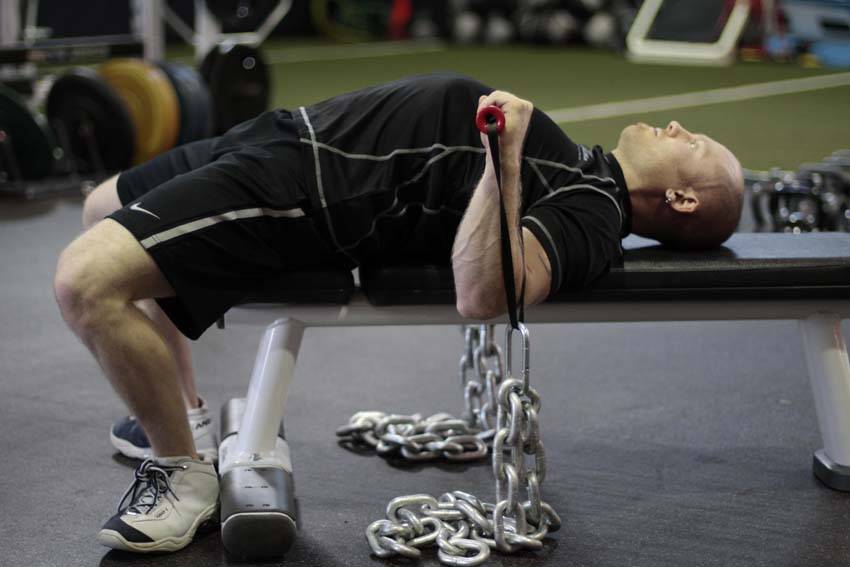
Chain Press
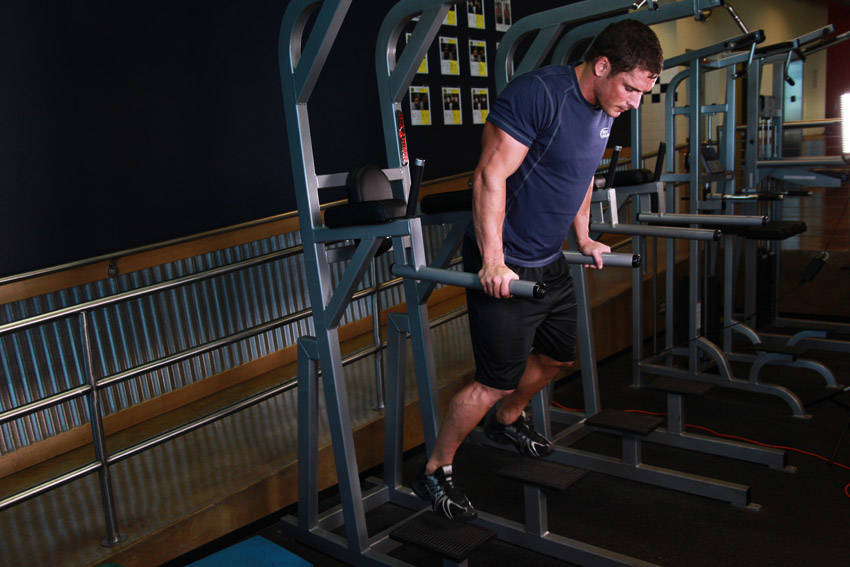
Dips - Chest Version
Head-to-Head Comparison
| Attribute | Chain Press | Dips - Chest Version |
|---|---|---|
| Target Muscle |
Pectorals
|
Pectorals
|
| Body Part |
Chest
|
Chest
|
| Equipment |
Other
|
Other
|
| Difficulty |
Advanced
|
Intermediate
|
| Movement Type |
Compound
|
Compound
|
| Secondary Muscles |
2
|
2
|
Secondary Muscles Activated
Chain Press
Dips - Chest Version
Visual Comparison
Overview
Chain Press vs Dips - Chest Version is the matchup every chest-focused lifter should understand. You’ll get a clear breakdown of how each move loads the pectorals, what secondary muscles take the hit, the equipment and setup you need, and how to pick between them depending on your goal—hypertrophy, strength, or convenience. I’ll cover technique cues, biomechanics (length-tension and force vectors), rep ranges (6–8 for strength, 8–12 for hypertrophy), and safe progression paths so you can choose the right tool and execute it correctly.
Key Differences
- Difficulty levels differ: Chain Press is advanced, while Dips - Chest Version is intermediate.
- Both exercises target the Pectorals using Other. The main differences are in their movement patterns and muscle activation angles.
Pros & Cons
Chain Press
+ Pros
- Provides accommodating resistance—more load at the top for stronger lockouts
- Even pec recruitment with top-end tension that targets full-range contraction
- Excellent for advanced progressive overload and peaking strength
- Teaches force production under a changing load vector, improving stability
− Cons
- Requires chains and specific setup, limiting accessibility
- Higher technical demand—timing and chain management are critical
- Can overload the shoulders/wrists if performed with poor alignment
Dips - Chest Version
+ Pros
- Highly accessible—requires minimal equipment and easy regressions
- Strong lower-pectoral emphasis when performed with a 30–45° forward lean
- Easy to load progressively with dip belts, vests, or weighted plates
- Great time-under-tension stimulus through deep eccentric range
− Cons
- Depth can stress the anterior shoulder—risk grows if you drop past safe ROM
- Plateaus can occur without added weight or tempo changes
- Less top-end overload compared to accommodating resistance methods
When Each Exercise Wins
Dips produce a long eccentric stretch across the pecs and allow high time under tension in the 8–12 rep range, which is optimal for muscle growth. Their stretch-mediated stimulus and easy ability to add moderate load make them a practical hypertrophy choice for most lifters.
Chain Press lets you combine barbells with variable-chain resistance to overload the top range and improve lockout strength; use 4–6 reps with heavy base load plus chains to shift the force-velocity curve. That accommodating resistance targets force production under changing torque demands better than standard dips.
Dips are simpler to scale with assistance or partial range and teach pressing mechanics and scapular control in a straightforward way. Beginners can progress from band-assisted or bench-assisted variations to full dips before adding external weight.
You can perform chest dips at home with rings, two sturdy chairs, or a doorway dip station and use bodyweight or a backpack for added load. Chain Press requires chains and bench attachments that are uncommon in most home setups.
Frequently Asked Questions
Can I do both Chain Press and Dips - Chest Version in the same workout?
Yes. Pair dips early for volume and stretch (3–4 sets of 8–12) and use chain press later for heavy top-end work (3–5 sets of 3–6). Monitor fatigue: perform the heavier chain press after dips only if your technique remains solid to avoid breakdown under variable load.
Which exercise is better for beginners?
Dips - Chest Version is better for most beginners because it’s easier to regress with bands or bench-assisted setups and builds foundational pressing strength. Start with assisted variations and work toward full dips before attempting chain press.
How do the muscle activation patterns differ?
Dips emphasize pec activation during the bottom-to-mid ROM when the muscle is stretched, maximizing length-tension stimulus; chain press provides a steadier activation but increases tension at the lockout as chains lift, emphasizing concentric top-range force. The force vectors differ—dips use more vertical and shoulder-extension vectors with forward lean, chain press creates a rising horizontal adduction vector with variable resistance.
Can Dips - Chest Version replace Chain Press?
Dips can replace chain press for most lifters seeking hypertrophy, since they deliver strong pec stimulus and are easy to load. However, if your goal is top-range lockout strength or you need accommodating resistance for plateau breaking, chain press provides a distinct mechanical advantage that dips won’t fully replicate.
Expert Verdict
Use Dips - Chest Version when you want a high-stretch, practical chest builder that scales from bodyweight to heavy weighted sets; aim for 8–12 reps for hypertrophy and control your eccentric to protect the shoulder. Choose Chain Press when you’re an advanced lifter chasing top-end tension and lockout strength—program 3–6 heavy sets with chains to exploit accommodating resistance. Both target the pecs and recruit anterior deltoid and triceps, so pair them thoughtfully: dips for volume and stretch, chain press for heavy top-range overload. If you have shoulder issues, prioritize controlled range and progressive regressions.
Also Compare
More comparisons with Chain Press
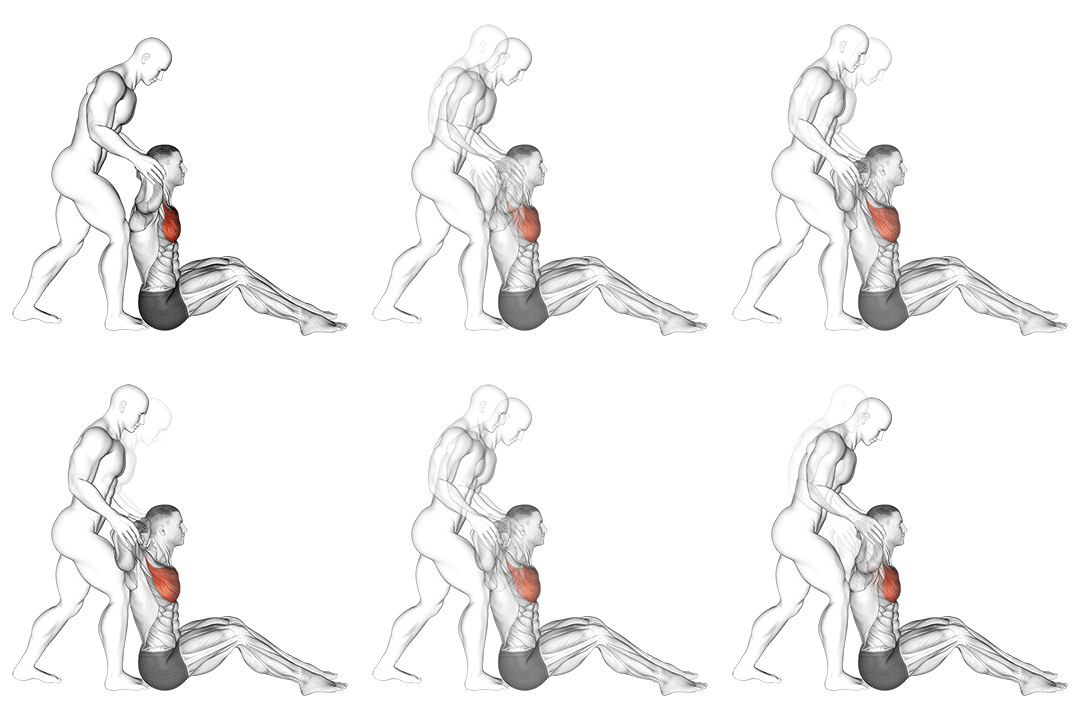
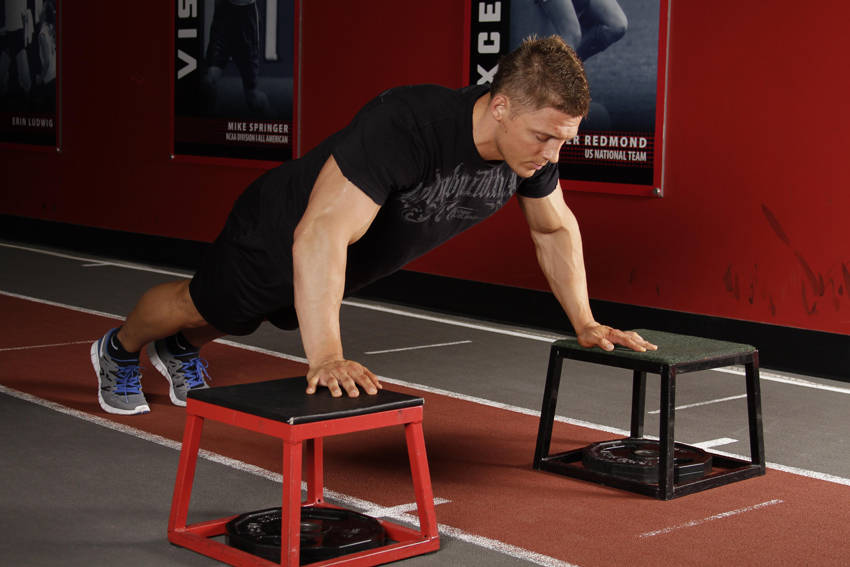

Compare More Exercises
Use our free comparison tool to analyze any two exercises head-to-head.
Compare Exercises