

Chain Press vs Drop Push: Complete Comparison Guide
Chain Press vs Drop Push — you want a clear call on which press to use for chest progress. I’ll walk you through how each exercise loads the pectorals, the shoulder and triceps involvement, equipment needs, and who should choose which. Expect specific technique cues, recommended rep ranges (4–6, 6–10, 8–12), and biomechanical reasoning like how variable resistance alters the length-tension curve and how force vectors change across the pressing arc. Read on so you can pick the press that matches your strength, muscle-growth, and safety priorities.
Exercise Comparison
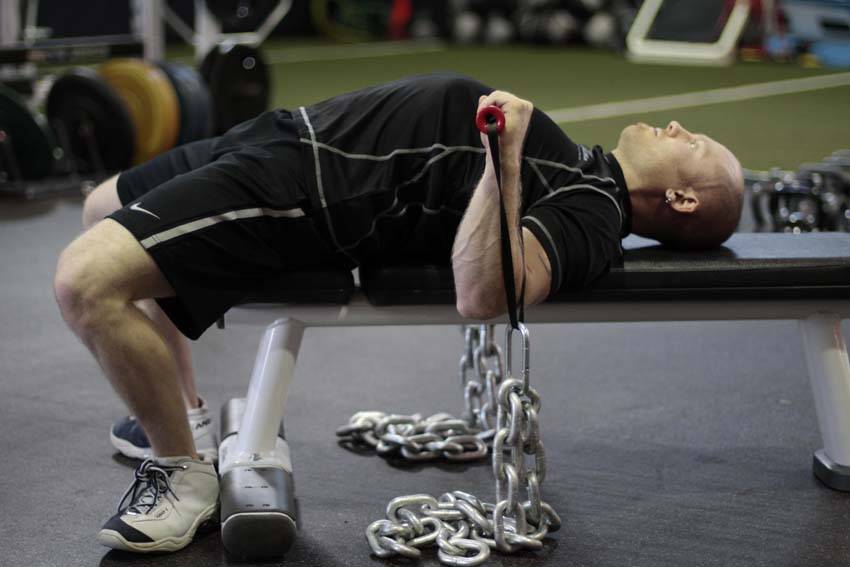
Chain Press
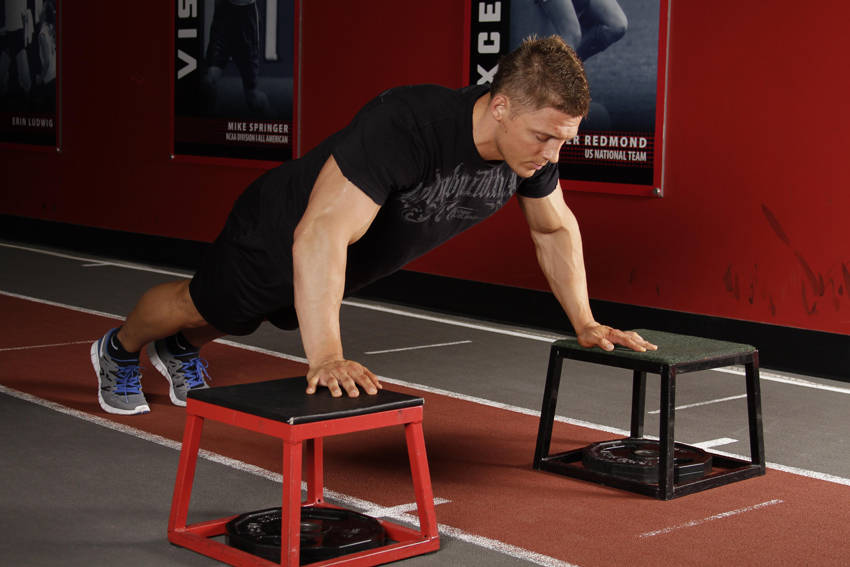
Drop Push
Head-to-Head Comparison
| Attribute | Chain Press | Drop Push |
|---|---|---|
| Target Muscle |
Pectorals
|
Pectorals
|
| Body Part |
Chest
|
Chest
|
| Equipment |
Other
|
Other
|
| Difficulty |
Advanced
|
Intermediate
|
| Movement Type |
Compound
|
Compound
|
| Secondary Muscles |
2
|
2
|
Secondary Muscles Activated
Chain Press
Drop Push
Visual Comparison
Overview
Chain Press vs Drop Push — you want a clear call on which press to use for chest progress. I’ll walk you through how each exercise loads the pectorals, the shoulder and triceps involvement, equipment needs, and who should choose which. Expect specific technique cues, recommended rep ranges (4–6, 6–10, 8–12), and biomechanical reasoning like how variable resistance alters the length-tension curve and how force vectors change across the pressing arc. Read on so you can pick the press that matches your strength, muscle-growth, and safety priorities.
Key Differences
- Difficulty levels differ: Chain Press is advanced, while Drop Push is intermediate.
- Both exercises target the Pectorals using Other. The main differences are in their movement patterns and muscle activation angles.
Pros & Cons
Chain Press
+ Pros
- Provides variable resistance that increases load at lockout, improving the force curve
- Great for developing lockout strength and explosive press power
- Loads pectorals at shortened muscle lengths to improve late-range force production
- Teaches bracing and scapular control under an unstable, changing load
− Cons
- Requires chains or specialized attachments that many gyms lack
- Higher technical demand and instability increases injury risk if form fails
- Less time under constant tension across the mid-range for hypertrophy
Drop Push
+ Pros
- Highly accessible with dumbbells, barbells, or machines for drop sets
- Sustains time under tension across the mid-range, great for hypertrophy
- Easier to scale and program with straightforward rep and rest adjustments
- Lower immediate stabilization demand than chain-loaded variations
− Cons
- Less effective at overloading the lockout or improving top-end pressing power
- Can lead to excessive fatigue and recovery issues if overused
- Requires spotter or quick plate changes for heavy barbell drops to be safe
When Each Exercise Wins
Drop Push maintains steady tension through the mid-range and lets you stack volume with drop sets (8–12 then 6–8 then 4–6). That prolonged time under tension and metabolic stress favors muscle growth across the pectoral length-tension curve.
Chain Press increases resistance toward lockout, improving force production where many lifters fail. Use heavy 3–6 rep blocks with chains adding 10–30% of top-end resistance to build raw pressing strength and lockout power.
Drop Push uses familiar pressing mechanics and simple progression via load and reps. Beginners learn clean joint angles and control without managing moving chains or complex instability.
Drop Push can be done with dumbbells, resistance bands, or bodyweight and requires minimal specialty gear. Chain Press typically needs chains or attachments that most home setups lack.
Frequently Asked Questions
Can I do both Chain Press and Drop Push in the same workout?
Yes. Use Chain Press early as a heavy, low-rep strength movement (3–6 reps) and follow with Drop Push for hypertrophy (8–12 then descending drops). Put the more technical Chain Press first to avoid fatigue-driven form breakdown.
Which exercise is better for beginners?
Drop Push is better for beginners because it preserves standard press mechanics and is easier to scale. Beginners benefit from consistent tension and higher-rep practice before adding advanced tools like chains.
How do the muscle activation patterns differ?
Chain Press increases activation toward lockout as chain weight comes off the floor, shifting peak tension to shorter muscle lengths and higher vertical force vectors. Drop Push keeps activation more constant across the mid-range, favoring sustained pectoral engagement and metabolic stress.
Can Drop Push replace Chain Press?
If your goal is hypertrophy and you lack chains, Drop Push is an effective substitute. If you need specific lockout strength or to alter the force curve for sport-specific reasons, Chain Press cannot be fully replaced by drop sets.
Expert Verdict
Use Chain Press when your priority is top-end pressing strength and improving the lockout portion of the press. Its variable resistance changes the external torque curve, biasing force production at shorter pectoral lengths — ideal for advanced lifters in 3–6 rep strength blocks and for athletes needing explosive pressing. Choose Drop Push when your goal is muscle growth, volume, and accessibility: perform structured drop sets (8–12 → 6–8 → 4–6) to maximize time under tension and metabolic stress. For most lifters, alternate phases — a 4–6 week Chain Press block for strength, then a 6–8 week Drop Push hypertrophy phase — to balance mechanical overload and volume-based muscle growth.
Also Compare
More comparisons with Chain Press


Compare More Exercises
Use our free comparison tool to analyze any two exercises head-to-head.
Compare Exercises