

Chain Press vs Heavy Bag Thrust: Complete Comparison Guide
Chain Press vs Heavy Bag Thrust — you’re choosing between two compound chest tools that stress the pectorals in different ways. If you want clear guidance on which to prioritize, I’ll walk you through muscle activation, movement mechanics, equipment needs, progression options, and injury risk. You’ll get specific technique cues (elbow path, scapular setup, rep ranges), concrete scenarios for hypertrophy versus strength versus beginners, and a final recommendation so you can pick the exercise that matches your goals and training environment.
Exercise Comparison
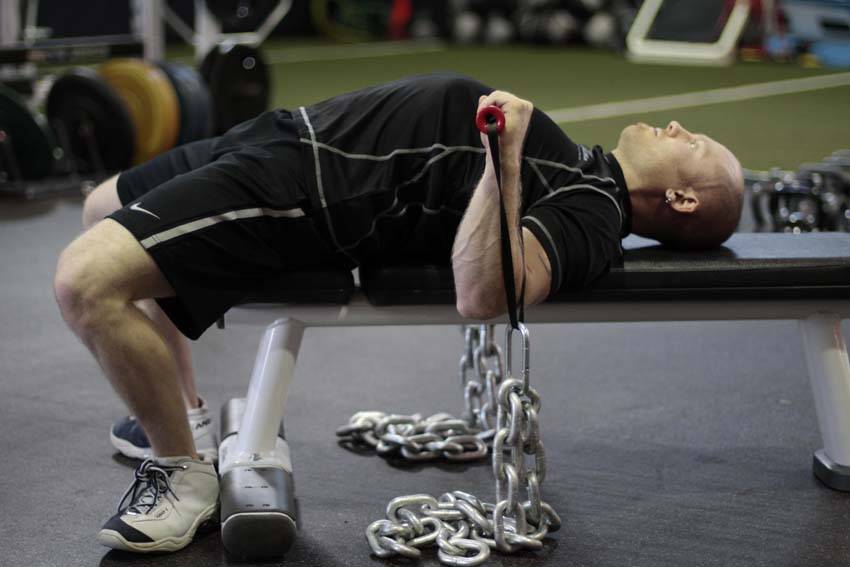
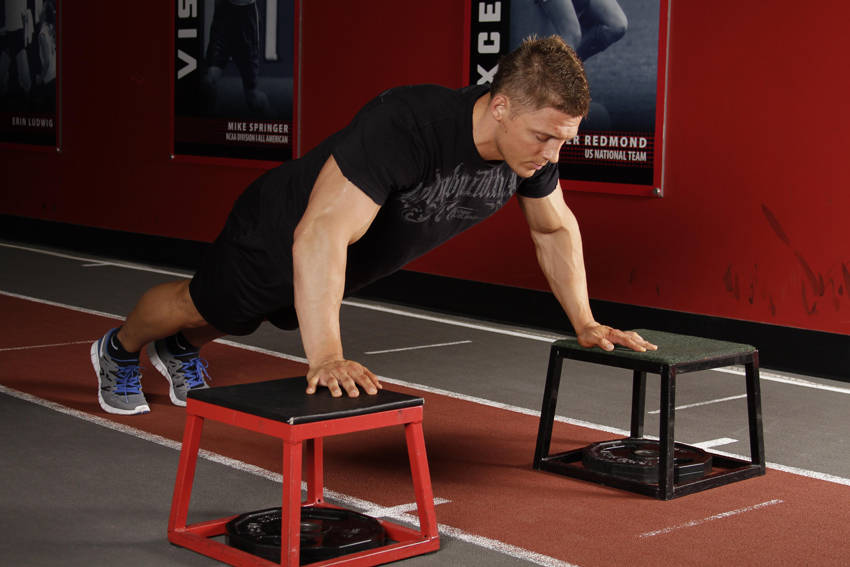
Chain Press
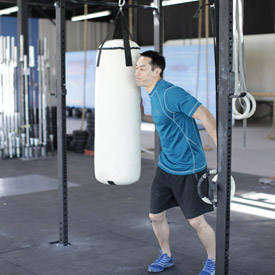
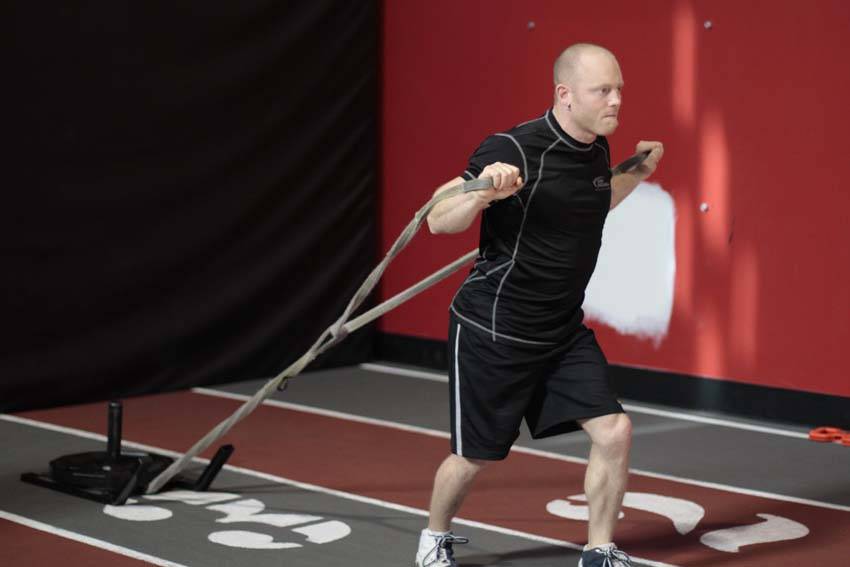
Heavy Bag Thrust
Head-to-Head Comparison
| Attribute | Chain Press | Heavy Bag Thrust |
|---|---|---|
| Target Muscle |
Pectorals
|
Pectorals
|
| Body Part |
Chest
|
Chest
|
| Equipment |
Other
|
Other
|
| Difficulty |
Advanced
|
Intermediate
|
| Movement Type |
Compound
|
Compound
|
| Secondary Muscles |
2
|
3
|
Secondary Muscles Activated
Chain Press
Heavy Bag Thrust
Visual Comparison
Overview
Chain Press vs Heavy Bag Thrust — you’re choosing between two compound chest tools that stress the pectorals in different ways. If you want clear guidance on which to prioritize, I’ll walk you through muscle activation, movement mechanics, equipment needs, progression options, and injury risk. You’ll get specific technique cues (elbow path, scapular setup, rep ranges), concrete scenarios for hypertrophy versus strength versus beginners, and a final recommendation so you can pick the exercise that matches your goals and training environment.
Key Differences
- Difficulty levels differ: Chain Press is advanced, while Heavy Bag Thrust is intermediate.
- Both exercises target the Pectorals using Other. The main differences are in their movement patterns and muscle activation angles.
Pros & Cons
Chain Press
+ Pros
- Direct, controllable progressive overload for strength and hypertrophy
- Variable resistance shifts load curve to overload lockout and mid-range
- High transverse horizontal adduction stress on pectorals for dense chest stimulus
- Transfers well to heavy 3–6 rep strength work and 6–12 hypertrophy sets
− Cons
- Requires specialized equipment or chain rigging
- Higher technical and stability demands on shoulders and scapula
- Greater joint stress at lockout if technique breaks down
Heavy Bag Thrust
+ Pros
- More accessible equipment and adaptable to home setups
- Builds explosive horizontal force and core-bracing capacity
- Lower technical entry barrier for most lifters
- Useful for conditioning and higher-rep metabolic work
− Cons
- Harder to apply precise, incremental overload for strength cycles
- Momentum reduces pure time-under-tension for hypertrophy
- Potential for wrist or sternum bruising and poor spinal mechanics if unbraced
When Each Exercise Wins
Chain Press allows precise progressive overload and maintains tension through mid- to top-range where the pecs produce strong force. Use 6–12 reps with controlled 2–3 second eccentrics and scapular retraction to maximize hypertrophy.
Chain Press supports heavy 3–6 rep loading and changes the strength curve via chains, reinforcing lockout power and neural adaptations needed for maximal pressing strength.
Heavy Bag Thrust teaches horizontal pushing, hip drive, and core bracing with fewer technical constraints. Start with 8–15 reps focusing on controlled thrusts and a neutral spine to build coordination.
Heavy bags or sandbags are easier to obtain and require no barbell rigging. You can scale load by bag weight and reps, making it a practical home-chest option.
Frequently Asked Questions
Can I do both Chain Press and Heavy Bag Thrust in the same workout?
Yes. Pair Chain Press early as your heavy compound (3–6 or 6–8 reps) to target strength and hypertrophy, then finish with Heavy Bag Thrusts for 8–15 reps to train power, core stability, and metabolic conditioning.
Which exercise is better for beginners?
Heavy Bag Thrust is better for beginners because it requires less technical skill and equipment while teaching horizontal pushing and core bracing. Start light, emphasize neutral spine and hip drive, and progress load gradually.
How do the muscle activation patterns differ?
Chain Press emphasizes steady pec tension across mid-to-lockout due to variable resistance, increasing triceps and anterior deltoid recruitment at top ROM. Heavy Bag Thrust produces a ballistic, horizontally directed force with greater abdominal and oblique engagement for stabilization during the thrust.
Can Heavy Bag Thrust replace Chain Press?
Heavy Bag Thrust can replace Chain Press for conditioning, power, and accessibility, but it won’t match the Chain Press for precise progressive overload or peak strength development. Choose the heavy bag for variety and core work; use Chain Press for targeted strength and hypertrophy.
Expert Verdict
Choose Chain Press when your priority is targeted chest development and measurable strength progression. Its variable resistance and ability to overload specific joint angles make it ideal for 3–6 rep strength cycles and 6–12 rep hypertrophy blocks, provided you have the rigging and solid scapular control. Pick Heavy Bag Thrust if you want an accessible, power-oriented chest movement that also trains core stability and conditioning; it’s the smarter pick for beginners and most home setups. Use both strategically: heavy-chain work for focused overload, and bag thrusts for power, variety, and conditioning.
Also Compare
More comparisons with Chain Press
Compare More Exercises
Use our free comparison tool to analyze any two exercises head-to-head.
Compare Exercises