

Chest And Front Of Shoulder Stretch vs Chest Dip: Complete Comparison Guide
Chest And Front Of Shoulder Stretch vs Chest Dip gives you two very different tools for the chest. You’ll read a direct comparison so you can pick the right move for your goal: mobility, muscle growth, or strength. I’ll cover primary and secondary muscle recruitment, equipment needs, difficulty and progression, technique cues (angles, hold times, torso lean), and when to use each exercise in your program. By the end you’ll know which to use for warm-ups, rehab, hypertrophy sets, or heavy strength work.
Exercise Comparison
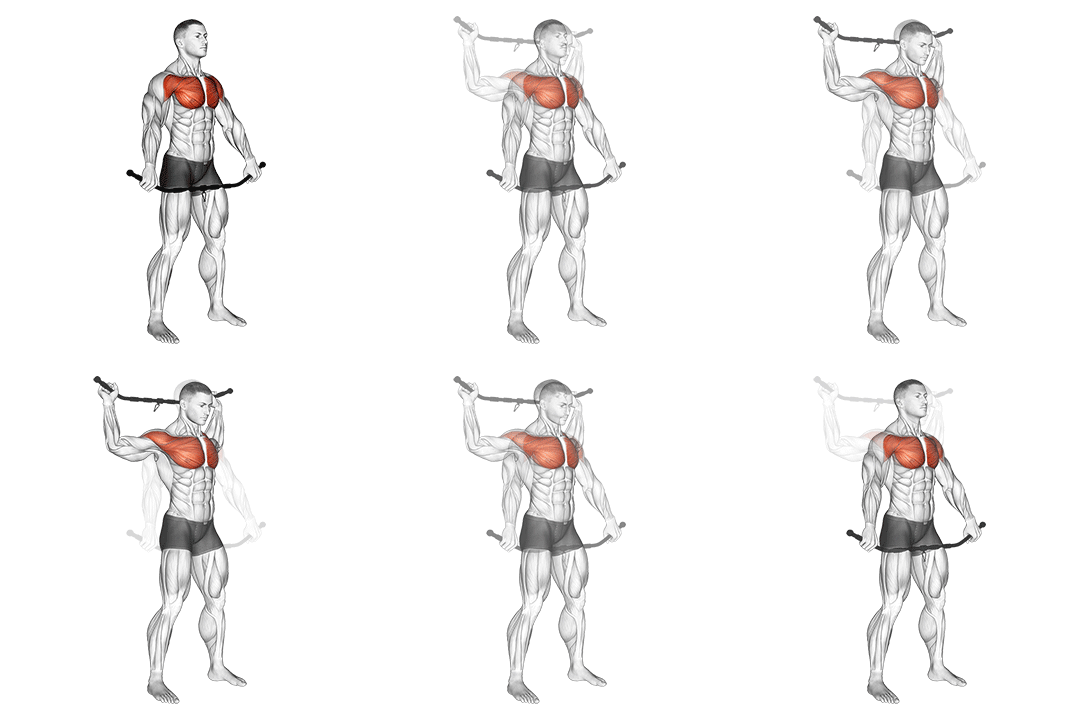
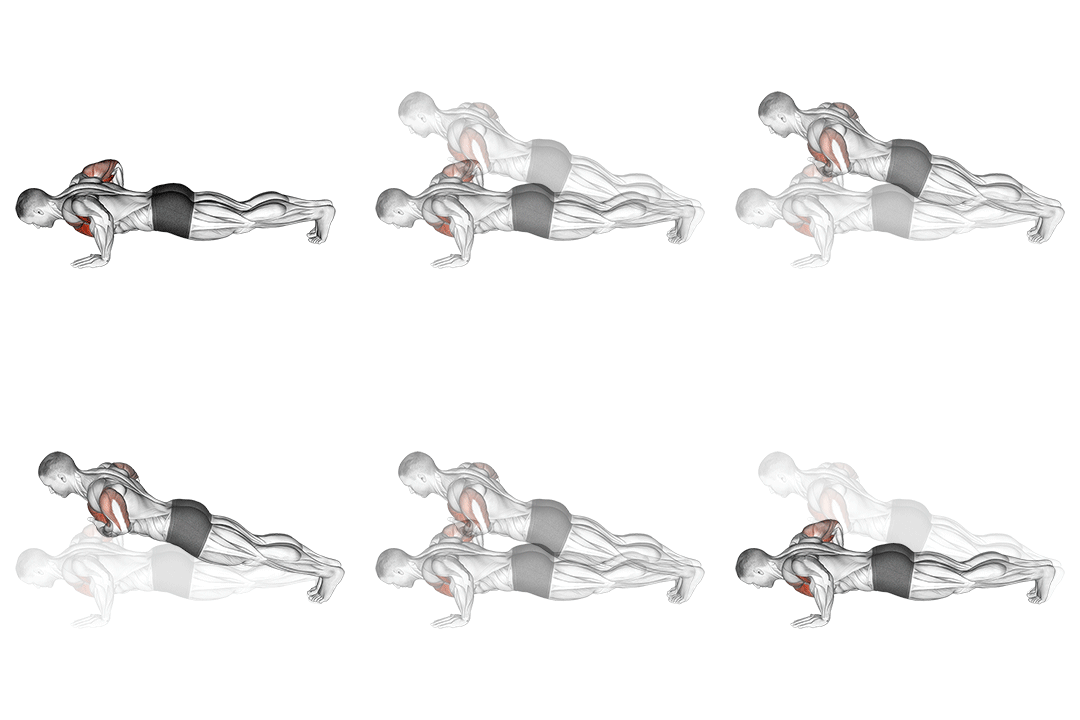
Chest And Front Of Shoulder Stretch
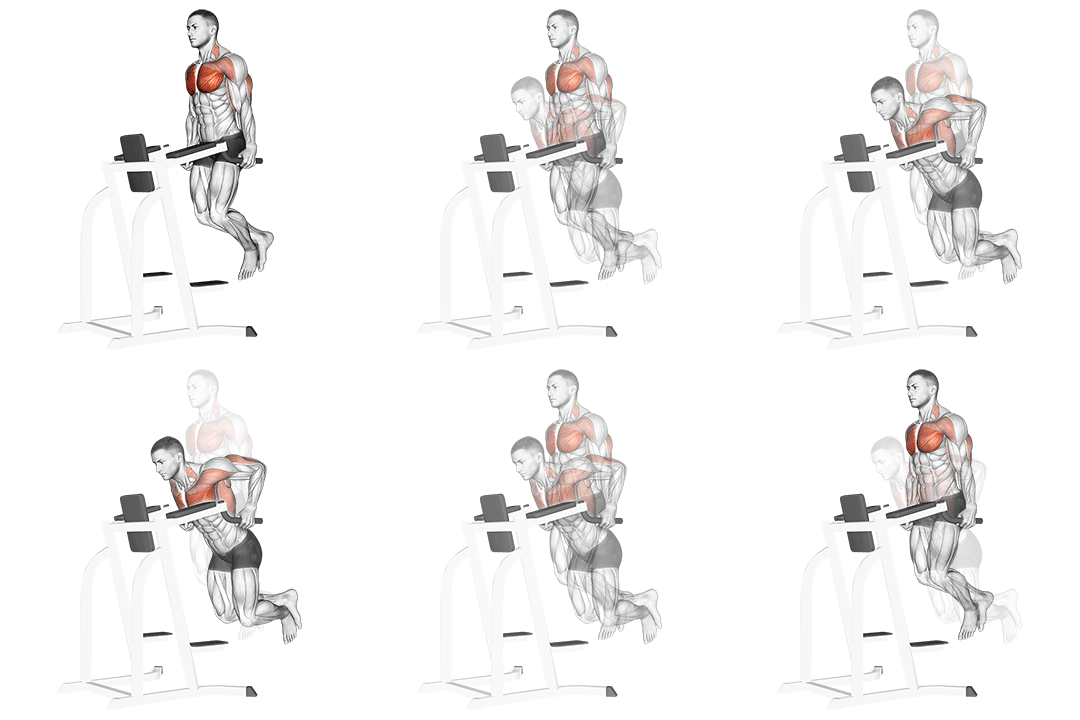
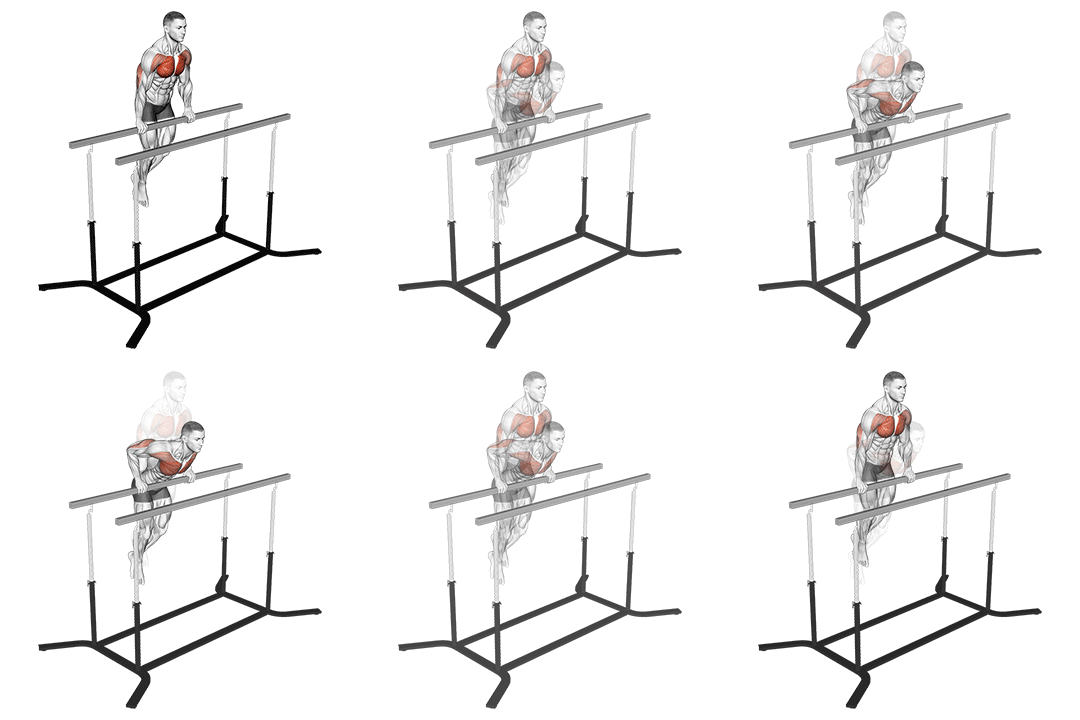
Chest Dip
Head-to-Head Comparison
| Attribute | Chest And Front Of Shoulder Stretch | Chest Dip |
|---|---|---|
| Target Muscle |
Pectorals
|
Pectorals
|
| Body Part |
Chest
|
Chest
|
| Equipment |
Body-weight
|
Body-weight
|
| Difficulty |
Beginner
|
Advanced
|
| Movement Type |
Isolation
|
Compound
|
| Secondary Muscles |
1
|
2
|
Secondary Muscles Activated
Chest And Front Of Shoulder Stretch
Chest Dip
Visual Comparison
Overview
Chest And Front Of Shoulder Stretch vs Chest Dip gives you two very different tools for the chest. You’ll read a direct comparison so you can pick the right move for your goal: mobility, muscle growth, or strength. I’ll cover primary and secondary muscle recruitment, equipment needs, difficulty and progression, technique cues (angles, hold times, torso lean), and when to use each exercise in your program. By the end you’ll know which to use for warm-ups, rehab, hypertrophy sets, or heavy strength work.
Key Differences
- Chest And Front Of Shoulder Stretch is an isolation exercise, while Chest Dip is a compound movement.
- Difficulty levels differ: Chest And Front Of Shoulder Stretch is beginner, while Chest Dip is advanced.
- Both exercises target the Pectorals using Body-weight. The main differences are in their movement patterns and muscle activation angles.
Pros & Cons
Chest And Front Of Shoulder Stretch
+ Pros
- Improves pectoral and anterior shoulder flexibility and ROM with 20–60s holds
- Requires no special equipment—doable at home or in a hotel
- Low metabolic load and minimal joint compression, safe for many populations
- Useful as a warm-up, cooldown, or rehab tool to restore length-tension relationship
− Cons
- Does not provide significant mechanical overload for muscle growth
- Limited progression options for strength development
- Too aggressive holds can irritate the anterior shoulder if technique or baseline mobility is poor
Chest Dip
+ Pros
- High mechanical tension on pectorals for hypertrophy and strength (6–12 reps for size, 3–6 for strength with added weight)
- Easily progressive—add weight, adjust tempo, increase volume
- Also strengthens triceps and anterior deltoids, offering compound benefit
- Functional upper-body pressing pattern with strong carryover to other moves
− Cons
- Advanced skill: requires scapular stability and triceps strength
- Higher compressive and shear forces at the shoulder—risk if mobility or form are poor
- Needs equipment (parallel bars/rings) or assistance for beginners
When Each Exercise Wins
Chest Dip wins because it provides progressive mechanical overload and clear rep prescriptions (6–12 reps) for hypertrophy. With a 20–30° torso lean you bias the chest and can add weight to increase stimulus.
Chest Dip is superior for strength: you can load heavy (3–6 reps), overload the concentric lockout, and train neural adaptations. The compound pattern recruits triceps and shoulders to build pressing strength.
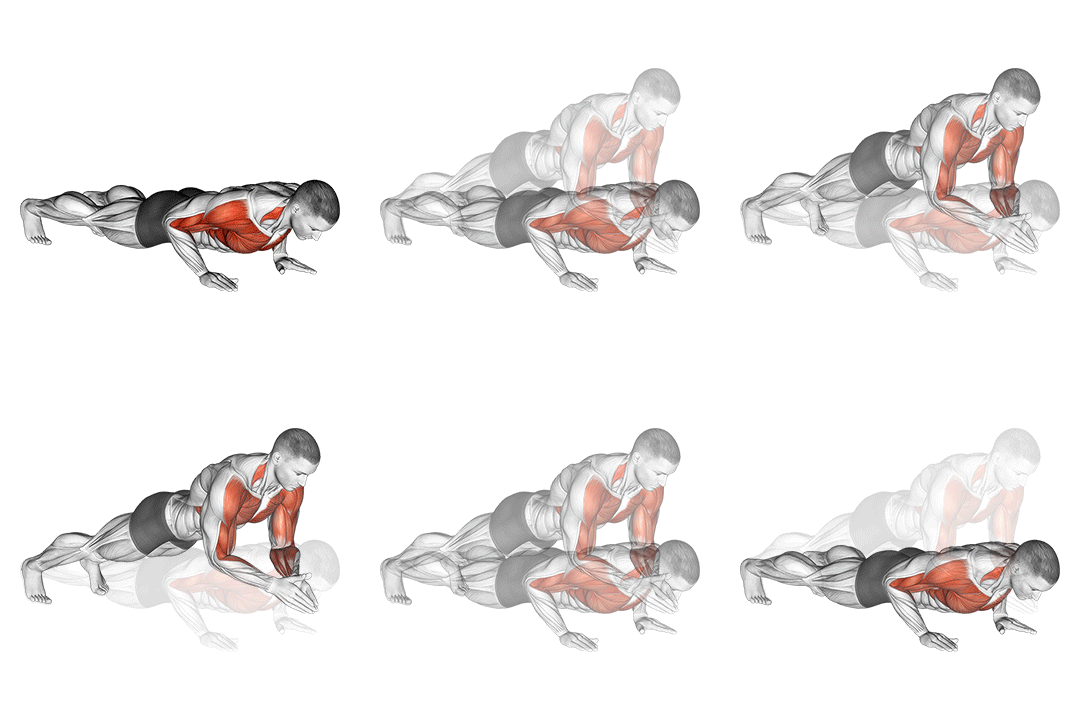
Beginners should start with the stretch to restore range and teach shoulder positioning; it’s low-risk and helps correct tight pecs before loading. Use assisted dips or push-up progressions afterward.
The stretch requires no specialized equipment and fits into limited-space routines. If you lack parallel bars or rings, the stretch improves mobility and prepares the chest for bodyweight pressing alternatives like push-ups.
Frequently Asked Questions
Can I do both Chest And Front Of Shoulder Stretch and Chest Dip in the same workout?
Yes. Do the Chest And Front Of Shoulder Stretch as part of your warm-up—2 sets of 20–30 second holds—to increase shoulder ROM, then perform Chest Dips later when you’re warmed up. Stretching first reduces stiffness and can improve dip depth safely.
Which exercise is better for beginners?
For absolute beginners the Chest And Front Of Shoulder Stretch is better to teach positioning and improve mobility. Beginners should pair it with assisted dips or incline push-ups before attempting full bodyweight dips.
How do the muscle activation patterns differ?
Chest Dip produces dynamic concentric and eccentric pectoral contractions with high EMG activity and triceps involvement, while the Chest And Front Of Shoulder Stretch produces passive or low-level isometric tension at end-range, improving length-tension but not producing significant concentric force.
Can Chest Dip replace Chest And Front Of Shoulder Stretch?
No—Chest Dip cannot fully replace the stretch for mobility or rehab. Dips build mechanical tension and size, but the stretch specifically restores pectoral length and anterior shoulder range; use the stretch for warm-ups and dips for overload.
Expert Verdict
Use the Chest And Front Of Shoulder Stretch as your mobility and prep tool: include 1–2 sets of 20–60 second holds before pressing work to restore length-tension and reduce anterior shoulder tightness. Use Chest Dip when your goal is hypertrophy or strength—start with assisted variations, keep a 20–30° torso lean to bias the chest, and stop descent around 90–100° elbow flexion until you have stable scapula control. If you can do both, stretch first to protect the joint and dip later to supply the overload needed for muscle growth and strength.
Also Compare
More comparisons with Chest And Front Of Shoulder Stretch
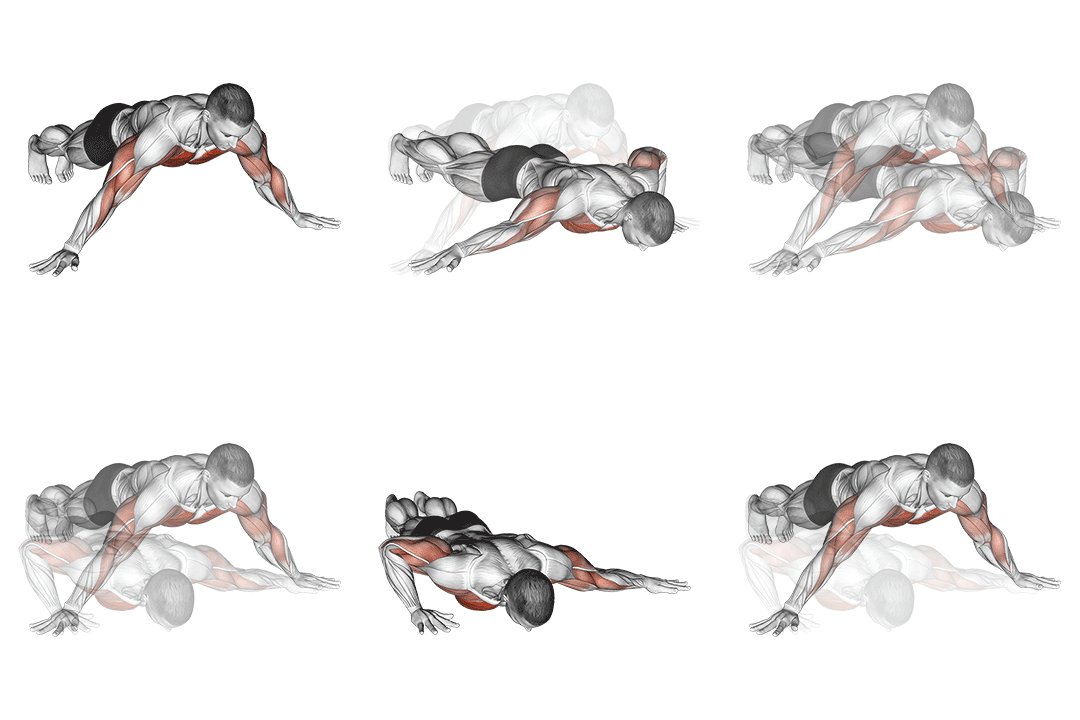
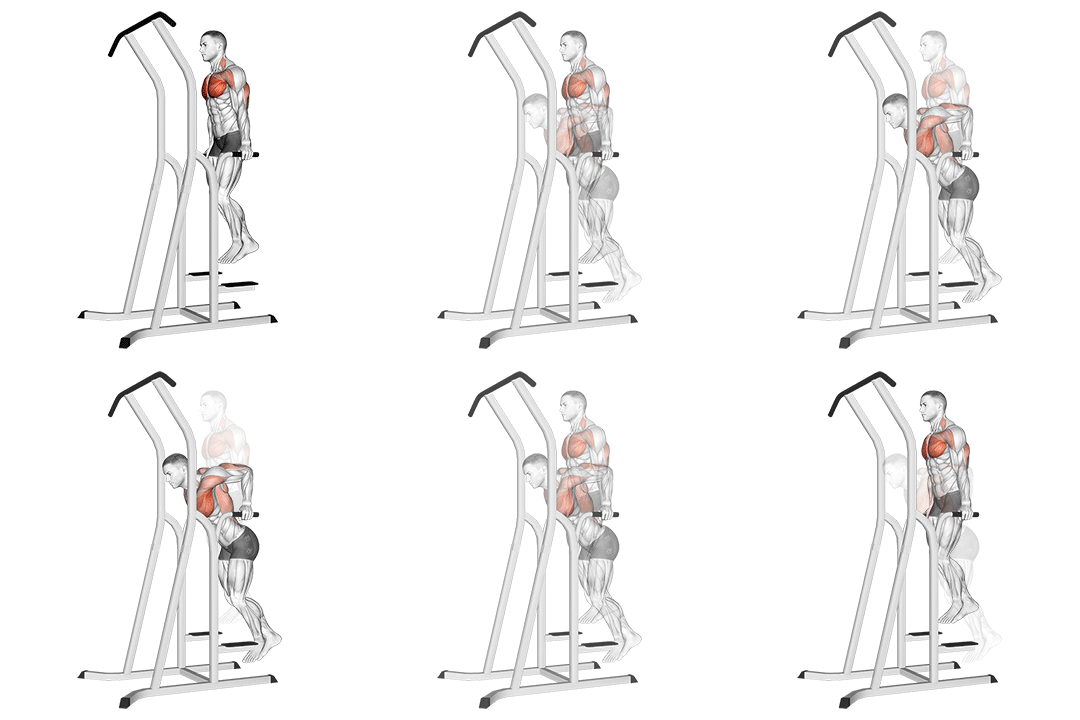
Compare More Exercises
Use our free comparison tool to analyze any two exercises head-to-head.
Compare Exercises