

Chest And Front Of Shoulder Stretch vs Chest Dip On Straight Bar: Complete Comparison Guide
Chest And Front Of Shoulder Stretch vs Chest Dip On Straight Bar — you’ve got a mobility tool on one side and a compound strength move on the other. If you want clear guidance, this comparison walks you through muscle activation, biomechanics, equipment needs, injury risk, progress paths, and when to use each. I’ll give specific technique cues (angle, duration, rep ranges) and decisive recommendations so you can pick the option that matches your goal: improved chest mobility and posture or loaded chest and upper-body strength.
Exercise Comparison
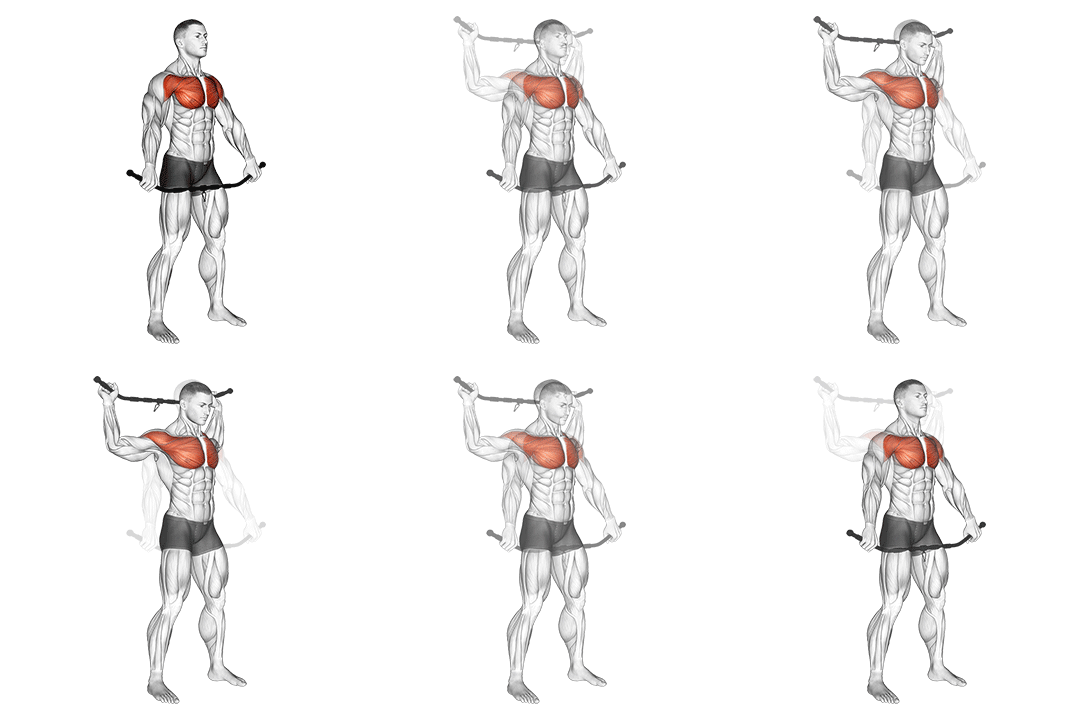
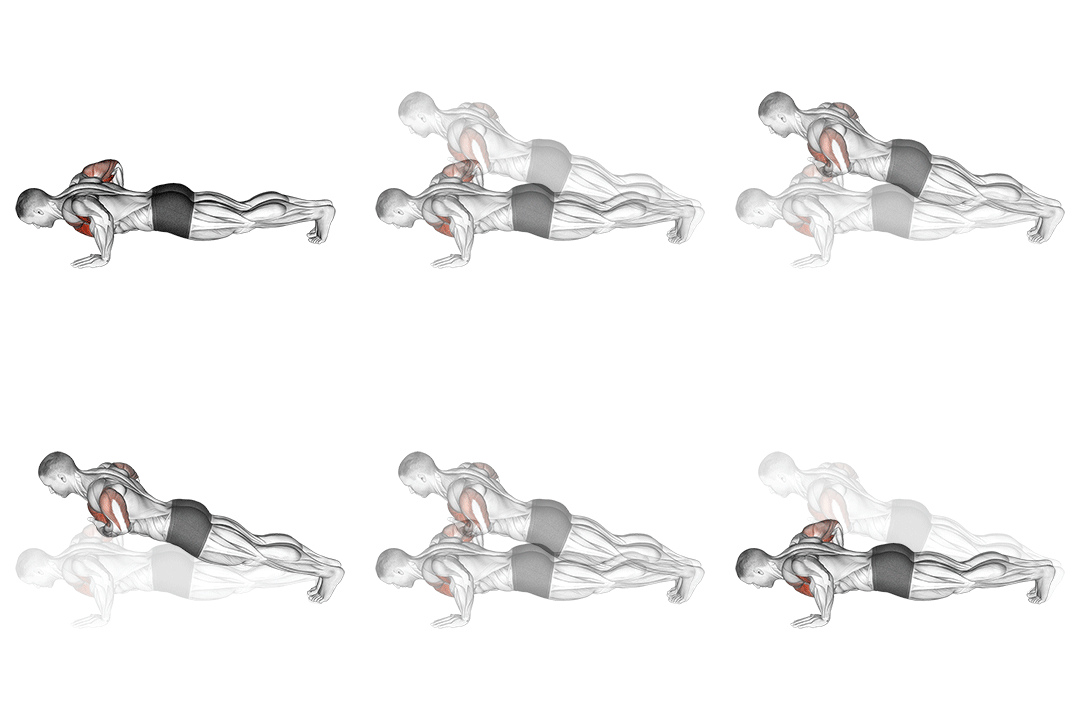
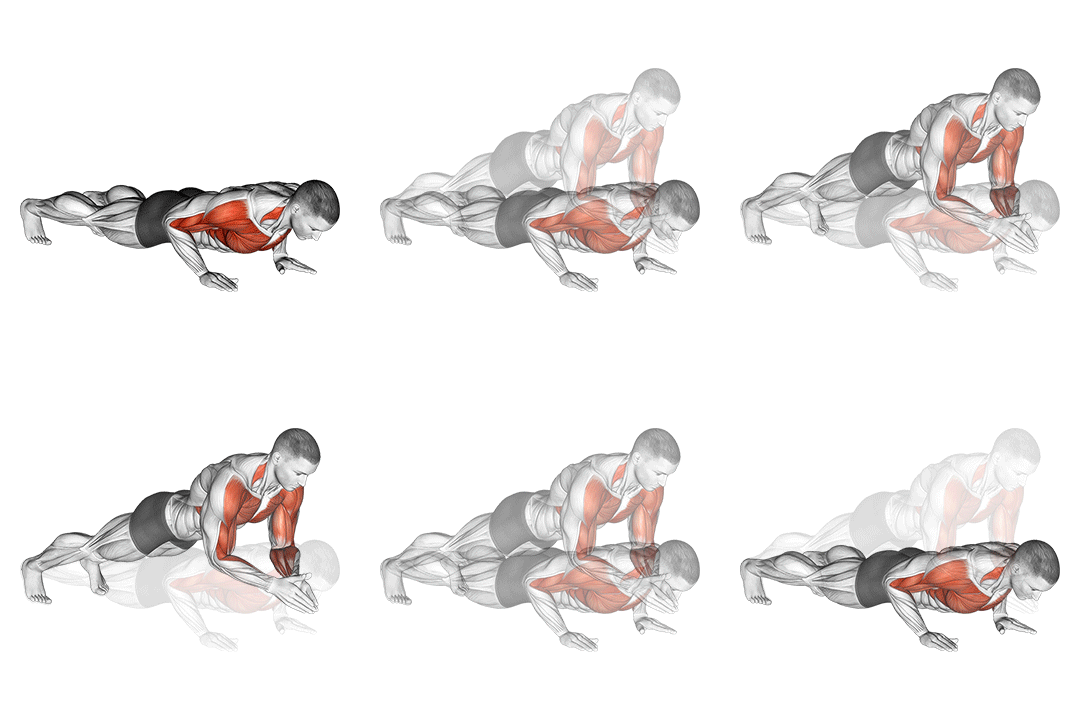
Chest And Front Of Shoulder Stretch
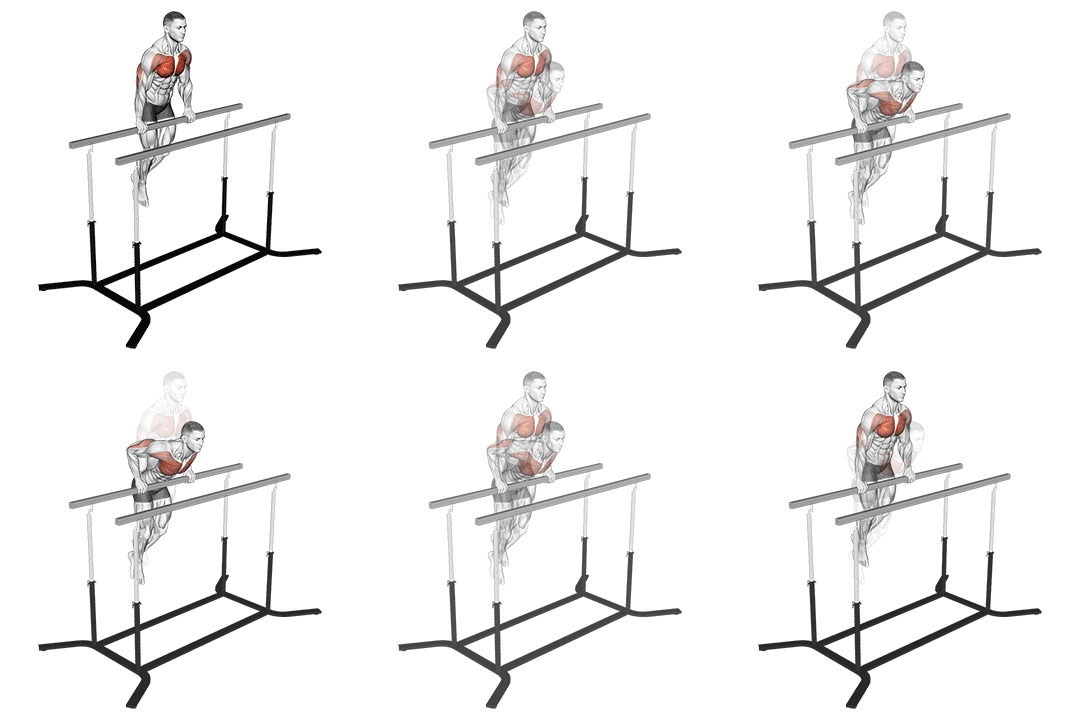
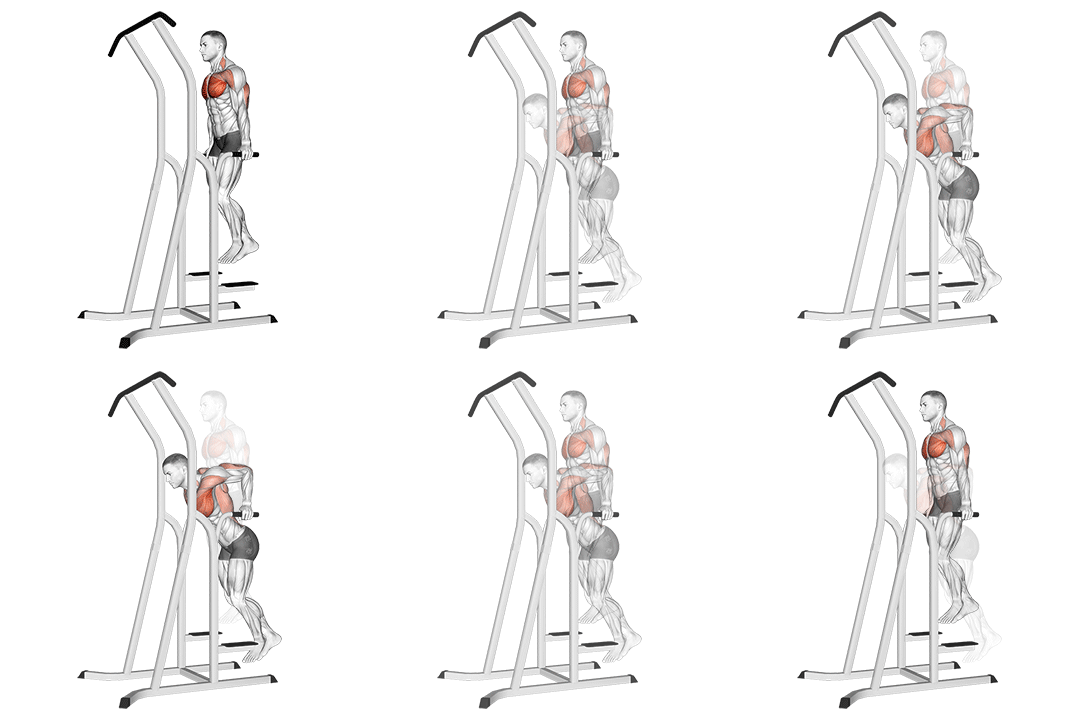
Chest Dip On Straight Bar
Head-to-Head Comparison
| Attribute | Chest And Front Of Shoulder Stretch | Chest Dip On Straight Bar |
|---|---|---|
| Target Muscle |
Pectorals
|
Pectorals
|
| Body Part |
Chest
|
Chest
|
| Equipment |
Body-weight
|
Body-weight
|
| Difficulty |
Beginner
|
Intermediate
|
| Movement Type |
Isolation
|
Compound
|
| Secondary Muscles |
1
|
2
|
Secondary Muscles Activated
Chest And Front Of Shoulder Stretch
Chest Dip On Straight Bar
Visual Comparison
Overview
Chest And Front Of Shoulder Stretch vs Chest Dip On Straight Bar — you’ve got a mobility tool on one side and a compound strength move on the other. If you want clear guidance, this comparison walks you through muscle activation, biomechanics, equipment needs, injury risk, progress paths, and when to use each. I’ll give specific technique cues (angle, duration, rep ranges) and decisive recommendations so you can pick the option that matches your goal: improved chest mobility and posture or loaded chest and upper-body strength.
Key Differences
- Chest And Front Of Shoulder Stretch is an isolation exercise, while Chest Dip On Straight Bar is a compound movement.
- Difficulty levels differ: Chest And Front Of Shoulder Stretch is beginner, while Chest Dip On Straight Bar is intermediate.
- Both exercises target the Pectorals using Body-weight. The main differences are in their movement patterns and muscle activation angles.
Pros & Cons
Chest And Front Of Shoulder Stretch
+ Pros
- Improves chest and anterior shoulder flexibility and posture
- Requires no equipment — very accessible
- Low motor-skill requirement; safe for most beginners
- Useful as a warm-up or recovery tool to reduce anterior shoulder tightness
− Cons
- Minimal stimulus for muscle growth or strength
- Does not train triceps or pressing mechanics
- Benefits are passive; requires consistent practice (30–90s holds) to change tissue length
Chest Dip On Straight Bar
+ Pros
- Provides high mechanical tension for chest hypertrophy
- Also trains triceps, anterior deltoid, and core stability
- Clear progression path with added weight or rep increases
- Builds functional pressing strength and force transfer across shoulder/elbow
− Cons
- Higher shoulder and joint stress if performed incorrectly or too deep
- Requires a straight bar and more baseline strength (intermediate level)
- Less useful for improving passive chest flexibility or posture on its own
When Each Exercise Wins
Dips produce high mechanical tension and metabolic stress on the pecs and triceps. Use 6–12 reps, 3–4 sets, and progressive overload (weighted dips) to maximize hypertrophy.
Dips allow heavy loading and low-rep strength work (3–6 reps). The compound nature builds pressing force across shoulder and elbow joints, making it superior for raw chest and upper-body strength.
The stretch has minimal technical demand and improves mobility and posture, which prepares beginners for compound pressing movements later. Hold 30–60s, 2–3 sets, and prioritize technique.
No special equipment or high strength levels are needed. It improves chest flexibility and posture at home; if you want strength at home you’ll need a stable bar or creative loading for dips.
Frequently Asked Questions
Can I do both Chest And Front Of Shoulder Stretch and Chest Dip On Straight Bar in the same workout?
Yes. Use the chest/front shoulder stretch as a warm-up or cooldown to improve ROM and reduce anterior shoulder tension, then perform dips as the main strength movement. Keep stretches 30–60s and do dips fresh to preserve force output.
Which exercise is better for beginners?
The Chest And Front Of Shoulder Stretch is better initially because it requires less strength and teaches shoulder positioning while improving range-of-motion. Build mobility first, then introduce assisted or partial dips once scapular control is sufficient.
How do the muscle activation patterns differ?
Dips load the pecs eccentrically and concentrically under external resistance, producing high active recruitment and metabolic stress. The stretch places the pecs at long muscle lengths with high passive tension but low active EMG, promoting tissue extensibility rather than hypertrophy.
Can Chest Dip On Straight Bar replace Chest And Front Of Shoulder Stretch?
No. While dips build strength and some range-of-motion, they don’t produce the same passive lengthening and postural benefits as a dedicated stretch. Keep the stretch in your routine if you need improved mobility or to reduce anterior shoulder tightness.
Expert Verdict
Use the Chest And Front Of Shoulder Stretch when your priority is mobility, posture correction, or as a warm-up/recovery tool — hold 30–90 seconds per rep and emphasize scapular retraction and a neutral spine. Choose Chest Dip On Straight Bar when your goal is muscle growth or strength: perform 3–4 sets of 6–12 reps for hypertrophy or 3–5 reps for strength, maintain a controlled 20–30° forward lean, and avoid excessive depth beyond 80–100° shoulder extension. For balanced programming, improve mobility with the stretch first and add dips once you have 2–3 months of scapular control and shoulder ROM.
Also Compare
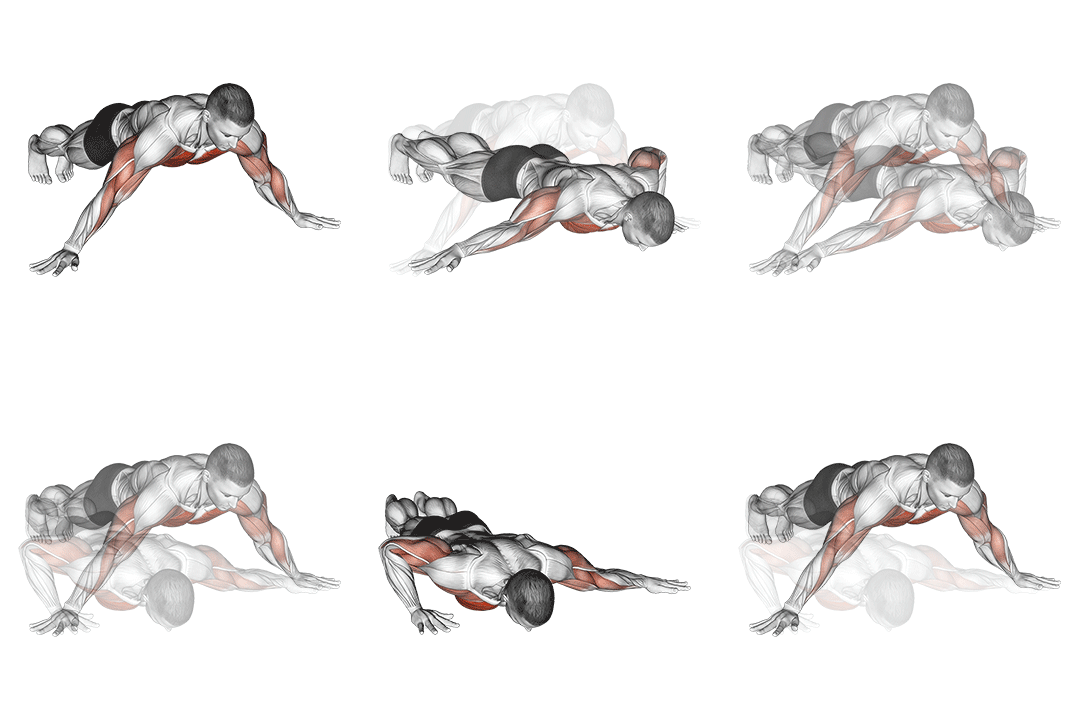
More comparisons with Chest And Front Of Shoulder Stretch
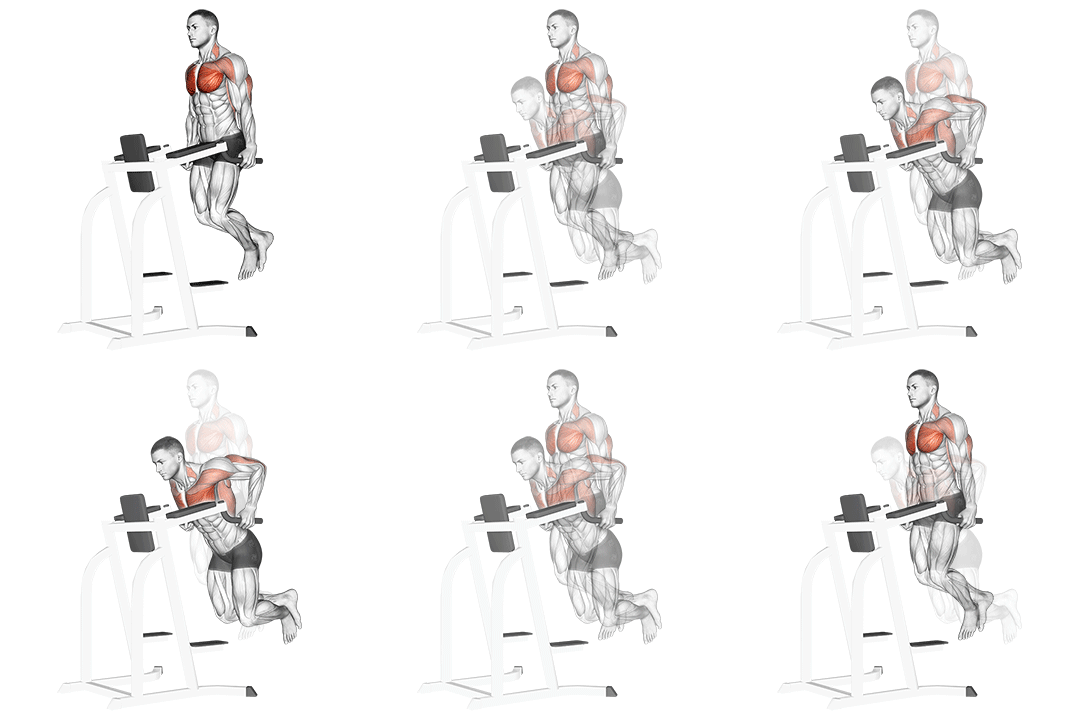
More comparisons with Chest Dip On Straight Bar
Compare More Exercises
Use our free comparison tool to analyze any two exercises head-to-head.
Compare Exercises