

Chest Dip On Straight Bar vs Clap Push Up: Complete Comparison Guide
Chest Dip On Straight Bar vs Clap Push Up — both hit your chest hard, but they do it very differently. If you want clear choices for muscle growth, strength, power, and home access, this guide lays it out for you. I'll compare mechanics, primary and secondary muscle activation, equipment needs, progression routes, rep ranges, and injury risk. You'll get specific technique cues, biomechanical reasoning (length-tension, force vectors, rate of force development), and practical programming advice so you can pick the move that matches your goals and environment.
Exercise Comparison
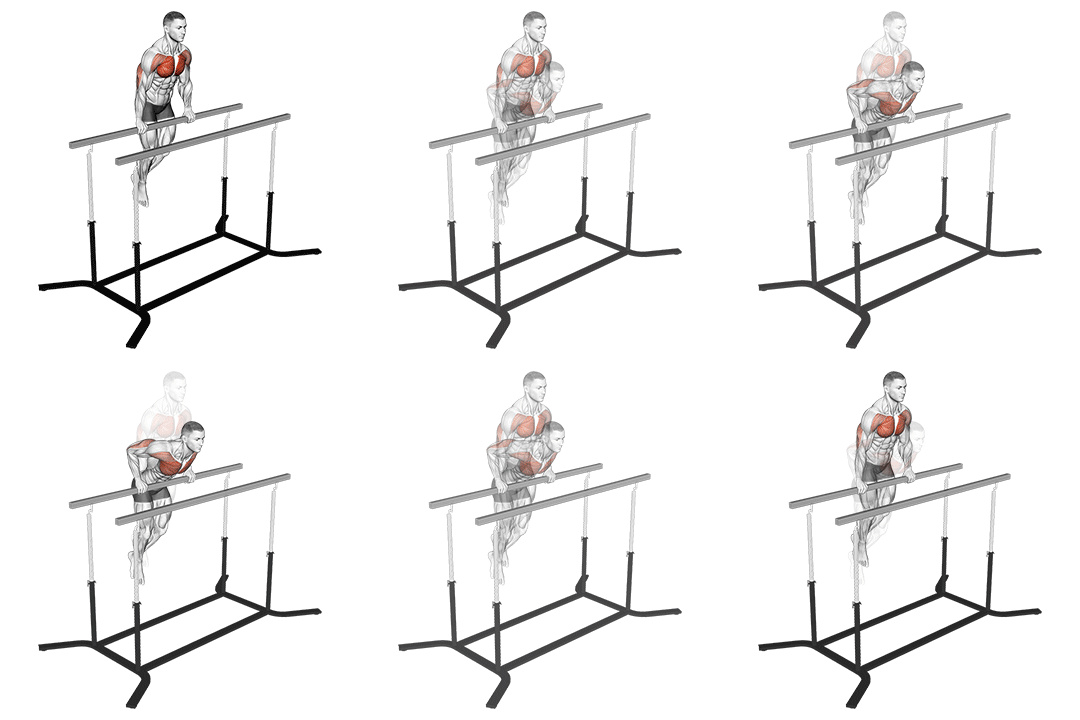
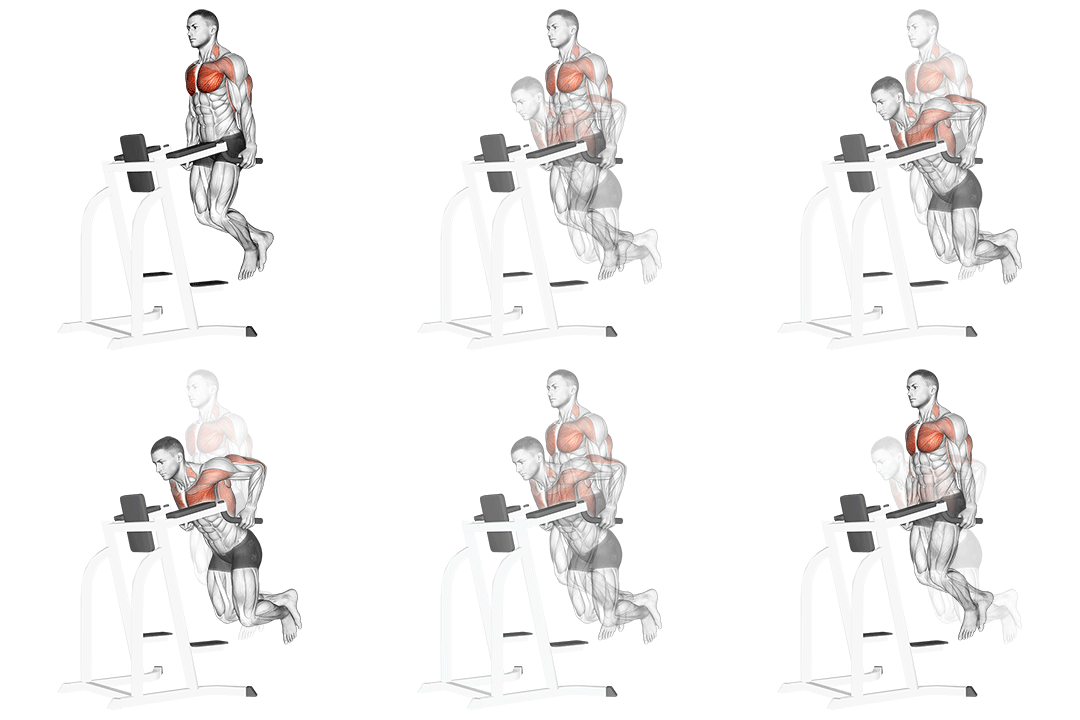
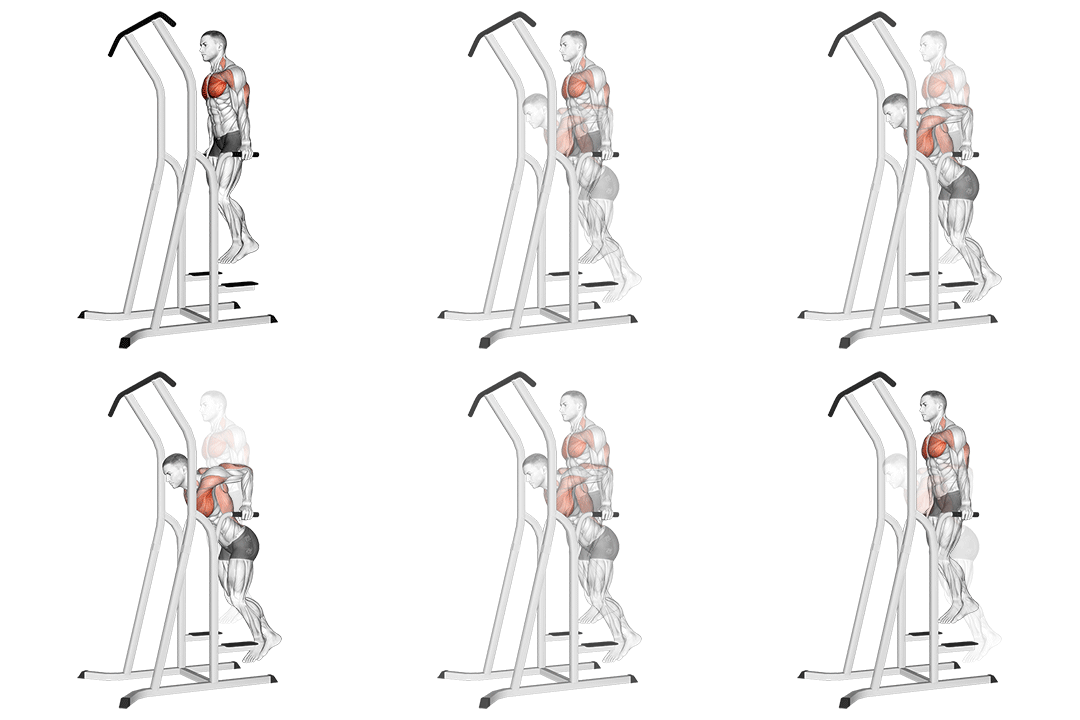
Chest Dip On Straight Bar
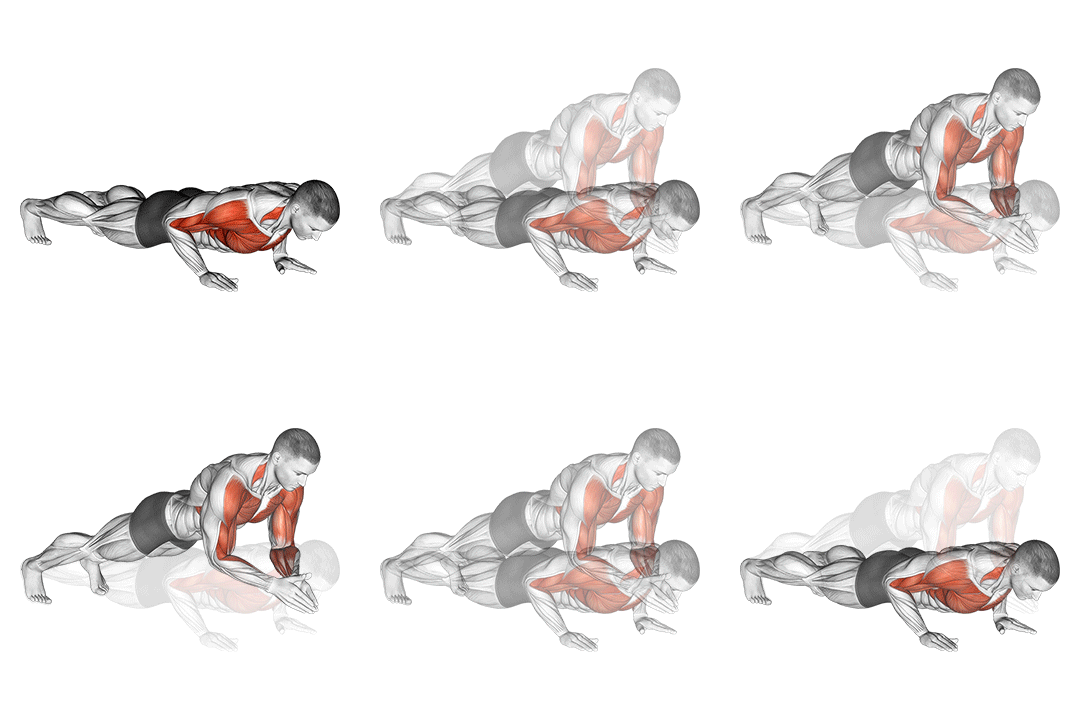
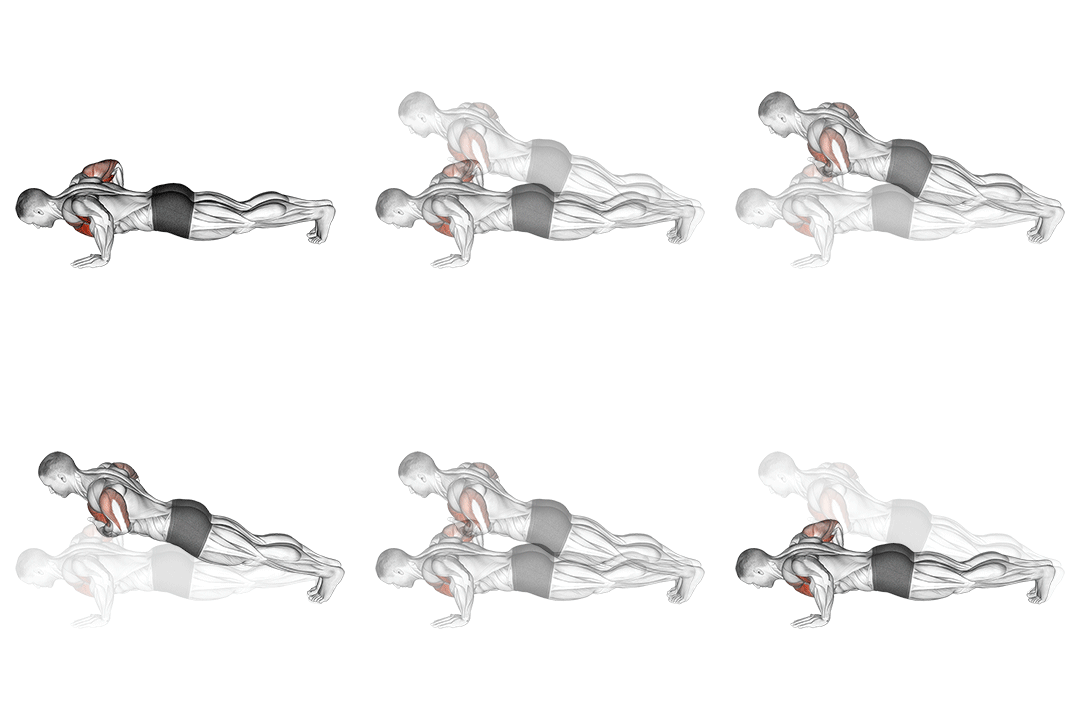
Clap Push Up
Head-to-Head Comparison
| Attribute | Chest Dip On Straight Bar | Clap Push Up |
|---|---|---|
| Target Muscle |
Pectorals
|
Pectorals
|
| Body Part |
Chest
|
Chest
|
| Equipment |
Body-weight
|
Body-weight
|
| Difficulty |
Intermediate
|
Advanced
|
| Movement Type |
Compound
|
Compound
|
| Secondary Muscles |
2
|
2
|
Secondary Muscles Activated
Chest Dip On Straight Bar
Clap Push Up
Visual Comparison
Overview
Chest Dip On Straight Bar vs Clap Push Up — both hit your chest hard, but they do it very differently. If you want clear choices for muscle growth, strength, power, and home access, this guide lays it out for you. I'll compare mechanics, primary and secondary muscle activation, equipment needs, progression routes, rep ranges, and injury risk. You'll get specific technique cues, biomechanical reasoning (length-tension, force vectors, rate of force development), and practical programming advice so you can pick the move that matches your goals and environment.
Key Differences
- Difficulty levels differ: Chest Dip On Straight Bar is intermediate, while Clap Push Up is advanced.
- Both exercises target the Pectorals using Body-weight. The main differences are in their movement patterns and muscle activation angles.
Pros & Cons
Chest Dip On Straight Bar
+ Pros
- Loads the pecs at a longer muscle length to enhance stretch-mediated hypertrophy
- Easily progressive with added weight (belt/vest) for steady strength gains
- Strong triceps and anterior delt stimulus for pressing strength transfer
- Multiple regressions (assisted dips, partial ROM) make it approachable
− Cons
- Requires a bar or station, limiting home use
- Deep range can stress the anterior shoulder and compromise form
- Less emphasis on explosive power and rate of force development
Clap Push Up
+ Pros
- No equipment needed—excellent for home and bodyweight-only training
- Develops high rate of force development and explosive chest power
- Improves neuromuscular coordination and fast-twitch recruitment
- Can be modified (elevated, deficit, clapping variations) to alter difficulty
− Cons
- High impact; increases wrist and shoulder stress on landing
- Limited ability to progressively add load for pure strength gains
- Requires substantial baseline strength and coordination to perform safely
When Each Exercise Wins
Dips allow sustained high tension and greater pec stretch during the bottom phase, which stimulates stretch-mediated hypertrophy. You can also progressively overload with weight, making 6–12 rep sets highly effective for muscle growth.
Because you can add external load systematically (weighted dips, slower tempo), dips provide a clearer pathway for increasing maximal pressing strength across the movement's range.
While both moves require baseline strength, dips are easier to regress (assisted band dips, machine dips) so you can build strength safely. Clap push-ups demand explosive power and timing that beginners usually lack.
Clap push-ups need only floor space and are simple to scale with hand position or elevation. They let you train chest power and speed without a dip station or gym equipment.
Frequently Asked Questions
Can I do both Chest Dip On Straight Bar and Clap Push Up in the same workout?
Yes. Structure dips earlier in the session if you want maximal strength or hypertrophy (e.g., 3–5 sets of 6–12 reps), then add clap push-ups later for power work (2–4 sets of 3–6 explosive reps). Monitor fatigue and keep plyometric volume low to protect the shoulders.
Which exercise is better for beginners?
Chest dips are generally better for beginners because you can regress them (assisted bands, reduced ROM) and build strength progressively. Clap push-ups require higher baseline strength, coordination, and landing stability, making them inappropriate as a first chest exercise.
How do the muscle activation patterns differ?
Dips emphasize a long eccentric stretch and sustained concentric tension—this engages the pecs and triceps over more time under tension. Clap push-ups shorten the eccentric-to-concentric transition and spike rate of force development, recruiting fast-twitch fibers for explosive concentric output.
Can Clap Push Up replace Chest Dip On Straight Bar?
Not completely. Clap push-ups can replace dips for power and limited hypertrophy at bodyweight, but they lack straightforward progressive overload for long-term strength gains. If your goal is significant muscle growth or max pressing strength, keep dips or a weighted pressing variation in your program.
Expert Verdict
Use Chest Dip On Straight Bar when your primary goal is hypertrophy or maximal strength—dips place the pecs under greater stretch and are easy to overload with added weight and tempo variations. Choose Clap Push Up when you want to develop explosive chest power, fast-twitch recruitment, or when you need a no-equipment option at home. For balanced programming, cycle both: build strength and range with weighted or assisted dips (6–12 reps), then add plyometric clap push-up sets (3–6 explosive reps) to convert force into speed. Prioritize shoulder health: limit dip depth if you lack mobility and keep plyo volume low to control impact.
Also Compare
More comparisons with Chest Dip On Straight Bar
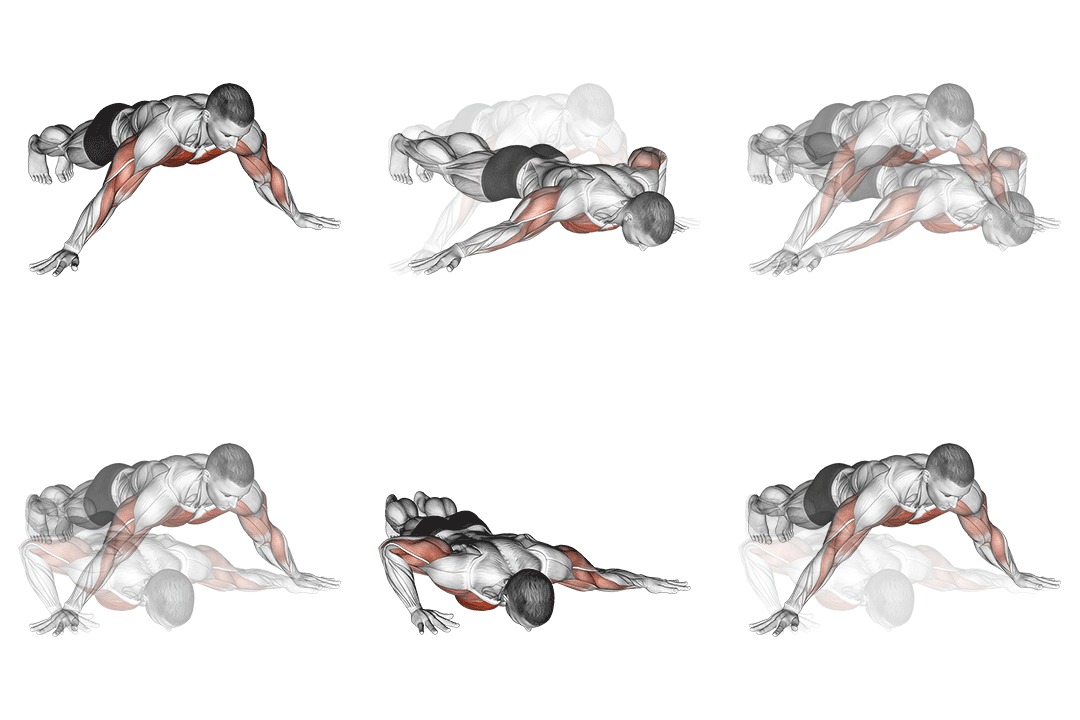
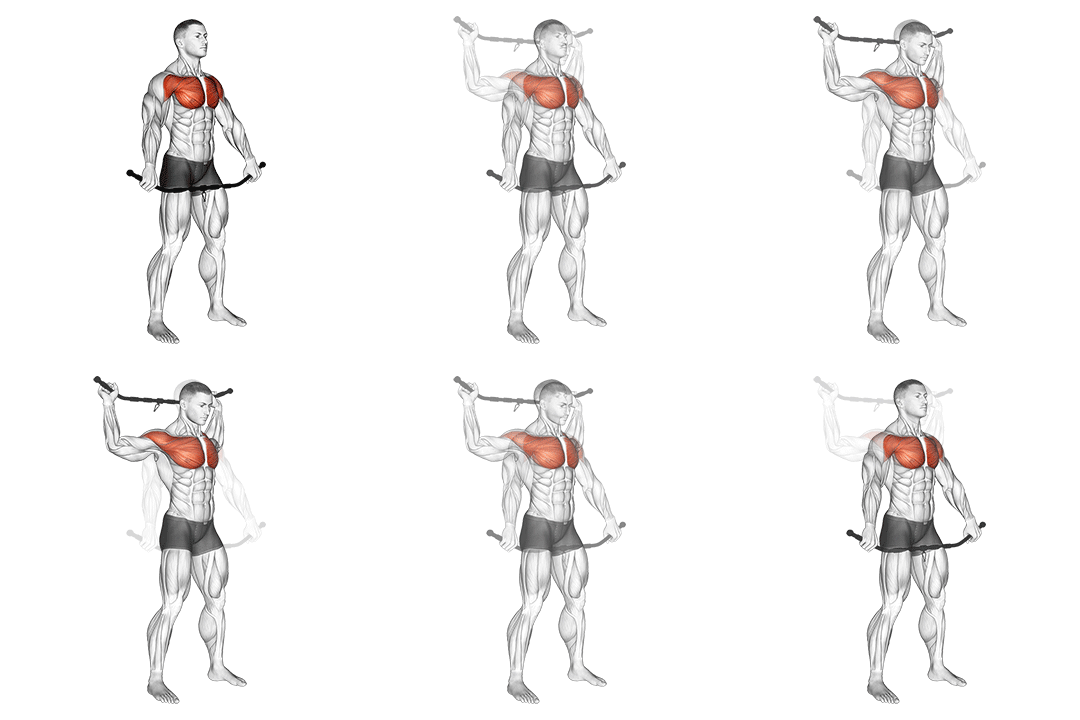
Compare More Exercises
Use our free comparison tool to analyze any two exercises head-to-head.
Compare Exercises