

Chest Dip vs Push-up: Complete Comparison Guide
Chest Dip vs Push-up — you probably use both or wonder which one deserves a spot in your program. I’ll walk you through the biomechanics, muscle activation, equipment needs, difficulty, and practical progressions so you can pick the right move for your goals. You’ll get clear technique cues (hand width, elbow angle, torso lean), recommended rep ranges for hypertrophy and strength, and injury-risk considerations. By the end you’ll know when to prioritize weighted dips, when a push-up variation gives better transfer, and how to sequence them in the same workout.
Exercise Comparison
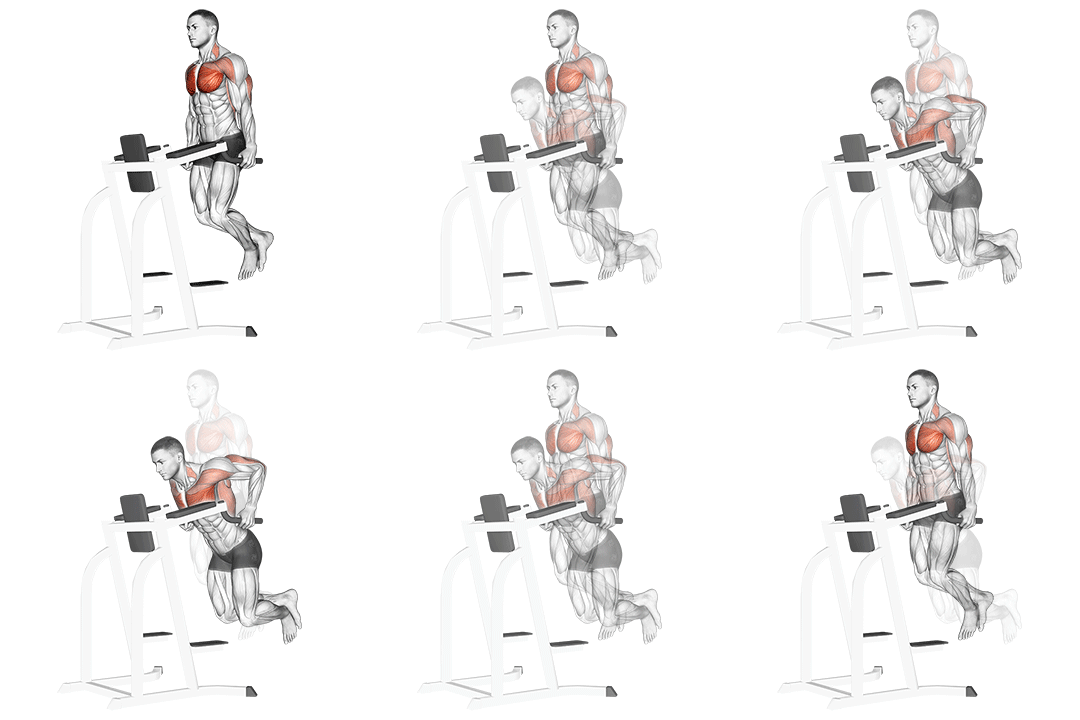
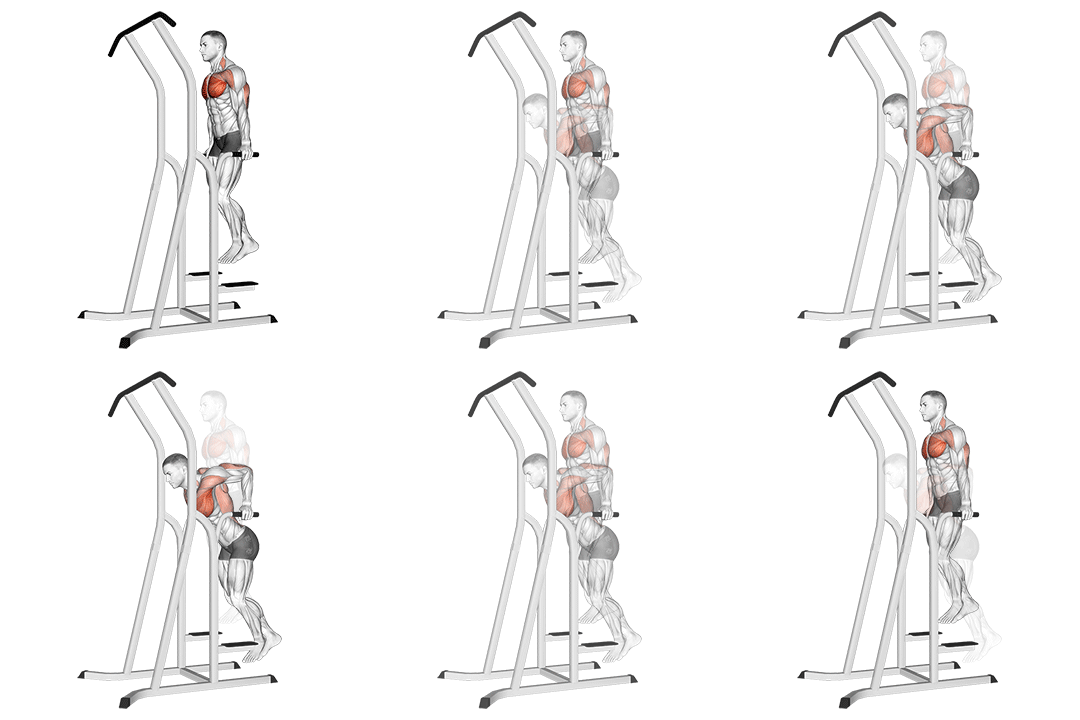
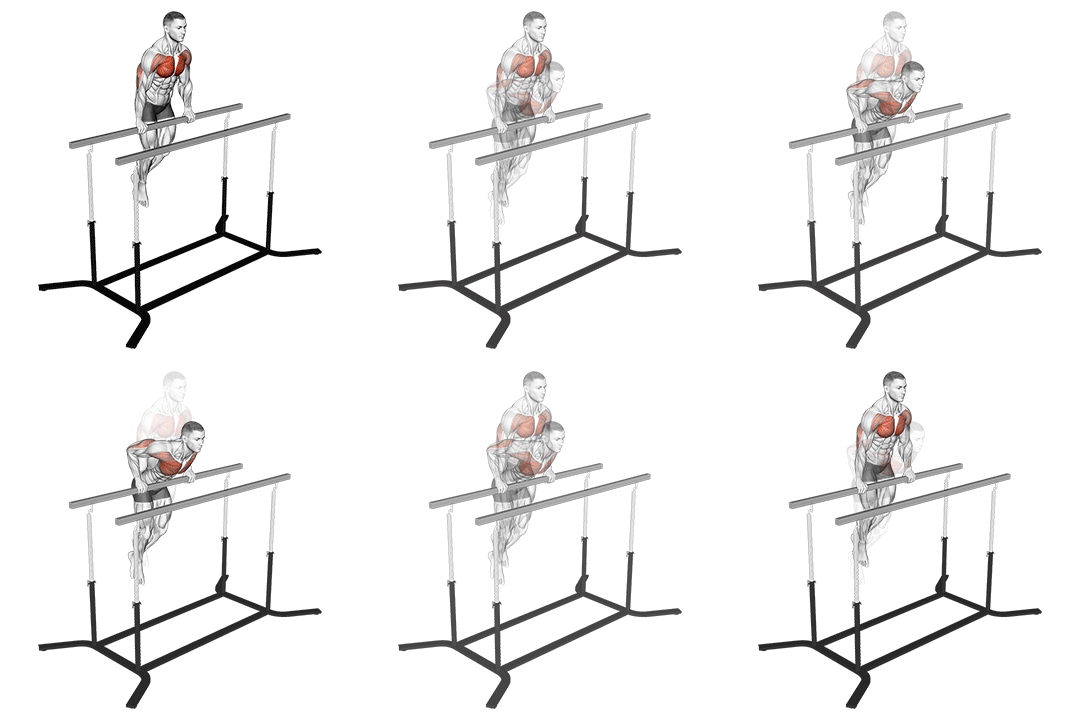
Chest Dip
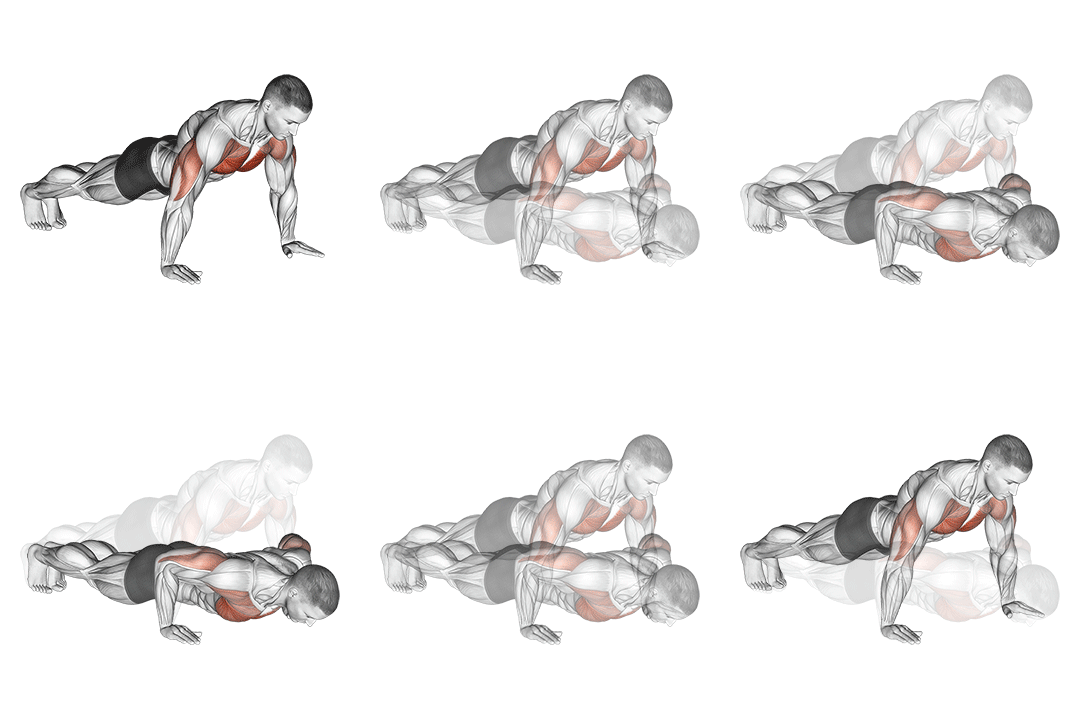
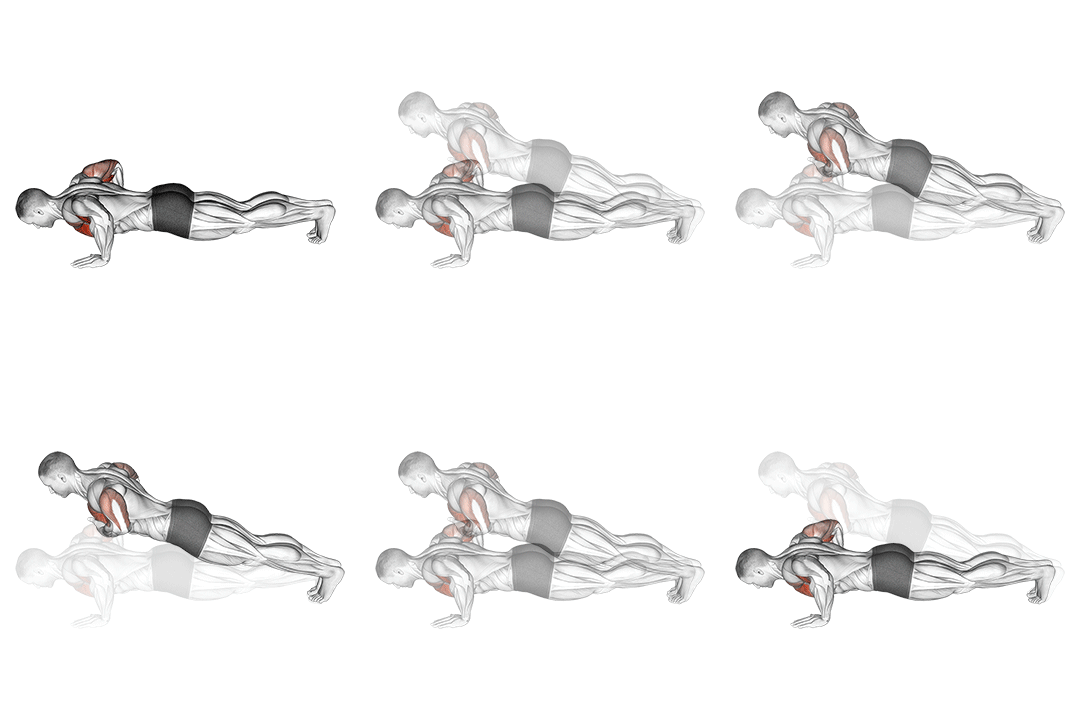
Push-up
Head-to-Head Comparison
| Attribute | Chest Dip | Push-up |
|---|---|---|
| Target Muscle |
Pectorals
|
Pectorals
|
| Body Part |
Chest
|
Chest
|
| Equipment |
Body-weight
|
Body-weight
|
| Difficulty |
Advanced
|
Intermediate
|
| Movement Type |
Compound
|
Compound
|
| Secondary Muscles |
2
|
3
|
Secondary Muscles Activated
Chest Dip
Push-up
Visual Comparison
Overview
Chest Dip vs Push-up — you probably use both or wonder which one deserves a spot in your program. I’ll walk you through the biomechanics, muscle activation, equipment needs, difficulty, and practical progressions so you can pick the right move for your goals. You’ll get clear technique cues (hand width, elbow angle, torso lean), recommended rep ranges for hypertrophy and strength, and injury-risk considerations. By the end you’ll know when to prioritize weighted dips, when a push-up variation gives better transfer, and how to sequence them in the same workout.
Key Differences
- Difficulty levels differ: Chest Dip is advanced, while Push-up is intermediate.
- Both exercises target the Pectorals using Body-weight. The main differences are in their movement patterns and muscle activation angles.
Pros & Cons
Chest Dip
+ Pros
- High overload potential with added weight for strength (easy to add 5–25+ kg)
- Greater pec stretch and lower-pec emphasis for targeted hypertrophy
- Strong triceps and anterior deltoid recruitment for upper-body pressing
- Efficient compound lift that transfers to bench and ring skills
− Cons
- Higher shoulder stress risk when performed deep or with poor control
- Requires dip bars, rings, or dedicated equipment
- Advanced technique—harder to regress safely for beginners
Push-up
+ Pros
- Zero-equipment and infinitely scalable with regressions and progressions
- Lower shoulder joint stress when performed with proper elbow tuck (30–45°)
- Develops core stability and scapular control alongside chest work
- Safe for high-volume training and circuit-style sessions
− Cons
- Harder to overload incrementally without gear (limited absolute load)
- Less lower-pec stretch compared to deep dips unless performed with deficit
- Form breakdown (sagging hips, flared elbows) reduces effectiveness
When Each Exercise Wins
Chest dips allow greater mechanical tension and stretch in the lower pecs and are easier to progressively overload with extra weight, making them superior for targeted hypertrophy in 6–12 rep ranges.
Because you can add significant external load, dips let you train heavy sets (3–6 reps) to increase maximal pressing strength more efficiently than bodyweight-only push-ups.
Push-ups offer scalable regressions (knees, incline) and teach scapular control and core bracing with a lower injury profile, so you can build base strength and technique safely.
No equipment required and many variations let you target the chest, triceps, and core effectively at home; use elevated feet or weighted vests if you need more load.
Frequently Asked Questions
Can I do both Chest Dip and Push-up in the same workout?
Yes — pair dips and push-ups by placing dips early for heavy overload (3–6 or 6–10 reps) then finish with push-ups for volume (8–20 reps) or tempo work. This sequence uses dips for maximal tension and push-ups to increase time under tension and improve scapular endurance.
Which exercise is better for beginners?
Push-ups are better for beginners because they offer simple regressions (knees, incline) and teach core and scapular control. Start with 3–4 sets of 8–15 quality reps before progressing to full or weighted dips.
How do the muscle activation patterns differ?
Dips load the pecs under greater shoulder extension and stretch, increasing length-tension stimulus in the lower chest and triceps during the bottom phase. Push-ups keep the shoulder more in horizontal adduction with higher core and serratus demand for scapular stability.
Can Push-up replace Chest Dip?
Push-ups can substitute when you lack equipment or have shoulder limitations, but they won’t match the same overload potential for maximal strength or the lower-pec stretch of weighted dips. Use push-ups for volume and dips for heavy progressive loading.
Expert Verdict
Use chest dips when your goal is maximal overload and a strong lower-pec emphasis — they’re the go-to for added-weight strength work and targeted hypertrophy if your shoulders tolerate the range. Choose push-ups when you need accessibility, safer shoulder mechanics, and core integration; they’re ideal for beginners, high-volume conditioning, and home training. Program them together: start with weighted dips for strength (3–6 reps) or heavy sets (6–10) and finish with push-up variations for volume (8–20 reps) to exploit both heavy tension and metabolic stimulus. Always prioritize depth, scapular control, and a neutral spine.
Also Compare
More comparisons with Chest Dip
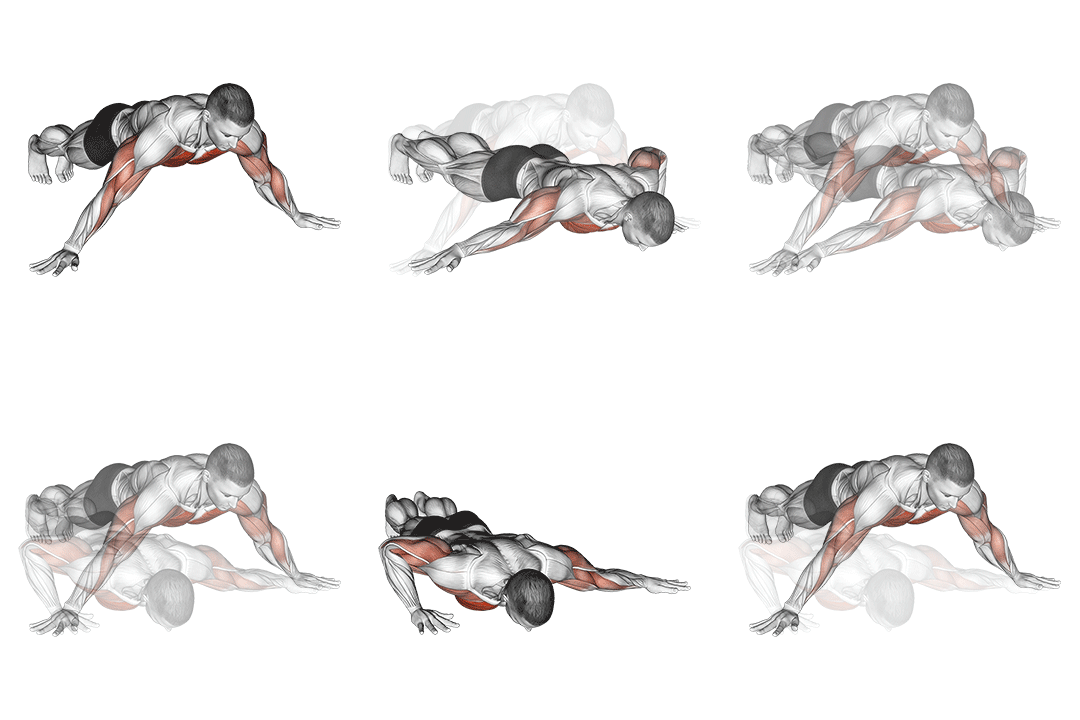
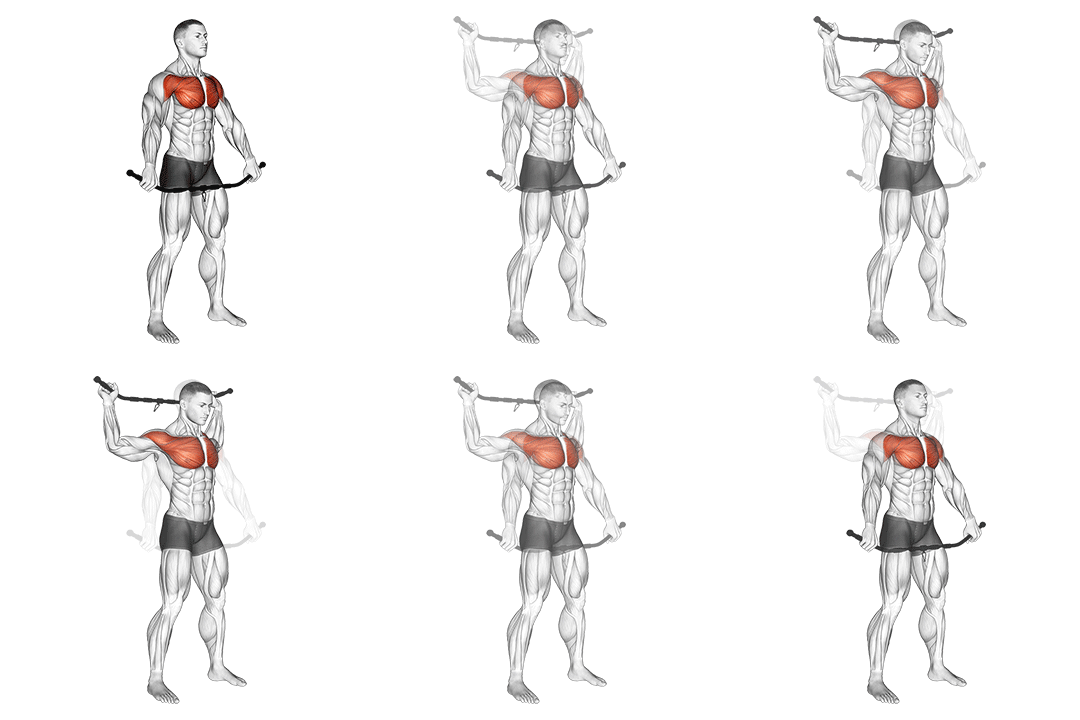
Compare More Exercises
Use our free comparison tool to analyze any two exercises head-to-head.
Compare Exercises