

Close-grip Push-up (on Knees) vs Dips - Triceps Version: Complete Comparison Guide
Close-grip Push-up (on Knees) vs Dips - Triceps Version is a practical head-to-head if your goal is bigger, stronger triceps. You’ll see how each exercise loads the elbow extensors, which movement gives a longer range of motion, and which fits home training or gym progressions. I’ll cover biomechanics, rep ranges, hands-on technique cues, injury risk, and clear recommendations so you can pick the right move for hypertrophy, strength, or easy progressions. Read on to learn which exercise you should use this week and how to perform it correctly.
Exercise Comparison
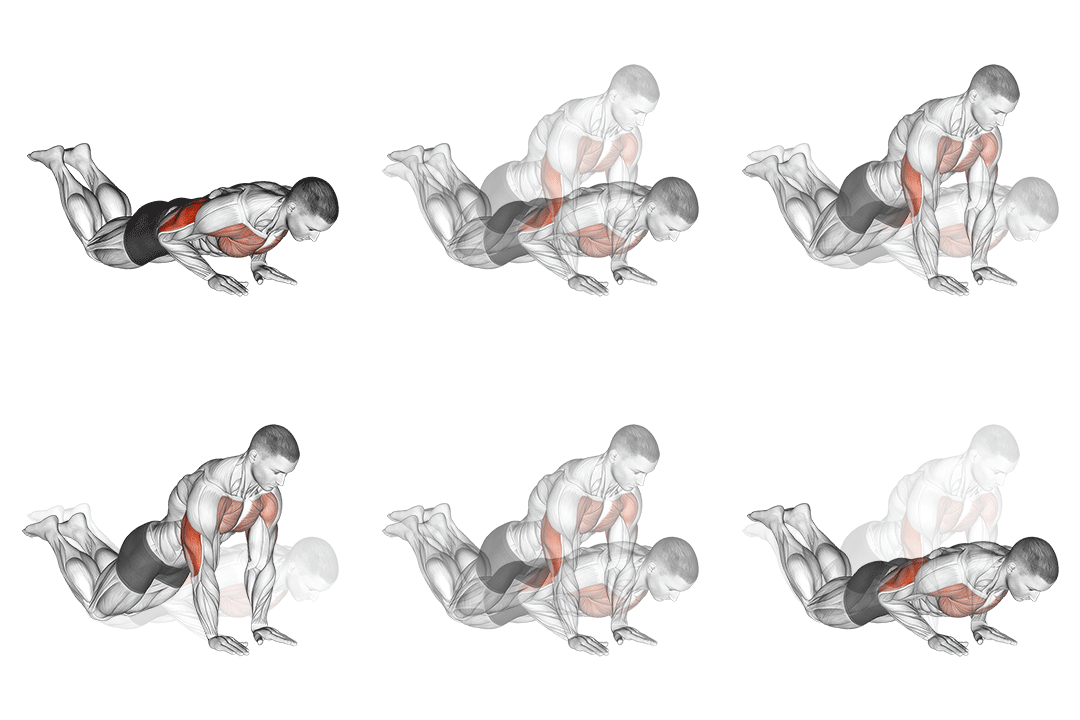
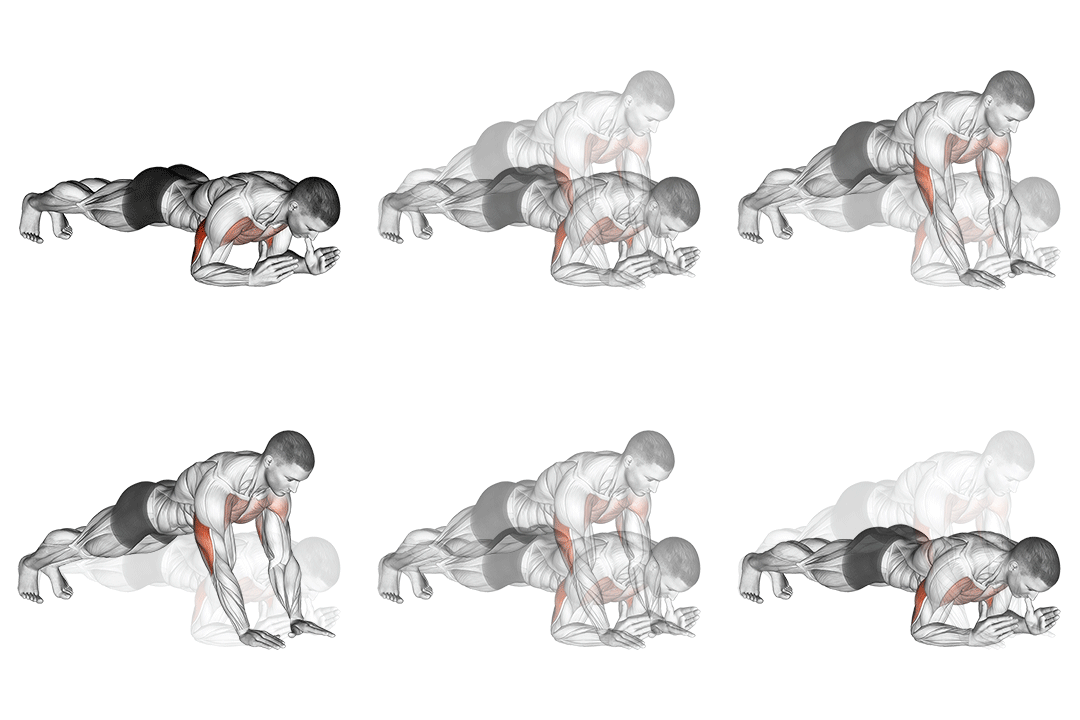
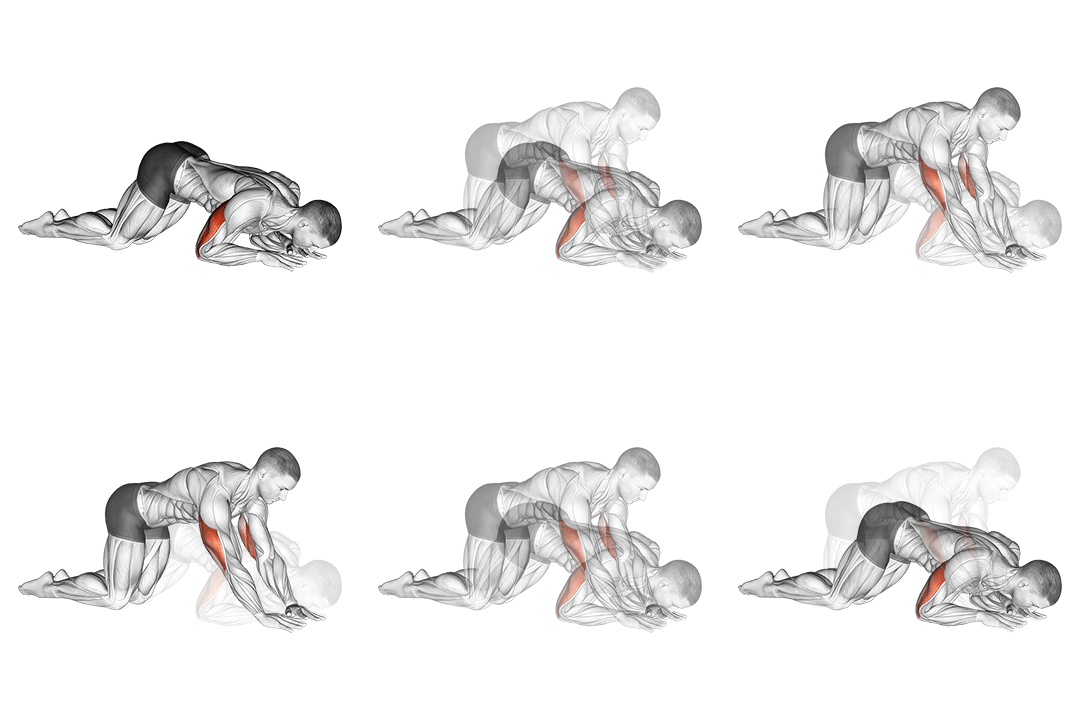
Close-grip Push-up (on Knees)
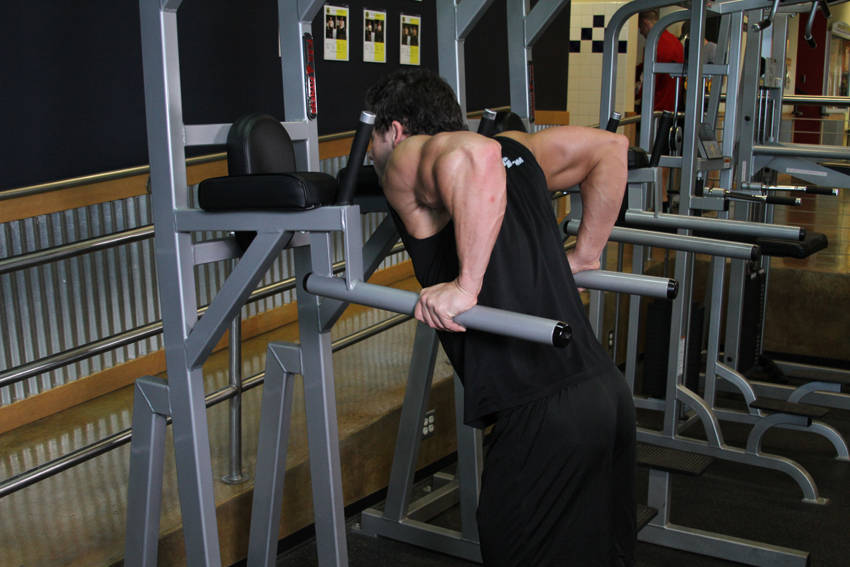
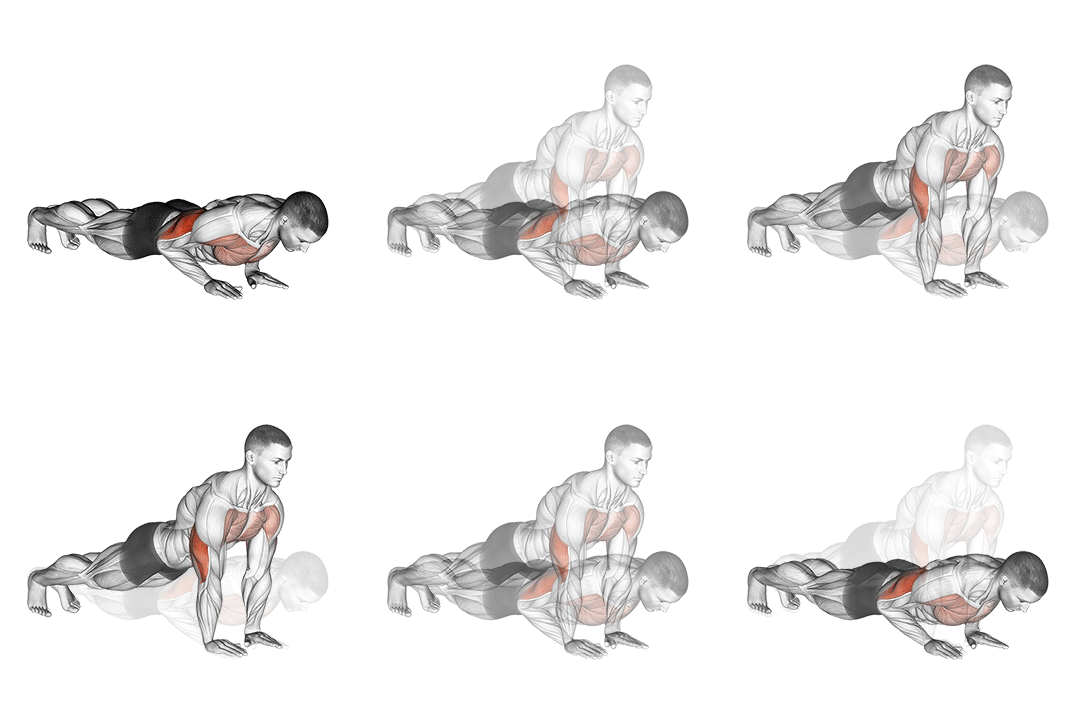
Dips - Triceps Version
Head-to-Head Comparison
| Attribute | Close-grip Push-up (on Knees) | Dips - Triceps Version |
|---|---|---|
| Target Muscle |
Triceps
|
Triceps
|
| Body Part |
Upper-arms
|
Upper-arms
|
| Equipment |
Body-weight
|
Body-weight
|
| Difficulty |
Beginner
|
Intermediate
|
| Movement Type |
Compound
|
Compound
|
| Secondary Muscles |
2
|
2
|
Secondary Muscles Activated
Close-grip Push-up (on Knees)
Dips - Triceps Version
Visual Comparison
Overview
Close-grip Push-up (on Knees) vs Dips - Triceps Version is a practical head-to-head if your goal is bigger, stronger triceps. You’ll see how each exercise loads the elbow extensors, which movement gives a longer range of motion, and which fits home training or gym progressions. I’ll cover biomechanics, rep ranges, hands-on technique cues, injury risk, and clear recommendations so you can pick the right move for hypertrophy, strength, or easy progressions. Read on to learn which exercise you should use this week and how to perform it correctly.
Key Differences
- Difficulty levels differ: Close-grip Push-up (on Knees) is beginner, while Dips - Triceps Version is intermediate.
- Both exercises target the Triceps using Body-weight. The main differences are in their movement patterns and muscle activation angles.
Pros & Cons
Close-grip Push-up (on Knees)
+ Pros
- Requires no equipment — great for home and travel
- Lower shoulder stress due to limited ROM and ground support
- Easy to learn and scale with rep ranges (8–20+ reps)
- Good for building endurance and solid pressing mechanics
− Cons
- Limited absolute overload — harder to drive maximal strength
- Lower peak triceps activation compared with weighted dips
- Can plateau without progressive overload variations
Dips - Triceps Version
+ Pros
- Higher absolute load potential — ideal for strength and hypertrophy
- Longer range of motion increases mechanical tension on triceps
- Easily progressed with added weight or tempo work
- Strong carryover to vertical pressing and ring dips
− Cons
- Requires equipment and safe setup (dip bars or rings)
- Higher shoulder stress; greater injury risk for poor mobility
- Harder for true beginners to execute with correct form
When Each Exercise Wins
Dips allow greater mechanical tension through a larger ROM and higher absolute loading, which increases time-under-tension and muscle fiber recruitment. Use 6–12 controlled reps with full ROM and occasional added weight for best hypertrophy stimulus.
You can progressively overload dips with external weight and low-rep sets (3–6 reps), producing higher peak torque across elbow extension. That makes dips the superior choice for increasing triceps strength if you have the equipment and shoulder health.
Knee close-grip push-ups reduce load and allow you to learn elbow tuck, scapular control, and breathing patterns safely. Start with 3–4 sets of 8–15 reps and progress toward full close-grip push-ups before loading dips.
No equipment and minimal space make knee close-grip push-ups the obvious home choice; they let you maintain frequency and volume (12–20+ reps) without buying a dip station. You can mix tempo and unilateral variations to keep progressing.
Frequently Asked Questions
Can I do both Close-grip Push-up (on Knees) and Dips - Triceps Version in the same workout?
Yes. Pair them intelligently: use close-grip knee push-ups as a warm-up or volume finisher and dips as the main strength stimulus. For example, do 3 sets of weighted dips (3–6 reps) then 2–3 sets of close-grip knee push-ups for 12–15 reps to increase total work without overloading the shoulders.
Which exercise is better for beginners?
Close-grip Push-up (on Knees) is better for most beginners because it lowers load, simplifies balance, and teaches elbow and scapular control. Master this pattern before progressing to full push-ups and eventually dips to reduce injury risk.
How do the muscle activation patterns differ?
Dips produce higher peak triceps activation near the deep portion of the dip as the elbow travels through larger angles under heavy load, increasing torque and EMG. Knee close-grip push-ups hit triceps most in mid-range with lower absolute tension, shifting more relative work to chest and anterior deltoid due to body position and ground reaction forces.
Can Dips - Triceps Version replace Close-grip Push-up (on Knees)?
Yes, if you have the strength, shoulder health, and equipment — dips can replace knee push-ups for higher intensity work. If you lack a dip station, are rehabbing, or need higher training frequency, keep close-grip knee push-ups in your plan instead.
Expert Verdict
Choose dips when you want maximum overload and a direct path to triceps hypertrophy or strength and you have safe equipment and good shoulder mobility. Program dips for 3–5 sets of 6–12 reps (hypertrophy) or 3–5 sets of 3–6 reps with added weight (strength), focusing on an upright torso and elbows tucked for triceps emphasis. Choose close-grip push-ups on knees when you need an accessible, low-risk option to build pressing mechanics, volume, and muscular endurance — 3–4 sets of 8–20 reps work well. Use push-ups to prepare for dips or as a high-frequency maintenance tool; use dips for heavier loading once your shoulders and technique are ready.
Also Compare
More comparisons with Close-grip Push-up (on Knees)
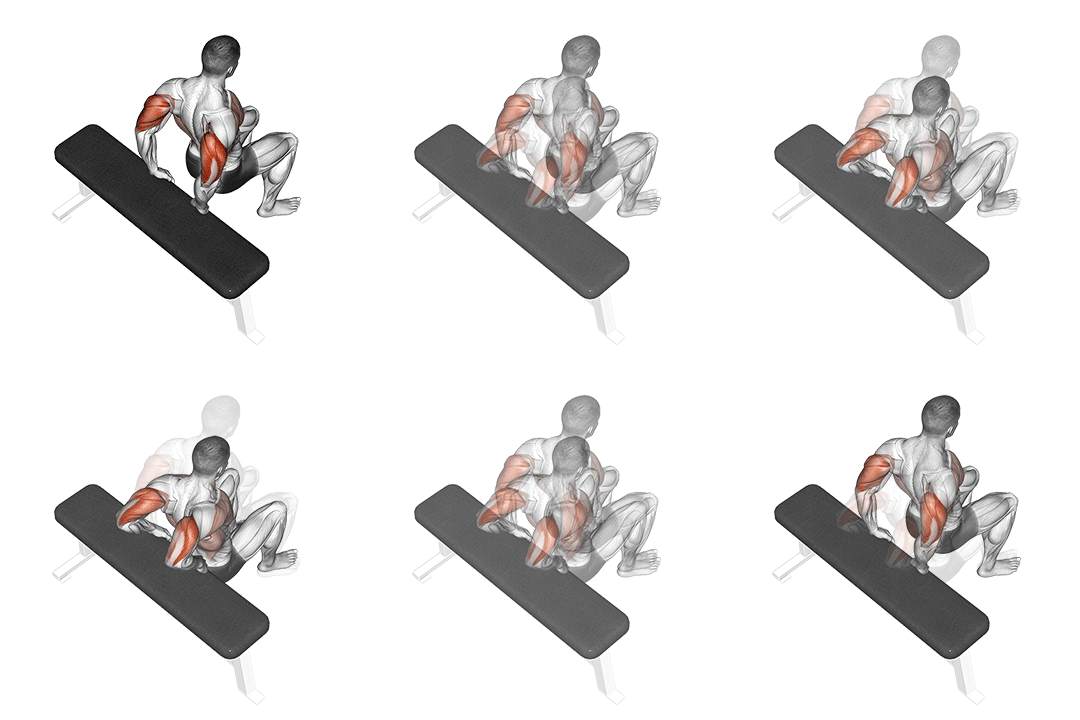
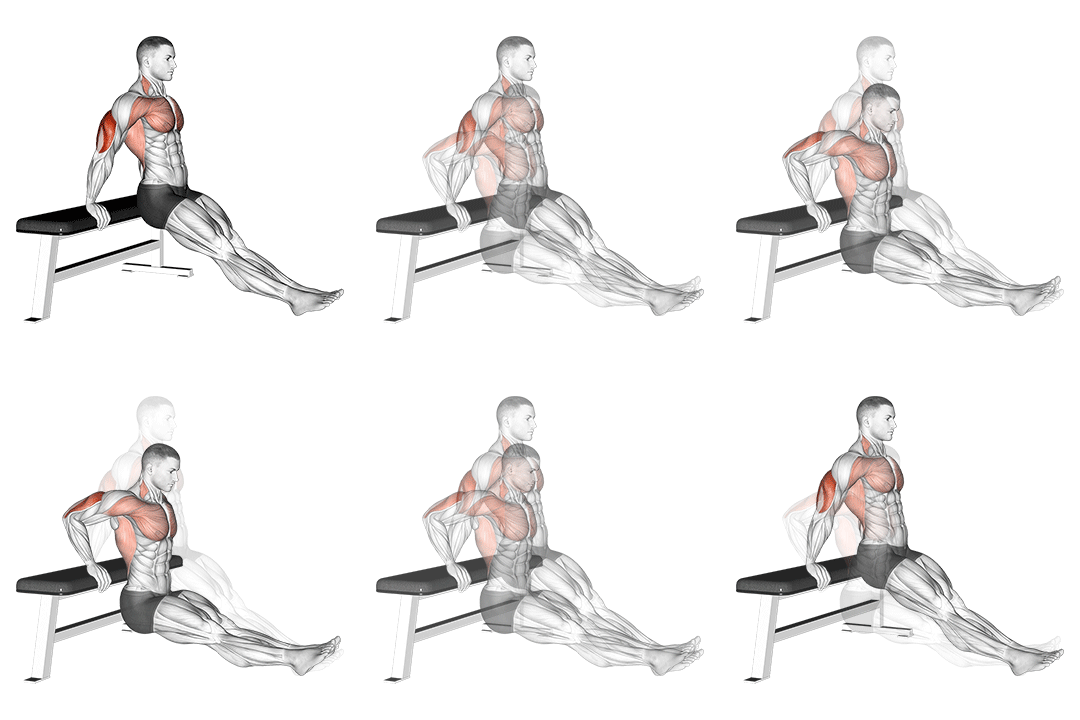
More comparisons with Dips - Triceps Version
Compare More Exercises
Use our free comparison tool to analyze any two exercises head-to-head.
Compare Exercises