

Dips - Chest Version vs Drop Push: Complete Comparison Guide
Dips - Chest Version vs Drop Push — two chest-focused compound moves that look similar on paper but load your pecs differently. You’ll get clear comparisons of muscle activation, force vectors, equipment needs, learning curve, and programming (rep ranges and progression). I’ll show which movement gives more lower-pec stretch, which one fits home workouts, how to cue each lift for safer mechanics, and concrete rep ranges (6–12 for strength, 8–15 for hypertrophy) so you can pick the right move for your goals.
Exercise Comparison
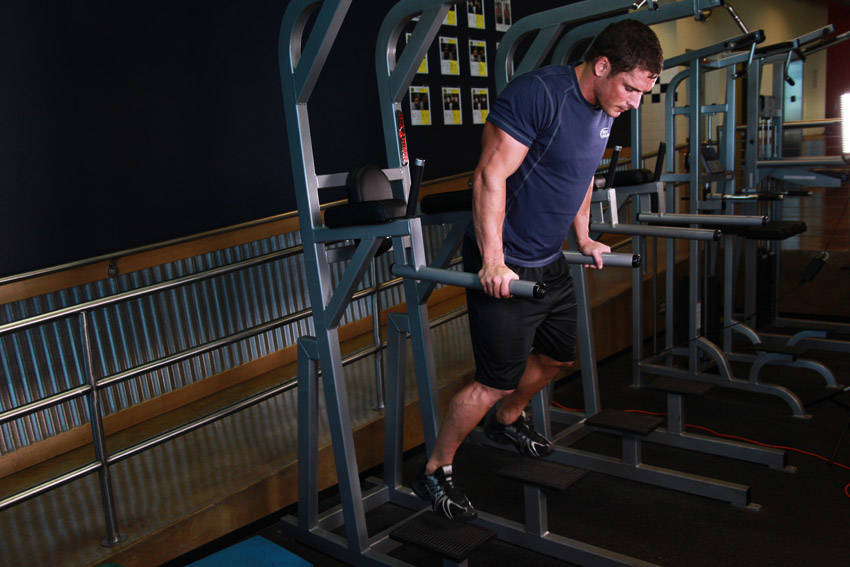
Dips - Chest Version
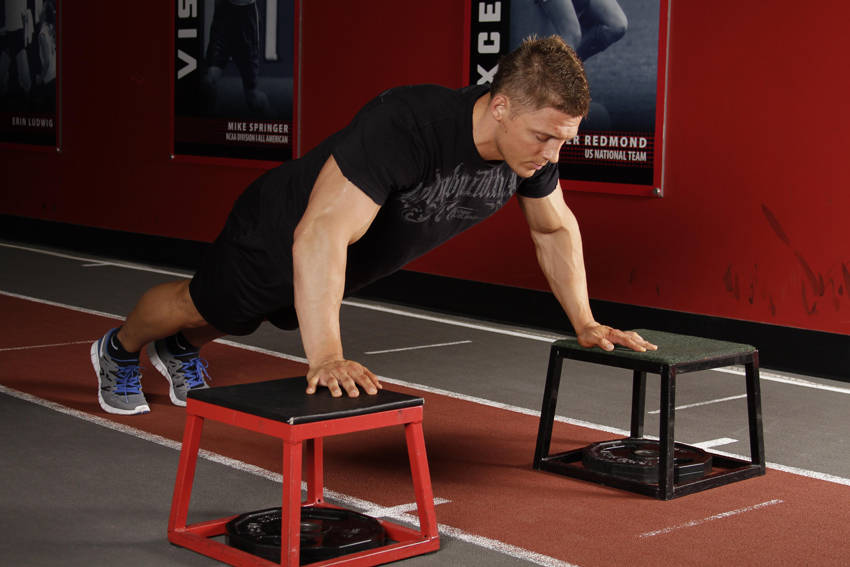
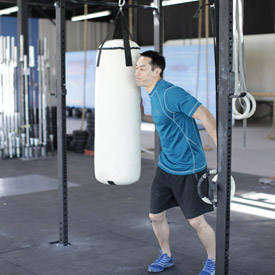
Drop Push
Head-to-Head Comparison
| Attribute | Dips - Chest Version | Drop Push |
|---|---|---|
| Target Muscle |
Pectorals
|
Pectorals
|
| Body Part |
Chest
|
Chest
|
| Equipment |
Other
|
Other
|
| Difficulty |
Intermediate
|
Intermediate
|
| Movement Type |
Compound
|
Compound
|
| Secondary Muscles |
2
|
2
|
Secondary Muscles Activated
Dips - Chest Version
Drop Push
Visual Comparison
Overview
Dips - Chest Version vs Drop Push — two chest-focused compound moves that look similar on paper but load your pecs differently. You’ll get clear comparisons of muscle activation, force vectors, equipment needs, learning curve, and programming (rep ranges and progression). I’ll show which movement gives more lower-pec stretch, which one fits home workouts, how to cue each lift for safer mechanics, and concrete rep ranges (6–12 for strength, 8–15 for hypertrophy) so you can pick the right move for your goals.
Key Differences
- Both exercises target the Pectorals using Other. The main differences are in their movement patterns and muscle activation angles.
Pros & Cons
Dips - Chest Version
+ Pros
- High overload potential — easily loaded with a weight belt for heavy sets
- Greater lower-pec emphasis with a 20–30° forward lean
- Longer stretch at bottom increases stretch-mediated hypertrophy stimulus
- Strong transfer to pressing strength due to vertical load and triceps demand
− Cons
- Requires dip bars or rings (less accessible)
- Higher shoulder stress in deep ranges if mobility is limited
- Harder to scale for true beginners without regressions
Drop Push
+ Pros
- Very accessible — needs bench, box, or floor and minimal gear
- Easier to learn and scale across rep ranges (8–20+)
- Better control of time under tension for hypertrophy-oriented sets
- Lower shoulder compression and easier on rotator cuff when performed correctly
− Cons
- Harder to load maximally compared with weighted dips
- May under-recruit lower-pec fibers without specific hand/angle adjustments
- Progression ceiling is more dependent on tempo and volume than absolute weight
When Each Exercise Wins
Dips let you apply heavier external load and provide a pronounced bottom stretch that increases sarcomere tension and stretch-mediated hypertrophy. Use 6–12 heavy reps or controlled 8–15 with a slow eccentric to maximize stimulus.
Weighted dips allow progressive overload with straight-line addition of weight and transfer to pressing strength. Train in lower rep ranges (3–6) with longer rest for maximal strength adaptation.
Drop Push preserves a horizontal push pattern that’s easier to scale and teaches tempo and scapular control. Start at 8–15 reps, focus on scapular stability, then progress range or add resistance.
Drop Push variants require minimal equipment and give clear scaling options (elevate feet, use bands, slow eccentrics), making them the practical choice for at-home chest training.
Frequently Asked Questions
Can I do both Dips - Chest Version and Drop Push in the same workout?
Yes. Pair them by putting the heavy, lower-rep exercise first (weighted dips for 3–6 or 6–8 reps), then use Drop Push as a volume or finisher for 8–15 reps or slow eccentrics to increase time under tension without overloading the shoulders.
Which exercise is better for beginners?
Drop Push is better for beginners because it’s easier to scale and teaches horizontal push mechanics and scapular control. Start with bodyweight Drop Push variations, nail form, then progress toward dips once you have stable shoulder mobility.
How do the muscle activation patterns differ?
Dips produce peak pec tension at the bottom due to greater stretch and vertical shear, increasing lower-pec and triceps firing. Drop Push produces more mid-range tension with emphasis on horizontal adduction and serratus control, so peak activation shifts earlier in the concentric phase.
Can Drop Push replace Dips - Chest Version?
Drop Push can replace dips for many programs, especially if you lack equipment or have shoulder issues, but it won’t match the maximal overload potential of weighted dips. For long-term strength blocks, prioritize dips; for accessibility or high-volume phases, use Drop Push.
Expert Verdict
Use Dips - Chest Version when your priority is heavy mechanical tension and lower-pec development: add weight, lean 20–30° forward, and train in 3–12 rep ranges depending on strength or hypertrophy focus. Choose Drop Push when you need accessibility, safer shoulder mechanics, or volume-based hypertrophy with tempo control; it’s easier to progress at home and to manage time under tension. Both have clear roles—program dips for overload and strength blocks, and slot Drop Push into high-volume or deload phases to protect shoulders and maintain chest stimulus.
Also Compare
More comparisons with Dips - Chest Version

Compare More Exercises
Use our free comparison tool to analyze any two exercises head-to-head.
Compare Exercises