

Dips - Chest Version vs Forward Drag With Press: Complete Comparison Guide
Dips - Chest Version vs Forward Drag With Press is the matchup if you want to prioritize chest development while choosing between a strict upper‑body mover and a full‑body press. You’ll get clear cues, biomechanics, and rep ranges so you can pick the right tool for hypertrophy, strength, or conditioning. I’ll compare primary and secondary muscle activation, equipment needs, progression paths, injury risks, and give specific technique tips (angles, torso lean, elbow position) so you can apply whichever exercise fits your program.
Exercise Comparison
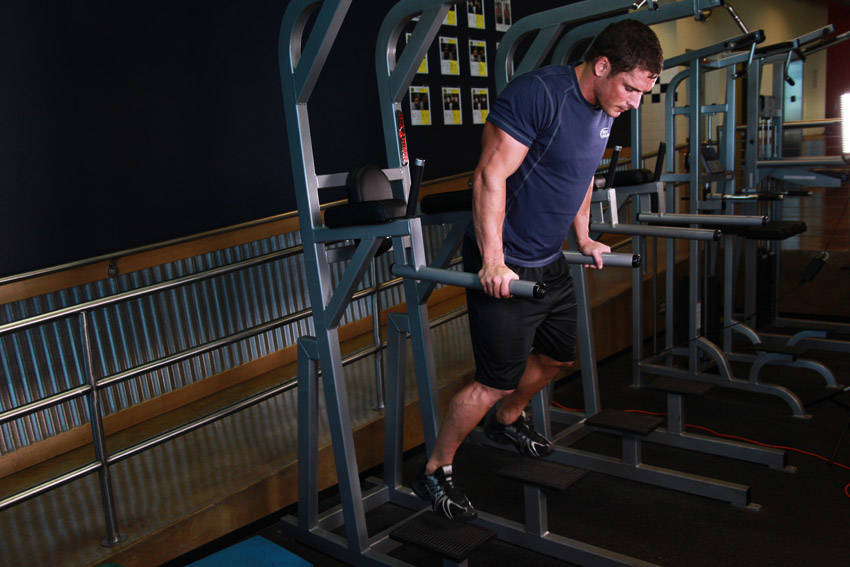
Dips - Chest Version
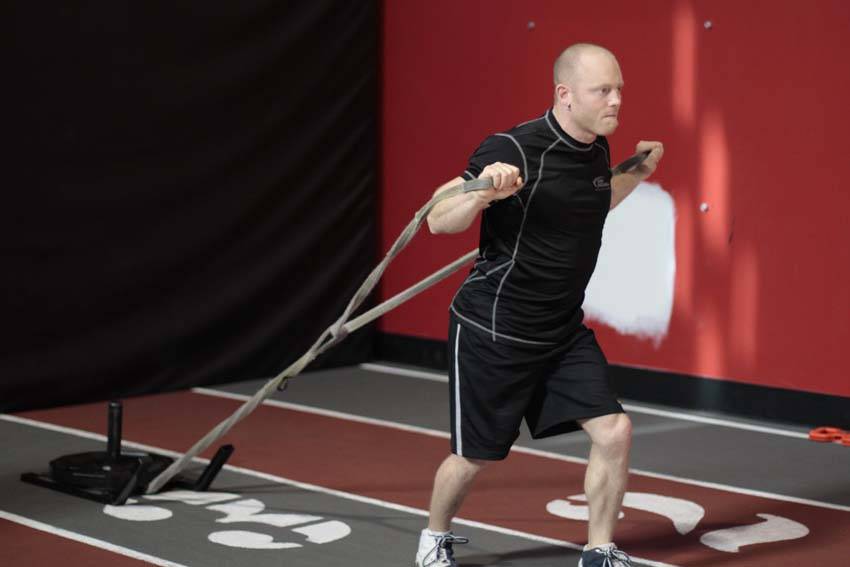
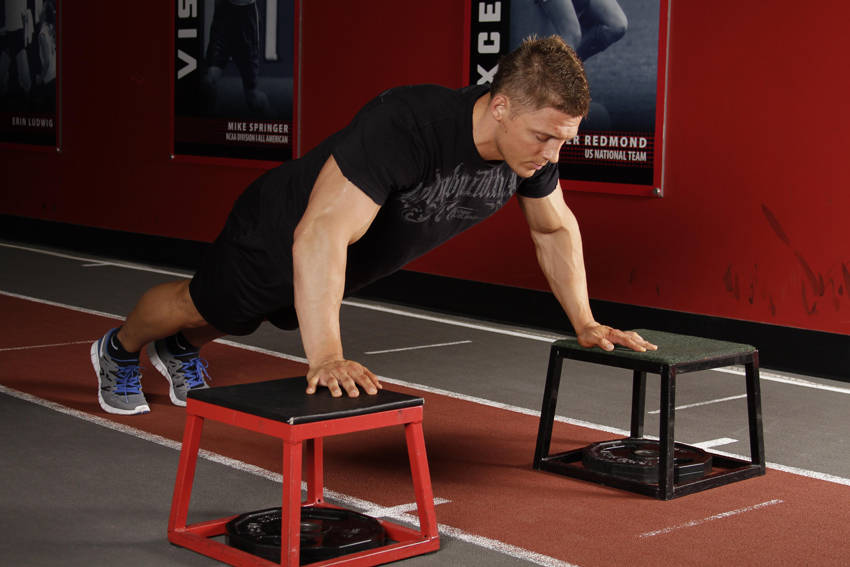
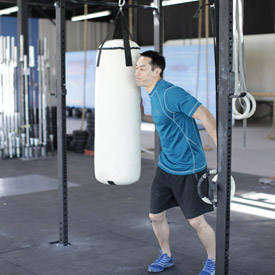
Forward Drag With Press
Head-to-Head Comparison
| Attribute | Dips - Chest Version | Forward Drag With Press |
|---|---|---|
| Target Muscle |
Pectorals
|
Pectorals
|
| Body Part |
Chest
|
Chest
|
| Equipment |
Other
|
Other
|
| Difficulty |
Intermediate
|
Intermediate
|
| Movement Type |
Compound
|
Compound
|
| Secondary Muscles |
2
|
6
|
Secondary Muscles Activated
Dips - Chest Version
Forward Drag With Press
Visual Comparison
Overview
Dips - Chest Version vs Forward Drag With Press is the matchup if you want to prioritize chest development while choosing between a strict upper‑body mover and a full‑body press. You’ll get clear cues, biomechanics, and rep ranges so you can pick the right tool for hypertrophy, strength, or conditioning. I’ll compare primary and secondary muscle activation, equipment needs, progression paths, injury risks, and give specific technique tips (angles, torso lean, elbow position) so you can apply whichever exercise fits your program.
Key Differences
- Both exercises target the Pectorals using Other. The main differences are in their movement patterns and muscle activation angles.
Pros & Cons
Dips - Chest Version
+ Pros
- Direct, high‑tension loading of the pectorals when performed with 20–30° torso lean
- Easy to progressively overload with added weight or tempo changes
- Minimal equipment beyond dip bars or rings
- Strong transfer to pure upper‑body pressing strength and chest hypertrophy
− Cons
- High shoulder stress if depth and elbow flare aren't controlled
- Requires significant upper‑body strength; hard for true beginners
- Limited lower‑body or core involvement for full‑body conditioning
Forward Drag With Press
+ Pros
- Full‑body integration — hips, legs, and core contribute to the lift
- Versatile with many implements (sandbag, kettlebell, barbell, sled)
- Easier to scale from light to heavy loads and to regress/progress
- Lower isolated anterior‑shoulder shear when performed with good hinge
− Cons
- Requires more equipment or a suitable heavy object and space
- Technique demands — coordinating drag and press phases takes practice
- Less peak pec stretch under load compared with deep chest dips
When Each Exercise Wins
Dips place the pecs at a longer length with a horizontal force vector and allow direct progressive overload (weighted dips, 6–12 rep ranges), which maximizes time under tension and mechanical tension for muscle growth.
For raw upper‑body pressing strength, dips let you add load linearly (sets of 3–6 reps), targeting prime movers directly. That specificity produces greater increases in chest and triceps 1‑rep strength versus a multi‑segment movement.
Forward Drag With Press is easier to scale and teaches hip‑hinge and braced core patterns; you can start light and build coordination before increasing load, reducing the initial strength barrier.
A single sandbag, kettlebell, or suitcase load lets you perform the forward drag and press at home with minimal setup. Dips need sturdy parallel bars or creative alternatives that many homes lack.
Frequently Asked Questions
Can I do both Dips - Chest Version and Forward Drag With Press in the same workout?
Yes. Sequence them based on priority: perform the movement that matches your goal first. For chest focus, do weighted or bodyweight dips first (3–4 sets of 6–12) and then a lighter forward drag press for 2–3 sets of 8–12 for conditioning and stability.
Which exercise is better for beginners?
Forward Drag With Press is generally better to start with because you can scale load and practice hip hinge and core bracing. If you choose dips, use band assistance or bench alternatives and keep depth shallow until you build shoulder strength.
How do the muscle activation patterns differ?
Dips load the pecs most during the deep eccentric and early concentric due to a horizontal force vector and greater shoulder extension; the chest works at a longer muscle length. Forward Drag With Press shifts some force generation to the hips and legs; the chest contributes more during the lockout and mid‑range when the vector becomes more horizontal.
Can Forward Drag With Press replace Dips - Chest Version?
Not fully. Forward Drag With Press can supplement chest work and improve full‑body strength, but it doesn’t replicate the deep pec stretch and isolated horizontal loading of chest dips. Use it as an alternative when dips aren’t available or as part of a varied program.
Expert Verdict
Choose Dips - Chest Version when your goal is direct chest stimulus and upper‑body strength. The 20–30° forward lean, controlled elbow flare (≈30–45°), and deep eccentric emphasize pec length‑tension and allow heavy, measurable overload (6–12 reps for hypertrophy, 3–6 for strength). Pick Forward Drag With Press when you want a whole‑body exercise that builds chest strength while training hip drive, core stability, and conditioning; use it for metabolic work, unilateral progressions, or when dip stations aren’t available. Program both: use dips as a primary chest builder and the forward drag press as a supplementary total‑body or conditioning movement.
Also Compare
More comparisons with Dips - Chest Version
Compare More Exercises
Use our free comparison tool to analyze any two exercises head-to-head.
Compare Exercises