

Dips - Chest Version vs Push-up: Complete Comparison Guide
Dips - Chest Version vs Push-up — you’re deciding between two staple chest builders. I’ll walk you through how each exercise loads the pectorals, which secondary muscles pick up the work, equipment and accessibility, movement mechanics, and clear progressions. You’ll get specific technique cues (body angles, hand placement, ROM limits), rep ranges for hypertrophy and strength, and biomechanical reasons why one might outmatch the other for your goal. Read on so you can choose the movement that fits your program and reduce risk while maximizing muscle growth and strength.
Exercise Comparison
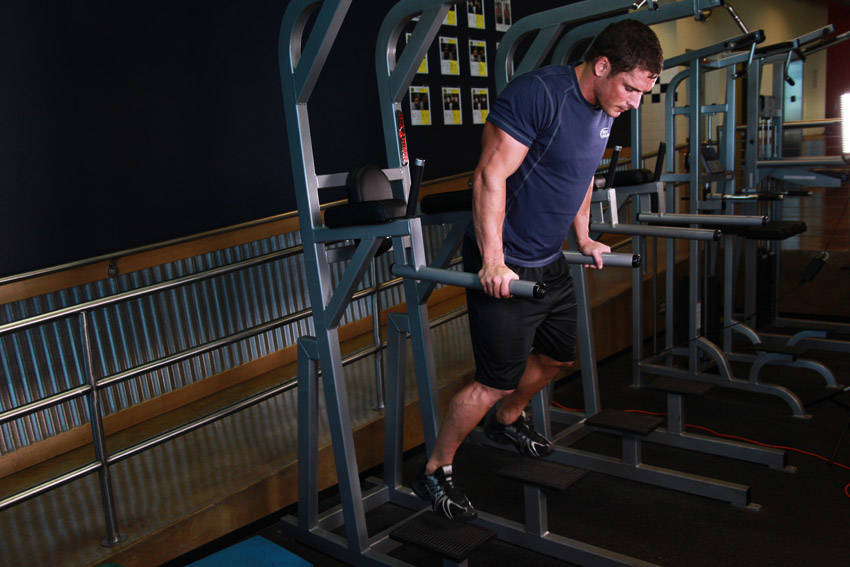
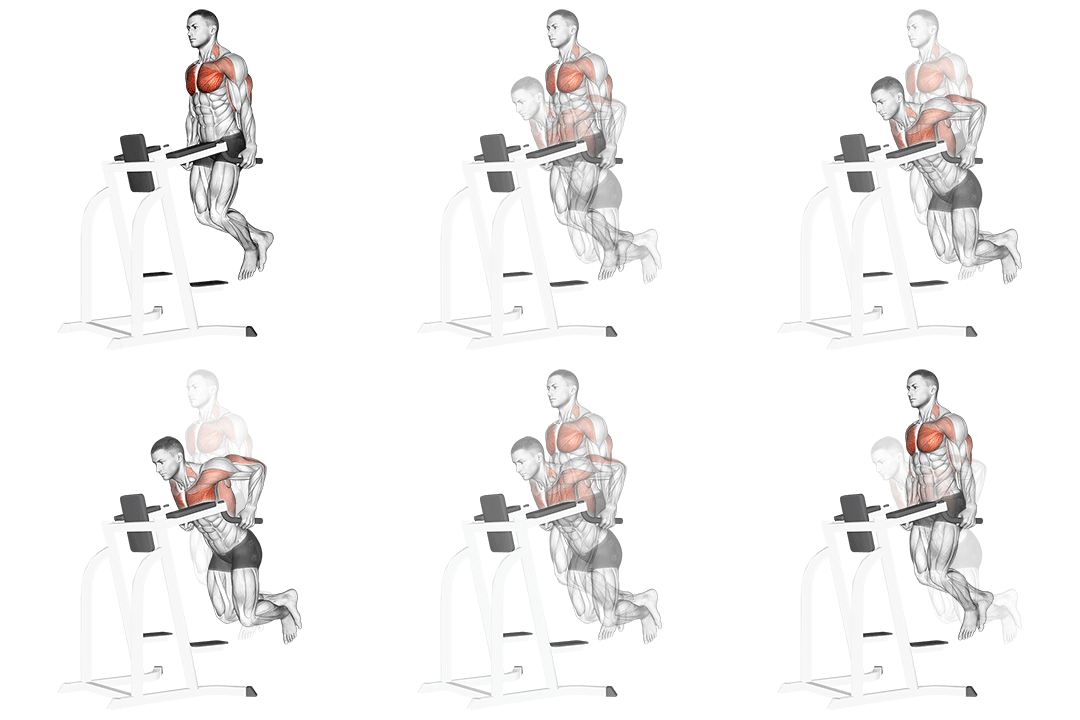
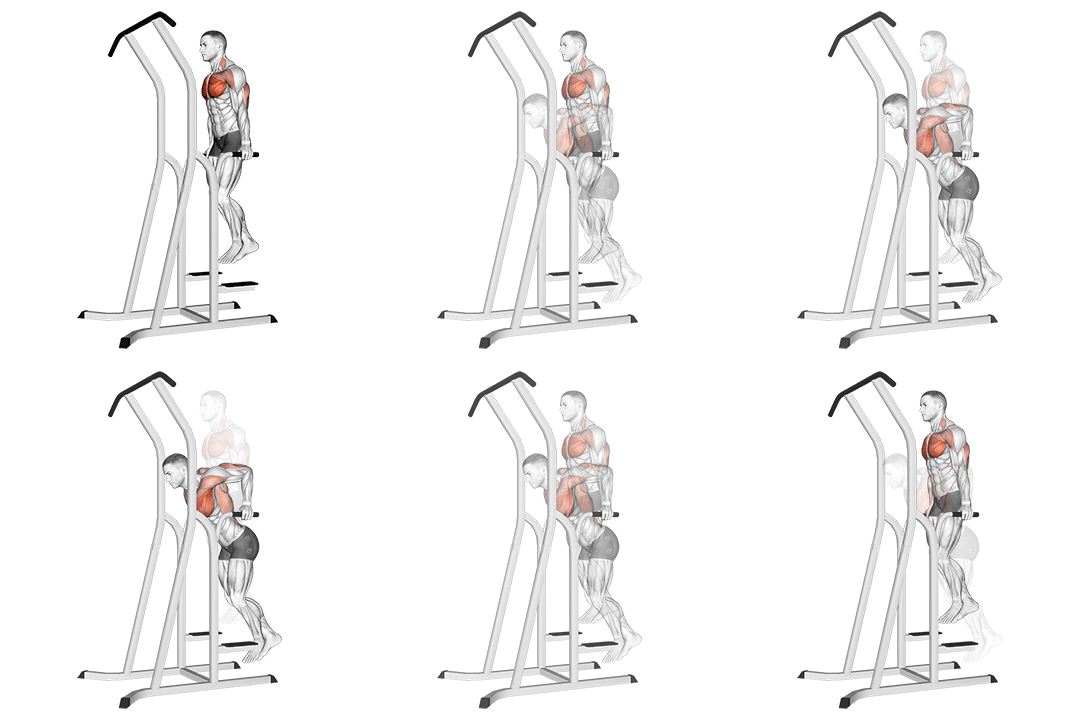
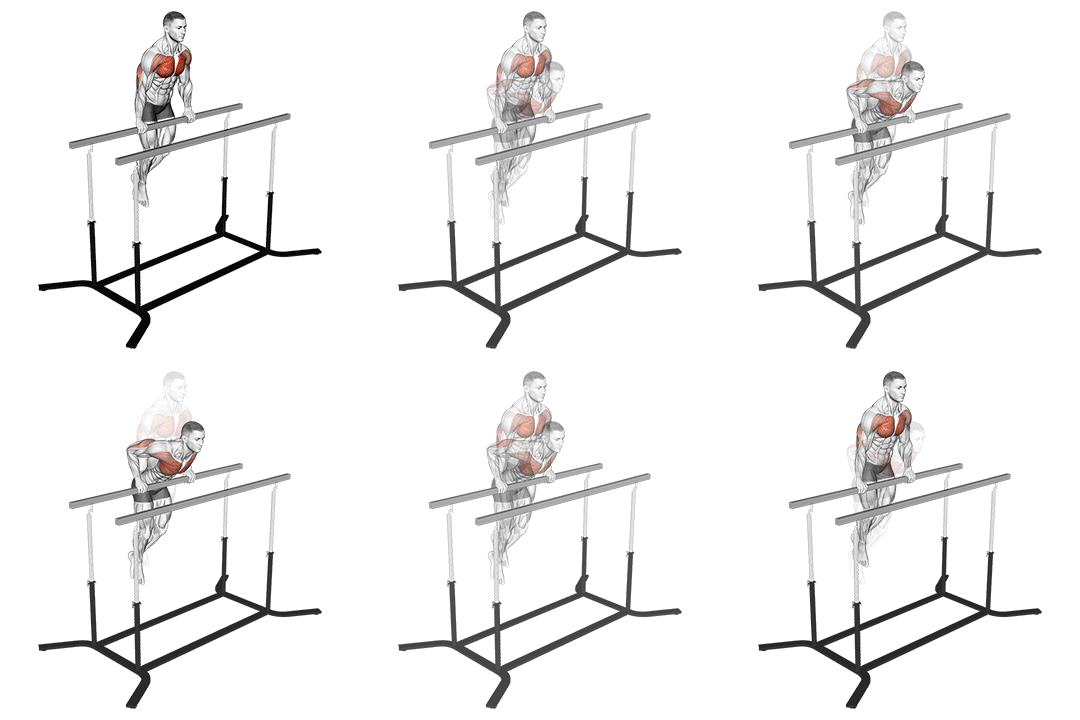
Dips - Chest Version
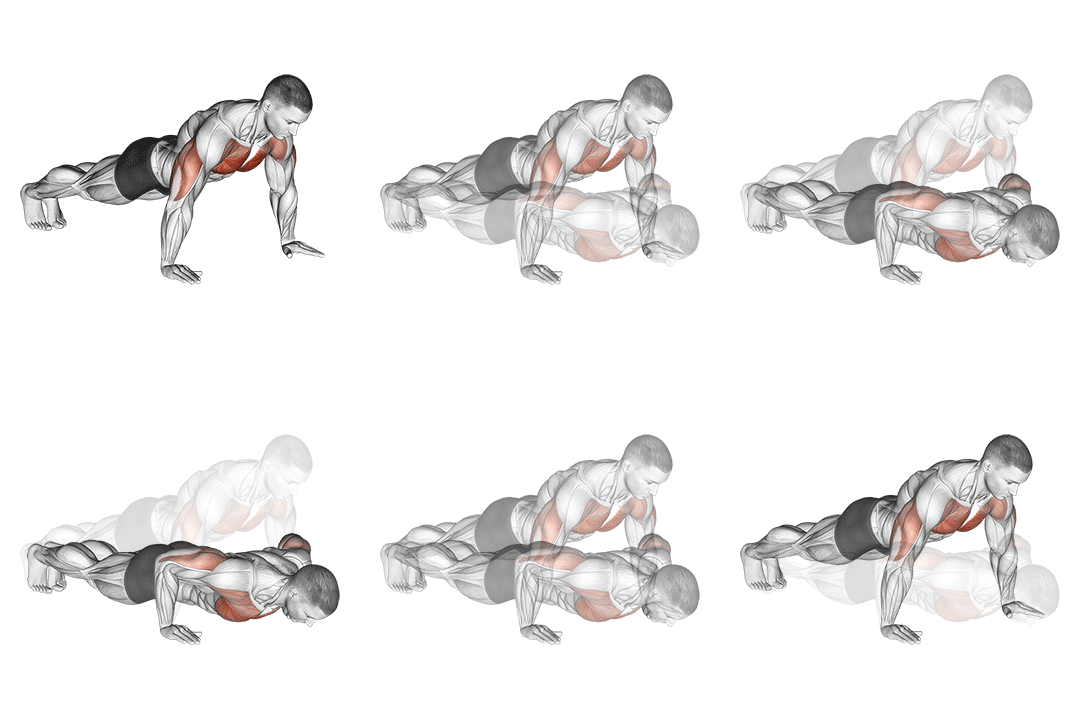
Push-up
Head-to-Head Comparison
| Attribute | Dips - Chest Version | Push-up |
|---|---|---|
| Target Muscle |
Pectorals
|
Pectorals
|
| Body Part |
Chest
|
Chest
|
| Equipment |
Other
|
Body-weight
|
| Difficulty |
Intermediate
|
Intermediate
|
| Movement Type |
Compound
|
Compound
|
| Secondary Muscles |
2
|
3
|
Secondary Muscles Activated
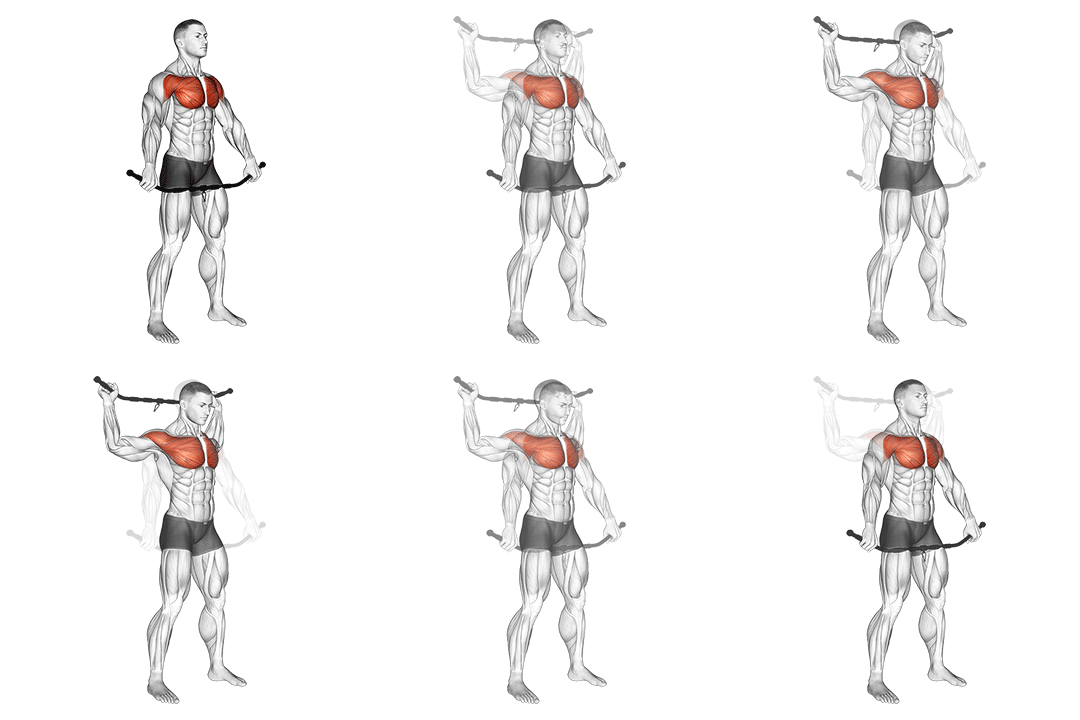
Dips - Chest Version
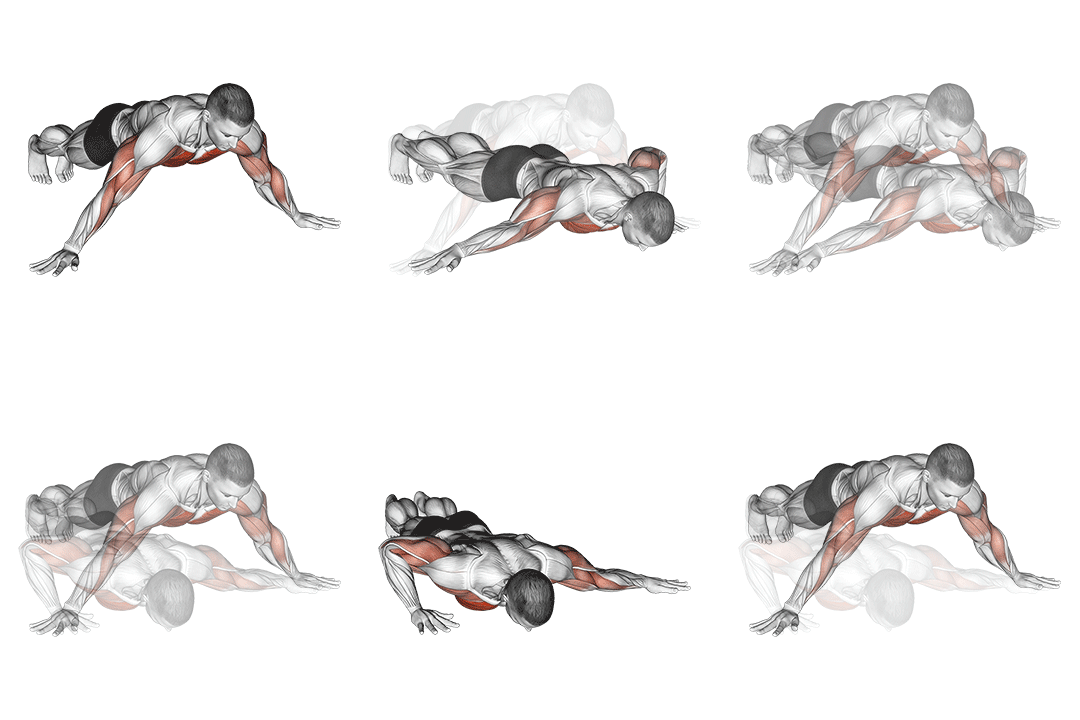
Push-up
Visual Comparison
Overview
Dips - Chest Version vs Push-up — you’re deciding between two staple chest builders. I’ll walk you through how each exercise loads the pectorals, which secondary muscles pick up the work, equipment and accessibility, movement mechanics, and clear progressions. You’ll get specific technique cues (body angles, hand placement, ROM limits), rep ranges for hypertrophy and strength, and biomechanical reasons why one might outmatch the other for your goal. Read on so you can choose the movement that fits your program and reduce risk while maximizing muscle growth and strength.
Key Differences
- Equipment differs: Dips - Chest Version uses Other, while Push-up requires Body-weight.
Pros & Cons
Dips - Chest Version
+ Pros
- Higher potential mechanical tension due to longer muscle lengths and easy external loading
- Strong stimulus for lower/sternal pec fibers with forward torso lean
- Clear linear progression by adding weight
- Large range of motion — good for hypertrophy when controlled
− Cons
- Greater anterior shoulder stress at deep ranges
- Requires parallel bars, rings, or machine
- Harder to learn — needs solid tricep/shoulder baseline strength
Push-up
+ Pros
- Ultra-accessible — no equipment needed
- Easy regressions and progressions (incline, knee, tempo, band, weighted vest)
- Built-in core and serratus anterior activation for stability
- Lower shoulder injury risk when performed with good form
− Cons
- Harder to progressively overload precisely without equipment
- Can shift emphasis to triceps if hand placement is too narrow
- Limited peak tension compared with weighted dips for advanced lifters
When Each Exercise Wins
Dips let you place the pecs at longer lengths and add external load for higher mechanical tension. Use weighted dips in the 6–12 rep range and controlled 2–3 second eccentrics to maximize hypertrophy.
You can incrementally increase load on dips (microplates, belt) to target low-rep strength work (3–6 reps) and apply progressive overload more precisely than bodyweight push-ups.
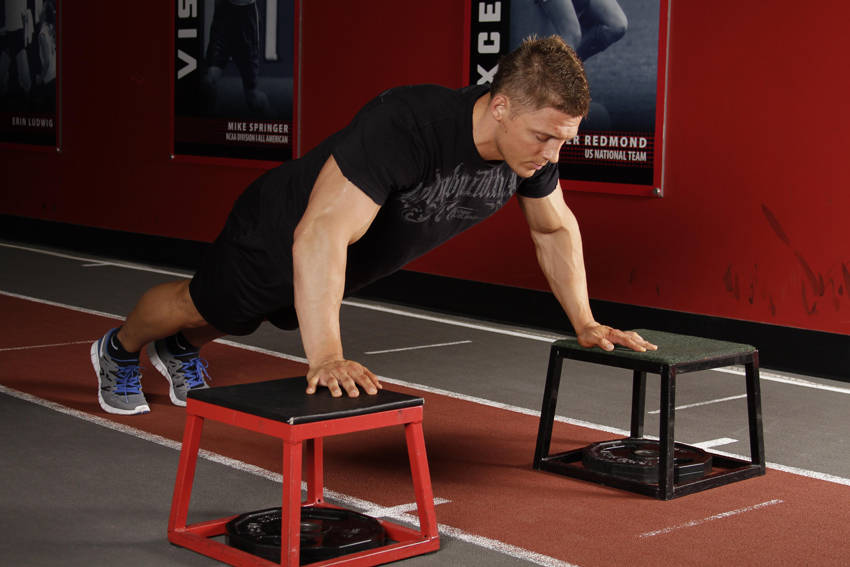
Push-ups have simple regressions (incline, knees) and teach core-to-shoulder coordination with less risk, letting you build movement quality and strength before attempting weighted or full-range dips.
Push-ups need no equipment, are scalable with household props (tables, stairs), and still train the chest, triceps, and core effectively for maintenance or progress.
Frequently Asked Questions
Can I do both Dips - Chest Version and Push-up in the same workout?
Yes. Start with your primary heavy movement (weighted dips for strength) and follow with push-up variations for volume or hypertrophy. Keep push-ups controlled and stop short of failure if dips already taxed your shoulders.
Which exercise is better for beginners?
Push-ups are better for beginners due to easy regressions (incline or knees) and lower joint stress. They teach core and scapular control before introducing the greater ROM and load of dips.
How do the muscle activation patterns differ?
Dips load the pecs at longer muscle lengths and increase tricep and anterior deltoid involvement during the vertical press; push-ups emphasize horizontal adduction with more serratus and core activation. The torso lean and hand position change the force vector and which pec fibers dominate.
Can Push-up replace Dips - Chest Version?
Push-ups can replace dips for general chest development and at-home training, but they’re less effective for heavy progressive overload. If your goal is maximal hypertrophy or strength and you can load dips safely, keep dips in the program.
Expert Verdict
If your priority is raw chest development and you have access to dip bars plus baseline shoulder health, prioritize chest-version dips — they offer superior loading potential, longer pec length-tension stimulus, and straightforward added resistance for progressive overload. If you train at home, are newer to pressing, or need a safer shoulder option, prioritize push-ups and progress via incline, tempo, and band or vest resistance. Use both in a program if possible: cycle heavy weighted dips for 4–8 weeks to overload the pecs, then use push-up variations for higher-volume finishing work and scapular control. Always use measured depth and controlled tempo to protect the shoulder.
Also Compare
More comparisons with Dips - Chest Version
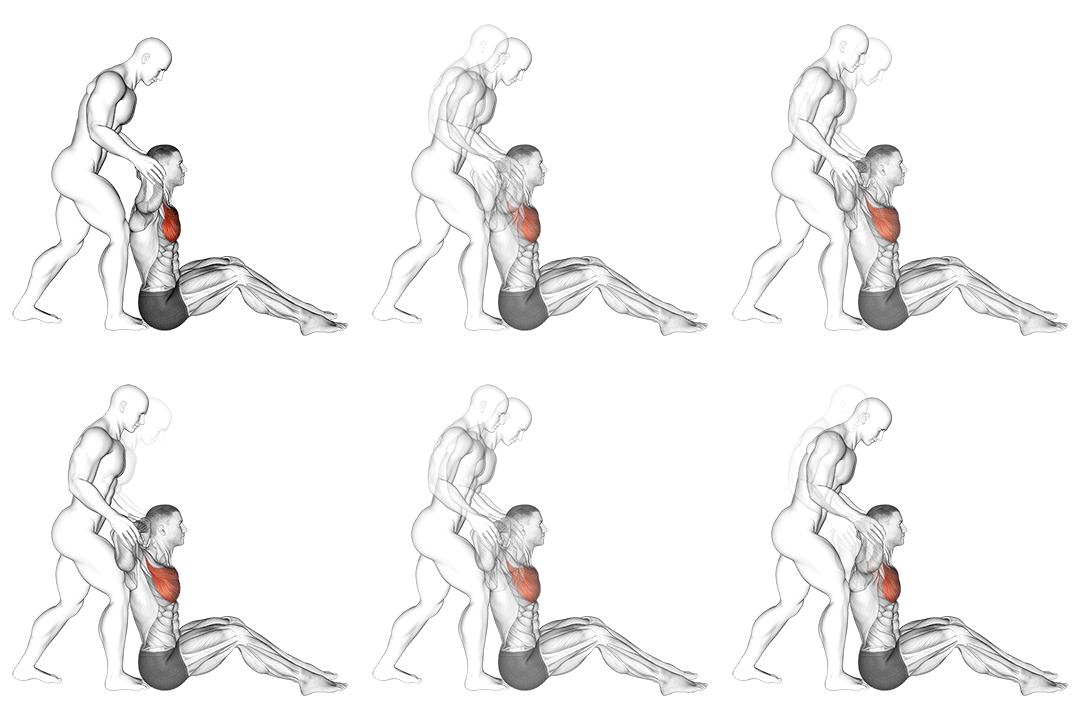
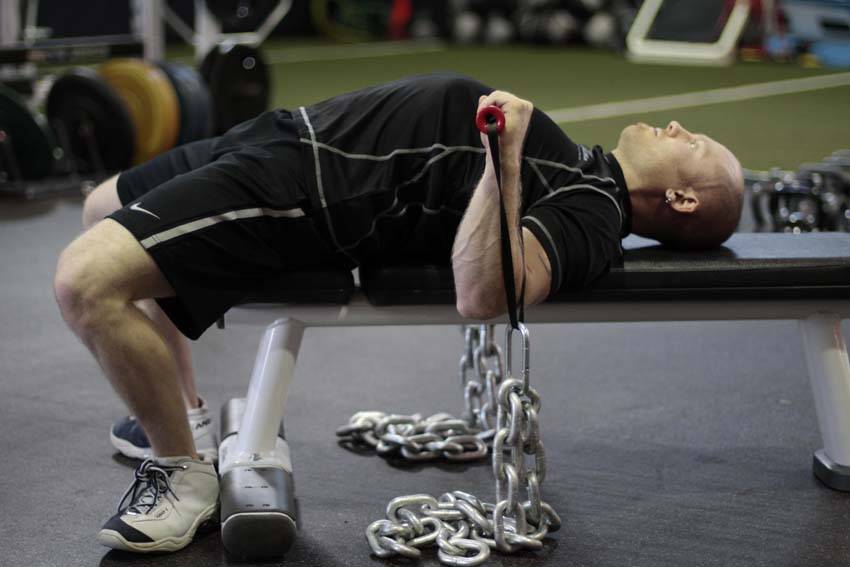

Compare More Exercises
Use our free comparison tool to analyze any two exercises head-to-head.
Compare Exercises