

Dips - Triceps Version vs Push-up: Complete Comparison Guide
Dips - Triceps Version vs Push-up opens a direct look at two staple bodyweight presses that train the upper body in different ways. You’ll get clear technique cues, biomechanics-backed muscle activation differences, equipment needs, progression paths, and injury considerations. I’ll show how torso angle and hand placement change force vectors, when to stop depth to protect the shoulder, and which movement to prioritize for triceps versus chest development so you can choose the right tool for your goals.
Exercise Comparison
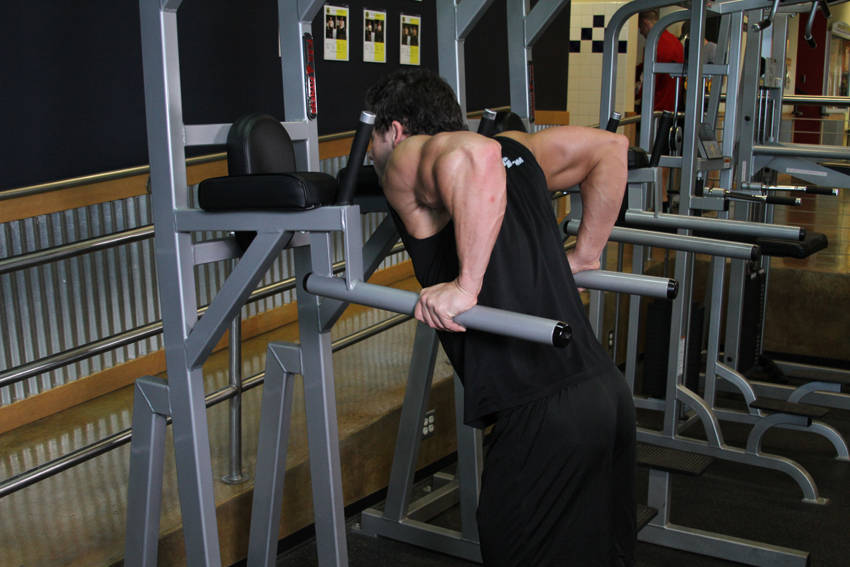
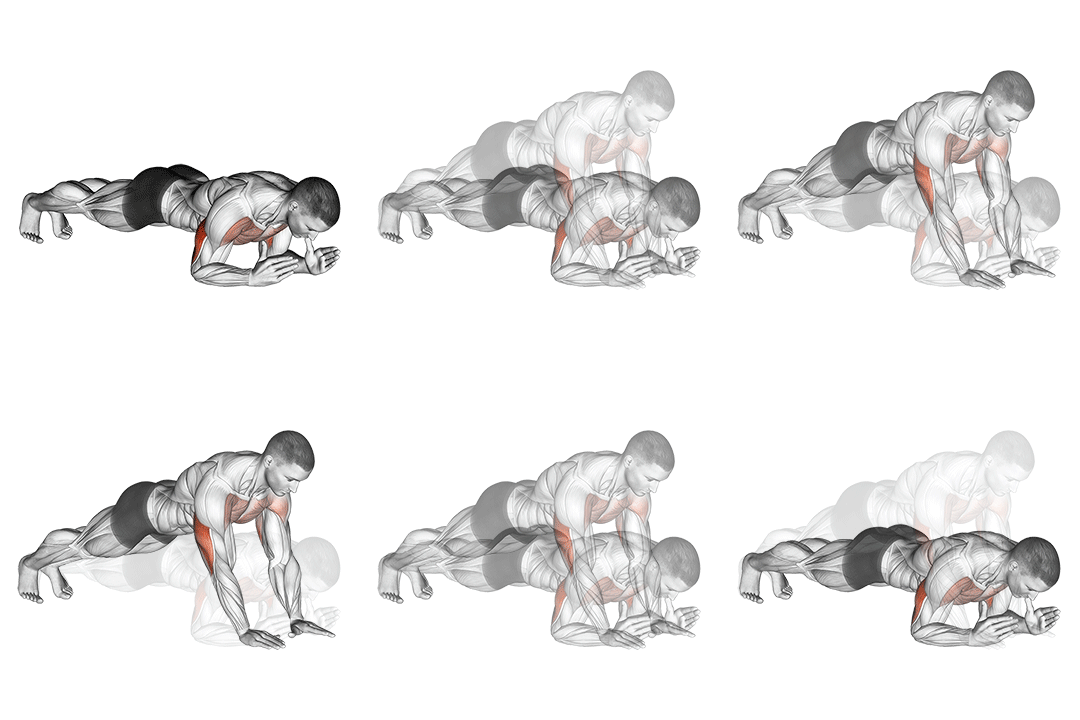
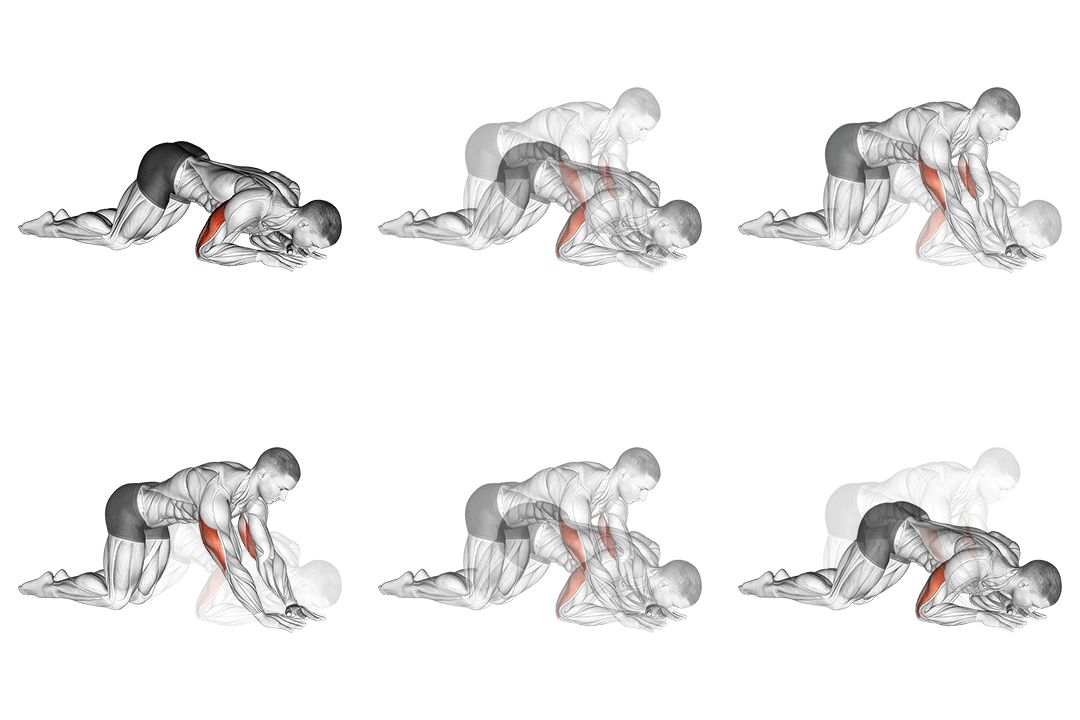
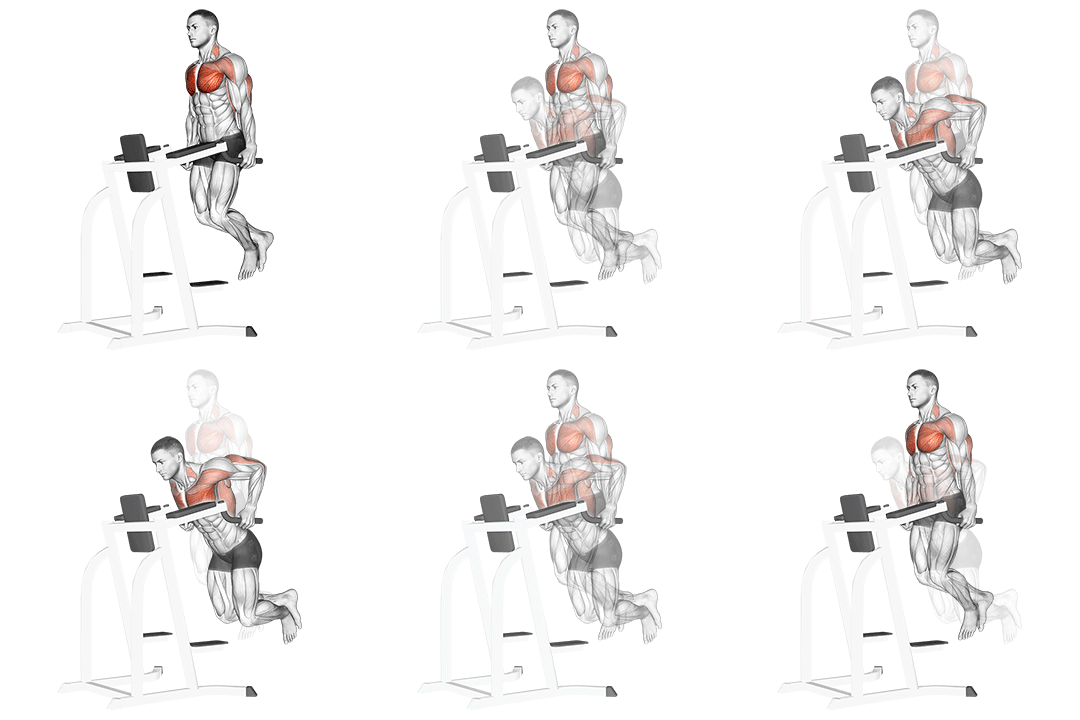
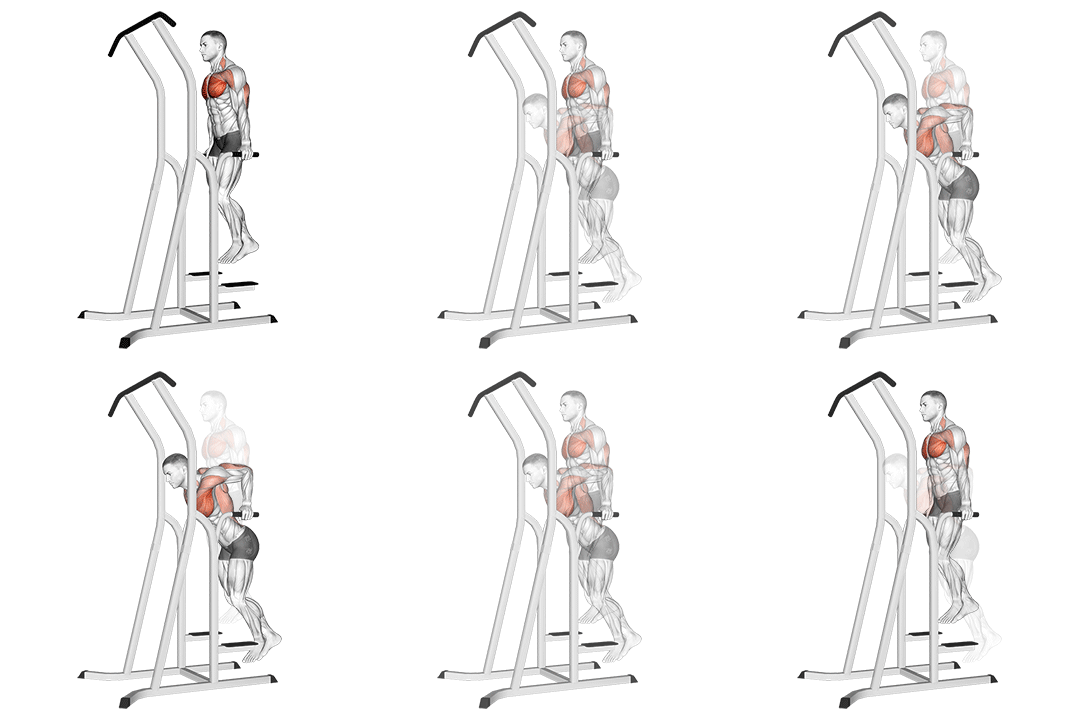
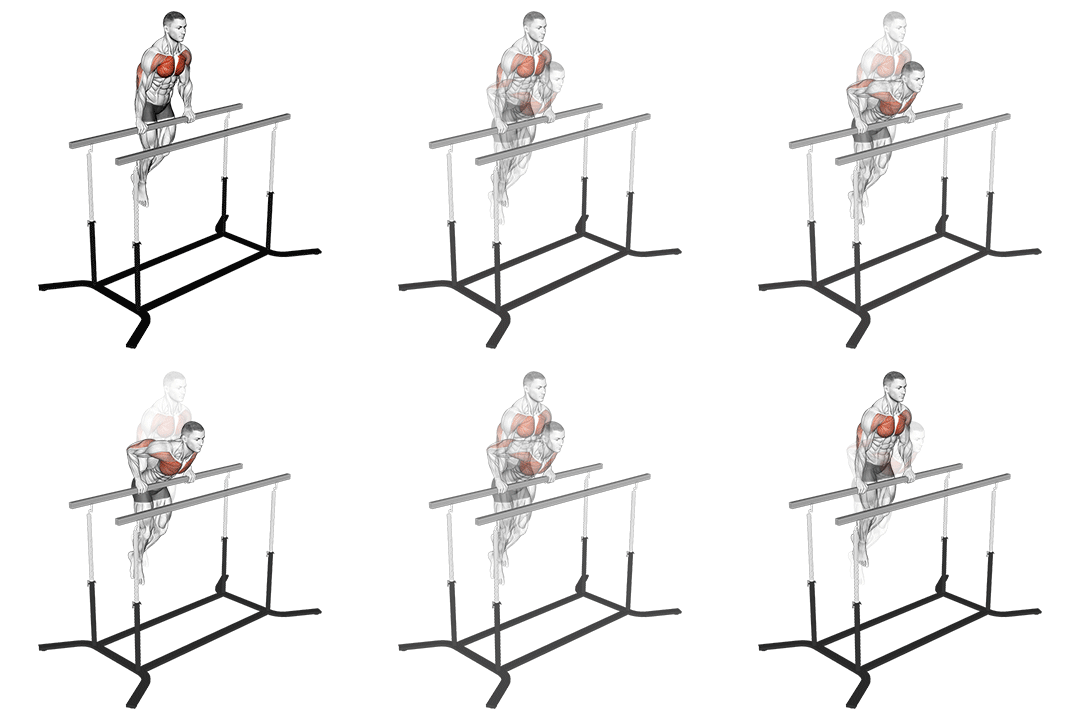
Dips - Triceps Version
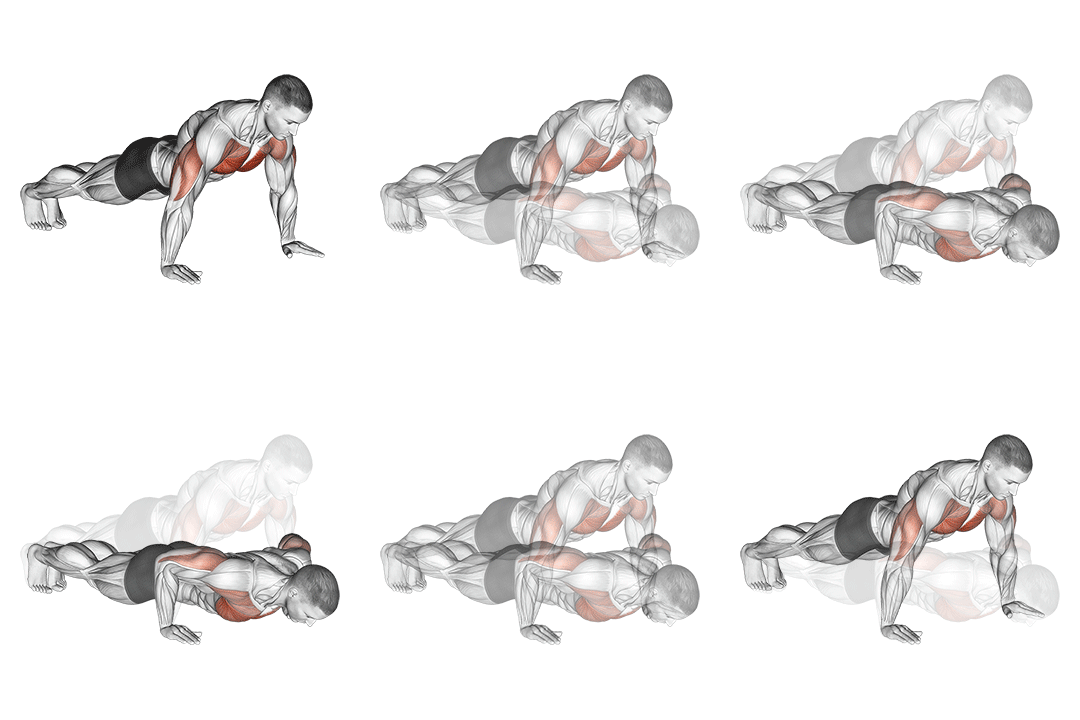
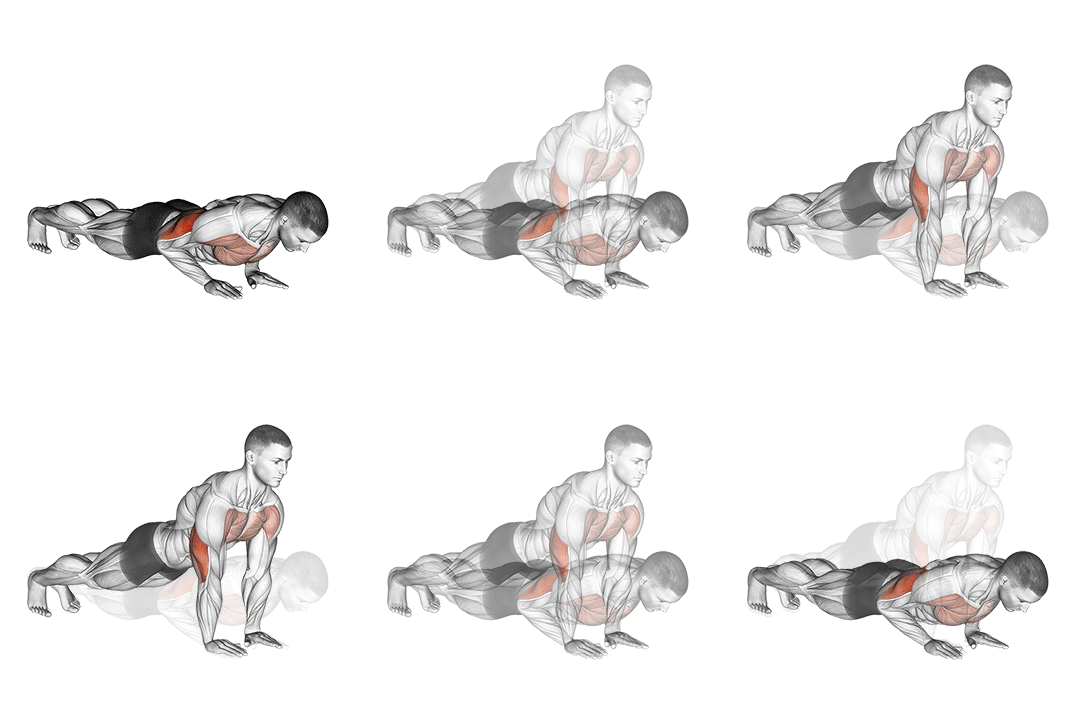
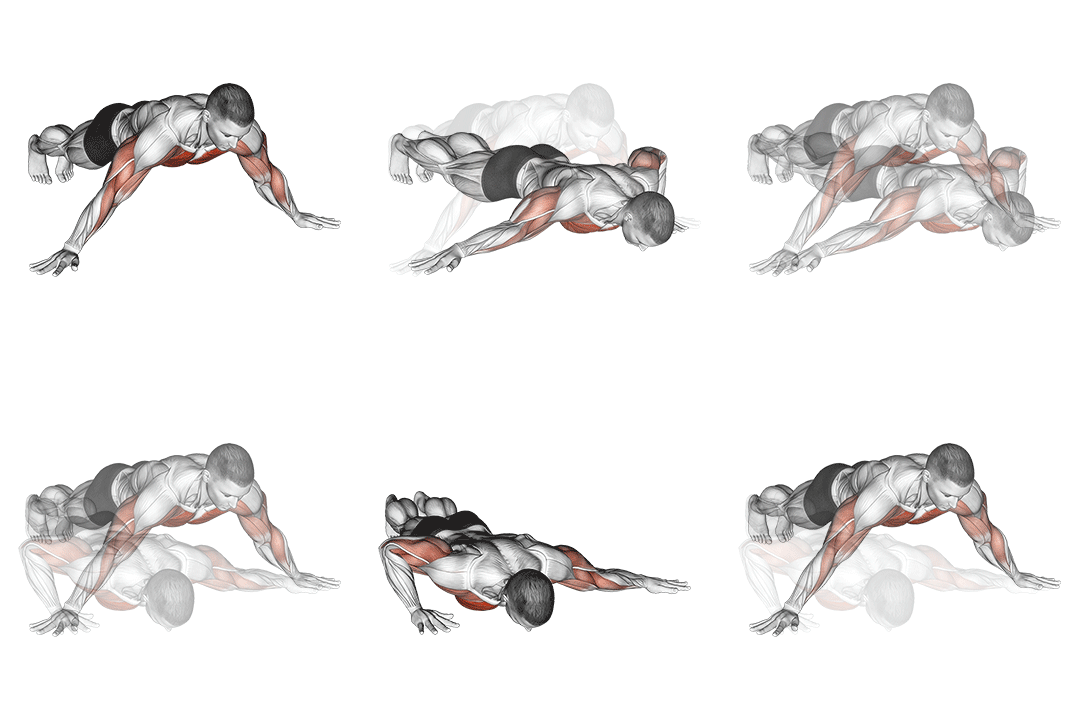
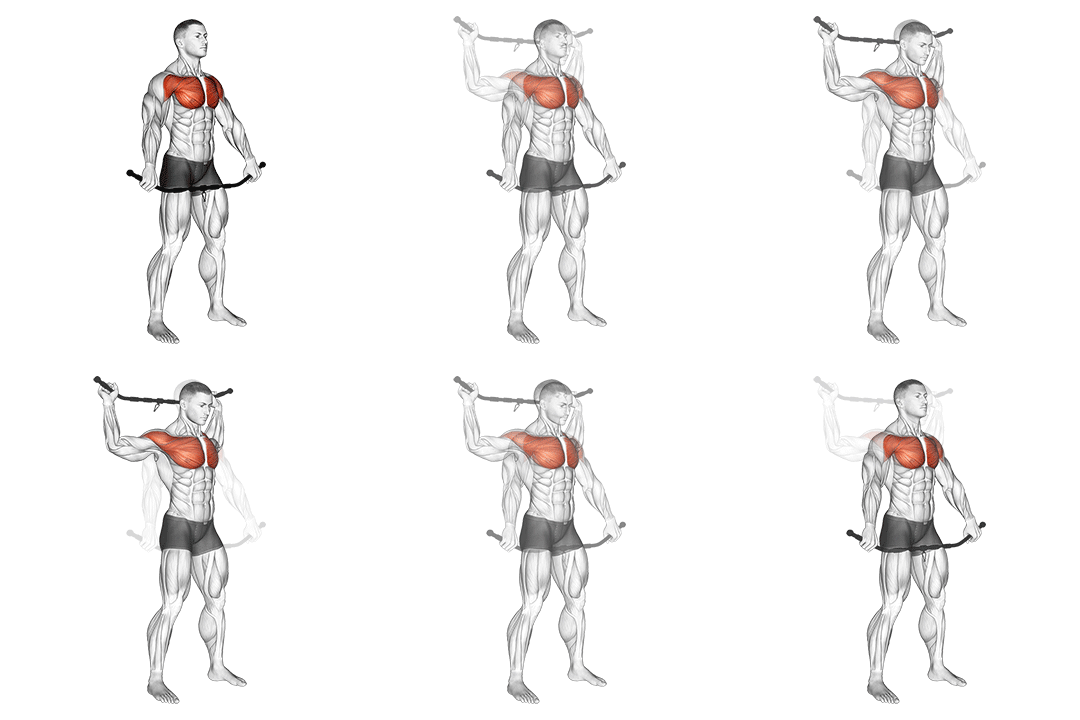
Push-up
Head-to-Head Comparison
| Attribute | Dips - Triceps Version | Push-up |
|---|---|---|
| Target Muscle |
Triceps
|
Pectorals
|
| Body Part |
Upper-arms
|
Chest
|
| Equipment |
Body-weight
|
Body-weight
|
| Difficulty |
Intermediate
|
Intermediate
|
| Movement Type |
Compound
|
Compound
|
| Secondary Muscles |
2
|
3
|
Secondary Muscles Activated
Dips - Triceps Version
Push-up
Visual Comparison
Overview
Dips - Triceps Version vs Push-up opens a direct look at two staple bodyweight presses that train the upper body in different ways. You’ll get clear technique cues, biomechanics-backed muscle activation differences, equipment needs, progression paths, and injury considerations. I’ll show how torso angle and hand placement change force vectors, when to stop depth to protect the shoulder, and which movement to prioritize for triceps versus chest development so you can choose the right tool for your goals.
Key Differences
- Dips - Triceps Version primarily targets the Triceps, while Push-up focuses on the Pectorals.
Pros & Cons
Dips - Triceps Version
+ Pros
- High triceps overload through long ROM and large elbow moment arm
- Easy to add external load for strength (dip belt/vest) and low rep strength work (3–6 reps)
- Strong carryover to other vertical/leaning pressing movements due to vertical force vector
- Efficient compound movement that recruits chest and shoulders as secondary movers
− Cons
- Greater shoulder stress at deep ranges; risk of impingement if depth uncontrolled
- Requires bars or rings—less accessible for home-only setups
- Harder to scale downward for true beginners without assistance
Push-up
+ Pros
- Highly accessible—no equipment and many regressions/progressions
- Strong core and serratus anterior activation for scapular control
- Easy to modify force vector (hand width/decline) to emphasize chest or triceps
- Low technical barrier; high-volume sets for hypertrophy (8–20+ reps) are practical
− Cons
- Limited absolute overload without external equipment (though weighted vests help)
- Wrist discomfort common under high volume or poor hand position
- Can plateau mentally/neuromuscularly if you don’t use progressive overload strategies
When Each Exercise Wins
Dips allow larger external loading and place triceps under a long-length tension at the bottom of the movement, which supports 6–12 rep hypertrophy sets and progressive overload. If your priority is upper-arm mass, weighted dips stimulate high mechanical tension and stretch-mediated growth.
Because you can add significant external weight, dips scale to heavy 3–6 rep strength work more naturally than bodyweight-only push-ups. The vertical force vector also transfers well to other pressing strength movements.
Push-ups are easier to regress (knee, incline) and teach core-braced horizontal pushing mechanics with less shoulder stress. They let you build base strength and technique before progressing to more demanding dips.
Push-ups require no equipment and adapt to small spaces; variations (incline, decline, tempo) cover chest and triceps development without a dip station. That makes them the most practical home choice.
Frequently Asked Questions
Can I do both Dips - Triceps Version and Push-up in the same workout?
Yes. Pair push-ups as a volume or warm-up set and follow with weighted or strict dips for heavy work. For example, do 3 sets of 10–15 push-ups to pre-exhaust chest then 3–5 sets of weighted dips at 4–8 reps for strength.
Which exercise is better for beginners?
Push-ups are better for beginners because you can regress difficulty (knees, incline) while building core and horizontal push mechanics. Once you can perform multiple sets of 12–15 strict push-ups, progress toward dips with assisted variations or negative-only dips.
How do the muscle activation patterns differ?
Dips load the triceps more because the vertical force vector increases elbow extension torque and stretches the triceps at the bottom. Push-ups produce greater horizontal adduction, increasing pectoralis major activation and engaging serratus anterior and core to stabilize the scapula.
Can Push-up replace Dips - Triceps Version?
Push-ups can substitute when equipment or shoulder issues limit dips, but they won’t fully replace heavy overload potential. If your goal is maximal triceps strength or mass, include weighted dips when possible; use push-ups for volume, conditioning, and skill work.
Expert Verdict
Choose Dips - Triceps Version when you want maximal triceps loading and a movement you can progressively overload with added weight; keep depth near elbow ~90° if you have shoulder history. Choose Push-up when accessibility, core engagement, and versatility matter—use hand width and decline to bias chest or triceps and perform 8–20+ reps for hypertrophy or tempo work for muscular endurance. Program both: use push-ups for volume and skill work, and dips for heavy sets or focused triceps phases. Track reps and load (aim 6–12 reps for hypertrophy, 3–6 for strength) and prioritize shoulder-friendly depth and scapular control.
Also Compare
More comparisons with Dips - Triceps Version
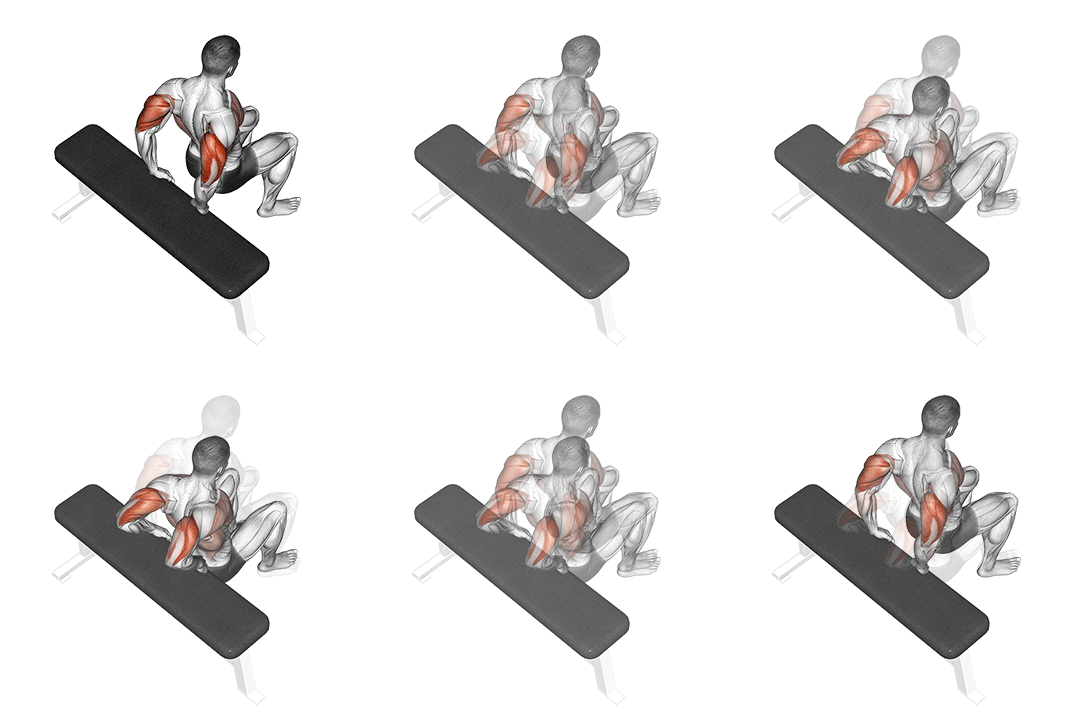
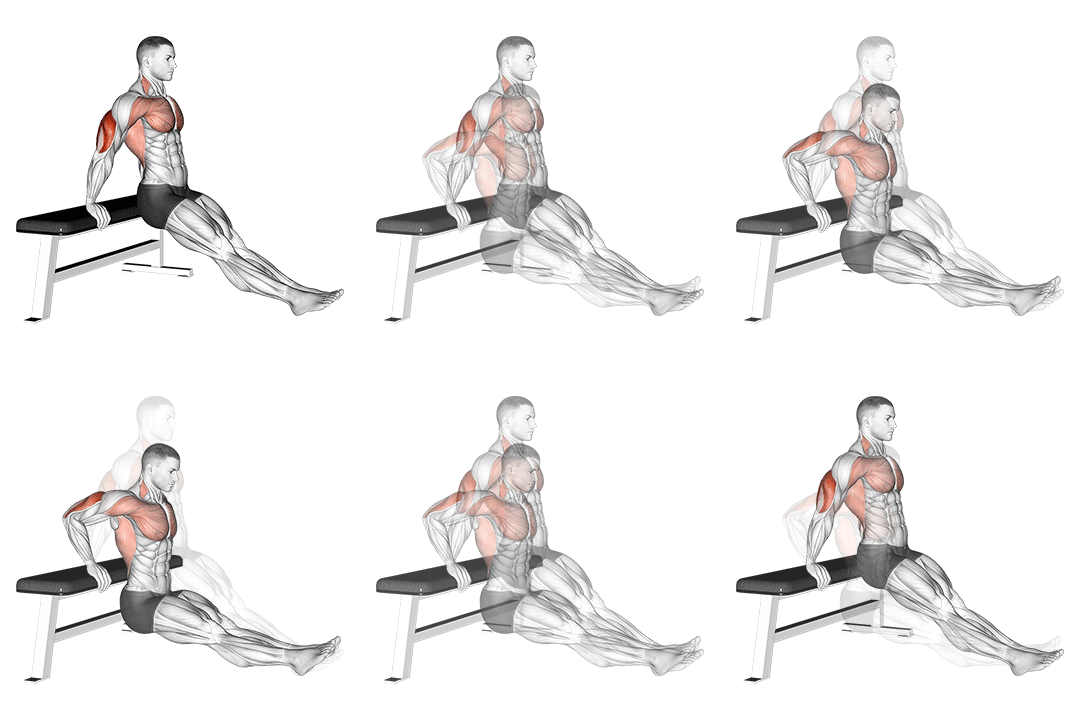
Compare More Exercises
Use our free comparison tool to analyze any two exercises head-to-head.
Compare Exercises