

Drop Push vs Forward Drag With Press: Complete Comparison Guide
Drop Push vs Forward Drag With Press — two intermediate compound chest builders with different movement demands. You’ll get a clear, practical breakdown so you can pick the right tool for your chest-focused sessions. I’ll cover how each hits the pectorals, what secondary muscles get involved, exact technique cues (body angles, elbow paths), equipment needs, progression options, and who should use each exercise based on hypertrophy, strength, and accessibility.
Exercise Comparison
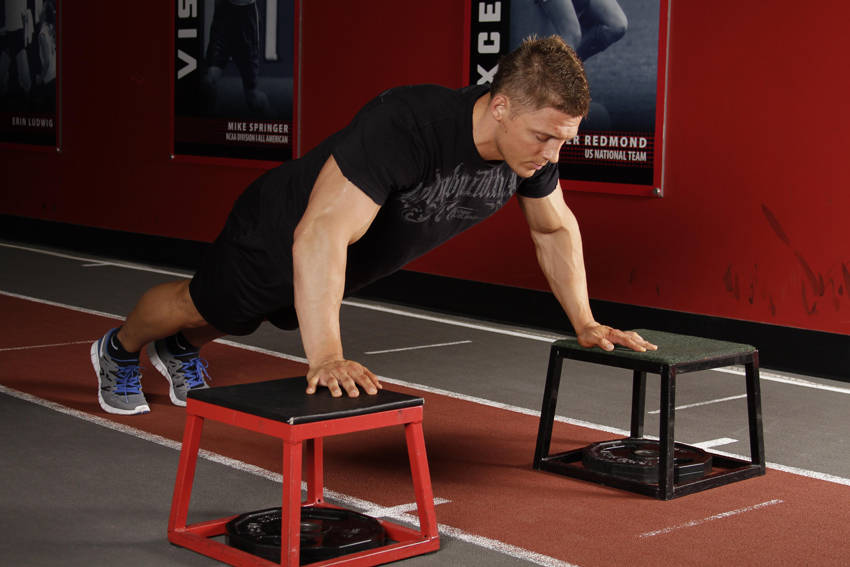
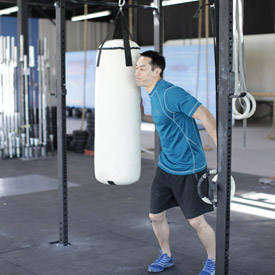
Drop Push

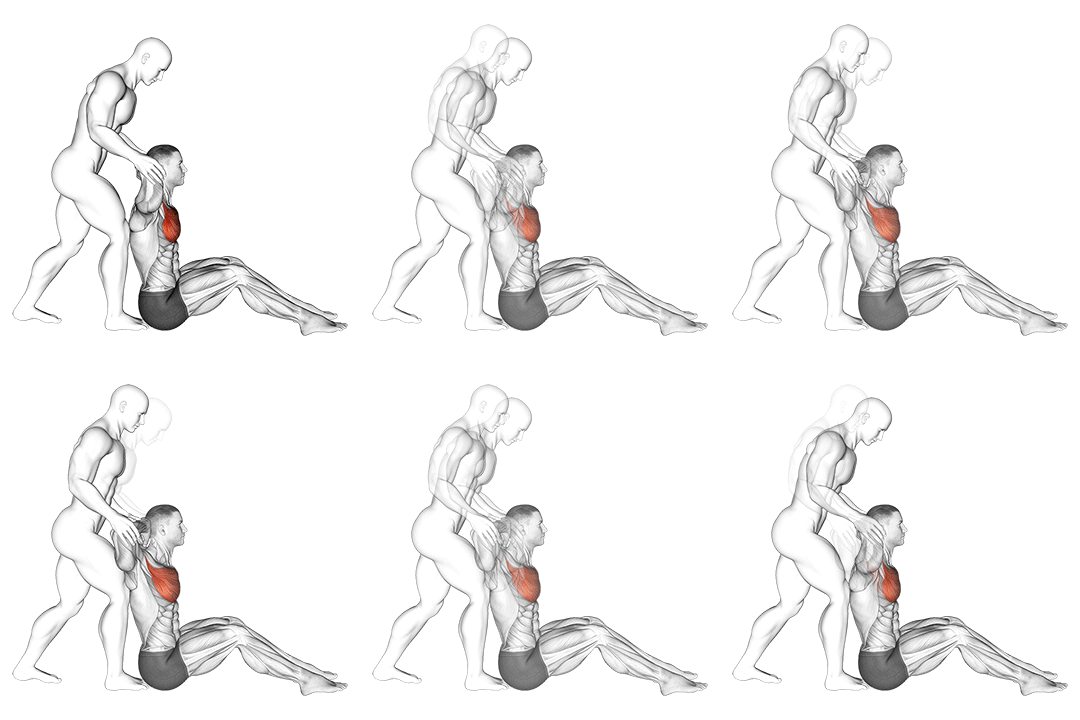
Forward Drag With Press
Head-to-Head Comparison
| Attribute | Drop Push | Forward Drag With Press |
|---|---|---|
| Target Muscle |
Pectorals
|
Pectorals
|
| Body Part |
Chest
|
Chest
|
| Equipment |
Other
|
Other
|
| Difficulty |
Intermediate
|
Intermediate
|
| Movement Type |
Compound
|
Compound
|
| Secondary Muscles |
2
|
6
|
Secondary Muscles Activated
Drop Push
Forward Drag With Press
Visual Comparison
Overview
Drop Push vs Forward Drag With Press — two intermediate compound chest builders with different movement demands. You’ll get a clear, practical breakdown so you can pick the right tool for your chest-focused sessions. I’ll cover how each hits the pectorals, what secondary muscles get involved, exact technique cues (body angles, elbow paths), equipment needs, progression options, and who should use each exercise based on hypertrophy, strength, and accessibility.
Key Differences
- Both exercises target the Pectorals using Other. The main differences are in their movement patterns and muscle activation angles.
Pros & Cons
Drop Push
+ Pros
- Direct chest loading with strong horizontal force vector for pec hypertrophy
- Minimal setup — can be done with a plate, sandbag, or sled in small spaces
- Easier to cue: neutral spine, push through mid-foot, drive elbows horizontally
- Good for controlled tempo work (use 6–12 rep ranges for hypertrophy)
− Cons
- Limited lower-body contribution limits total systemic load
- Smaller range of progression compared to full-body drag-press variations
- Risk of anterior shoulder strain if elbows flare excessively or ROM is extreme
Forward Drag With Press
+ Pros
- Full-body compound that increases systemic load and functional strength
- Greater time-under-tension and stretch on the pecs during the drag phase
- Allows multi-plane progression: distance, load, tempo, and press complexity
- Builds lower-body and core strength alongside chest pressing capacity
− Cons
- Requires more space and specialized setup (handles, harness, sled)
- Higher technical demand — must coordinate hips, trunk, and shoulders
- Greater risk to lower back and shoulder if sequencing or bracing is poor
When Each Exercise Wins
Drop Push provides a concentrated horizontal pushing vector that produces strong pec shortening and peak tension. Use it for 6–12 reps with controlled 2–3s eccentrics to maximize time-under-tension on the chest.
Forward Drag With Press allows higher total-system loading by involving the posterior chain and legs, letting you progress distance and load for greater overall force production. Its multi-segmental demand builds transfer to heavy compound strength.
Drop Push is simpler to teach and isolate: maintain a neutral spine, drive through mid-foot, and keep elbows in a horizontal path. That focused pattern reduces technical errors while still training the pecs effectively.
You can simulate a Drop Push with household weight (sandbag, heavy plate) and a short flat surface, making it more practical in limited space. Forward Drag With Press typically needs more room and gear.
Frequently Asked Questions
Can I do both Drop Push and Forward Drag With Press in the same workout?
Yes — pair them intelligently: start with Forward Drag With Press for heavy, full-body sets (3–6 reps or short distance sprints) to tax systemic strength, then finish with Drop Push for focused chest hypertrophy (8–12 reps, controlled eccentric). Manage volume to avoid shoulder fatigue.
Which exercise is better for beginners?
Drop Push is better for beginners because it isolates the chest more and has simpler movement cues: neutral spine, mid-foot drive, horizontal elbow path. Master trunk and scapular stability on Drop Push before layering in the coordination needed for Forward Drag With Press.
How do the muscle activation patterns differ?
Drop Push emphasizes concentric pec activation near mid-shortened muscle length and a strong horizontal force vector, while Forward Drag With Press creates an eccentric-rich drag phase followed by an upward press, increasing continuous tension and recruiting lower-limb and posterior-chain muscles for force transfer.
Can Forward Drag With Press replace Drop Push?
It can replace Drop Push for overall strength and conditioning, but not if your goal is isolated chest hypertrophy. Forward Drag With Press distributes work across more muscles; use it for systemic overload, and keep Drop Push for targeted pec development.
Expert Verdict
Use Drop Push when your priority is direct pectoral hypertrophy with simple setup and clean technique cues — aim for 6–12 reps, control the eccentric for 2–3 seconds, and keep shoulder abduction between 0–30° to bias the chest. Choose Forward Drag With Press when you want to develop whole-body strength and conditioning: load the drag phase, drive through the hips, and transition to a press for 3–6 heavy sets or longer 8–15 rep metabolic sets. If you can only pick one, start with Drop Push to build chest capacity, then add Forward Drag With Press to develop force transfer and systemic strength.
Also Compare
More comparisons with Drop Push
Compare More Exercises
Use our free comparison tool to analyze any two exercises head-to-head.
Compare Exercises