

Dumbbell Around Pullover vs Dumbbell Decline One Arm Fly: Complete Comparison Guide
Dumbbell Around Pullover vs Dumbbell Decline One Arm Fly — you’re looking to develop your chest and want to know which move fits your plan. I’ll walk you through muscle activation, equipment needs, learning curve, injury risk, and when to use each exercise for hypertrophy or strength. You’ll get clear technique cues (hand path, ribcage position, joint angles), rep-range suggestions (8–12 for compound work, 8–15 for isolation), and biomechanical notes on length-tension and force vectors so you can pick the right exercise for your sessions.
Exercise Comparison
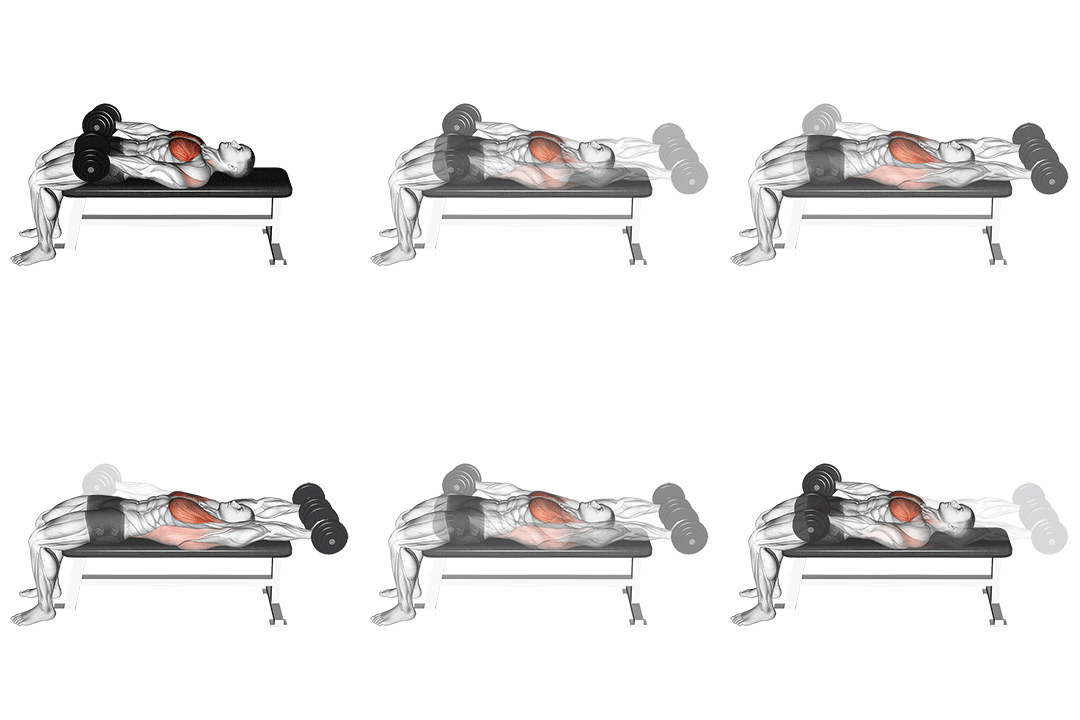
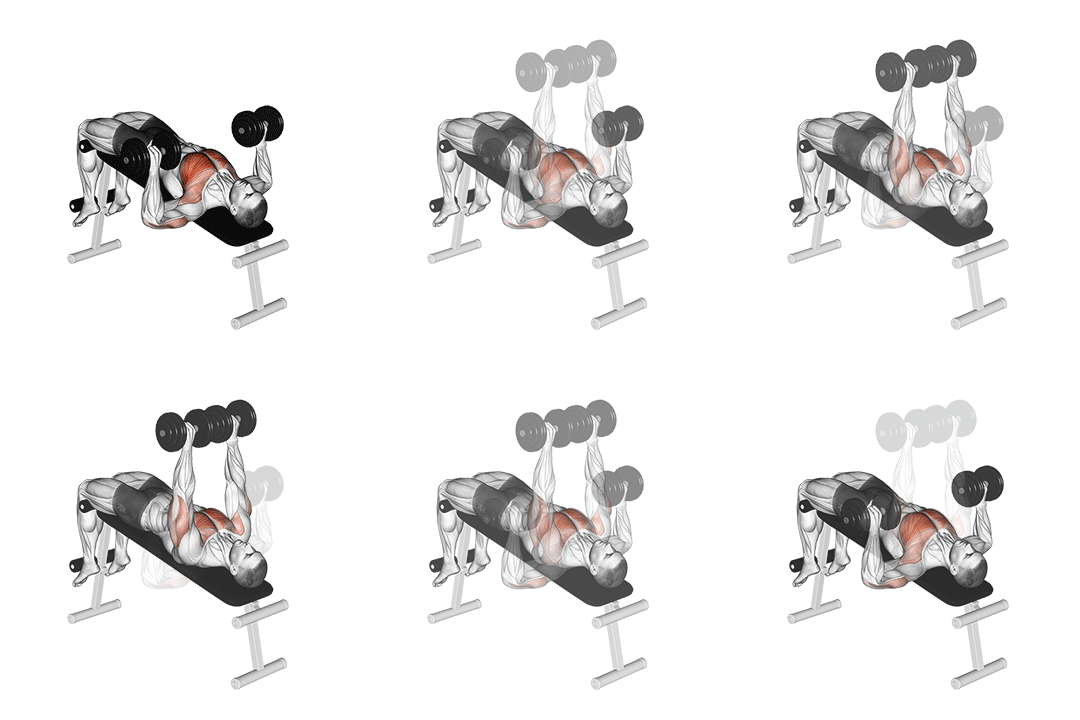
Dumbbell Around Pullover
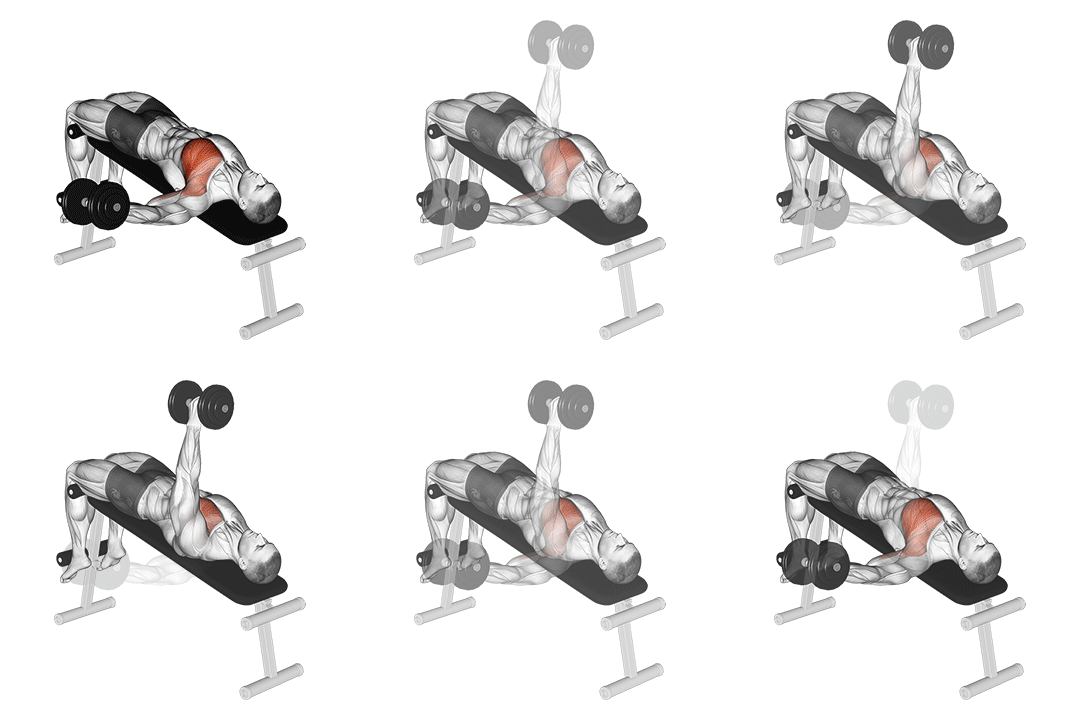
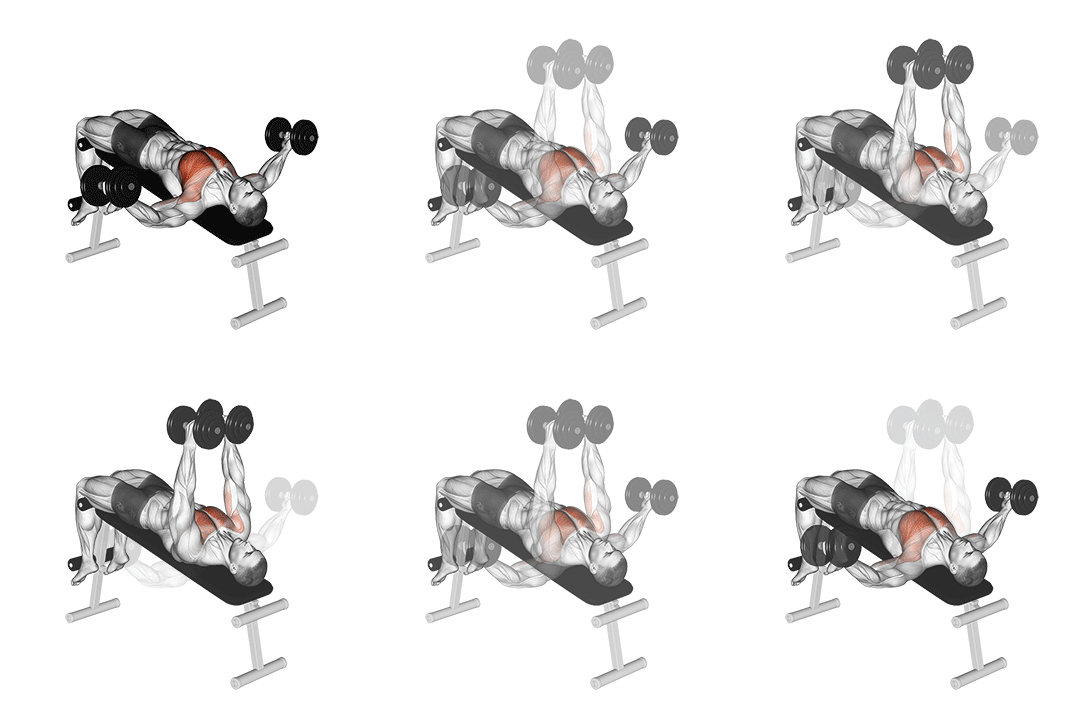
Dumbbell Decline One Arm Fly
Head-to-Head Comparison
| Attribute | Dumbbell Around Pullover | Dumbbell Decline One Arm Fly |
|---|---|---|
| Target Muscle |
Pectorals
|
Pectorals
|
| Body Part |
Chest
|
Chest
|
| Equipment |
Dumbbell
|
Dumbbell
|
| Difficulty |
Intermediate
|
Advanced
|
| Movement Type |
Compound
|
Isolation
|
| Secondary Muscles |
2
|
1
|
Secondary Muscles Activated
Dumbbell Around Pullover
Dumbbell Decline One Arm Fly
Visual Comparison
Overview
Dumbbell Around Pullover vs Dumbbell Decline One Arm Fly — you’re looking to develop your chest and want to know which move fits your plan. I’ll walk you through muscle activation, equipment needs, learning curve, injury risk, and when to use each exercise for hypertrophy or strength. You’ll get clear technique cues (hand path, ribcage position, joint angles), rep-range suggestions (8–12 for compound work, 8–15 for isolation), and biomechanical notes on length-tension and force vectors so you can pick the right exercise for your sessions.
Key Differences
- Dumbbell Around Pullover is a compound movement, while Dumbbell Decline One Arm Fly is an isolation exercise.
- Difficulty levels differ: Dumbbell Around Pullover is intermediate, while Dumbbell Decline One Arm Fly is advanced.
- Both exercises target the Pectorals using Dumbbell. The main differences are in their movement patterns and muscle activation angles.
Pros & Cons
Dumbbell Around Pullover
+ Pros
- Compound movement recruits pecs, lats, and triceps allowing heavier loading and systemic work
- Greater stretch across the chest—useful for length-tension stimulation and upper-range stimulus
- Requires minimal equipment — bench or floor works for most users
- Easier to progress with load and rep schemes (6–12 reps recommended)
− Cons
- Less focused peak pec contraction than an isolation fly
- Requires torso stability; poor form can shift load to lats too much
- Too heavy or poor control can stress the lower ribs or lumbar area
Dumbbell Decline One Arm Fly
+ Pros
- High isolation of the lower pecs with strong peak contraction
- Unilateral setup helps correct left-right imbalances and improve mind-muscle connection
- Decline angle emphasizes lower sternal fibers, useful for targeted shaping
- Tempo and time-under-tension variables provide fine-grained hypertrophy control
− Cons
- Requires decline bench and solid shoulder control — less accessible
- Higher risk of shoulder strain at end range when overloaded
- Limited heavy-loading potential, so less carryover to compound pressing strength
When Each Exercise Wins
The decline one-arm fly delivers a stronger peak contraction and isolates the lower pecs with a controlled horizontal adduction path. Use 8–15 reps with slow 2–3 second eccentrics to maximize time under tension and local hypertrophy.
As a compound movement, the pullover allows heavier loading and greater systemic recruitment (pecs plus lats and triceps), which better transfers to pressing strength. Use 6–10 reps and progressively increase load while keeping a stable ribcage.
The pullover is simpler to learn and can be done on the floor to limit range of motion, making it easier to practice scapular and shoulder control before advancing to unilateral decline flies.
Pullover requires only a dumbbell and a flat surface (or floor) and offers compound stimulus, so it’s far more practical when you don’t have a decline bench.
Frequently Asked Questions
Can I do both Dumbbell Around Pullover and Dumbbell Decline One Arm Fly in the same workout?
Yes — pair them strategically. Use pullover earlier as a compound heavy set (6–10 reps) and finish with decline one-arm flies for 8–15 rep isolation work to pre-exhaust or add focused hypertrophy.
Which exercise is better for beginners?
Dumbbell Around Pullover is generally better for beginners because it’s easier to scale, learn, and perform on the floor or bench. It builds shoulder and torso control before progressing to unilateral decline flies.
How do the muscle activation patterns differ?
Pullover creates a long arc with combined shoulder extension and horizontal adduction, increasing length-tension stress on pecs and lats. Decline one-arm fly uses short horizontal adduction on a decline, producing higher localized pec activation and less lat involvement.
Can Dumbbell Decline One Arm Fly replace Dumbbell Around Pullover?
Not fully — the decline fly replaces pullover for targeted pec isolation but lacks the lat and triceps recruitment and heavy-loading potential of a pullover. Choose the fly for specialization and the pullover for compound strength and mass phases.
Expert Verdict
Choose the pullover when you want multi-joint stimulus, easier progression, and an accessible chest-lat combination for strength and volume work. Use the decline one-arm fly when your goal is focused pec hypertrophy and you can control shoulder position on a 15–30° decline; target 8–15 reps with controlled eccentrics to maximize peak tension. For most trainees, include both across a training cycle: emphasize pullovers in strength or compound-focused phases and bring in decline unilateral flies during specialization blocks to finish sessions with isolation work.
Also Compare
More comparisons with Dumbbell Around Pullover
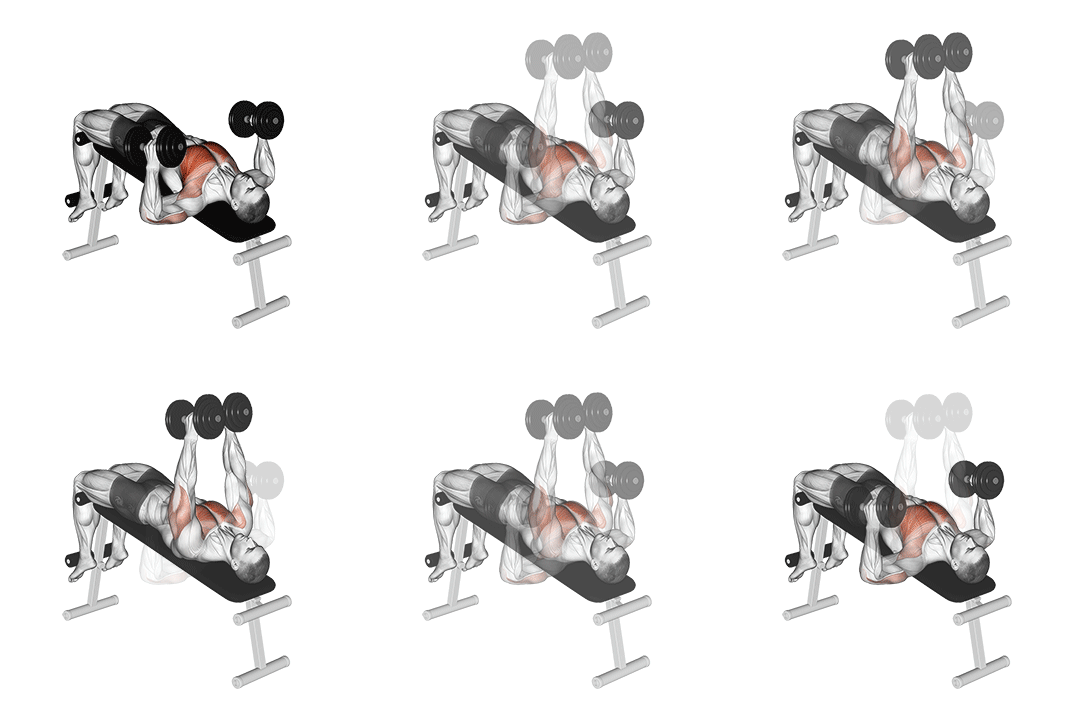
More comparisons with Dumbbell Decline One Arm Fly
Compare More Exercises
Use our free comparison tool to analyze any two exercises head-to-head.
Compare Exercises