

Elliptical Trainer vs Jogging, Treadmill: Complete Comparison Guide
Elliptical Trainer vs Jogging, Treadmill — you’ve got two of the most common cardio tools for quad-focused conditioning. I’ll walk you through how each loads the quads, how secondary muscles like glutes and hamstrings behave, and the practical trade-offs in equipment, learning curve, and injury risk. You’ll get concrete technique cues (foot placement, cadence, incline/resistance targets), biomechanical reasons for different muscle activation patterns, and clear recommendations for beginners, hypertrophy-focused work, and home setups so you can pick the right option for your goals.
Exercise Comparison
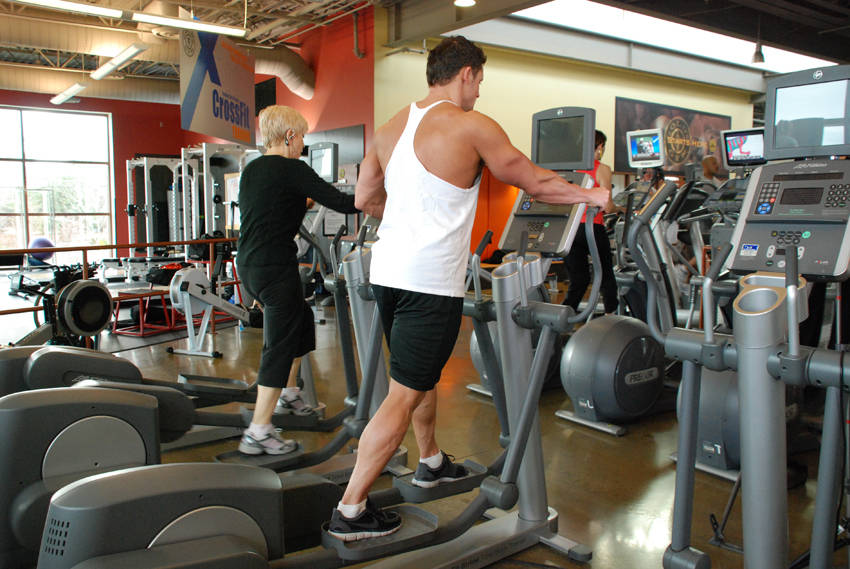
Elliptical Trainer
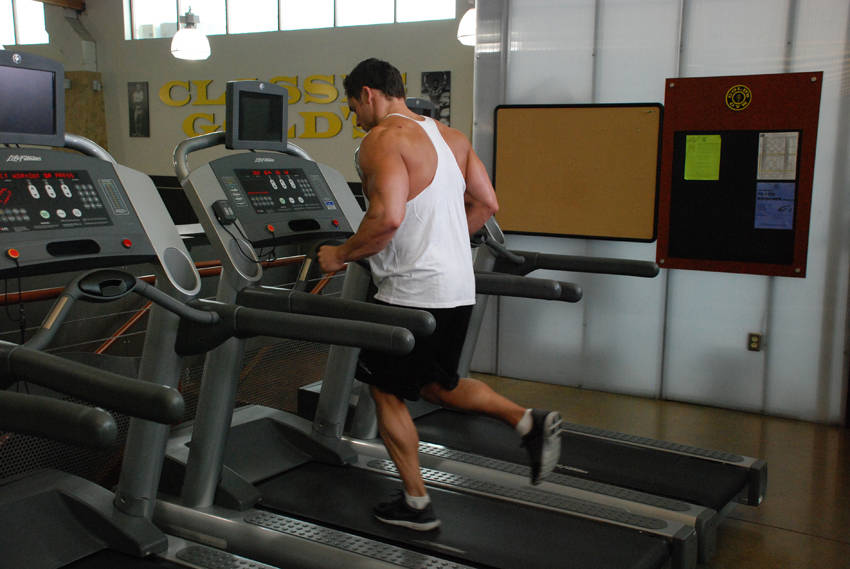
Jogging, Treadmill
Head-to-Head Comparison
| Attribute | Elliptical Trainer | Jogging, Treadmill |
|---|---|---|
| Target Muscle |
Quads
|
Quads
|
| Body Part |
Cardio
|
Cardio
|
| Equipment |
Machine
|
Machine
|
| Difficulty |
Beginner
|
Beginner
|
| Movement Type |
Compound
|
Compound
|
| Secondary Muscles |
3
|
2
|
Secondary Muscles Activated
Elliptical Trainer
Jogging, Treadmill
Visual Comparison
Overview
Elliptical Trainer vs Jogging, Treadmill — you’ve got two of the most common cardio tools for quad-focused conditioning. I’ll walk you through how each loads the quads, how secondary muscles like glutes and hamstrings behave, and the practical trade-offs in equipment, learning curve, and injury risk. You’ll get concrete technique cues (foot placement, cadence, incline/resistance targets), biomechanical reasons for different muscle activation patterns, and clear recommendations for beginners, hypertrophy-focused work, and home setups so you can pick the right option for your goals.
Key Differences
- Both exercises target the Quads using Machine. The main differences are in their movement patterns and muscle activation angles.
Pros & Cons
Elliptical Trainer
+ Pros
- Pro 1
- Pro 2
- Pro 3
- Pro 4
− Cons
- Con 1
- Con 2
- Con 3
Jogging, Treadmill
+ Pros
- Pro 1
- Pro 2
- Pro 3
- Pro 4
− Cons
- Con 1
- Con 2
- Con 3
When Each Exercise Wins
Treadmill running, especially with incline and interval sprinting, creates higher peak forces and eccentric loading that stimulate muscle remodeling. Use hill intervals (6–12 repeats of 20–60 seconds at 6–12% incline) or weighted vests to increase mechanical tension for quad growth.
Strength improvements in the lower body rely on high force production; treadmill sprints and steep-incline repeats produce greater ground reaction forces and eccentric stress than an elliptical. Combine short all-out intervals with recovery to prioritize force development.
The elliptical provides a guided, low-impact motion that reduces coordination demands and impact stress, so beginners can build cardiovascular fitness while maintaining safe joint mechanics. Start with 20–30 minute sessions at comfortable resistance and 60–75 RPM cadence.
At home, lower-impact, quieter operation and built-in handholds make the elliptical safer for multi-user households and those with joint issues. Compact models with adjustable resistance are ideal if impact and noise are concerns.
Frequently Asked Questions
Can I do both Elliptical Trainer and Jogging, Treadmill in the same workout?
Yes. Pair them strategically: use the elliptical for a 10–20 minute warm-up or steady-state block, then finish with 6–10 high-intensity treadmill intervals (20–60 seconds) to add mechanical stress. That sequencing preserves joint health while delivering peak forces for adaptation.
Which exercise is better for beginners?
Elliptical Trainer is better for most beginners because the guided motion lowers coordination demands and impact, letting you focus on cadence and posture. Start with 20–30 minutes at moderate resistance and build time before adding intensity.
How do the muscle activation patterns differ?
Treadmill jogging shows cyclical stance-swing activation with larger EMG peaks from quads and hamstrings due to eccentric braking and concentric push-off. Elliptical motion produces steadier, concentric-dominant activation with reduced eccentric stretches and lower peak torques, altering length-tension relationships.
Can Jogging, Treadmill replace Elliptical Trainer?
Yes for cardiovascular stimulus and progressive overload, but not for reducing joint impact. If you have joint issues, the elliptical is a better substitute. If your priority is high mechanical tension or bone loading, treadmill work is the superior replacement.
Expert Verdict
Use the elliptical when you want low-impact, steady concentric quad work and easier technique for beginners or joint-sensitive athletes. Its circular pedal path reduces eccentric transients and is ideal for longer steady-state sessions or recovery days. Choose treadmill jogging when you need higher peak forces, eccentric loading, and versatile progression (speed, incline, weighted vests) to drive muscle remodeling and bone loading. For most recreational trainees, alternate both: prioritize the elliptical for high-volume, low-impact conditioning and use treadmill intervals for targeted mechanical overload to maximize quad development and strength.
Also Compare
More comparisons with Elliptical Trainer
Compare More Exercises
Use our free comparison tool to analyze any two exercises head-to-head.
Compare Exercises