

Elliptical Trainer vs Rowing, Stationary: Complete Comparison Guide
Elliptical Trainer vs Rowing, Stationary — you’re comparing two machine-based cardio options that both target the quads but use different movement patterns. This guide helps you decide by breaking down primary and secondary muscle activation, biomechanics (force vectors, hip vs knee emphasis), equipment needs, learning curves, injury risk, and programming tips. You’ll get concrete technique cues (stride length, hip hinge, handle timing), numbers for session design (stroke rate, resistance settings, interval lengths), and clear recommendations based on whether your priority is muscle growth, strength, low impact conditioning, or home space.
Exercise Comparison
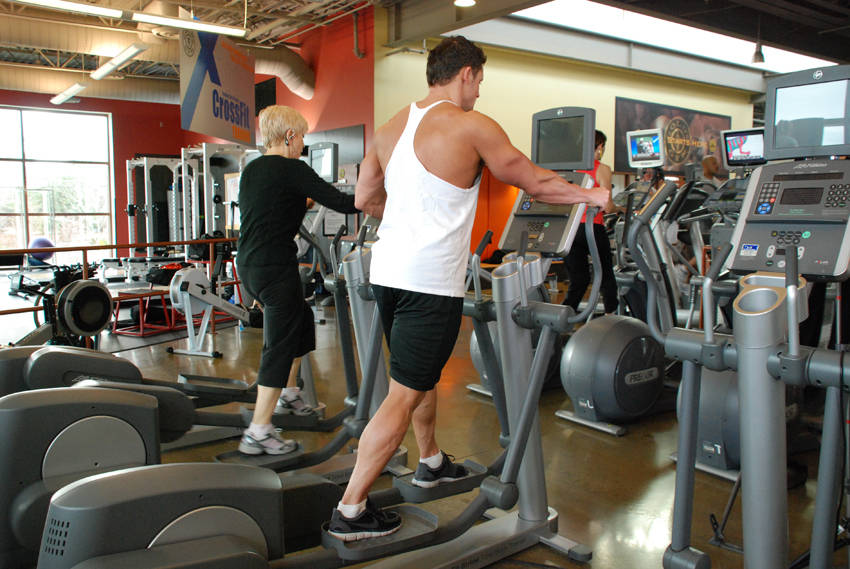
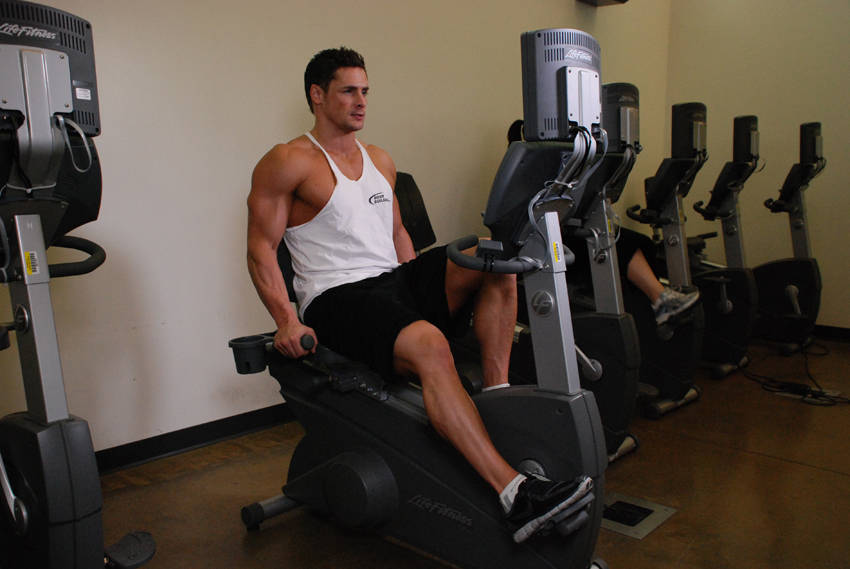
Elliptical Trainer
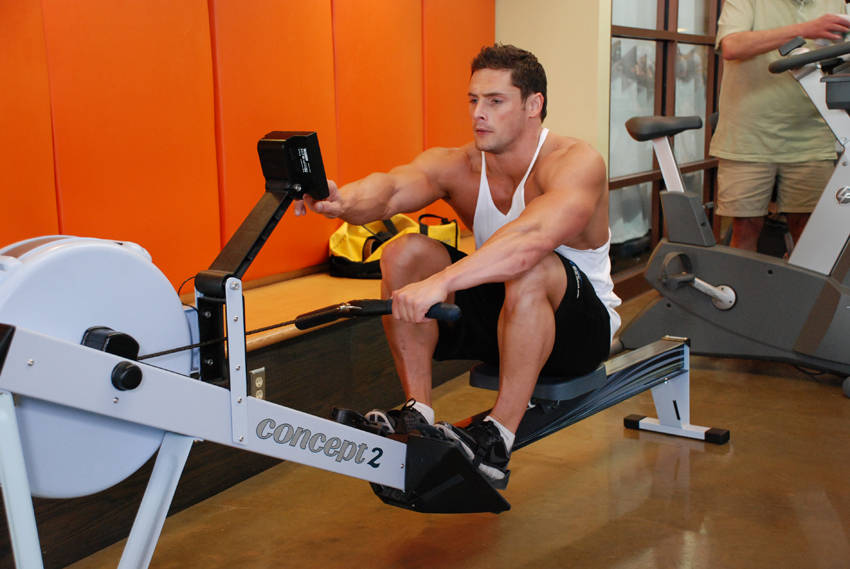
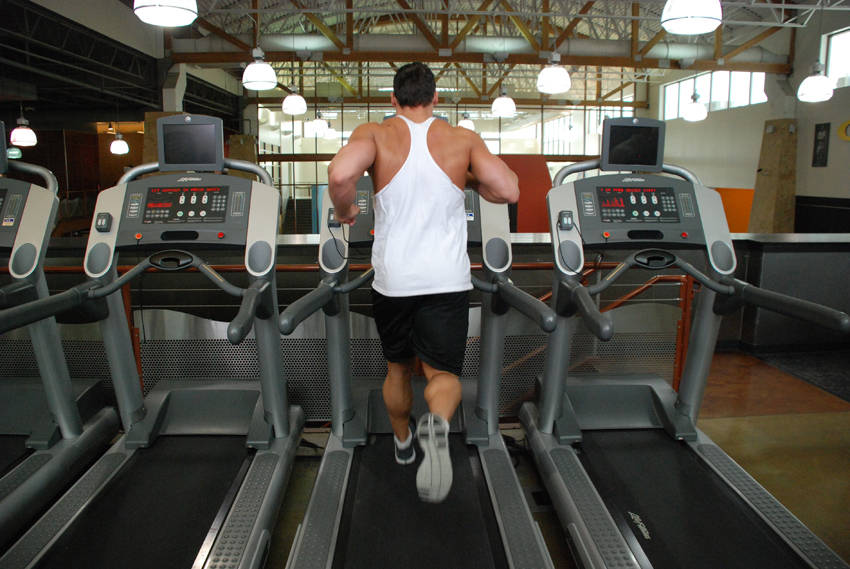
Rowing, Stationary
Head-to-Head Comparison
| Attribute | Elliptical Trainer | Rowing, Stationary |
|---|---|---|
| Target Muscle |
Quads
|
Quads
|
| Body Part |
Cardio
|
Cardio
|
| Equipment |
Machine
|
Machine
|
| Difficulty |
Beginner
|
Intermediate
|
| Movement Type |
Compound
|
Compound
|
| Secondary Muscles |
3
|
6
|
Secondary Muscles Activated
Elliptical Trainer
Rowing, Stationary
Visual Comparison
Overview
Elliptical Trainer vs Rowing, Stationary — you’re comparing two machine-based cardio options that both target the quads but use different movement patterns. This guide helps you decide by breaking down primary and secondary muscle activation, biomechanics (force vectors, hip vs knee emphasis), equipment needs, learning curves, injury risk, and programming tips. You’ll get concrete technique cues (stride length, hip hinge, handle timing), numbers for session design (stroke rate, resistance settings, interval lengths), and clear recommendations based on whether your priority is muscle growth, strength, low impact conditioning, or home space.
Key Differences
- Difficulty levels differ: Elliptical Trainer is beginner, while Rowing, Stationary is intermediate.
- Both exercises target the Quads using Machine. The main differences are in their movement patterns and muscle activation angles.
Pros & Cons
Elliptical Trainer
+ Pros
- Low-impact cardio that spares joints while loading quads and calves
- Very easy to learn—good for beginners and rehab
- Consistent concentric loading for steady-state work and intervals
- Adjustable stride/incline lets you bias quads or glutes
− Cons
- Limited upper‑body recruitment compared with rowing
- Less peak power output and fewer measurable performance metrics
- Machines can be bulky and expensive for home purchase
Rowing, Stationary
+ Pros
- Whole-body pull that recruits quads, glutes, hamstrings, and back
- High peak power potential—easy to track watts and split times
- Compact erg options for tighter home spaces
- Great carryover to posterior chain strength and rowing-specific endurance
− Cons
- Higher technical demand—poor form can overload the lower back
- More learning needed to produce efficient, repeatable power strokes
- Seat and rail require more horizontal space than some home cardio options
When Each Exercise Wins
Rowing activates a larger muscle mass per stroke—the legs initiate force and the hips and back finish it—creating a higher total metabolic and mechanical stimulus for muscle growth. Use 20–40 minute sessions with intervals (e.g., 6 x 3 minutes at high intensity with 2 minutes rest) and progressive resistance settings to drive hypertrophy.
Rowing allows higher peak power and force production through coordinated leg drives and hip extension, which recruits posterior chain muscles under higher loads. Train with short, intense intervals (10–20 strokes at high damper/force) and focus on forceful leg drives to overload the system.
Elliptical requires minimal technique, maintains an upright posture, and reduces impact, so beginners can produce steady cardiovascular work and muscular stimulus without risking lower‑back strain. Start with 20–30 minute steady sessions at moderate resistance and a cadence of 60–70 RPM.
A quality rowing erg often requires less permanent floor footprint (can be stored vertically) and offers robust metrics for progress, making it a practical, space‑efficient home tool. Choose an air or magnetic erg for variable resistance and compact storage.
Frequently Asked Questions
Can I do both Elliptical Trainer and Rowing, Stationary in the same workout?
Yes. Pairing them works well: start with a 10–15 minute rowing warm-up to engage posterior chain and drive power, then 15–20 minutes on the elliptical for sustained quad-dominant conditioning. Alternate intensities—e.g., 4 rounds of 3 minutes hard on the rower with 3 minutes steady elliptical recovery—to manage fatigue and distribute load.
Which exercise is better for beginners?
Elliptical Trainer is better for most beginners due to low technical demand and minimal impact. You can generate meaningful cardio and quad stimulus immediately while focusing on posture and cadence without learning a coordinated hip-hinge sequence.
How do the muscle activation patterns differ?
Elliptical produces continuous knee-and-hip cycles with steady concentric emphasis on quads and calves, keeping muscles near mid-range lengths. Rowing creates phased high-force outputs—leg drive followed by hip extension and arm pull—producing higher peak power and alternating length‑tension exposures across quads, hamstrings, and back.
Can Rowing, Stationary replace Elliptical Trainer?
For many goals, yes—rowing can replace the elliptical because it trains the legs and adds significant upper‑body and posterior chain work. However, if you need the lowest impact option or have difficulty with hip‑hinge mechanics, the elliptical remains the safer, easier choice.
Expert Verdict
Pick the elliptical if your priority is a low‑skill, low‑impact tool that reliably loads the quads and keeps joint stress low—ideal for beginners, rehab, or steady-state cardio. Choose the rowing erg when you want maximal whole‑body recruitment, higher peak power, and measurable progression in watts or split times; rowing is better for muscle growth and posterior chain strength when you can learn good technique. Programmatically, use the elliptical for steady intervals and incline work (16–22 in stride, 60–80 RPM) and the rower for power intervals and mixed-modal conditioning (stroke rates 24–32 SPM). Both tools have strong uses—match the machine to your technical capacity and training goal.
Also Compare
More comparisons with Elliptical Trainer
Compare More Exercises
Use our free comparison tool to analyze any two exercises head-to-head.
Compare Exercises