

Face Pull vs Reverse Flyes: Complete Comparison Guide
Face Pull vs Reverse Flyes — if you want stronger, fuller rear delts, you need to choose movements that match your goals and setup. I’ll walk you through how each exercise targets the posterior deltoid, how they load the scapular retractors, what equipment you need, typical rep ranges (8–12 for heavier work, 12–20 for metabolic/rehab sets), and clean technique cues. You’ll learn which exercise is better for hypertrophy, for strengthening the upper back, and for doing at home versus in the gym, plus practical progressions and injury-prevention tips.
Exercise Comparison
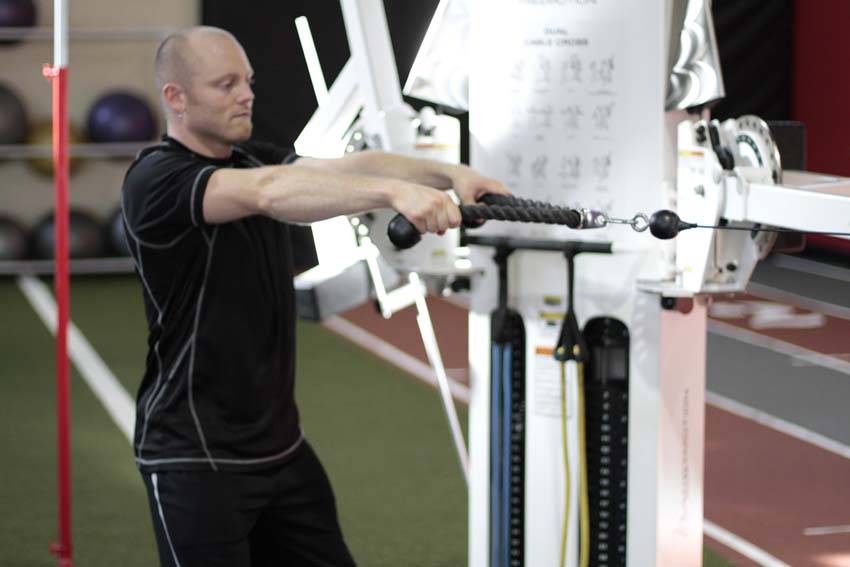
Face Pull
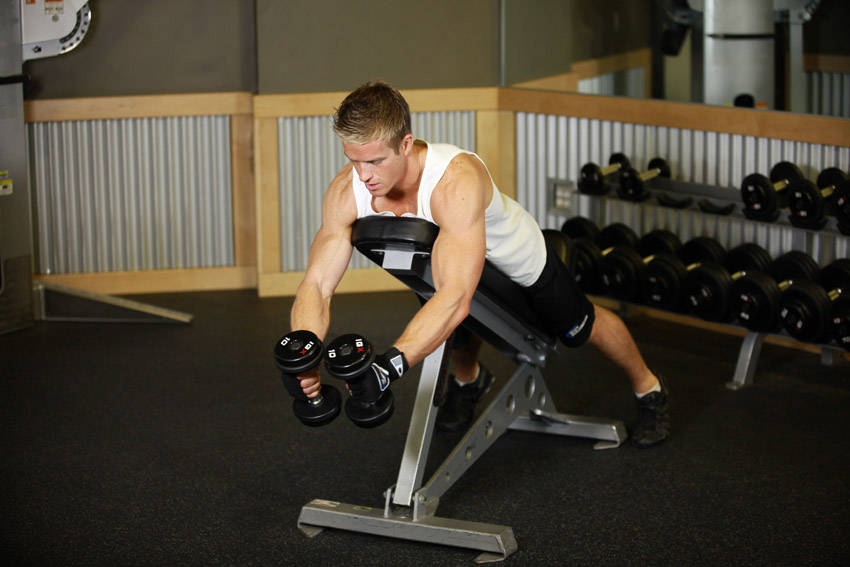
Reverse Flyes
Head-to-Head Comparison
| Attribute | Face Pull | Reverse Flyes |
|---|---|---|
| Target Muscle |
Delts
|
Delts
|
| Body Part |
Shoulders
|
Shoulders
|
| Equipment |
Cable
|
Dumbbell
|
| Difficulty |
Intermediate
|
Beginner
|
| Movement Type |
Compound
|
Isolation
|
| Secondary Muscles |
1
|
0
|
Secondary Muscles Activated
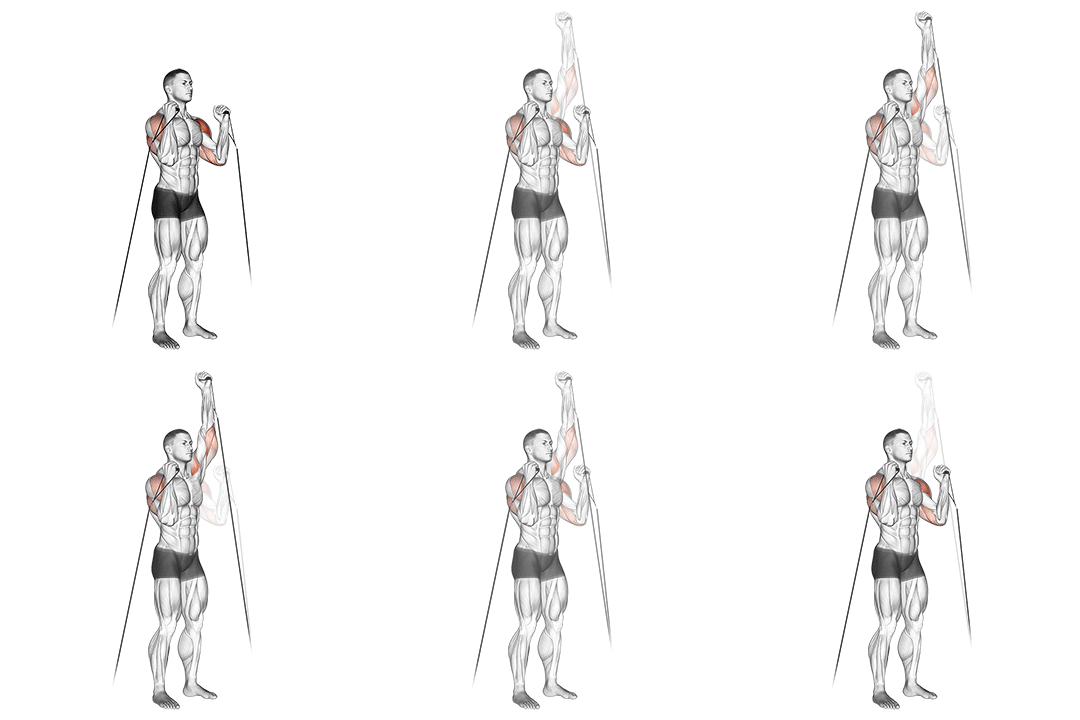
Face Pull
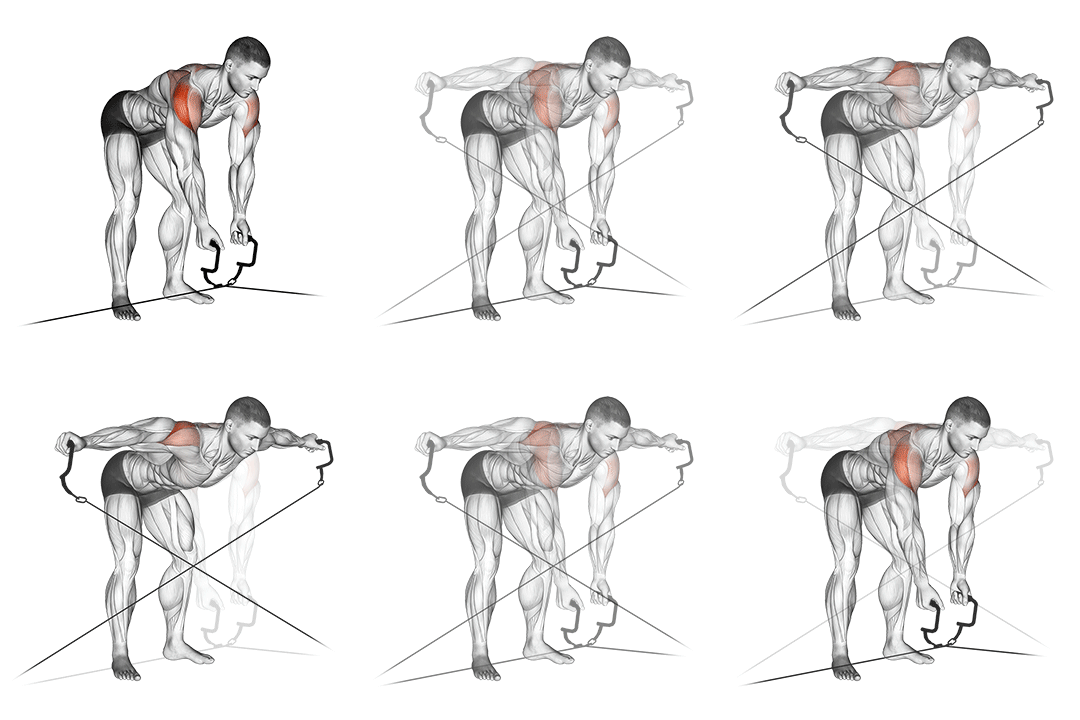
Reverse Flyes
Visual Comparison
Overview
Face Pull vs Reverse Flyes — if you want stronger, fuller rear delts, you need to choose movements that match your goals and setup. I’ll walk you through how each exercise targets the posterior deltoid, how they load the scapular retractors, what equipment you need, typical rep ranges (8–12 for heavier work, 12–20 for metabolic/rehab sets), and clean technique cues. You’ll learn which exercise is better for hypertrophy, for strengthening the upper back, and for doing at home versus in the gym, plus practical progressions and injury-prevention tips.
Key Differences
- Equipment differs: Face Pull uses Cable, while Reverse Flyes requires Dumbbell.
- Face Pull is a compound movement, while Reverse Flyes is an isolation exercise.
- Difficulty levels differ: Face Pull is intermediate, while Reverse Flyes is beginner.
Pros & Cons
Face Pull
+ Pros
- Develops posterior deltoid and external rotators together for shoulder health
- Strong recruitment of middle trapezius and rhomboids via scapular retraction
- Low impingement risk when performed with external rotation and elbow flare
- Multiple cable angle and tempo progressions for targeted training
− Cons
- Requires cable station or secure high anchor (less home-friendly)
- More technical — needs coordinated scapular and rotator cuff control
- Can be done poorly with neck tension or shrugging if cues are ignored
Reverse Flyes
+ Pros
- Simple to learn and perform with dumbbells or bands
- Very accessible for home workouts and minimal-equipment gyms
- Easily isolated for strict posterior deltoid work
- Chest-supported variations reduce low-back involvement and increase isolation
− Cons
- Places less emphasis on scapular retractors and external rotators
- Form breaks down quickly with too much load, reducing effectiveness
- Bent-over variations can stress the lower back without proper brace
When Each Exercise Wins
Face Pulls combine posterior deltoid loading with strong middle back recruitment, creating a larger overall stimulus. You can manipulate cable angle, tempo, and reps (8–15 for hypertrophy) to maintain tension through the full ROM.
Face Pulls train coordinated scapular and rotator cuff strength under load, improving force transfer across the shoulder complex. Use heavier sets in the 6–10 rep range and slower eccentrics to build functional strength.
Reverse Flyes are easier motor patterns: single-joint horizontal abduction with straightforward loading. Start with 12–20 reps, light weight, and progress by increasing load or switching to chest-supported variations to reinforce form.
Dumbbells or bands let you hit the posterior delts without a cable machine. Variations like lying or incline reverse flyes provide isolation while minimizing low-back demand.
Frequently Asked Questions
Can I do both Face Pull and Reverse Flyes in the same workout?
Yes — pairing them works well. Start with face pulls to reinforce scapular mechanics and external rotation, then follow with reverse flyes for additional posterior deltoid volume (2–3 sets of each, 8–15 reps for face pulls, 12–20 for flyes).
Which exercise is better for beginners?
Reverse Flyes are better for most beginners because the pattern is simpler and easier to load safely. Begin with light weights and chest-supported or seated variations before progressing to standing or single-leg stances.
How do the muscle activation patterns differ?
Face Pulls combine horizontal abduction with external rotation and scapular retraction, activating posterior deltoid plus rhomboids/traps. Reverse Flyes emphasize pure horizontal abduction of the humerus, isolating posterior deltoid with less scapular motor involvement.
Can Reverse Flyes replace Face Pull?
Not fully — reverse flyes isolate posterior delts but don’t train external rotation or scapular retractors as effectively. If your priority is shoulder health and balanced rotator cuff strength, keep face pulls in the program; use reverse flyes as supplemental volume.
Expert Verdict
Choose Face Pulls when your goal is both posterior deltoid development and stronger scapular mechanics — they build external rotation strength and mid-back control, reducing shoulder injury risk. Program face pulls for 8–15 reps, emphasize a controlled eccentric and end-range external rotation, and use them in pull or upper-body days. Pick Reverse Flyes when you need a simple, accessible posterior deltoid isolation movement for home training or early-stage technique work; aim 12–20 reps or use chest-supported versions to remove low-back stress. For balanced development, rotate both into phases: face pulls for joint health and compound recruitment, reverse flyes for targeted isolation and volume.
Also Compare
More comparisons with Face Pull
Compare More Exercises
Use our free comparison tool to analyze any two exercises head-to-head.
Compare Exercises