

Forward Drag With Press vs Heavy Bag Thrust: Complete Comparison Guide
Forward Drag With Press vs Heavy Bag Thrust puts two compound chest-focused moves head-to-head so you can choose the one that fits your goals. Here you get a practical breakdown of primary pectoral activation, secondary muscle involvement, equipment needs, technical cues, and programming tips. Youll learn how each move loads the chest through different force vectors and muscle length-tension relationships, when to use each for hypertrophy or power, and clear rep ranges and progressions to apply in your workouts.
Exercise Comparison
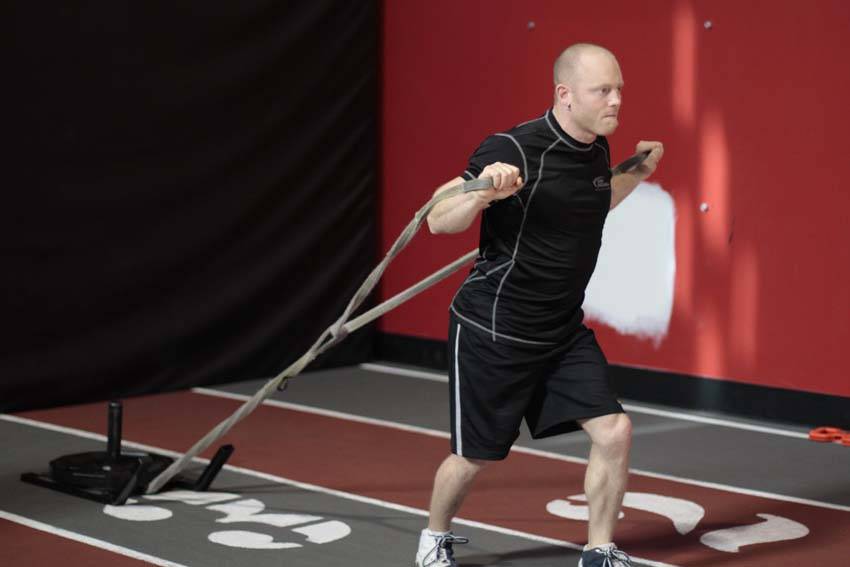
Forward Drag With Press
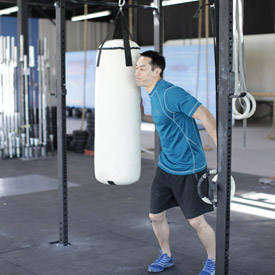
Heavy Bag Thrust
Head-to-Head Comparison
| Attribute | Forward Drag With Press | Heavy Bag Thrust |
|---|---|---|
| Target Muscle |
Pectorals
|
Pectorals
|
| Body Part |
Chest
|
Chest
|
| Equipment |
Other
|
Other
|
| Difficulty |
Intermediate
|
Intermediate
|
| Movement Type |
Compound
|
Compound
|
| Secondary Muscles |
6
|
3
|
Secondary Muscles Activated
Forward Drag With Press
Heavy Bag Thrust
Visual Comparison
Overview
Forward Drag With Press vs Heavy Bag Thrust puts two compound chest-focused moves head-to-head so you can choose the one that fits your goals. Here you get a practical breakdown of primary pectoral activation, secondary muscle involvement, equipment needs, technical cues, and programming tips. Youll learn how each move loads the chest through different force vectors and muscle length-tension relationships, when to use each for hypertrophy or power, and clear rep ranges and progressions to apply in your workouts.
Key Differences
- Both exercises target the Pectorals using Other. The main differences are in their movement patterns and muscle activation angles.
Pros & Cons
Forward Drag With Press
+ Pros
- Loads the pecs through a long eccentric and concentric ROM for greater time under tension
- Allows precise progressive overload via sled or added weight
- Engages posterior chain and lower body for full-body force transfer
- Versatile: adjust drag distance, press angle, and tempo to target different stimulus
− Cons
- Requires specialized equipment and space (sled/sandbag and flat surface)
- Higher technical demand—must coordinate hip drive and press to protect the back
- Greater risk of lower-back or knee strain if performed without tight bracing
Heavy Bag Thrust
+ Pros
- Easy to learn and provides immediate tactile feedback from the bag
- Commonly available in commercial gyms and has home-friendly freestanding options
- Strong core demand for stabilization and anti-rotation
- Great for training explosive horizontal force and power endurance
− Cons
- Less precise load increments for progressive overload
- Shorter pec ROM and less eccentric stretch compared with a drag-press
- Can stress the anterior shoulder and wrists with high-volume work
When Each Exercise Wins
Forward Drag With Press produces longer pec stretch and sustained tension through eccentric drag plus concentric press, which increases time under tension. Use 6–12 reps, 3–5 sets, and controlled 2–3 second eccentrics to maximize hypertrophy.
The ability to add precise load on a sled or sandbag and to leverage leg drive allows heavier absolute loads and progressive overload. Train 3–6 reps per set with heavy sled weight and focus on braced torso to build chest and full-body pressing strength.
Heavy Bag Thrust has a simpler single-phase movement and clear feedback from the bag, making motor learning faster and safer. Start with bodyweight drives or light bag resistance and build stability before adding load.
A freestanding heavy bag is easier to buy and set up at home than a sled and long drag surface, and it needs less dedicated floor space. If you have a sandbag and cleared hallway, Forward Drag With Press can work, but heavy bag is more practical for most homes.
Frequently Asked Questions
Can I do both Forward Drag With Press and Heavy Bag Thrust in the same workout?
Yes. Start with the heavier, more technical Forward Drag With Press to take advantage of fresh strength for heavy loads, then use Heavy Bag Thrust as a power or conditioning finisher. Keep total sets manageable—avoid going to failure on both moves to reduce shoulder and lower-back fatigue.
Which exercise is better for beginners?
Heavy Bag Thrust is better for beginners because it has a simpler movement pattern and immediate feedback from the bag. It builds core stability and horizontal pushing mechanics before layering in the coordination needed for Forward Drag With Press.
How do the muscle activation patterns differ?
Forward Drag With Press produces an eccentric-loaded pattern where the pecs experience stretch at longer muscle lengths followed by a press, engaging lower-body extensors to transfer force. Heavy Bag Thrust emphasizes a rapid concentric impulse with peak pec tension in the mid-range and increased anti-rotation demand from the abdominals.
Can Heavy Bag Thrust replace Forward Drag With Press?
Heavy Bag Thrust can substitute when you lack sleds or sandbags, and it effectively trains power and mid-range chest recruitment. However, it does not replace the long eccentric tension and precise progressive overload that Forward Drag With Press provides for hypertrophy and maximal chest loading.
Expert Verdict
Choose Forward Drag With Press when your priority is targeted pec development with progressive overload and you have access to a sled or heavy sandbag and enough space. It synergizes lower-body drive with chest work, making it ideal for strength and hypertrophy blocks—use 3–5 sets of 6–12 reps and controlled eccentrics. Pick Heavy Bag Thrust when you want a simple, accessible option to train explosive horizontal force, core stability, and endurance—aim for 4–8 sets of 3–8 explosive reps for power or 12–20 reps for conditioning. Use both across a program cycle: heavy bag for technique and power days, forward drag for heavy, tension-focused sessions.
Also Compare
More comparisons with Forward Drag With Press
Compare More Exercises
Use our free comparison tool to analyze any two exercises head-to-head.
Compare Exercises