

Hug Knees To Chest vs Superman: Complete Comparison Guide
Hug Knees To Chest vs Superman — you’re comparing two beginner, body-weight back isolation moves that look simple but serve different roles. I’ll walk you through how each targets the lower-back, which secondary muscles light up, what movement patterns they train, and which fits your goals: mobility, muscle growth, or basic posterior chain strength. You’ll get clear technique cues, rep ranges (for example 8–15 reps or 10–30 second holds), and practical progressions so you can pick the right exercise for your sessions and avoid common form-related issues.
Exercise Comparison
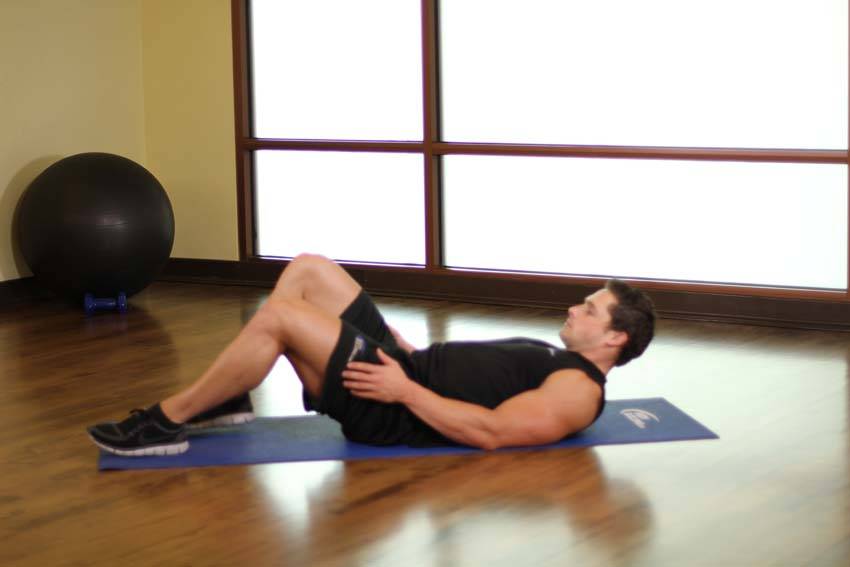
Hug Knees To Chest
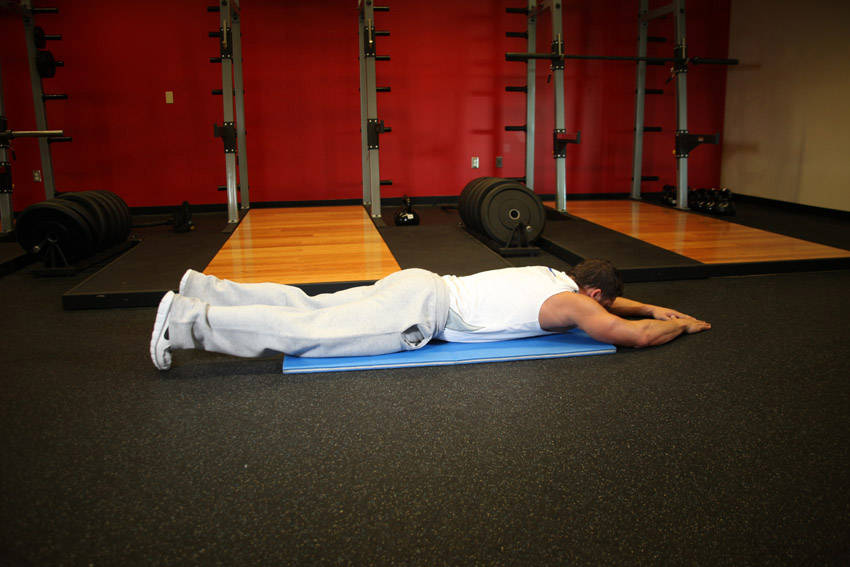
Superman
Head-to-Head Comparison
| Attribute | Hug Knees To Chest | Superman |
|---|---|---|
| Target Muscle |
Lower-back
|
Lower-back
|
| Body Part |
Back
|
Back
|
| Equipment |
Body-weight
|
Body-weight
|
| Difficulty |
Beginner
|
Beginner
|
| Movement Type |
Isolation
|
Isolation
|
| Secondary Muscles |
1
|
2
|
Secondary Muscles Activated
Hug Knees To Chest
Superman
Visual Comparison
Overview
Hug Knees To Chest vs Superman — you’re comparing two beginner, body-weight back isolation moves that look simple but serve different roles. I’ll walk you through how each targets the lower-back, which secondary muscles light up, what movement patterns they train, and which fits your goals: mobility, muscle growth, or basic posterior chain strength. You’ll get clear technique cues, rep ranges (for example 8–15 reps or 10–30 second holds), and practical progressions so you can pick the right exercise for your sessions and avoid common form-related issues.
Key Differences
- Both exercises target the Lower-back using Body-weight. The main differences are in their movement patterns and muscle activation angles.
Pros & Cons
Hug Knees To Chest
+ Pros
- Low impact and beginner-friendly; minimal coordination required
- Excellent for lumbar mobility and posterior chain stretching
- Accessible anywhere with a mat or soft surface
- Low risk of overextension; suitable during early rehab or warm-ups
− Cons
- Limited ability to build strong lumbar extensor strength
- Smaller progression options for overload
- Less activation of hamstrings and glutes compared with extension movements
Superman
+ Pros
- Stronger activation of lumbar extensors, glutes, and hamstrings
- Clear progression options (holds, pulses, added load, tempo)
- Trains spinal extension control and posterior chain coordination
- Effective for improving back endurance and posture when performed correctly
− Cons
- Higher risk of lumbar hyperextension and neck strain if done poorly
- Requires more prone stability and coordination
- May aggravate acute lower-back pain if performed with poor technique
When Each Exercise Wins
Superman produces higher erector spinae and glute activation and allows progressive overload (longer holds, added weight). Use 8–15 slow reps or 3×10–20 second holds to stimulate muscle growth through increased time under tension.
The extension force vector and longer muscular lever arms in Superman create greater eccentric and concentric demand on lumbar extensors and glutes, making it superior for developing posterior chain strength when progressed safely.
Hug Knees To Chest is simpler to teach, places low torque on the spine, and helps you learn pelvic control and core breathing before advancing to loaded extension patterns.
Both require no equipment, but the knee-hug is easier on floors, needs less prone space and stability, and is safer for people training alone without coaching or additional equipment.
Frequently Asked Questions
Can I do both Hug Knees To Chest and Superman in the same workout?
Yes. Use Hug Knees To Chest as an initial mobility or warm-up drill (10–15 reps or 20–30 second gentle holds) and follow with Superman sets to load the lumbar extensors. Sequence mobility before loaded extension to improve range and reduce compensations.
Which exercise is better for beginners?
Hug Knees To Chest is better for beginners because it requires less coordination and imposes low spinal torque, allowing you to learn pelvic control and breathing before advancing to extension-based Supermans.
How do the muscle activation patterns differ?
Superman emphasizes concentric spinal and hip extension, driving higher erector spinae, glute, and hamstring activation. Hug Knees To Chest induces lumbar flexion and posterior pelvic tilt, reducing erector load and acting more as a mobility/isolative stretch with light glute engagement.
Can Superman replace Hug Knees To Chest?
Not entirely. If your goal is posterior-chain strength, Superman can replace knee-hugs for loading. If you need lumbar mobility, pelvic control, or low-load rehab, Hug Knees To Chest remains the better choice.
Expert Verdict
Use Hug Knees To Chest when your priority is low-load mobility, teaching pelvic control, or training around recent back sensitivity — aim for 10–20 slow reps or 20–30 second holds focusing on breath and posterior pelvic tilt. Choose Superman when you want to build lower-back and posterior chain strength and muscle growth: perform 3–4 sets of 8–15 reps or 3×15–30 second holds, progress with tempo, pulses, or light ankle/wrist weights, and keep the neck neutral. Pair both in a program: start with knee-hugs to prime mobility, then add Supermans to load the extensors once technique is solid.
Also Compare
More comparisons with Hug Knees To Chest
Compare More Exercises
Use our free comparison tool to analyze any two exercises head-to-head.
Compare Exercises