

Hyperextensions (Back Extensions) vs Keg Load: Complete Comparison Guide
Hyperextensions (Back Extensions) vs Keg Load — two heavy-duty moves that stress your lower back in very different ways. You’ll get a clear breakdown of which exercise targets the lumbar erectors more directly, how secondary muscles like glutes and hamstrings are recruited, and what each movement demands in equipment, skill, and risk. I’ll cover technique cues you can use on set one, relevant biomechanics (hip hinge, length‑tension, force vectors), rep ranges, and scenario-based recommendations so you can choose the right tool for your goals.
Exercise Comparison
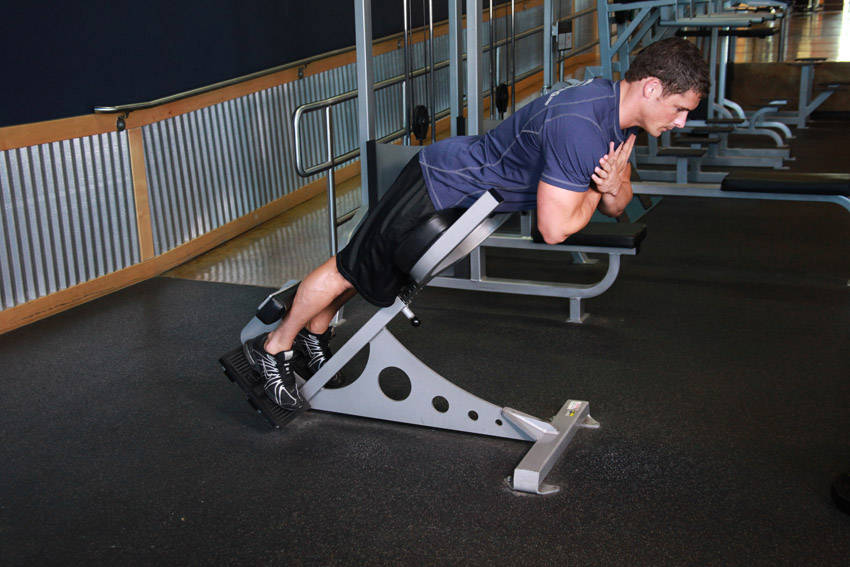
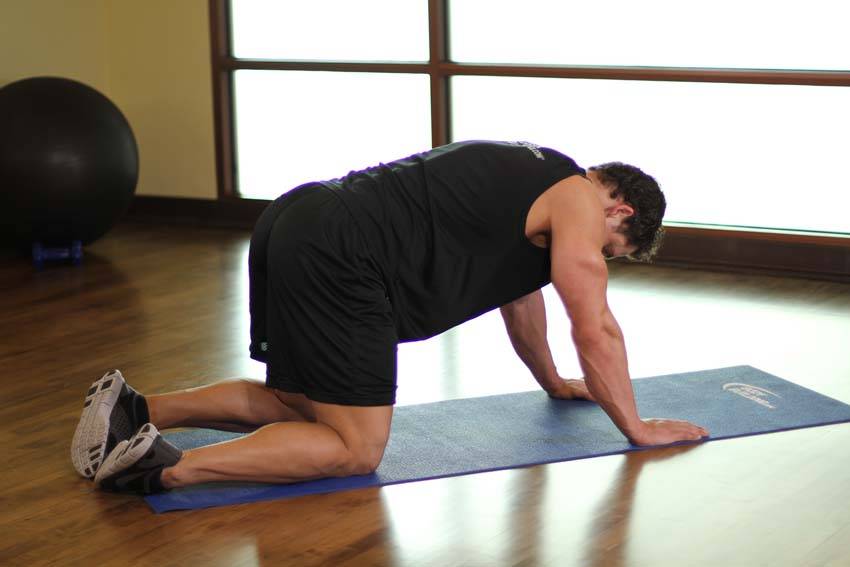
Hyperextensions (back Extensions)
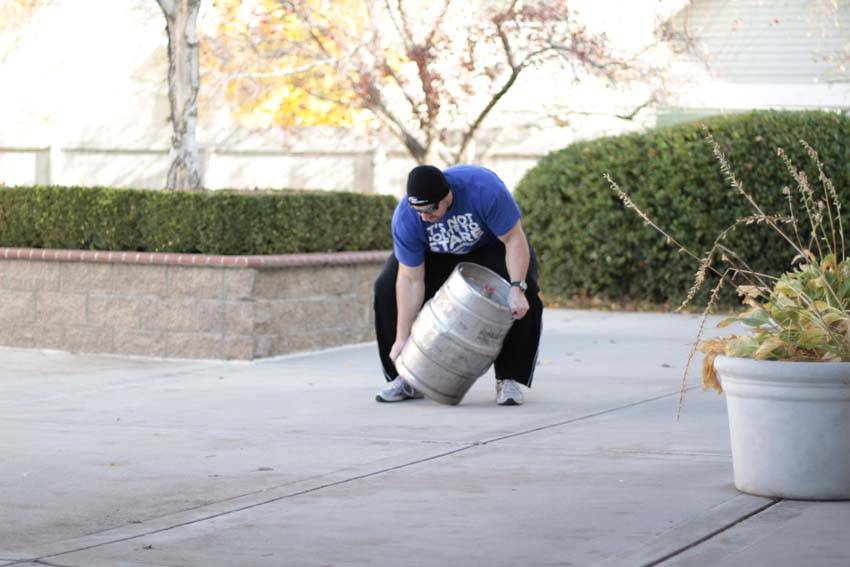
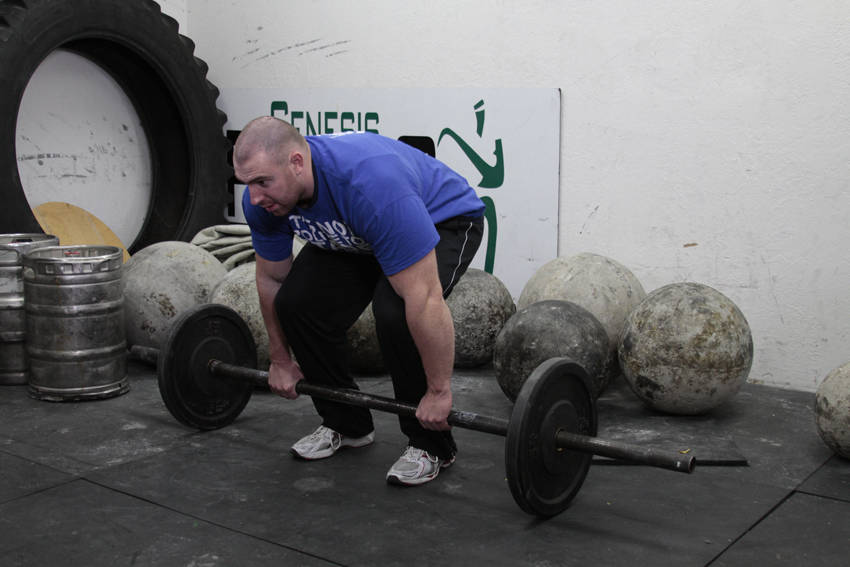
Keg Load
Head-to-Head Comparison
| Attribute | Hyperextensions (back Extensions) | Keg Load |
|---|---|---|
| Target Muscle |
Lower-back
|
Lower-back
|
| Body Part |
Back
|
Back
|
| Equipment |
Other
|
Other
|
| Difficulty |
Intermediate
|
Advanced
|
| Movement Type |
Compound
|
Compound
|
| Secondary Muscles |
2
|
10
|
Secondary Muscles Activated
Hyperextensions (back Extensions)
Keg Load
Visual Comparison
Overview
Hyperextensions (Back Extensions) vs Keg Load — two heavy-duty moves that stress your lower back in very different ways. You’ll get a clear breakdown of which exercise targets the lumbar erectors more directly, how secondary muscles like glutes and hamstrings are recruited, and what each movement demands in equipment, skill, and risk. I’ll cover technique cues you can use on set one, relevant biomechanics (hip hinge, length‑tension, force vectors), rep ranges, and scenario-based recommendations so you can choose the right tool for your goals.
Key Differences
- Difficulty levels differ: Hyperextensions (back Extensions) is intermediate, while Keg Load is advanced.
- Both exercises target the Lower-back using Other. The main differences are in their movement patterns and muscle activation angles.
Pros & Cons
Hyperextensions (back Extensions)
+ Pros
- Direct lumbar erector isolation for targeted lower‑back work
- Low equipment barrier — Roman chair or decline bench is enough
- Easy to control tempo (2 s concentric / 2 s eccentric) to increase time‑under‑tension
- Simple progression via added plates or higher rep ranges (8–20 reps)
− Cons
- Limited carryover to full‑body or anti‑flexion strength
- Risk of lumbar hyperextension if you push ROM past neutral
- Less challenge to grip and upper‑body stabilizers compared with odd‑object loading
Keg Load
+ Pros
- Massively transferable to real‑world axial loading and sport (strongman carry/shoulder patterns)
- Engages core, traps, shoulders, grip and lower body for full‑body strength
- High potential for progressive overload with heavier, awkward loads
- Builds anti‑flexion and rotational stability under load
− Cons
- Requires specialized equipment (keg or equivalent) and more space
- Steeper technical and strength demands — not beginner friendly
- Higher absolute injury risk if you lose core tension or use poor pickup mechanics
When Each Exercise Wins
Hyperextensions allow targeted lumbar erector overload with controlled tempo and high time‑under‑tension (8–15 reps, 2–3 sets) which favors muscle growth. You can isolate the posterior chain and manipulate angles and pauses to maximize length‑tension across the erectors and glutes.
Keg Load permits heavier absolute loading and full‑body recruitment, improving spinal loading tolerance and functional strength. The irregular load forces co‑contraction of core, traps, and legs — ideal for building maximal force transfer under axial compression.
Hyperextensions have a gentler learning curve and let you practice hip hinging and lumbar control in a controlled plane (45° bench to neutral). Start with bodyweight or light plates and 8–15 reps while maintaining neutral spine.
A stability ball or decline bench can substitute for a Roman chair, making hyperextensions far more doable at home. Keg Load typically needs a heavy, awkward implement and safe space, which many home setups lack.
Frequently Asked Questions
Can I do both Hyperextensions (Back Extensions) and Keg Load in the same workout?
Yes. Do hyperextensions as an accessory (8–15 reps, 2–3 sets) to pre‑exhaust or finish the lower back, and use keg loading earlier for heavy work or carries (3–6 reps or 20–60 s carries). Prioritize the more technical/heavier lift first and manage fatigue to protect technique.
Which exercise is better for beginners?
Hyperextensions are better for beginners because they teach hip hinge and controlled lumbar extension with lower technical demand. Start bodyweight, focus on a neutral spine and tempo, and progress load only after you can maintain form for 8–15 reps.
How do the muscle activation patterns differ?
Hyperextensions produce concentrated concentric/eccentric activation of the erector spinae and posterior chain through a known ROM, optimizing length‑tension. Keg Load creates intermittent peak erector activity plus sustained isometric contraction for anti‑flexion, while adding substantial upper‑body and core co‑contraction due to the anterior/offset force vector.
Can Keg Load replace Hyperextensions (Back Extensions)?
Keg Load can replace hyperextensions for building overall spinal strength and resilience, but it won’t match the isolation or controlled time‑under‑tension hyperextensions provide for lumbar hypertrophy. If your goal is targeted lower‑back size or rehab progression, keep hyperextensions in the program.
Expert Verdict
Use hyperextensions when your goal is targeted lower‑back hypertrophy, rehabilitation‑minded strengthening, or when you need an accessible, low‑tech posterior chain movement. They let you control ROM (roughly 30–45° trunk rotation, avoid >10° hyperextension past neutral), tempo, and rep ranges (8–20) to manage load and recovery. Choose Keg Load when you need to build whole‑body strength, load carriage tolerance, and real‑world anti‑flexion capacity — expect lower rep sets (3–6 heavy lifts) or 20–60 second carries. Be decisive: prioritize hyperextensions for isolated development and beginners, pick keg loading for maximal strength, task specificity, and sport‑style training — but only after nailing core bracing and safe pickup mechanics.
Also Compare
More comparisons with Hyperextensions (back Extensions)
Compare More Exercises
Use our free comparison tool to analyze any two exercises head-to-head.
Compare Exercises