

Incline Bench Pull vs T-Bar Row With Handle: Complete Comparison Guide
Incline Bench Pull vs T-Bar Row With Handle is a head-to-head look at two staple compound back lifts. You’ll get clear guidance on which exercise loads the middle-back more, how each shifts force vectors and joint angles, and which suits your goals—hypertrophy, strength, or convenience. I’ll cover muscle activation, exact technique cues (bench angle, torso position, handle choice), progression strategies (rep ranges and loading), and injury risks so you can pick the better option for your training plan and execute it safely.
Exercise Comparison
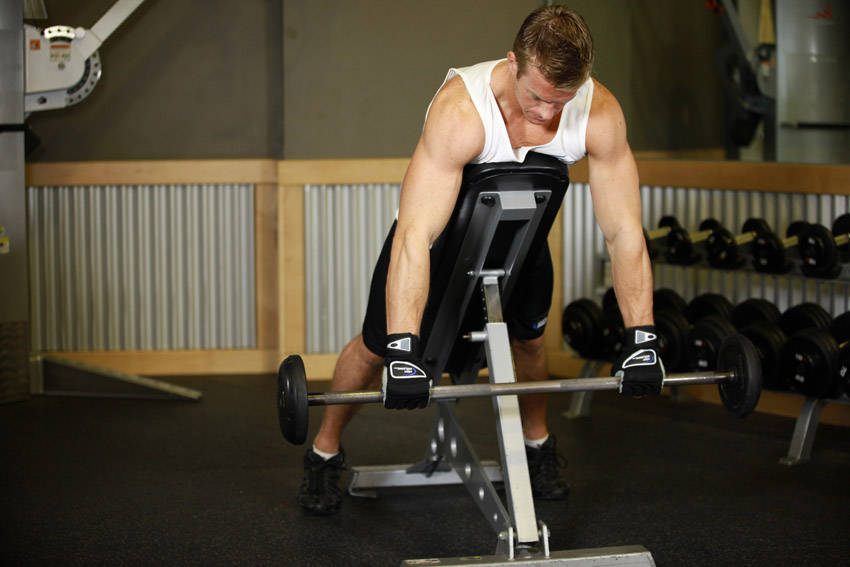
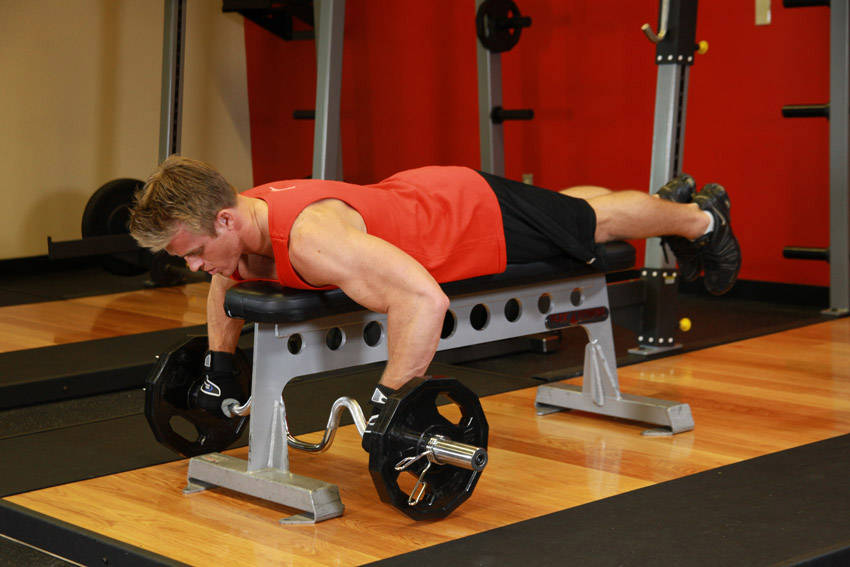
Incline Bench Pull

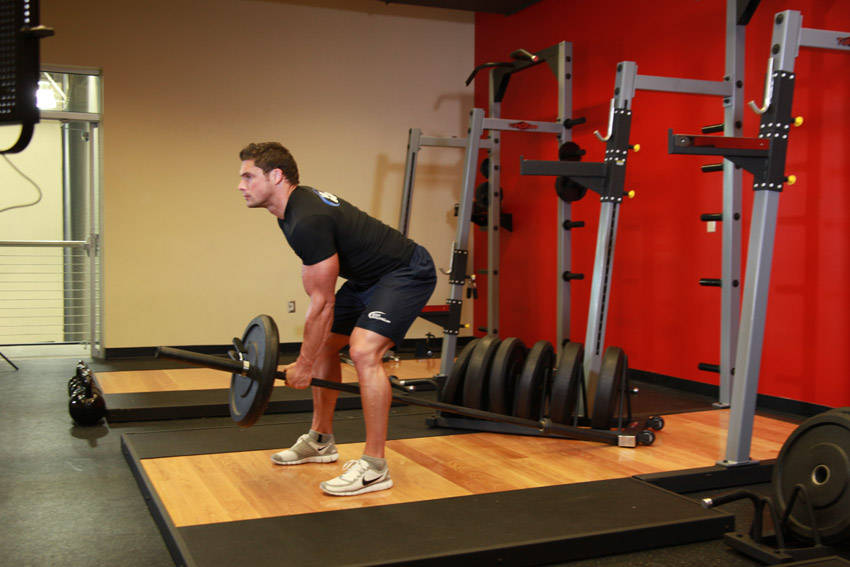
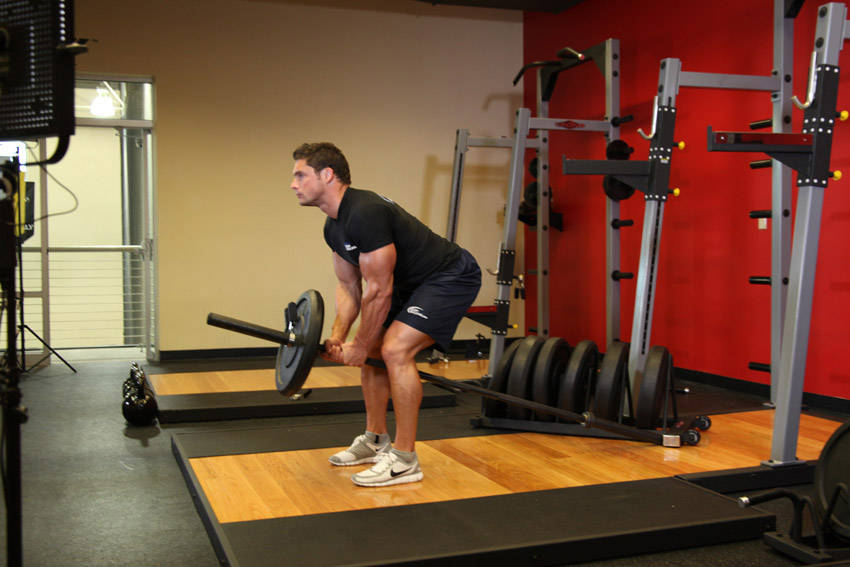
T-bar Row With Handle
Head-to-Head Comparison
| Attribute | Incline Bench Pull | T-bar Row With Handle |
|---|---|---|
| Target Muscle |
Middle-back
|
Middle-back
|
| Body Part |
Back
|
Back
|
| Equipment |
Barbell
|
Barbell
|
| Difficulty |
Intermediate
|
Intermediate
|
| Movement Type |
Compound
|
Compound
|
| Secondary Muscles |
2
|
2
|
Secondary Muscles Activated
Incline Bench Pull
T-bar Row With Handle
Visual Comparison
Overview
Incline Bench Pull vs T-Bar Row With Handle is a head-to-head look at two staple compound back lifts. You’ll get clear guidance on which exercise loads the middle-back more, how each shifts force vectors and joint angles, and which suits your goals—hypertrophy, strength, or convenience. I’ll cover muscle activation, exact technique cues (bench angle, torso position, handle choice), progression strategies (rep ranges and loading), and injury risks so you can pick the better option for your training plan and execute it safely.
Key Differences
- Both exercises target the Middle-back using Barbell. The main differences are in their movement patterns and muscle activation angles.
Pros & Cons
Incline Bench Pull
+ Pros
- High mid-back isolation through controlled scapular retraction
- Bench support reduces lumbar loading and momentum
- Better for strict tempo and time-under-tension hypertrophy (8–12 reps)
- Easy to cue: chest on bench, retract scapula, pull to lower ribs
− Cons
- Requires an adjustable bench positioned under a barbell
- Less biceps involvement for developing elbow flexion strength
- Can reduce carryover to standing compound pulls due to fixed torso
T-bar Row With Handle
+ Pros
- Allows heavier loading and natural progression for strength
- Greater biceps and lat recruitment for thicker pull pattern
- Versatile handle options (wide, close, single-arm) for variation
- Minimal equipment if you have a landmine setup
− Cons
- Greater demand on lower-back and hip hinge stability
- Technique errors can shift load away from mid-back to traps or low-back
- Requires careful bracing to avoid lumbar rounding under load
When Each Exercise Wins
Incline bench pulls let you keep constant mid-back tension with less spinal loading, making it easier to use strict 8–12 rep sets and tempos that maximize time under tension for rhomboids and mid-traps.
T-bar rows allow heavier absolute loads and stronger neural drive through standing hip-braced positions, which makes them better for low-rep strength work (4–6 reps) and progressive overload.
The bench stabilizes the torso and simplifies scapular control, so beginners can learn retraction and the horizontal pull pattern without managing a heavy hip hinge and lower-back stress.
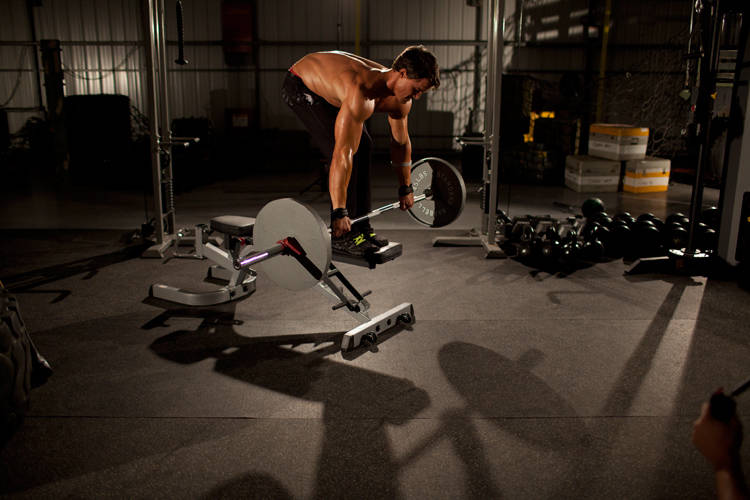
A landmine or corner-loaded barbell plus a single handle recreates the T-bar setup with minimal gear, whereas the incline bench pull needs an adjustable bench positioned under a barbell setup that's less common at home.
Frequently Asked Questions
Can I do both Incline Bench Pull and T-Bar Row With Handle in the same workout?
Yes — pair them by priority: do the exercise matching your primary goal first (e.g., heavy T-bar rows for strength), then follow with incline bench pulls for strict hypertrophy work and extra mid-back volume. Keep total volume sensible (12–20 working sets for the back) and manage fatigue.
Which exercise is better for beginners?
Incline bench pull is generally better for beginners because the bench stabilizes the torso and helps teach scapular retraction and horizontal pulling mechanics with less risk to the lower back. Start with light loads, 3 sets of 8–12 reps, and focus on form.
How do the muscle activation patterns differ?
Incline bench pulls emphasize mid-trap and rhomboid concentric range with more constant tension and a horizontal force vector, while T-bar rows add a vertical component that recruits lats and biceps later in the pull and requires stronger hip-braced torque and elbow flexion force.
Can T-Bar Row With Handle replace Incline Bench Pull?
T-bar rows can replace incline pulls when you need heavier loading and greater lat or biceps stimulus, but they won't match the bench-supported mid-back isolation and reduced lumbar stress. Use replacement based on whether you prioritize heavy load or strict mid-back tension.
Expert Verdict
Use incline bench pulls when your priority is strict mid-back hypertrophy, scapular control, and minimizing lumbar load—program 3–4 sets of 8–12 reps with a 30–45° bench and a controlled 2–1–2 tempo. Choose T-bar rows when you want heavier loading, greater biceps and lat involvement, and standing compound transfer to deadlift-style positions—program 4–6 sets in 4–8 reps for strength or 8–12 for mass with a forward torso of 20–45°. Both lifts complement each other: rotate them across training cycles to exploit different force vectors and movement patterns for balanced mid-back development.
Also Compare
More comparisons with Incline Bench Pull
More comparisons with T-bar Row With Handle
Compare More Exercises
Use our free comparison tool to analyze any two exercises head-to-head.
Compare Exercises