

Jack Burpee vs Jump Rope: Complete Comparison Guide
Jack Burpee vs Jump Rope — if you want efficient cardio, you’re comparing two high-output, compound movements that also tax different muscle chains. I’ll break down muscle activation, equipment needs, learning curves, injury risks, and practical programming so you can pick the right tool for your training block. Expect clear cues for each move, biomechanics-based reasoning (think joint angles, force vectors, and length-tension), and usable templates — like rep ranges and interval ideas — that you can apply the next time you train.
Exercise Comparison
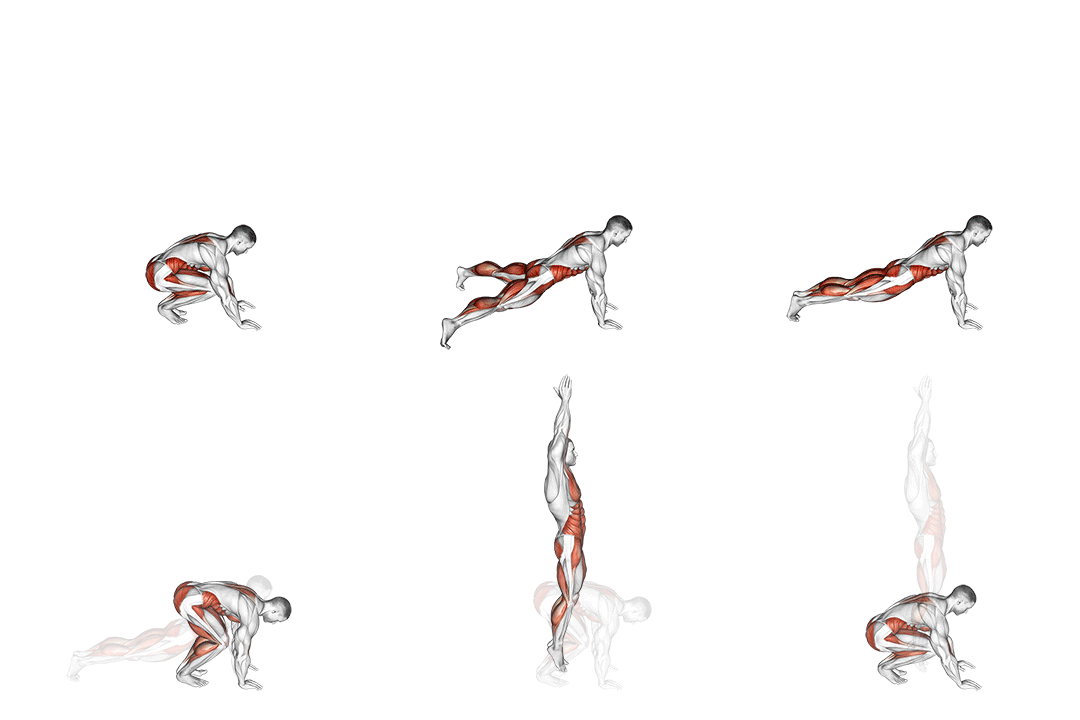
Jack Burpee
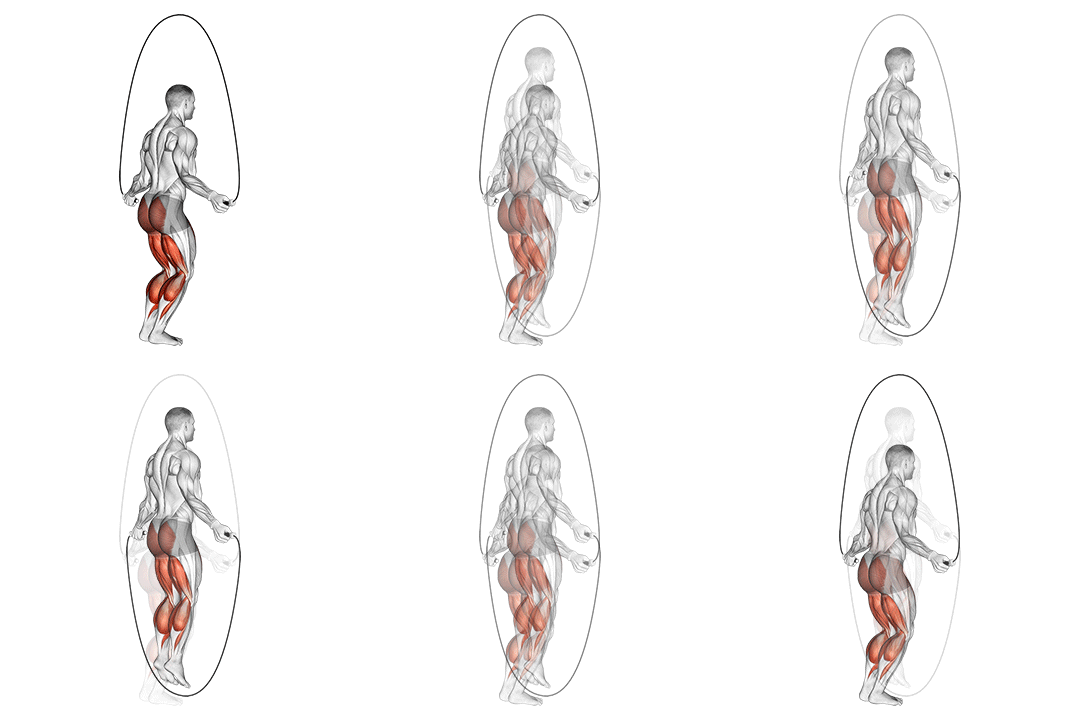
Jump Rope
Head-to-Head Comparison
| Attribute | Jack Burpee | Jump Rope |
|---|---|---|
| Target Muscle |
Cardiovascular
|
Cardiovascular
|
| Body Part |
Cardio
|
Cardio
|
| Equipment |
Body-weight
|
Rope
|
| Difficulty |
Intermediate
|
Intermediate
|
| Movement Type |
Compound
|
Compound
|
| Secondary Muscles |
6
|
4
|
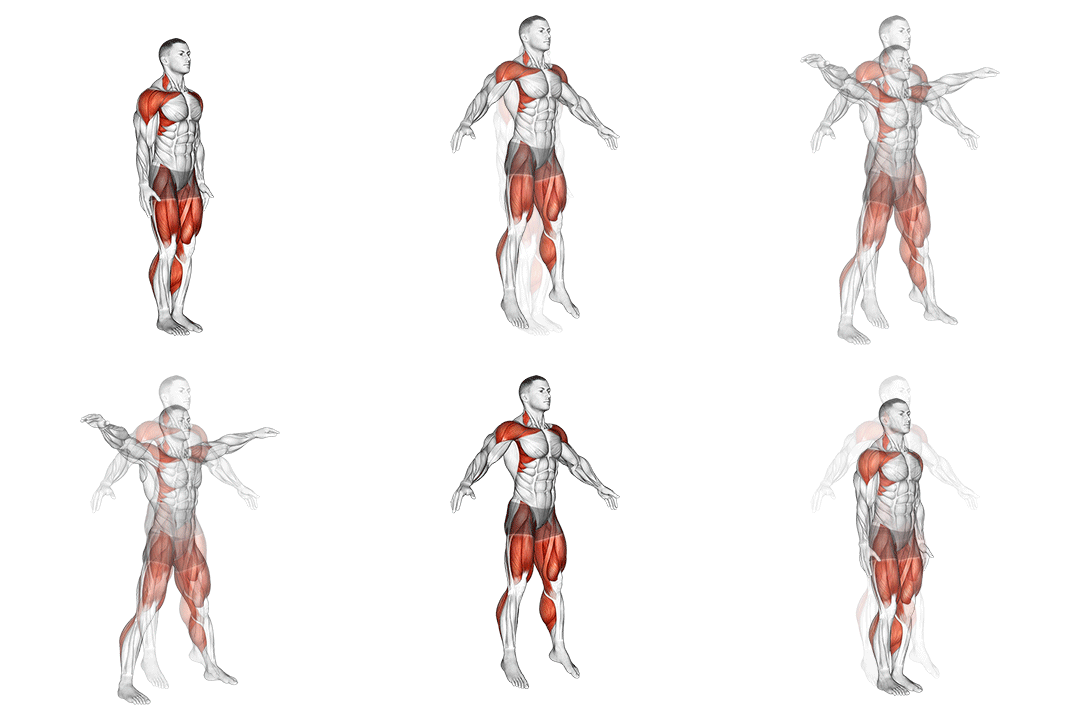
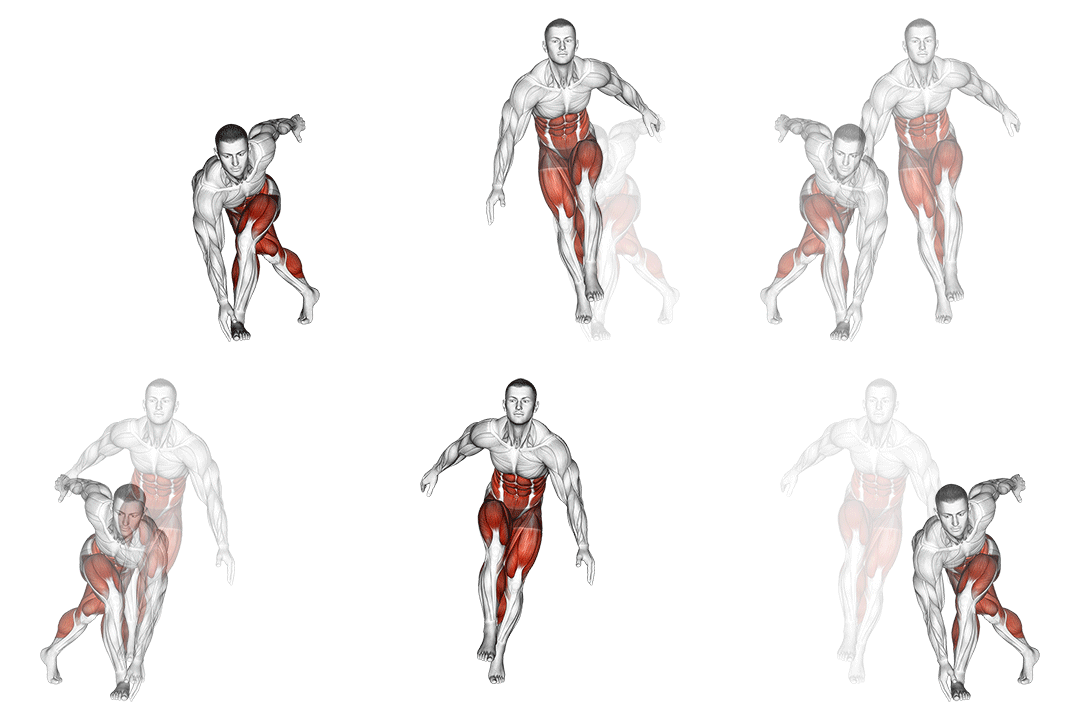
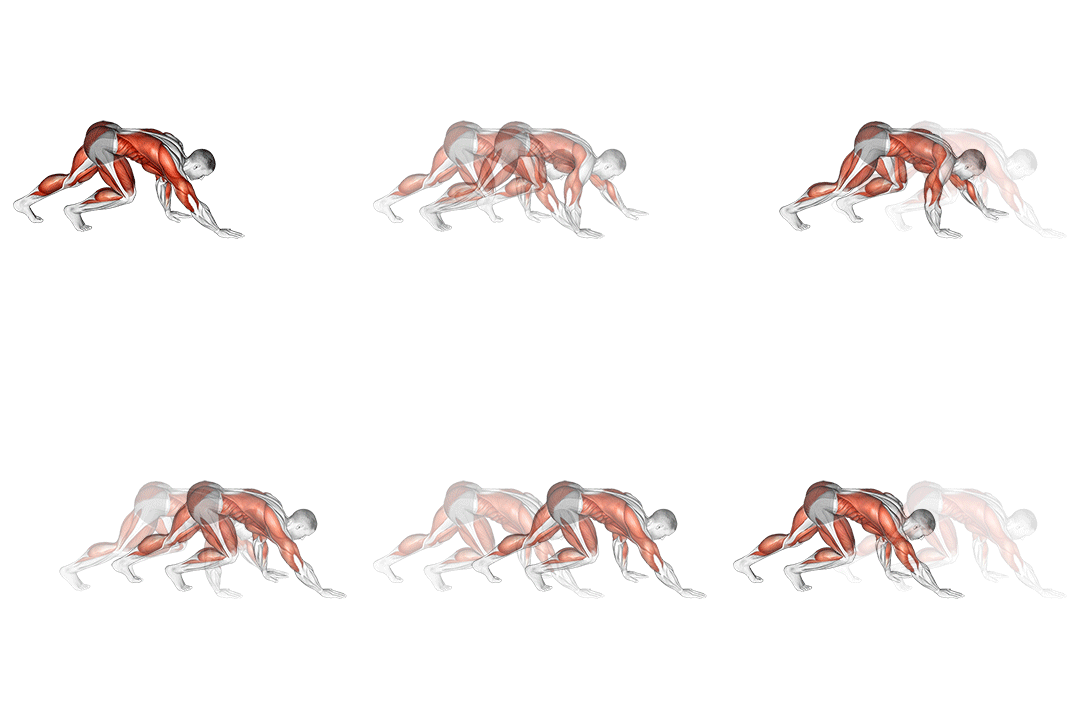
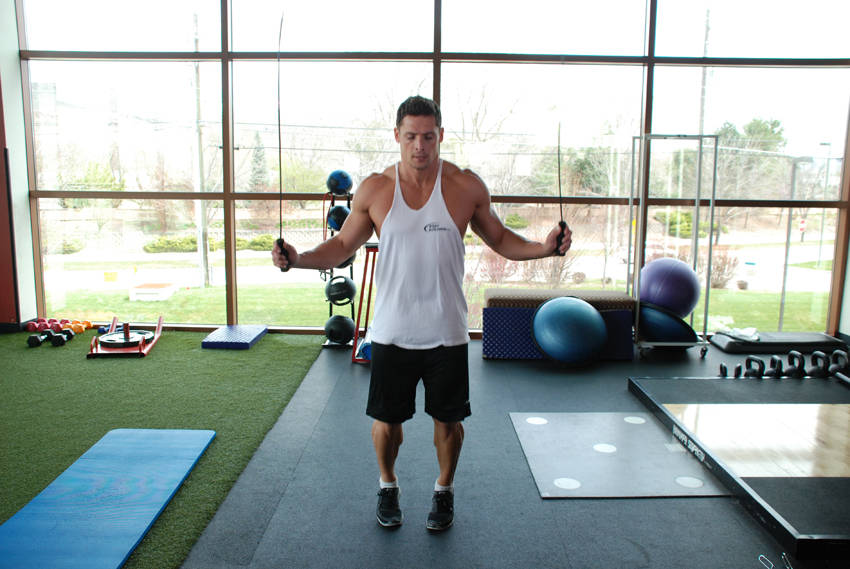
Secondary Muscles Activated
Jack Burpee
Jump Rope
Visual Comparison
Overview
Jack Burpee vs Jump Rope — if you want efficient cardio, you’re comparing two high-output, compound movements that also tax different muscle chains. I’ll break down muscle activation, equipment needs, learning curves, injury risks, and practical programming so you can pick the right tool for your training block. Expect clear cues for each move, biomechanics-based reasoning (think joint angles, force vectors, and length-tension), and usable templates — like rep ranges and interval ideas — that you can apply the next time you train.
Key Differences
- Equipment differs: Jack Burpee uses Body-weight, while Jump Rope requires Rope.
Pros & Cons
Jack Burpee
+ Pros
- Full-body compound pattern that recruits upper and lower body together
- No equipment needed — highly accessible
- Easy to scale intensity with reps, speed, or added weight
- Produces high metabolic demand for conditioning and calorie burn
− Cons
- Higher technical demand for safe push-up and landing mechanics
- Can be fatiguing quickly — form breaks under long sets
- Less ideal for single-joint hypertrophy compared to weighted lifts
Jump Rope
+ Pros
- Excellent for steady-state and high-intensity interval conditioning
- Develops ankle stiffness and efficient stretch-shortening cycle
- Low setup time and small equipment footprint
- Easy to structure into timed intervals (30–60s rounds)
− Cons
- Requires rope, ceiling clearance, and coordination practice
- High repetitive load on calves and Achilles can aggravate tendon issues
- Harder to progressively overload for strength or upper-body stimulus
When Each Exercise Wins
Jack Burpees recruit more multi-joint eccentric loading (knee flexion to ~90° and hip hinge) and include upper-body push phases, so you can add external load (vest or plate) to increase mechanical tension for muscle growth. The ability to lengthen time under tension and alter joint angles makes burpees superior for hypertrophy compared with cyclic jump rope work.
Burpees allow progressive resistance and targeted overload (weighted vests, slower eccentrics, single-leg variants) that translate to improved force production across hips, knees, and shoulders. Jump rope builds explosive ankle power but lacks straightforward ways to increase maximal force demands for larger muscle groups.
Basic single-under jump rope is easier to scale early: start with short bouts of 20–30 seconds and long rests to build coordination and ankle stiffness. Novice lifters may find burpees more technically complex because they combine plank, push-up, and jump mechanics that require baseline mobility and core control.
Burpees need zero equipment and minimal floor space, making them ideal for confined home setups. Jump rope can work at home too, but you need ceiling clearance and an appropriate floor surface to avoid noise and wear.
Frequently Asked Questions
Can I do both Jack Burpee and Jump Rope in the same workout?
Yes. Combine them in circuits (e.g., 30s jump rope + 10 burpees x 4 rounds) to mix high-frequency ankle work with full-body power. Use jump rope as a short active recovery tool between burpee sets to maintain heart rate without maximal eccentric fatigue.
Which exercise is better for beginners?
Jump rope typically suits beginners for short, low-impact intervals because single unders are easy to scale and build coordination. Start with 20–30 second bouts and progress cadence before adding duration; introduce burpees after basic core and push-up competency is established.
How do the muscle activation patterns differ?
Burpees show multi-joint, phasic activation: large quadriceps and glute drive during hip/knee extension plus upper-body push activation during the push-up. Jump rope concentrates activation in the calves and ankle plantarflexors with rapid, short ground contacts and continuous hip/knee stabilization rather than large knee excursions.
Can Jump Rope replace Jack Burpee?
Jump rope can substitute for conditioning goals and improve ankle power or cadence, but it won’t fully replace burpees if you want upper-body loading or progressive multi-joint strength work. Choose jump rope for metabolic conditioning; keep burpees when you need combined upper-lower stimulus or to add external load.
Expert Verdict
Use Jack Burpees when you want a single, deterministic exercise that builds total-body conditioning, contributes to muscle growth, and scales into strength work via added load or harder variations. Program burpees in 6–12 rep sets for hybrid strength+conditioning work or 20–40s EMOM/AMRAP intervals for conditioning. Use Jump Rope when you need high-quality conditioning with minimal fatigue per rep, to train ankle stiffness, cadence, and the stretch-shortening cycle — employ 30–60s intervals or 100–300 single-unders per session. Pick burpees for progressive overload and multi-joint strength; pick jump rope for efficient, low-setup conditioning and skill development.
Also Compare
More comparisons with Jack Burpee
Compare More Exercises
Use our free comparison tool to analyze any two exercises head-to-head.
Compare Exercises