

Lying Cambered Barbell Row vs Straight Bar Bench Mid Rows: Complete Comparison Guide
Lying Cambered Barbell Row vs Straight Bar Bench Mid Rows — you want a thicker middle-back, and choosing the right horizontal row matters. I’ll compare how each exercise loads the rhomboids and middle traps, the role of bar shape and bench support on range of motion and force vectors, setup and technique cues, and who should prioritize each movement. Expect clear rep ranges (6–12 for hypertrophy, 3–6 for max strength), elbow-path cues, and practical progression options so you can pick the best row for your goals.
Exercise Comparison
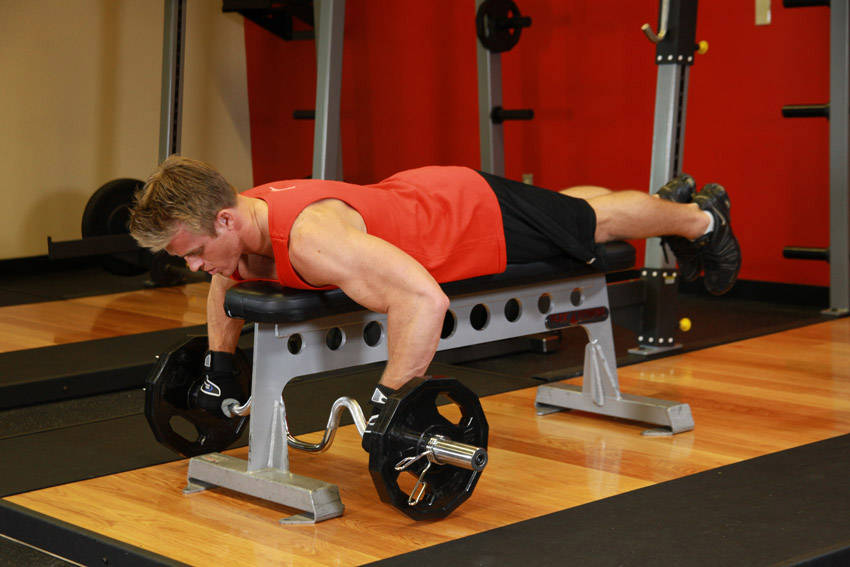
Lying Cambered Barbell Row
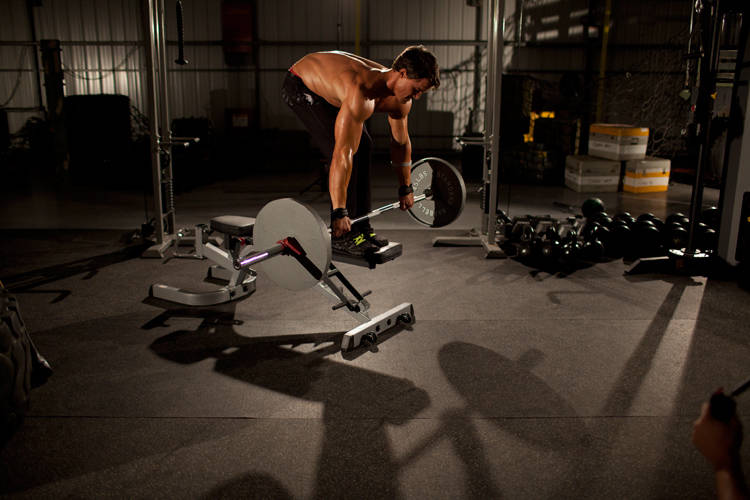
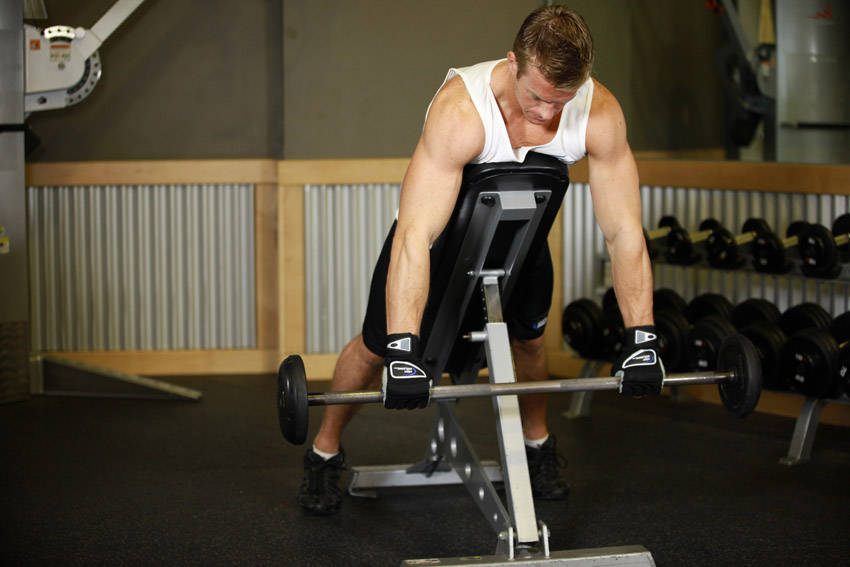
Straight Bar Bench Mid Rows
Head-to-Head Comparison
| Attribute | Lying Cambered Barbell Row | Straight Bar Bench Mid Rows |
|---|---|---|
| Target Muscle |
Middle-back
|
Middle-back
|
| Body Part |
Back
|
Back
|
| Equipment |
Barbell
|
Barbell
|
| Difficulty |
Intermediate
|
Intermediate
|
| Movement Type |
Compound
|
Compound
|
| Secondary Muscles |
3
|
2
|
Secondary Muscles Activated
Lying Cambered Barbell Row
Straight Bar Bench Mid Rows
Visual Comparison
Overview
Lying Cambered Barbell Row vs Straight Bar Bench Mid Rows — you want a thicker middle-back, and choosing the right horizontal row matters. I’ll compare how each exercise loads the rhomboids and middle traps, the role of bar shape and bench support on range of motion and force vectors, setup and technique cues, and who should prioritize each movement. Expect clear rep ranges (6–12 for hypertrophy, 3–6 for max strength), elbow-path cues, and practical progression options so you can pick the best row for your goals.
Key Differences
- Both exercises target the Middle-back using Barbell. The main differences are in their movement patterns and muscle activation angles.
Pros & Cons
Lying Cambered Barbell Row
+ Pros
- Greater mid-back stretch and peak contraction due to extra bar clearance and ROM
- Stronger emphasis on scapular retraction and upper-trap recruitment
- Chest-supported design reduces lumbar loading and isolates back
- Excellent for hypertrophy with slow eccentrics and full ROM (6–12 reps)
− Cons
- Requires a cambered or specialty bar that many gyms lack
- Slightly higher technical demand for grip and bench positioning
- May increase wrist strain for some lifters due to bar shape
Straight Bar Bench Mid Rows
+ Pros
- Highly accessible — needs only a straight barbell and bench
- Easier to load heavy for strength work (3–6 rep range)
- Solid lat and biceps recruitment with a compact bar path
- Simpler setup makes it beginner-friendly
− Cons
- Slightly reduced ROM compared with cambered bar variations
- Can encourage elbow flare or shoulder impingement if performed poorly
- Less emphasis on upper-trap peak contraction compared to cambered variation
When Each Exercise Wins
The cambered bar allows a longer length-tension window and a fuller scapular retraction, which increases time under tension for the middle traps and rhomboids. Use 3–5 sets of 6–12 reps with controlled 2–3 second eccentrics to maximize muscle growth.
Straight-bar rows are easier to load heavier and maintain a stable, linear force vector, making them better for low-rep strength work (3–6 reps). Their simplicity helps you progressively add kilos while keeping technique consistent.
With a simpler bar path and common equipment, beginners can learn scapular retraction and elbow mechanics faster. Start with lighter weight, focus on 8–12 reps, and nail scapular control before adding heavy loads.
Most home gyms have a straight bar and bench but rarely a cambered bar. The straight-bar version delivers effective mid-back loading with minimal gear and straightforward progression options.
Frequently Asked Questions
Can I do both Lying Cambered Barbell Row and Straight Bar Bench Mid Rows in the same workout?
Yes — pairing them works well: use the straight-bar row for heavier sets (3–6 reps) to train force production, then follow with cambered rows for 8–12 reps to increase time under tension and mid-back stretch. Watch total volume and keep form strict to avoid fatigue-driven technique breakdown.
Which exercise is better for beginners?
Straight Bar Bench Mid Rows are better for beginners because the setup and bar path are simpler, making it easier to learn scapular retraction and elbow mechanics. Start light, focus on 8–12 reps, and progress load only after consistent, clean reps.
How do the muscle activation patterns differ?
The cambered bar shifts the force vector slightly and increases ROM, emphasizing scapular retraction and the upper traps/posterior delts at peak contraction. The straight bar produces a more linear posterior pull that recruits lats and biceps more when elbows are tucked, so elbow path dictates the balance between traps and lats.
Can Straight Bar Bench Mid Rows replace Lying Cambered Barbell Row?
Straight-bar rows can replace cambered rows if you lack equipment, but expect a modest change in muscle emphasis: you’ll likely get less peak trap contraction and slightly less ROM. For targeted middle-trap hypertrophy, prioritize cambered rows when available; otherwise, use straight-bar rows with tempo and elbow positioning to approximate the stimulus.
Expert Verdict
Use Lying Cambered Barbell Row when your priority is middle-back hypertrophy and you have access to a cambered bar — its extra clearance increases ROM and peak scapular retraction, which drives targeted middle-trap and rhomboid work (3–5 sets of 6–12 reps, slow eccentrics). Choose Straight Bar Bench Mid Rows if you need accessibility, heavier loading, or are teaching a beginner: the straight bar is easier to load, learn, and program for strength (3–6 reps) or higher-rep volume (8–12 reps). Both are chest-supported, reduce lumbar stress, and should be selected based on equipment access, desired muscle emphasis, and progression goals.
Also Compare
More comparisons with Lying Cambered Barbell Row
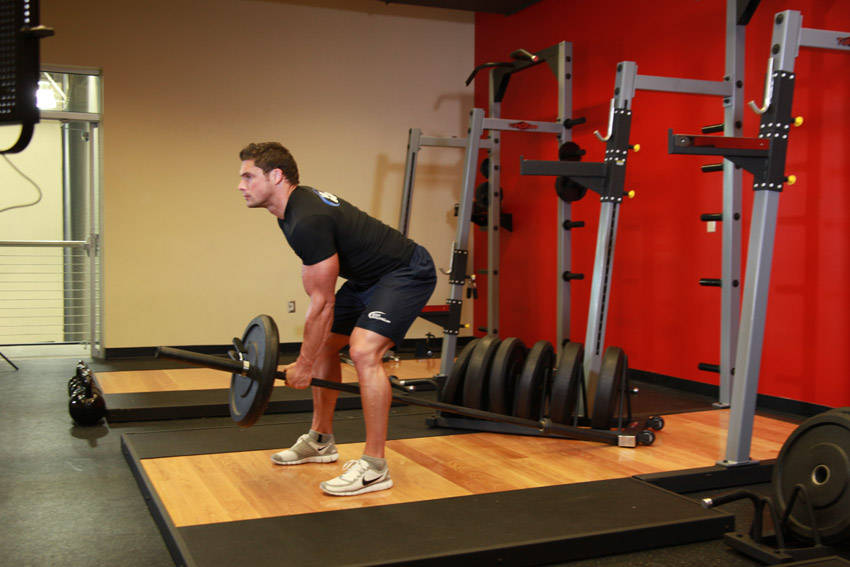
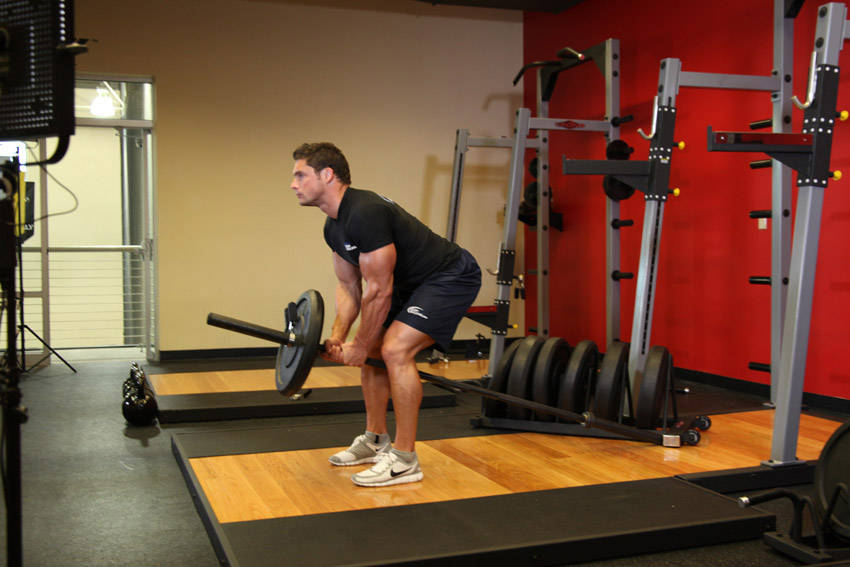
More comparisons with Straight Bar Bench Mid Rows
Compare More Exercises
Use our free comparison tool to analyze any two exercises head-to-head.
Compare Exercises