

Lying Cambered Barbell Row vs T-Bar Row With Handle: Complete Comparison Guide
Lying Cambered Barbell Row vs T-Bar Row With Handle — this head-to-head will show you which row better builds middle-back thickness and which suits your training context. You’ll learn the biomechanics (line of pull, torso angle, length-tension), how each exercise activates mid-traps, rhomboids and lats, equipment needs, and programming tips (rep ranges, set schemes, progression cues). I’ll give clear technique cues so you can apply each lift safely, plus recommendations for hypertrophy, strength, beginners, and home workouts.
Exercise Comparison
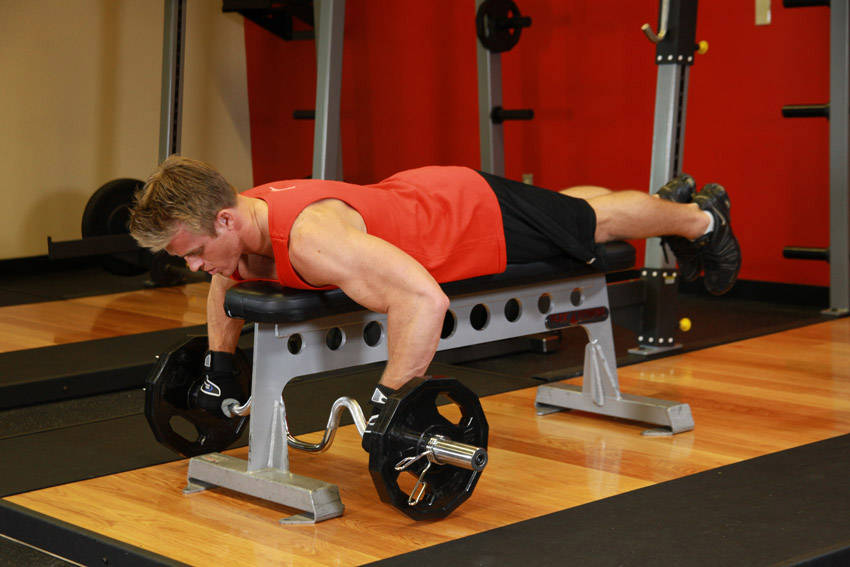
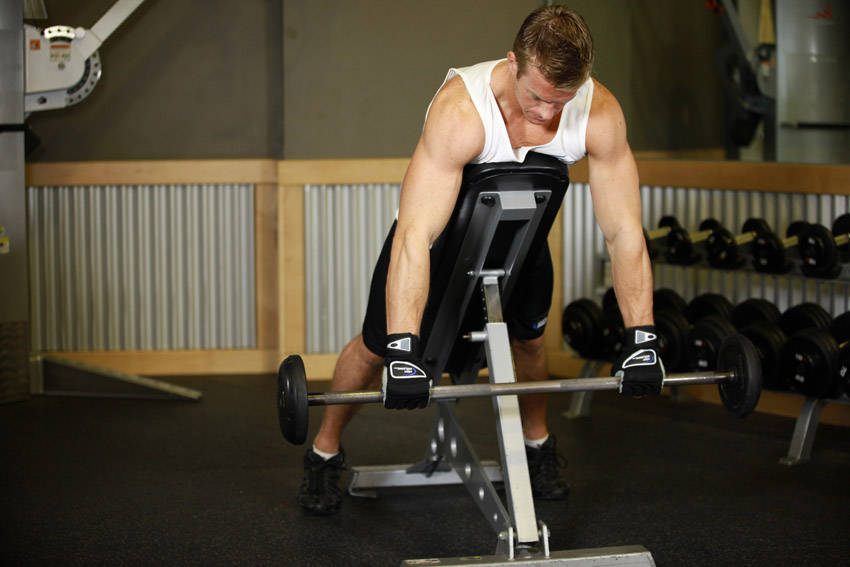
Lying Cambered Barbell Row
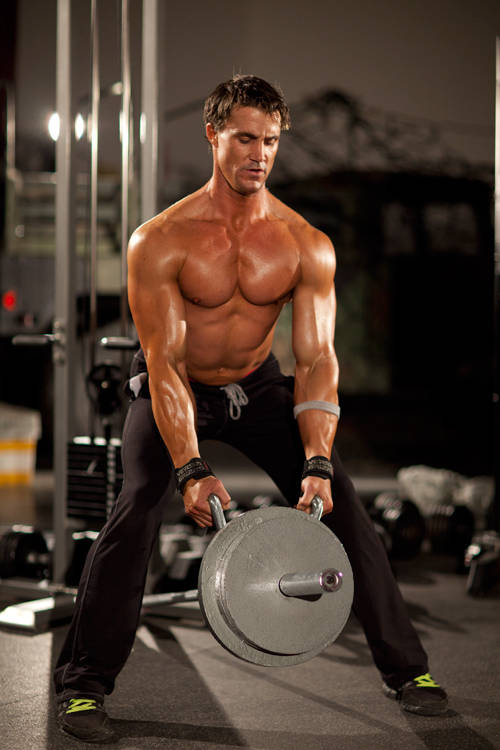
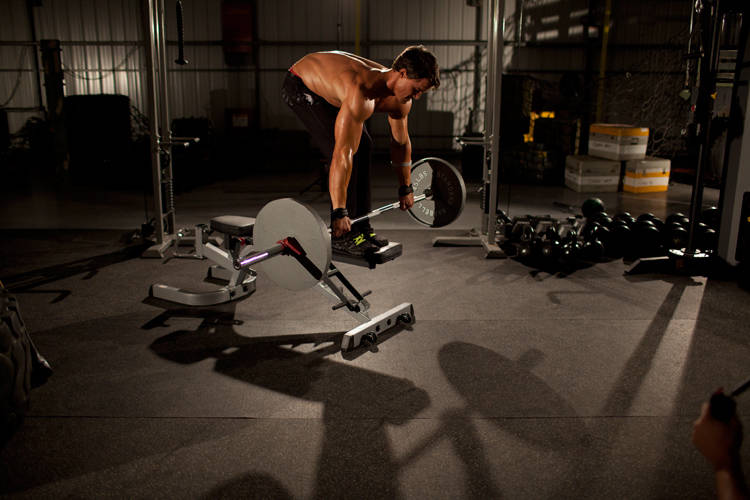
T-bar Row With Handle
Head-to-Head Comparison
| Attribute | Lying Cambered Barbell Row | T-bar Row With Handle |
|---|---|---|
| Target Muscle |
Middle-back
|
Middle-back
|
| Body Part |
Back
|
Back
|
| Equipment |
Barbell
|
Barbell
|
| Difficulty |
Intermediate
|
Intermediate
|
| Movement Type |
Compound
|
Compound
|
| Secondary Muscles |
3
|
2
|
Secondary Muscles Activated
Lying Cambered Barbell Row
T-bar Row With Handle
Visual Comparison
Overview
Lying Cambered Barbell Row vs T-Bar Row With Handle — this head-to-head will show you which row better builds middle-back thickness and which suits your training context. You’ll learn the biomechanics (line of pull, torso angle, length-tension), how each exercise activates mid-traps, rhomboids and lats, equipment needs, and programming tips (rep ranges, set schemes, progression cues). I’ll give clear technique cues so you can apply each lift safely, plus recommendations for hypertrophy, strength, beginners, and home workouts.
Key Differences
- Both exercises target the Middle-back using Barbell. The main differences are in their movement patterns and muscle activation angles.
Pros & Cons
Lying Cambered Barbell Row
+ Pros
- Chest support reduces lumbar loading and allows strict scapular retraction
- Horizontal line of pull isolates mid-traps and rhomboids effectively
- Easier to cue and learn—good for strict contraction and pauses
- Great for targeting middle-back without heavy hip hinge demand
− Cons
- Requires a cambered bar and appropriate bench, less available in many gyms
- Limited absolute loading compared to plate-loaded T-bar setups
- Can place awkward shoulder stress if range isn’t managed
T-bar Row With Handle
+ Pros
- Allows heavier loading and simple plate increments for progressive overload
- Angled torso increases lat involvement and total back tension
- Common gym setup (landmine/T-bar) and adaptable for neutral grips
- Versatile hand positions (wide/narrow, V-handle) to shift emphasis
− Cons
- Requires good spinal bracing and hip hinge control to avoid lower-back strain
- Slightly steeper learning curve to hit torso angle and elbow path
- Less isolation of pure scapular retraction, which can reduce mid-trap focus
When Each Exercise Wins
T-bar rows allow heavier loading and a longer lat stretch at the bottom, increasing time under tension and mechanical tension—the primary driver of muscle growth. Use 6–12 reps, 3–5 sets, and vary grip width to bias lats versus mid-back.
The T-bar’s plate-loaded setup supports progressive overload with heavier absolute loads, which helps build pulling strength. Program 3–6 reps, 3–6 sets, and focus on steady increases in weight while maintaining torso angle and bracing.
Chest support simplifies the movement pattern, reduces lumbar loading, and isolates scapular retraction—making it easier to learn mid-back mechanics. Start with 8–15 reps, emphasize form and full scapular squeeze.
A landmine-style setup or single-bar-in-corner with a handle is easier to rig at home than a cambered bar and long bench. It scales well with plates and doesn’t require a specialty bar.
Frequently Asked Questions
Can I do both Lying Cambered Barbell Row and T-Bar Row With Handle in the same workout?
Yes. Pair them by priority—perform the exercise you want to emphasize first. For example, do 3–4 working sets of the primary move (6–12 reps for hypertrophy), then 2–3 lighter sets of the secondary move focusing on technique or different angles.
Which exercise is better for beginners?
Lying Cambered Barbell Row is typically better for beginners because chest support removes the need for heavy spinal bracing and the movement cues focus on scapular retraction. It helps build motor patterning before introducing hinging demands.
How do the muscle activation patterns differ?
Lying cambered rows peak earlier in scapular retractors due to the horizontal line of pull and full retraction, while T-bar rows produce greater lat activation at the bottom because the torso angle adds shoulder-extension torque and length-tension on the lats.
Can T-Bar Row With Handle replace Lying Cambered Barbell Row?
T-bar rows can substitute when cambered equipment isn’t available and for progressing load, but they don’t fully replicate chest-supported isolation of the mid-traps. If your goal is strict scapular retraction or protecting the lumbar spine, keep the lying cambered row in rotation.
Expert Verdict
Use the lying cambered barbell row when your priority is strict mid-trap and rhomboid isolation with minimal lumbar load—great for technique work, corrective training, and higher-rep hypertrophy sets that emphasize full scapular retraction. Choose the T-bar row with handle when you want to move heavier loads, add lats into the stimulus, or need a more accessible plate-based option for progressive overload. For balanced programming, cycle both: start a block with chest-supported rows to reinforce clean mechanics, then move to T-bar rows to increase load and volume for strength and size.
Also Compare
More comparisons with Lying Cambered Barbell Row
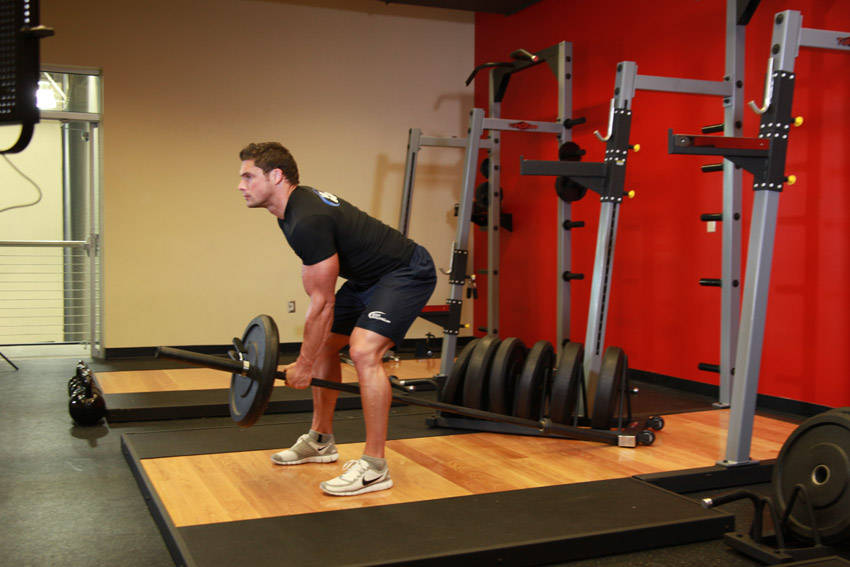
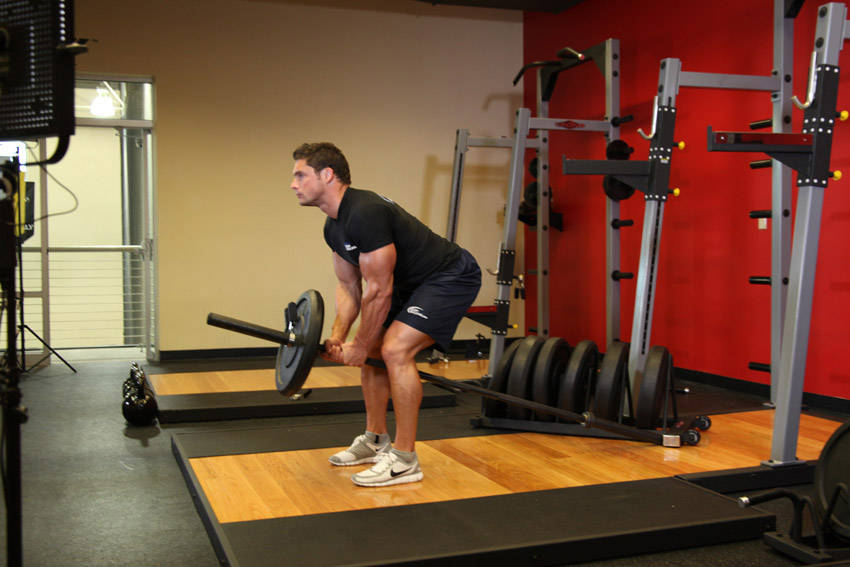
More comparisons with T-bar Row With Handle
Compare More Exercises
Use our free comparison tool to analyze any two exercises head-to-head.
Compare Exercises