

Recumbent Bike vs Rowing, Stationary: Complete Comparison Guide
Recumbent Bike vs Rowing, Stationary — two cardio staples that both target your quads but do it very differently. If you want clear guidance on which one matches your goals, you’re in the right place. You’ll get a side-by-side look at primary and secondary muscle recruitment, practical setup and technique cues (seat angle, knee position, stroke sequence), progression options, injury risk, and which to pick for muscle growth, strength, beginners, or home use. Read on for biomechanics-backed recommendations and specific numbers you can apply the next time you train.
Exercise Comparison
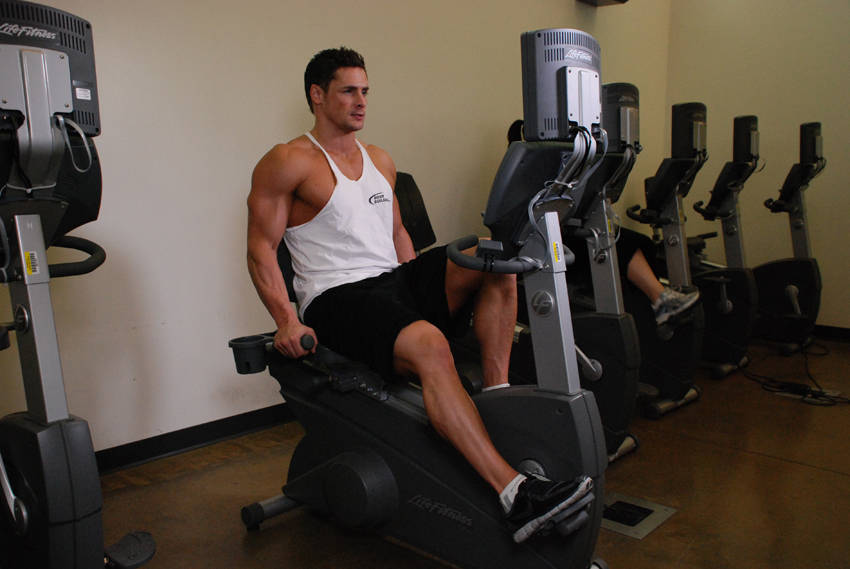
Recumbent Bike
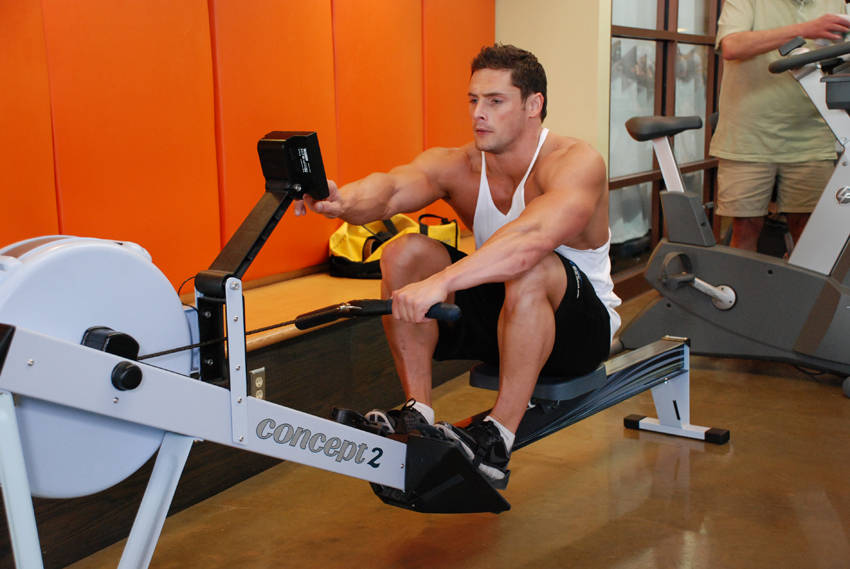
Rowing, Stationary
Head-to-Head Comparison
| Attribute | Recumbent Bike | Rowing, Stationary |
|---|---|---|
| Target Muscle |
Quads
|
Quads
|
| Body Part |
Cardio
|
Cardio
|
| Equipment |
Machine
|
Machine
|
| Difficulty |
Beginner
|
Intermediate
|
| Movement Type |
Compound
|
Compound
|
| Secondary Muscles |
3
|
6
|
Secondary Muscles Activated
Recumbent Bike
Rowing, Stationary
Visual Comparison
Overview
Recumbent Bike vs Rowing, Stationary — two cardio staples that both target your quads but do it very differently. If you want clear guidance on which one matches your goals, you’re in the right place. You’ll get a side-by-side look at primary and secondary muscle recruitment, practical setup and technique cues (seat angle, knee position, stroke sequence), progression options, injury risk, and which to pick for muscle growth, strength, beginners, or home use. Read on for biomechanics-backed recommendations and specific numbers you can apply the next time you train.
Key Differences
- Difficulty levels differ: Recumbent Bike is beginner, while Rowing, Stationary is intermediate.
- Both exercises target the Quads using Machine. The main differences are in their movement patterns and muscle activation angles.
Pros & Cons
Recumbent Bike
+ Pros
- Low impact with back support reduces lumbar load
- Easy to learn and adjust — good for rehab and steady-state cardio
- Compact footprint and minimal coordination required
- Consistent quad-focused loading useful for targeted conditioning
− Cons
- Limited upper-body and posterior chain recruitment
- Less total-body calorie burn per minute compared with full rowing at high intensity
- Harder to overload hip extension patterns for posterior chain strength
Rowing, Stationary
+ Pros
- Full-body compound movement recruits quads, glutes, back, and arms
- Excellent power and conditioning tool — high calorie burn and muscular stimulus
- Multiple progression variables (stroke rate, damper, functional technique)
- Develops posterior chain and core stability through coordinated hip drive
− Cons
- Requires technical mastery to avoid lower-back strain
- Larger footprint and setup required
- Higher initial perceived exertion and coordination demand for beginners
When Each Exercise Wins
Rowing hits both the quadriceps and the posterior chain along with the back and biceps, creating greater overall mechanical tension and metabolic stress. Using intervals (e.g., 8–12 hard strokes x 6–8 sets with 1–2 min rest) or high-resistance rowing increases time under tension for muscle growth.
Because rowing loads the hips, back, and legs in a kinetic chain, it transfers better to multi-joint strength and power. Performing heavy-power intervals (short 10–20 s all-out efforts or resisted rowing) develops rate of force development and posterior chain strength more effectively than recumbent cycling.
Recumbent bikes are simple to set up, have a lower coordination barrier, and reduce lumbar stress thanks to the reclined seat. Beginners can safely build aerobic base and quad endurance with controlled cadence and low resistance.
Recumbent bikes generally require less space, are quieter, and need minimal technical coaching, making them ideal for most home setups. If space and budget allow, a rowing ergometer is excellent, but it demands a longer learning period.
Frequently Asked Questions
Can I do both Recumbent Bike and Rowing, Stationary in the same workout?
Yes. Pair them in a single session by using one for a warm-up or low-intensity aerobic set and the other for intervals. For example, 10 minutes easy recumbent cycling to prime the legs followed by 6–8 rowing intervals (30–60 seconds hard, 90 seconds easy) balances quad work with full-body power.
Which exercise is better for beginners?
Recumbent Bike is better for most beginners because it has a lower coordination demand and a supported position that limits lumbar load. Start with 15–30 minutes at an easy cadence and focus on seat position so your knee has about 25–35° flexion at the bottom.
How do the muscle activation patterns differ?
Recumbent cycling emphasizes repeated concentric knee extension with minimal trunk involvement, producing steady quad activation. Rowing uses a sequential kinetic chain: large leg drive (knee extension), then hip extension, then upper-body pull, which spreads activation across quads, glutes, hamstrings, back, and biceps and includes more eccentric loading during recovery.
Can Rowing, Stationary replace Recumbent Bike?
Rowing can replace a recumbent bike if your goal is total-body conditioning or muscle growth and you have time to learn proper technique. If you need low-back support, lower impact on the spine, or simpler setup for home or rehab, keep the recumbent bike as your primary option.
Expert Verdict
Choose the Recumbent Bike when you want low-impact quad-focused conditioning, easy setup, and minimal technique — ideal for beginners, rehab, or steady-state cardio where lumbar protection matters. Pick Rowing, Stationary when you want a full-body compound stimulus: it produces more posterior chain and upper-body work, higher calorie burn, and more pathways for progression (power intervals, stroke-rate work, resisted pieces). If your main goal is targeted quad endurance with safety and convenience, use the recumbent bike; if you want total-body muscle development and strength-endurance, prioritize rowing and invest time to learn efficient technique (focus on leg drive → hip hinge → arm pull).
Also Compare
More comparisons with Recumbent Bike
Compare More Exercises
Use our free comparison tool to analyze any two exercises head-to-head.
Compare Exercises