

Recumbent Bike vs Running, Treadmill: Complete Comparison Guide
Recumbent Bike vs Running, Treadmill is a common crossroads for anyone choosing cardio that also targets the quads. You’ll get a clear, evidence-based comparison so you can pick the right tool for your goals. I’ll cover primary and secondary muscle activation, biomechanics, equipment needs, learning curve, injury risk, and practical progressions (intervals, incline, resistance). Read this to learn exact technique cues, recommended session times (e.g., 20–60 minutes steady-state, 30s–2min intervals), and which option wins for hypertrophy, strength, beginners, and home workouts.
Exercise Comparison
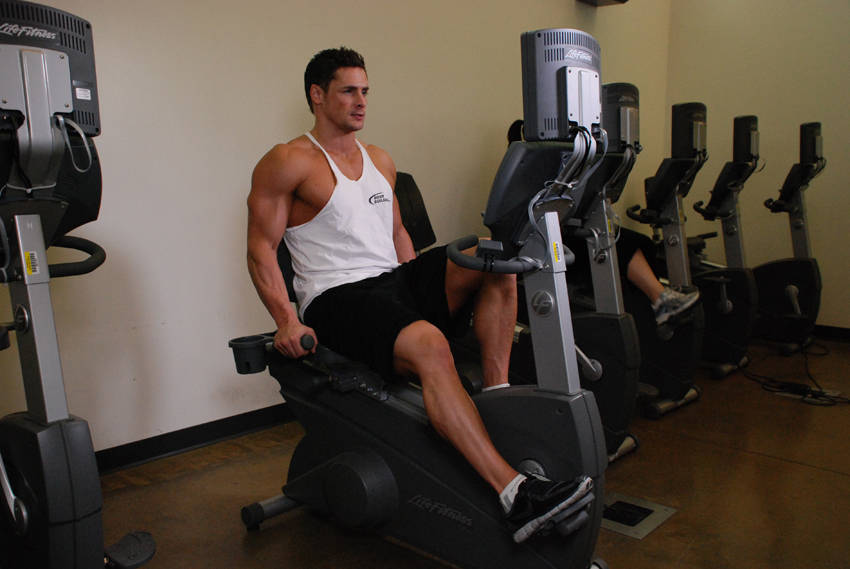
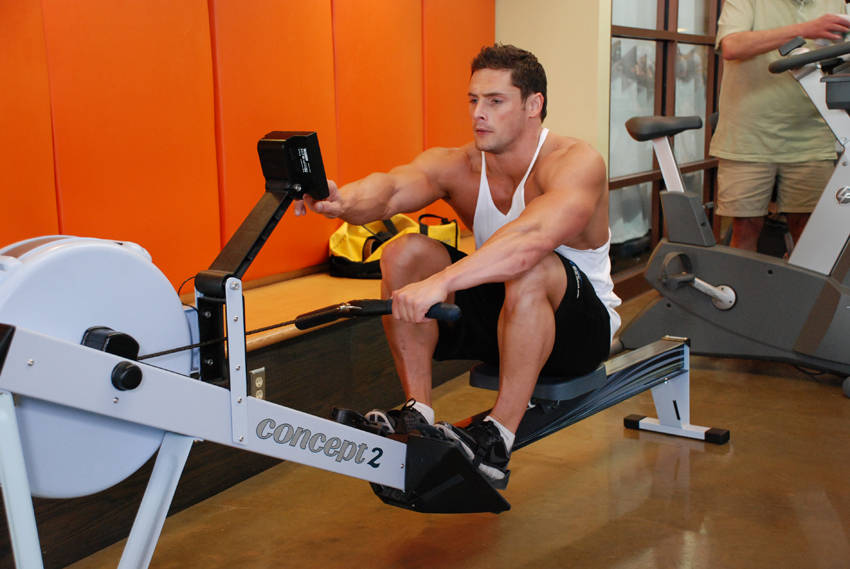
Recumbent Bike
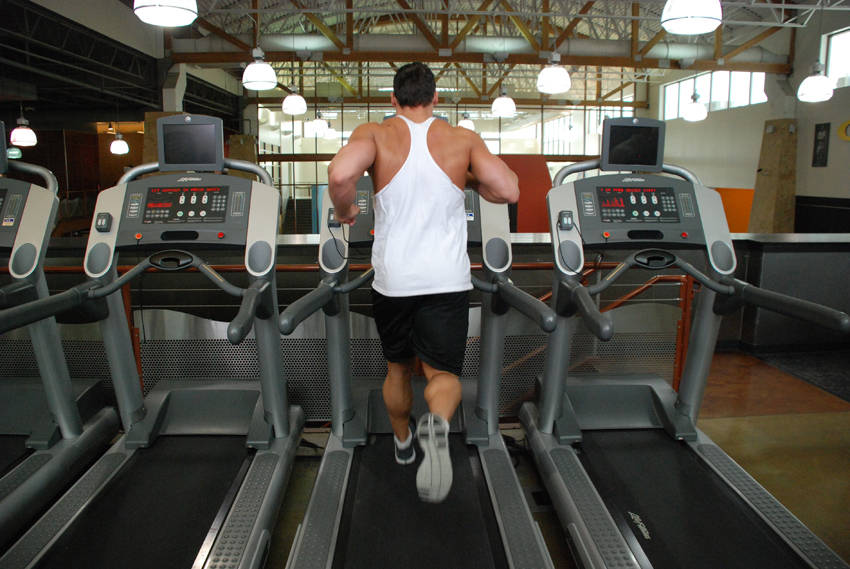
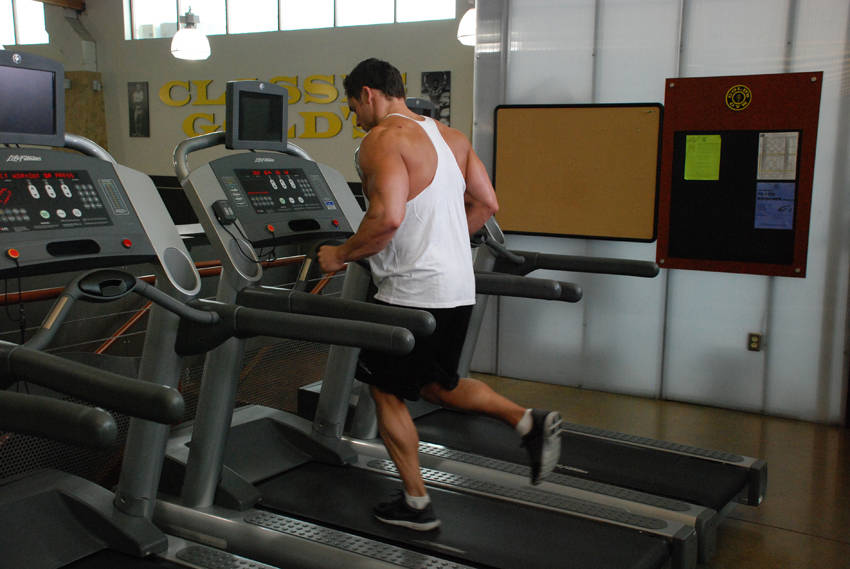
Running, Treadmill
Head-to-Head Comparison
| Attribute | Recumbent Bike | Running, Treadmill |
|---|---|---|
| Target Muscle |
Quads
|
Quads
|
| Body Part |
Cardio
|
Cardio
|
| Equipment |
Machine
|
Machine
|
| Difficulty |
Beginner
|
Beginner
|
| Movement Type |
Compound
|
Compound
|
| Secondary Muscles |
3
|
3
|
Secondary Muscles Activated
Recumbent Bike
Running, Treadmill
Visual Comparison
Overview
Recumbent Bike vs Running, Treadmill is a common crossroads for anyone choosing cardio that also targets the quads. You’ll get a clear, evidence-based comparison so you can pick the right tool for your goals. I’ll cover primary and secondary muscle activation, biomechanics, equipment needs, learning curve, injury risk, and practical progressions (intervals, incline, resistance). Read this to learn exact technique cues, recommended session times (e.g., 20–60 minutes steady-state, 30s–2min intervals), and which option wins for hypertrophy, strength, beginners, and home workouts.
Key Differences
- Both exercises target the Quads using Machine. The main differences are in their movement patterns and muscle activation angles.
Pros & Cons
Recumbent Bike
+ Pros
- Low-impact cardio that protects joints and spine
- Stable seated position reduces balance demands for beginners
- Adjustable resistance and steady-state intervals for controlled metabolic stress
- Good for long-duration aerobic work with less perceived effort
− Cons
- Lower eccentric and posterior-chain recruitment than running
- Less peak force/power—limited for heavy strength stimulus
- Requires a dedicated, often bulky machine for home use
Running, Treadmill
+ Pros
- Higher peak quad activation and posterior-chain engagement, especially with incline
- Incorporates stretch-shortening cycle for power and muscular stimulus
- Broad progression options: speed, incline, intervals, and sled-like sprinting
- Readily translates to running performance and weight-bearing conditioning
− Cons
- Higher impact and greater risk of overuse injuries
- Requires gait technique (cadence, midfoot strike) to minimize load
- Treadmills take more floor space and need maintenance
When Each Exercise Wins
Treadmill running—especially incline or sprint intervals—creates greater eccentric loading and higher peak quad activation, which stimulates muscle remodeling more effectively than seated recumbent cycling. Use hills or 30s–2min repeat sprints to increase mechanical tension and time under load.
Running produces higher ground reaction forces and a pronounced stretch-shortening cycle, improving power and force development. For maximal strength, combine sprint intervals or incline work with resistance training for optimal adaptation.
The recumbent bike lowers impact and balance demands, allowing you to build cardiovascular fitness while maintaining safe joint mechanics. It’s easier to learn seat setup and cadence control, and you can progress resistance in small, measurable steps.
A recumbent bike is generally quieter, safer for small spaces, and friendlier for people with mobility limits. It offers reliable, low-impact training that’s simpler to use without expert coaching or extensive technique work.
Frequently Asked Questions
Can I do both Recumbent Bike and Running, Treadmill in the same workout?
Yes. Pairing them works well: start with a 10–20 minute recumbent warm-up to raise blood flow, then perform 20–30 minutes of treadmill intervals for power and quad stimulus. Use the recumbent for active recovery sets (3–5 minutes low resistance) to maintain cadence without extra impact.
Which exercise is better for beginners?
Recumbent Bike is better for most beginners because it reduces impact and balance demands while allowing controlled workload increases. You can safely build cardio base and knee tolerance before introducing treadmill mechanics and higher-impact intervals.
How do the muscle activation patterns differ?
Recumbent cycling produces steady concentric knee extension with lower eccentric demand and axial pedal force. Treadmill running uses eccentric braking at initial contact followed by concentric push-off, engaging the stretch-shortening cycle and recruiting glutes and hamstrings more strongly—this increases peak forces and metabolic cost.
Can Running, Treadmill replace Recumbent Bike?
Yes for many users: treadmill running can replace recumbent cycling if you can tolerate the impact and have solid running mechanics. If you need lower-impact options due to joint issues or recovery phases, keep the recumbent bike as your go-to.
Expert Verdict
Use the Recumbent Bike when joint protection, accessibility, and long-duration aerobic conditioning are your priorities. Adjust seat position so your knee retains a ~25°–30° bend at full extension and progress by increasing resistance and interval intensity (e.g., 5×2-minute hard efforts). Choose Running, Treadmill when you need higher quad activation, posterior-chain engagement, and power training—add inclines (4–8%) or short sprints to maximize eccentric loading. For mixed goals, prioritize treadmill work for muscle stimulus and supplement with low-impact recumbent sessions during recovery or when injury risk is a concern.
Also Compare
More comparisons with Recumbent Bike
Compare More Exercises
Use our free comparison tool to analyze any two exercises head-to-head.
Compare Exercises